

Ipamorelin

Ipamorelin Injection for Adults: How to Buy

x
Secure Encrypted Payments

Ipamorelin is a prescription peptide prepared for clinician-directed therapy. This page helps you review basics on use, storage, safety, and access, including options if you need Ipamorelin without insurance. Ordering supports US delivery from Canada.

Border Free Health connects U.S. patients with licensed Canadian partner pharmacies; prescriptions are verified with prescribers before dispensing.

What Ipamorelin Is and How It Works

This medicine belongs to the growth hormone secretagogue class. It acts on the ghrelin receptor to help signal the pituitary to release growth hormone. Ipamorelin acetate is commonly supplied as a lyophilized powder intended for reconstitution by a pharmacist or under professional guidance. The treatment is not an anabolic steroid. It is a peptide-based option used within supervised protocols where a prescriber determines appropriateness and dosing.

The therapy may be used alongside other endocrine treatments when a clinician deems it appropriate. Decisions on starting or continuing should consider medical history, active conditions, and goals of care. Always follow the product-specific instructions provided with your dispensed vial and your prescriber’s guidance.

Who It’s For

This peptide is generally considered for adults when a licensed clinician recommends it for a defined therapeutic plan. It is not intended for use during pregnancy or breastfeeding. People with a history of active cancer, uncontrolled endocrine disorders, or severe sleep apnea may require additional evaluation before starting any growth hormone–related therapy. Those with significant edema, carpal tunnel symptoms, or uncontrolled diabetes should discuss risks and monitoring needs with a healthcare professional.

Pediatric use should be guided only by specialists with experience in endocrine care when applicable regulations allow. Individuals with known hypersensitivity to any component of the vial should avoid use.

Dosage and Usage

Your prescriber sets the dose, schedule, and length of therapy. The peptide is typically given as a subcutaneous injection, using clean technique, at a consistent time each day or as otherwise directed. If your product is supplied as a powder, reconstitution should follow the pharmacy’s instructions. Use only the diluent provided or recommended by the dispenser. Do not mix with other products in the same syringe unless your prescriber instructs you to do so.

Rotate injection sites to the abdomen, thigh, or back of the arm, avoiding moles, scars, and irritated skin. Clean the site with an alcohol swab and allow it to dry before injection. Insert the needle at the angle recommended in your training, inject slowly, then safely remove and place the needle in a sharps container. If you are new to injections, ask your prescriber or pharmacist for hands-on training. You can also review general injection concepts alongside resources such as Types Of Insulin for technique basics.

Strengths and Forms

Common presentations include sterile lyophilized powder vials prepared for subcutaneous injection after reconstitution. Availability can vary by pharmacy and jurisdiction. Some clinics and pharmacies routinely stock:

  • Ipamorelin 2mg
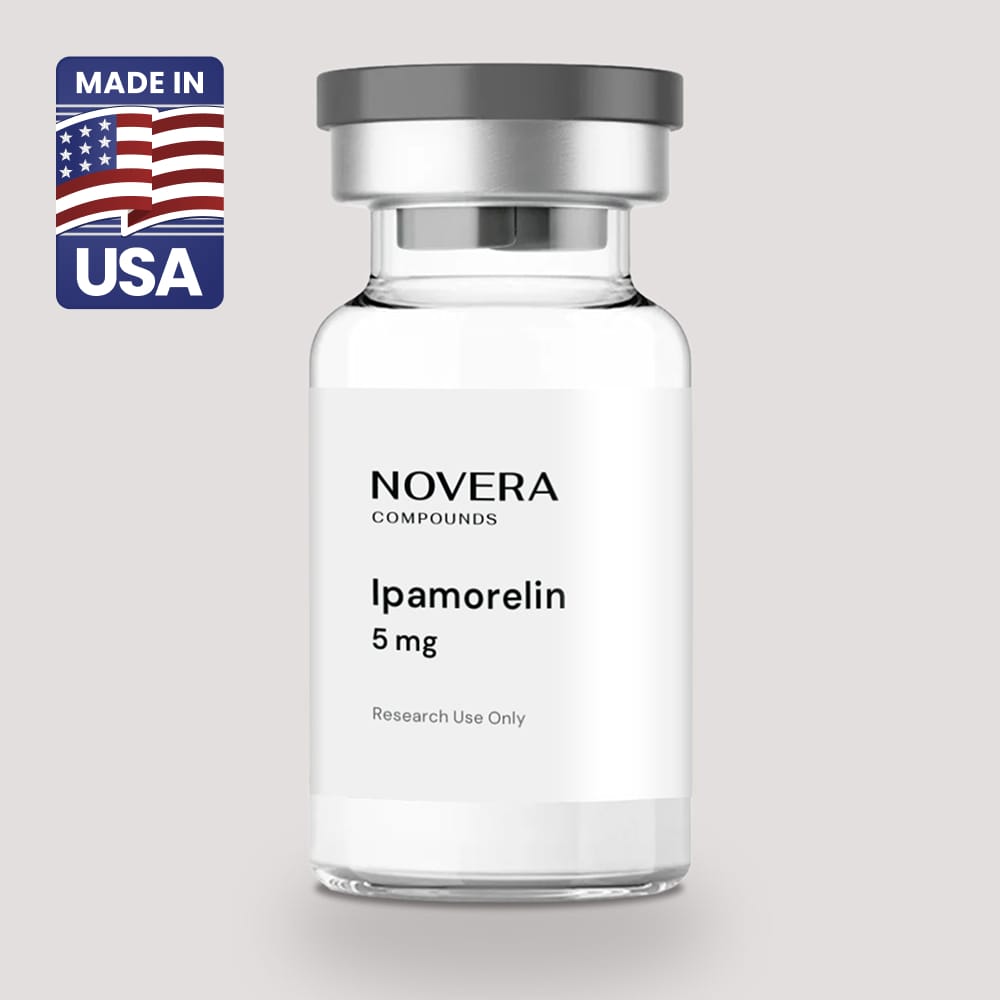
  • 5 mg single-use or multi-use vials
  • 10 mg multi-use vials

Not all strengths are available at all times. Your pharmacist will dispense an option that matches your prescription. If you have questions about volume per dose or diluent amounts, refer to the product insert or consult your prescriber.

Missed Dose and Timing

If you miss a scheduled dose, take it when you remember unless it is close to the next dose. In that case, skip the missed one and resume your usual schedule. Do not take two doses at once. Try to maintain a consistent dosing time to support routine and monitoring. If frequent doses are missed, ask your healthcare professional about planning strategies to help with adherence.

Storage and Travel Basics

Before reconstitution, store vials as directed on the label, away from direct light and moisture, and out of reach of children and pets. After mixing, most peptide vials require refrigeration; do not freeze unless the label specifically allows it. Keep the medicine in its original container so the lot number and instructions remain available. For short trips, use an insulated pouch with cool packs if your mixed vial needs to stay cold. For longer travel, carry your prescription label and packing slip. Do not leave vials or syringes in a hot car or in checked luggage. Temperature-controlled handling when required helps preserve product quality.

Place used needles and syringes in a puncture-resistant sharps container. Your local community may have drop-off sites or pharmacy programs for disposal. If you need examples of injection supplies or techniques, you can review general injection topics alongside items like Vitamin B12 Injection for storage and handling concepts. For broader peptide options, see the Peptides category.

Benefits

This class targets the body’s own growth hormone pathway, which may be preferred by some clinicians when building individualized regimens. Subcutaneous administration offers at-home dosing once a patient is trained. Vial-based formats may provide flexibility for prescribers to tailor volume and schedule. Consistent use, proper storage, and clear communication with your care team can support a safer experience over time.

Side Effects and Safety

  • Injection site redness or irritation
  • Headache or lightheadedness
  • Flushing or warmth
  • Nausea or stomach discomfort
  • Water retention or swelling
  • Tingling, joint stiffness, or carpal tunnel–like symptoms
  • Changes in appetite or sleep

Serious reactions are uncommon but can include allergic responses, significant edema, shortness of breath, or vision changes. Growth hormone–related therapies may be unsuitable for people with active malignancy or certain endocrine conditions. If you experience severe symptoms, seek urgent medical attention. When used with insulin or sulfonylureas, clinicians monitor for hypoglycemia risk in the broader context of endocrine therapy.

Drug Interactions and Cautions

Tell your prescriber about all medicines, supplements, and over-the-counter products you use. Somatostatin analogs and high-dose corticosteroids may blunt growth hormone signaling. Concurrent use with growth hormone therapies requires specialist oversight. Diuretics, thiazolidinediones, or other agents that can increase fluid retention may raise the chance of swelling. Alcohol can worsen dizziness and impair judgment for injection tasks. Report prior diagnoses, including diabetes, obstructive sleep apnea, cancer history, or intracranial lesions.

What to Expect Over Time

Your clinician may monitor clinical status, labs such as IGF-1 when appropriate, and overall tolerability. Early changes can be subtle. Many patients focus on routine, safe handling, and consistent timing. Track how you feel, keep a dosing log, and bring questions to appointments. If goals change, your prescriber may adjust the plan or discontinue the therapy. Do not change your dose or frequency without medical guidance.

Compare With Alternatives

Some patients are managed with recombinant growth hormone under specialist care. Options may include Norditropin FlexPro or Serostim when clinically indicated. In select settings, clinicians discuss combinations or sequences with other peptide regimens such as CJC 1295. Therapy selection depends on diagnosis, labs, and safety considerations.

Pricing and Access

Canadian-sourced options can offer value for self-pay patients. You can review current Ipamorelin price, compare vial formats, and select the fill that matches your prescription. We display clear options so you can plan refills and coordinate with your prescriber’s schedule. If you are comparing therapies, note that strengths and vial sizes can differ across peptide products, which influences total quantity per order.

We support US delivery from Canada with transparent checkout and status updates. For occasional deals, see Promotions. Checkout uses encrypted processing to protect your information.

Availability and Substitutions

Stock may vary by strength and supplier. If a specific vial is not available, your prescriber may recommend an appropriate alternative or a different format based on your plan. Some clinics consider Ipamorelin from Canada alongside other peptide options when supply shifts. We do not quote restock dates; please check the product page for current status.

Patient Suitability and Cost-Saving Tips

This therapy may suit adults whose clinicians recommend a peptide-based approach within an endocrine plan. It may not be appropriate for individuals with active cancer, uncontrolled diabetes, or in pregnancy. If you are eligible and proceeding, consider these practical steps:

  • Multi-month fills: fewer refills and potential per-vial efficiencies
  • Refill reminders: set calendar alerts to avoid gaps
  • Site rotation: reduce local irritation and bruising
  • Travel kit: insulated pouch, spare needles, and labels
  • Documentation: keep your prescription label with you
  • Waste reduction: draw carefully to minimize discards

If you need more context about endocrine care, you can read awareness content such as World Diabetes Day or National Diabetes Month. For condition education, see Growth Hormone Deficiency.

Questions to Ask Your Clinician

  • Is a peptide-based approach appropriate for my diagnosis?
  • How will you monitor my response and safety?
  • What lab tests will guide dose and duration?
  • Which injection technique and supplies should I use?
  • What side effects should prompt a call or visit?
  • How should I store mixed vials at home and during travel?
  • Could this interact with my current medicines or supplements?
  • What are alternative therapies if this is not suitable?

Authoritative Sources

For background on compounding and regulatory context, see these official resources:

Ready to proceed? You can place your order, choose your address, and receive prompt, express shipping with US delivery from Canada. This information is not a substitute for professional medical advice; always follow your prescriber and the product label.

Express Shipping - from $25.00

Shipping with this method takes 3-5 days
Prices:
  • Dry-Packed Products $25.00
  • Cold-Packed Products $35.00
Shipping Countries:
  • United States (all contiguous states**)
  • Worldwide (excludes some countries***)

Standard Shipping - $15.00

Shipping with this method takes 5-10 days

Prices:
  • Dry-Packed Products $15.00
  • Not available for Cold-Packed products
Shipping Countries:
  • United States (all contiguous states**)
  • Worldwide (excludes some countries***)

Rewards Program

Earn points on birthdays, product orders, reviews, friend referrals, and more! Enjoy your medication at unparalleled discounts while reaping rewards for every step you take with us.

You can read more about rewards here.

POINT VALUE

100 points
1 USD

How to earn points

  • 1Register and/or Login
    Create an account and start earning.
  • 2Earn Rewards
    Earn points every time you shop or perform certain actions.
  • 3Redeem
    Redeem points for exclusive discounts.

How to book an appointment

  • 1Register and/or Login
    Create Begin by completing a profile or log into your existing account. This step ensures we have the necessary information to provide you with a service that's tailored to your needs. account and start earning.
  • 2Book an appointment
    Scheduling an appointment with our online booking system is easy. Pick a day and time that suits you. You’ll receive an immediate confirmation, without the wait.
  • 3Meet one of our doctors
    Discuss your concerns and symptoms and receive a thorough diagnosis from one of our licensed doctors during a confidential video appointment.
  • 4Get your prescription
    If you've been prescribed medication, your Rx is sent directly to one of our licensed pharmacies and delivered right to your door.

Get Started

To book an online doctor appointment, register for an account or login. After doing so, you can book your visit on this page.

You Might Also Like

GHK-Cu

$47.49

  • In Stock
  • Express Shipping
Our Price $47.49
Select options This product has multiple variants. The options may be chosen on the product page
DSIP

$35.14

  • In Stock
  • Express Shipping
Our Price $35.14
Select options This product has multiple variants. The options may be chosen on the product page
PT-141

$56.99

  • In Stock
  • Express Shipping
Our Price $56.99
Select options This product has multiple variants. The options may be chosen on the product page
Tesamorelin

$75.99

  • In Stock
  • Express Shipping
US $6,040.69
Our Price $75.99
Select options This product has multiple variants. The options may be chosen on the product page

Peptide Screening Form

Patient Information

Please provide your basic demographic information.

Type your date of birth in MM/DD/YYYY format.

Peptides of Interest

Peptides of Interest

Select the peptides you are interested in or have been recommended.

Medical History & Screening

Medical History & Screening

Please indicate if any of the following apply to you. Red flag alerts will appear if a condition contraindicates any of the available peptide therapies.

Contraindicated for CJC-1295: Growth hormone-releasing peptides like CJC-1295 are contraindicated in patients with active cancer because they may promote cell proliferation and tumor growth.

Contraindicated for Ipamorelin: Ipamorelin stimulates growth hormone release, which may promote tumor growth and cell proliferation in active cancers.

Contraindicated for Sermorelin: Sermorelin increases growth hormone production, which may stimulate growth of existing tumors.

Contraindicated for BPC-157: BPC-157 promotes angiogenesis (new blood vessel formation), which could support tumor growth and metastasis in active cancers.

Contraindicated for AOD-9604: Although AOD-9604 is a modified GH fragment, it may still interact with growth-related pathways in patients with active malignancies.

Contraindicated for TB-500 (Thymosin Beta-4): TB-500 promotes cell migration and angiogenesis, which may facilitate tumor growth and metastasis in active cancers.

Contraindicated for GHK-Cu: GHK-Cu promotes angiogenesis and tissue remodeling, which may support tumor growth in patients with active cancer.

Contraindicated for Epithalon (Epitalon): Epithalon stimulates telomerase activity. Cancer cells exploit telomerase to achieve immortality, potentially accelerating tumor growth.

Contraindicated for Semax: Semax has neurotrophic properties that promote cell growth, which may be concerning in patients with active malignancies.

Contraindicated for MOTS-c: MOTS-c influences cellular metabolism and AMPK pathways. Effects on cancer cell metabolism are not fully understood.

Contraindicated for Tesamorelin: Tesamorelin stimulates growth hormone release, which may promote tumor growth in patients with active malignancies.

Contraindicated for Hexarelin: Hexarelin stimulates growth hormone release, which may promote tumor growth and cell proliferation.

Contraindicated for GHRP-6: GHRP-6 stimulates growth hormone release, which may promote tumor growth in active cancers.

Contraindicated for GHRP-2: GHRP-2 stimulates growth hormone release, which may promote tumor growth in active malignancies.

Contraindicated for Melanotan II: Melanotan II stimulates melanocyte activity. In patients with skin cancers, particularly melanoma, it may accelerate disease progression.

Contraindicated for Dihexa: Dihexa activates hepatocyte growth factor (HGF) pathways, which can promote tumor growth and metastasis.

Contraindicated for Kisspeptin-10: Kisspeptin-10 influences reproductive hormone pathways. Hormone-sensitive cancers may be affected by altered GnRH and gonadotropin levels.

Contraindicated for Humanin: Humanin has anti-apoptotic properties that may protect cancer cells from programmed cell death, potentially supporting tumor survival.

Contraindicated for Retatrutide: Retatrutide acts on multiple metabolic pathways including GLP-1 and GIP receptors. Its effects on cell proliferation in patients with active malignancies have not been fully characterized.

Contraindicated for CJC-1295: CJC-1295 stimulates growth hormone release, which can increase IGF-1 levels. Elevated IGF-1 has been associated with cancer recurrence.

Contraindicated for Ipamorelin: The growth hormone and IGF-1 elevation from Ipamorelin may increase the risk of cancer recurrence.

Contraindicated for Sermorelin: Growth hormone stimulation from Sermorelin elevates IGF-1, which has been linked to increased cancer recurrence risk.

Contraindicated for BPC-157: The pro-angiogenic properties of BPC-157 may potentially support recurrence by promoting blood vessel growth that could feed dormant cancer cells.

Contraindicated for TB-500 (Thymosin Beta-4): The pro-angiogenic and cell-migration properties of TB-500 may increase the risk of cancer recurrence.

Contraindicated for Epithalon (Epitalon): Telomerase activation from Epithalon may increase the risk of cancer recurrence by supporting abnormal cell survival.

Contraindicated for Tesamorelin: Growth hormone and IGF-1 elevation from Tesamorelin may increase risk of cancer recurrence.

Contraindicated for Hexarelin: Elevated growth hormone and IGF-1 from Hexarelin may increase risk of cancer recurrence.

Contraindicated for GHRP-6: Growth hormone and IGF-1 elevation from GHRP-6 may increase risk of cancer recurrence.

Contraindicated for GHRP-2: Elevated IGF-1 from GHRP-2-stimulated growth hormone may increase cancer recurrence risk.

Contraindicated for Melanotan II: Melanocortin stimulation from Melanotan II may increase melanoma recurrence risk in patients with skin cancer history.

Contraindicated for Dihexa: HGF pathway activation from Dihexa may increase cancer recurrence risk through pro-growth signaling.

Contraindicated for Humanin: The cytoprotective effects of Humanin may increase cancer recurrence risk by inhibiting apoptosis in dormant cancer cells.

Contraindicated for Retatrutide: GLP-1 receptor agonists have been linked to thyroid C-cell tumors in animal studies. Retatrutide is contraindicated in patients with a personal or family history of medullary thyroid carcinoma.

Contraindicated for Retatrutide: Retatrutide is contraindicated in patients with Multiple Endocrine Neoplasia syndrome type 2 (MEN 2) due to the risk of medullary thyroid carcinoma associated with GLP-1 receptor agonists.

Contraindicated for CJC-1295: CJC-1295 has not been studied in pregnancy and may affect fetal development through altered growth hormone levels.

Contraindicated for Ipamorelin: Ipamorelin has not been studied in pregnancy. Altered growth hormone levels may impact fetal development.

Contraindicated for Sermorelin: Sermorelin is not approved for use during pregnancy due to potential effects on fetal growth and development.

Contraindicated for BPC-157: BPC-157 has not been adequately studied in human pregnancy. Its tissue-modulating effects may pose risks to fetal development.

Contraindicated for Thymosin Alpha-1: Immune modulation during pregnancy may disrupt the delicate immune tolerance required for fetal development.

Contraindicated for PT-141: PT-141 is contraindicated in pregnancy as melanocortin receptor activation may affect fetal development.

Contraindicated for AOD-9604: AOD-9604 has not been studied in pregnancy. Its effects on fetal metabolism are unknown.

Contraindicated for TB-500 (Thymosin Beta-4): TB-500 has not been studied in pregnancy. Its tissue-remodeling effects may pose risks to fetal development.

Contraindicated for GHK-Cu: GHK-Cu has not been studied in pregnancy. Copper peptide effects on fetal development are unknown.

Contraindicated for Epithalon (Epitalon): Epithalon has not been studied in pregnancy. Effects on fetal cellular development are unknown.

Contraindicated for Selank: Selank has not been studied in pregnancy. Its neuroactive effects may impact fetal brain development.

Contraindicated for Semax: Semax has not been studied in pregnancy. Its neuroactive and hormonal effects may affect fetal development.

Contraindicated for DSIP (Delta Sleep-Inducing Peptide): DSIP has not been studied in pregnancy. Its neuroendocrine effects may impact fetal development.

Contraindicated for MOTS-c: MOTS-c has not been studied in pregnancy. Its metabolic effects may impact fetal development.

Contraindicated for Tesamorelin: Tesamorelin is contraindicated in pregnancy due to potential effects on fetal growth from altered growth hormone levels.

Contraindicated for Hexarelin: Hexarelin has not been studied in pregnancy. Altered growth hormone levels may impact fetal development.

Contraindicated for GHRP-6: GHRP-6 has not been studied in pregnancy. Growth hormone modulation may affect fetal development.

Contraindicated for GHRP-2: GHRP-2 has not been studied in pregnancy. Its effects on fetal growth and development are unknown.

Contraindicated for Melanotan II: Melanotan II is contraindicated in pregnancy due to unknown effects on fetal development from melanocortin receptor activation.

Contraindicated for LL-37: LL-37 has not been studied in pregnancy. Immune modulation may disrupt maternal-fetal immune tolerance.

Contraindicated for KPV: KPV has not been studied in pregnancy. Its immunomodulatory effects may impact fetal development.

Contraindicated for Dihexa: Dihexa has not been studied in pregnancy. Its neurotrophic and growth factor effects may impact fetal development.

Contraindicated for 5-Amino-1MQ: 5-Amino-1MQ has not been studied in pregnancy. Its metabolic enzyme inhibition may affect fetal development.

Contraindicated for SS-31 (Elamipretide): SS-31 has not been studied in pregnancy. Its effects on mitochondrial function in developing tissues are unknown.

Contraindicated for PE-22-28: PE-22-28 has not been studied in pregnancy. Its neurogenic effects may impact fetal brain development.

Contraindicated for Kisspeptin-10: Kisspeptin-10 directly affects reproductive hormones and GnRH signaling. Use during pregnancy may disrupt hormonal balance critical for fetal development.

Contraindicated for Humanin: Humanin has not been studied in pregnancy. Its effects on fetal cellular development and apoptosis pathways are unknown.

Contraindicated for KLOW: KLOW has not been studied in pregnancy. Effects on fetal development are unknown.

Contraindicated for GLOW: GLOW has not been studied in pregnancy. Effects on fetal development are unknown.

Contraindicated for Retatrutide: Retatrutide has not been studied in pregnancy. GLP-1 receptor agonists may affect fetal development and maternal glucose regulation.

Contraindicated for CJC-1295: Safety of CJC-1295 during breastfeeding has not been established. Growth hormone modulation could affect lactation.

Contraindicated for BPC-157: Insufficient safety data exists for BPC-157 use during breastfeeding.

Contraindicated for PT-141: Safety of PT-141 during breastfeeding has not been established.

Contraindicated for AOD-9604: Insufficient safety data for AOD-9604 during breastfeeding.

Contraindicated for Selank: Safety of Selank during breastfeeding has not been established. Neuroactive peptides may pass into breast milk.

Contraindicated for DSIP (Delta Sleep-Inducing Peptide): Safety of DSIP during breastfeeding has not been established.

Contraindicated for KPV: Safety of KPV during breastfeeding has not been established.

Contraindicated for 5-Amino-1MQ: Safety of 5-Amino-1MQ during breastfeeding has not been established.

Contraindicated for PE-22-28: Safety of PE-22-28 during breastfeeding has not been established. Neuroactive peptides may pass into breast milk.

Contraindicated for Kisspeptin-10: Kisspeptin-10 modulates reproductive hormones, which may affect lactation and hormonal balance during breastfeeding.

Contraindicated for KLOW: Safety of KLOW during breastfeeding has not been established.

Contraindicated for GLOW: Safety of GLOW during breastfeeding has not been established.

Contraindicated for Retatrutide: Safety of Retatrutide during breastfeeding has not been established. It is unknown whether the peptide is excreted in breast milk.

Contraindicated for CJC-1295: Growth hormone elevation from CJC-1295 can worsen diabetic retinopathy by promoting abnormal blood vessel growth in the retina.

Contraindicated for Ipamorelin: Elevated growth hormone from Ipamorelin can accelerate retinal neovascularization in diabetic retinopathy.

Contraindicated for GHRP-6: Elevated growth hormone from GHRP-6 can worsen diabetic retinopathy by promoting abnormal blood vessel growth.

Contraindicated for GHRP-2: Growth hormone elevation from GHRP-2 can accelerate retinal neovascularization in diabetic retinopathy.

Contraindicated for Retatrutide: Rapid improvement in glycemic control from Retatrutide may temporarily worsen diabetic retinopathy. Close ophthalmologic monitoring is recommended.

Contraindicated for CJC-1295: Growth hormone-releasing peptides can elevate intracranial pressure, worsening existing intracranial hypertension.

Contraindicated for Sermorelin: Growth hormone elevation from Sermorelin can increase intracranial pressure.

Contraindicated for Tesamorelin: Growth hormone elevation from Tesamorelin can increase intracranial pressure.

Contraindicated for CJC-1295: CJC-1295 acts on the pituitary gland. Existing pituitary disorders may lead to unpredictable or dangerous hormone responses.

Contraindicated for Ipamorelin: Ipamorelin directly stimulates the pituitary gland. Pre-existing pituitary conditions may result in adverse hormonal responses.

Contraindicated for Sermorelin: Sermorelin requires a functioning pituitary gland. Pituitary disorders may prevent proper response or cause adverse effects.

Contraindicated for DSIP (Delta Sleep-Inducing Peptide): DSIP affects neuroendocrine signaling involving the pituitary gland. Pre-existing pituitary conditions may lead to unpredictable effects.

Contraindicated for Tesamorelin: Tesamorelin acts directly on the pituitary gland. Pre-existing pituitary disorders may cause unpredictable hormonal responses.

Contraindicated for Hexarelin: Hexarelin acts on the pituitary gland. Pre-existing pituitary conditions may result in adverse hormonal responses.

Contraindicated for GHRP-6: GHRP-6 acts directly on the pituitary gland. Pre-existing disorders may cause adverse hormonal effects.

Contraindicated for GHRP-2: GHRP-2 directly stimulates the pituitary gland. Pre-existing pituitary disorders may cause unpredictable responses.

Contraindicated for Kisspeptin-10: Kisspeptin-10 stimulates the hypothalamic-pituitary axis. Pre-existing pituitary disorders may lead to unpredictable hormonal responses.

Contraindicated for Thymosin Alpha-1: Thymosin Alpha-1 stimulates T-cell activity and immune response. In patients with autoimmune conditions, this can trigger disease flares.

Contraindicated for Epithalon (Epitalon): Epithalon may modulate immune function through its effects on the pineal gland, potentially exacerbating autoimmune conditions.

Contraindicated for Melanotan II: Melanotan II modulates immune function through melanocortin receptors, potentially exacerbating autoimmune conditions.

Contraindicated for LL-37: LL-37 is a potent immune activator. In autoimmune conditions, it may trigger inflammatory flares and worsen disease activity.

Contraindicated for KLOW: Peptide blends may modulate immune function. Patients with autoimmune conditions should consult their provider before use.

Contraindicated for GLOW: Peptide blends may modulate immune function. Patients with autoimmune conditions should consult their provider before use.

Contraindicated for Thymosin Alpha-1: Thymosin Alpha-1 enhances immune function, which directly counteracts immunosuppressive therapy required to prevent organ rejection.

Contraindicated for LL-37: LL-37 enhances immune function, which may counteract immunosuppressive therapy in transplant recipients.

Contraindicated for PT-141: PT-141 affects blood pressure and cardiovascular function. Patients with heart disease face increased risk of adverse cardiac events.

Contraindicated for Hexarelin: Hexarelin has been shown to affect cardiac function and cortisol release. Patients with cardiovascular disease should use caution.

Contraindicated for Melanotan II: Melanotan II affects cardiovascular function and can cause nausea and flushing. Heart disease patients should avoid use.

Contraindicated for PT-141: PT-141 can cause transient increases in blood pressure. Uncontrolled hypertension increases the risk of cardiovascular events.

Contraindicated for Semax: Semax can influence blood pressure regulation. Patients with uncontrolled hypertension should use caution.

Contraindicated for Melanotan II: Melanotan II can cause blood pressure fluctuations. Patients with uncontrolled hypertension face increased cardiovascular risk.

Contraindicated for Dihexa: Dihexa may influence cardiovascular function. Patients with uncontrolled hypertension should exercise caution.

Contraindicated for AOD-9604: Patients with severe kidney disease may have impaired clearance of AOD-9604 metabolites.

Contraindicated for MOTS-c: Patients with severe kidney disease may have impaired clearance of MOTS-c metabolites.

Contraindicated for 5-Amino-1MQ: Patients with kidney disease may have impaired clearance of 5-Amino-1MQ metabolites.

Contraindicated for SS-31 (Elamipretide): Patients with severe kidney disease may have impaired clearance of SS-31 and its metabolites.

Contraindicated for Retatrutide: Patients with severe kidney disease may have impaired clearance of Retatrutide. Dose adjustment or avoidance may be necessary.

Contraindicated for GHK-Cu: Copper metabolism is heavily dependent on liver function. Patients with liver disease may accumulate copper to toxic levels.

Contraindicated for 5-Amino-1MQ: 5-Amino-1MQ affects metabolic enzyme pathways. Patients with liver disease may experience altered drug metabolism and increased toxicity risk.

Contraindicated for Retatrutide: Retatrutide is metabolized hepatically. Patients with significant liver impairment may experience altered drug levels and increased risk of adverse effects.

Contraindicated for Retatrutide: GLP-1 receptor agonists, including Retatrutide, have been associated with an increased risk of pancreatitis. Patients with a history of pancreatitis should avoid use.

Contraindicated for BPC-157: BPC-157 affects the nitric oxide system and may influence blood clotting. Patients with clotting disorders should avoid use.

Contraindicated for TB-500 (Thymosin Beta-4): TB-500 can influence blood clotting pathways. Patients with clotting disorders or on anticoagulants should avoid use.

Contraindicated for Selank: Selank is derived from tuftsin, which can influence immune and coagulation pathways. Patients with clotting disorders should use caution.

Contraindicated for SS-31 (Elamipretide): SS-31 has been associated with injection site reactions. Patients with known peptide allergies should be monitored.

Contraindicated for KLOW: Multi-component peptide blends carry increased risk of allergic reactions. Patients with known peptide allergies should be monitored.

Contraindicated for GLOW: Multi-component peptide blends carry increased risk of allergic reactions. Patients with known peptide allergies should be monitored.

Contraindicated for Thymosin Alpha-1: Thymosin Alpha-1 directly opposes immunosuppressive medications, potentially causing dangerous drug interactions.

Contraindicated for LL-37: LL-37 stimulates immune responses, potentially opposing immunosuppressive medications.

Contraindicated for KPV: KPV has anti-inflammatory and immune-modulating effects that may interact with immunosuppressive medications.

Current Medications

List all medications, supplements, and treatments you are currently using.

Additional Notes

Medical Disclaimer

This screening questionnaire is for informational and pre-consultation purposes only. It does not constitute medical advice, diagnosis, or a treatment recommendation.

All peptide therapy protocols must be prescribed and supervised by a licensed healthcare provider. The contraindication information provided here is based on general clinical guidelines and may not reflect every individual’s unique medical circumstances.

Peptide therapies are used off-label in many cases. Results vary by individual. Borderfreehealth.com does not guarantee outcomes from any peptide therapy program.

By submitting this form, you acknowledge that a qualified medical professional will review your responses and determine appropriate treatment options. Do not discontinue any current medications or begin any new treatment based solely on the results of this screening.