
Please note: a valid prescription is required for all prescription medication.
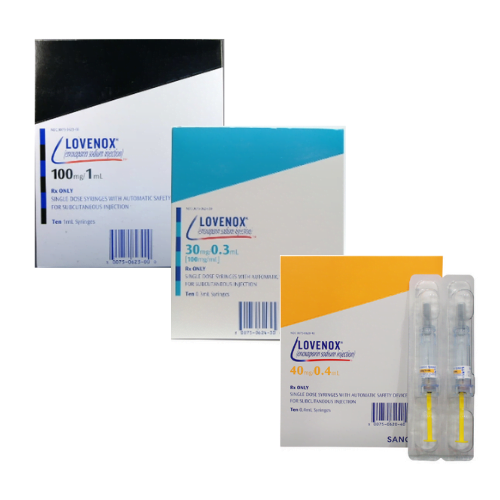
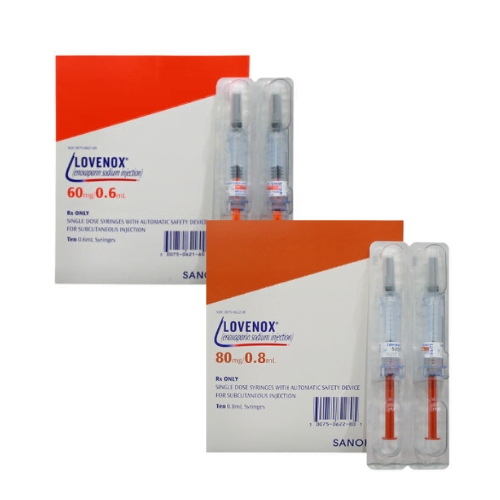
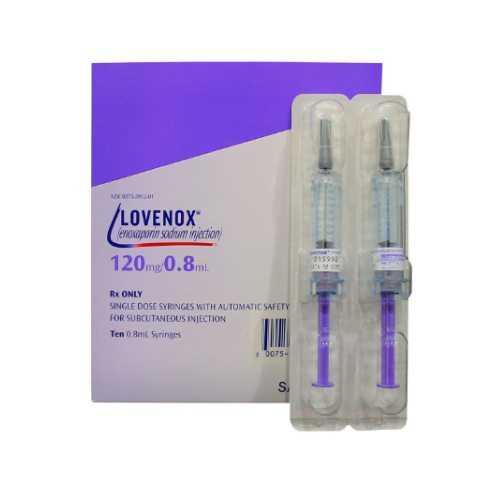
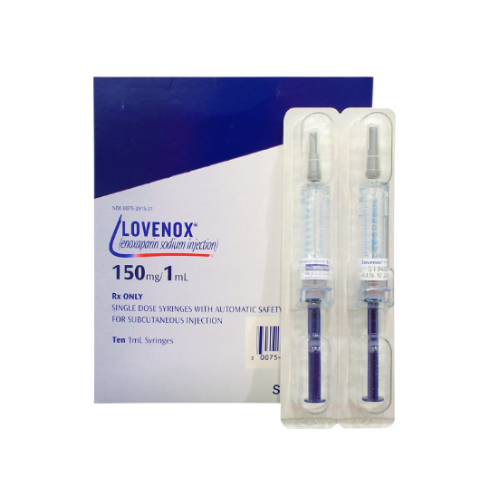
Lovenox Injections
Buy Lovenox Injections Online
Secure Encrypted Payments
Lovenox Injections contain enoxaparin sodium, an injectable anticoagulant used to help prevent and treat harmful blood clots. You can buy Lovenox Injections online, view the current Lovenox injection price during checkout, and choose the dose or strength shown for the product to match your clinician’s directions. Orders are supplied through licensed pharmacies, with US delivery from Canada available for U.S. customers.
Enoxaparin is a low molecular weight heparin. It lowers clotting activity in the blood, mainly by enhancing antithrombin activity against Factor Xa. This helps reduce the chance that a clot will form, grow, or move to the lungs, heart, or other critical areas.
Price, Strength Selection, and Ordering
The total cost of Lovenox shots depends on the strength, quantity, and supply duration selected when you order. Customers often compare the enoxaparin injection cost by looking at the number of syringes needed for the full course, the dose schedule, and refill frequency. Current pricing is shown before checkout so you can review the out-of-pocket total before completing the order.
Commonly used presentations include 40 mg/0.4 mL and 80 mg/0.8 mL prefilled syringes, although supply can vary by source and pack type. Choose the strength displayed during ordering that matches the directions from your care team. Do not switch between strengths, split doses, or change injection timing unless your clinician tells you to do so.
Many people search for enoxaparin sodium 40 mg, enoxaparin sodium 40mg 0.4 mL, or enoxaparin sodium injection 80 mg 0.8 mL because the prescribed strength affects the number of syringes needed. If your dose changes after surgery, hospitalization, pregnancy care, or clot treatment, confirm the updated plan before placing another order.
Quick tip: Keep the product carton and pharmacy label together so dose, strength, and refill details are easy to confirm.
What Lovenox Is Used For
Lovenox is used to help prevent deep vein thrombosis, often called DVT, and pulmonary embolism, often called PE, in people at increased clot risk. These clots can occur after certain surgeries, during periods of limited movement, or during medical illness. For condition context, see our information on blood clot DVT and PE.
Enoxaparin may also be used in treatment plans for certain heart-related clotting conditions, including acute coronary syndromes and heart attack care, when directed by a clinician. It may be combined with other heart medicines in specific situations. Related condition information is available for acute coronary syndrome and heart attack.
This injectable blood thinner does not dissolve clots instantly. Instead, it reduces further clotting so the body can manage the clot over time. The length of treatment varies by reason for use, clot location, procedure type, kidney function, body weight, and bleeding risk.
How Enoxaparin Sodium Injections Work
Enoxaparin belongs to a class called low molecular weight heparins. These medicines increase the effect of antithrombin, a natural protein that slows clotting. The main effect is reduced Factor Xa activity, which helps interrupt the clotting cascade.
Because enoxaparin has predictable activity in many adults, it is often given as a subcutaneous injection rather than a continuous intravenous infusion. Subcutaneous means the medicine is injected into the fatty layer under the skin. This makes home use possible for many people after proper training.
Lovenox is different from warfarin and many direct oral anticoagulants because it is injected and has different monitoring and timing considerations. In some procedure-related settings, clinicians may choose an injectable anticoagulant because its timing can be managed around surgery or hospital care.
How to Use the Prefilled Syringe
Lovenox injection syringes are intended for subcutaneous use. Many care teams teach abdominal injection because the belly often has an accessible fatty layer and is easier for consistent site rotation. Do not inject into muscle, and do not rub the area after the injection because rubbing can worsen bruising.
General administration steps commonly include:
- Wash and dry your hands before handling the syringe.
- Inspect the solution and do not use it if it has particles or discoloration.
- Choose an abdominal site away from the navel, scars, bruises, or irritated skin.
- Rotate sites to reduce soreness and skin changes.
- Do not expel the small air bubble from a prefilled syringe unless instructed otherwise by a healthcare professional.
- Pinch a fold of skin and insert the needle as shown during training.
- Press the plunger steadily, remove the needle, and avoid rubbing the site.
- Place the used syringe directly into an approved sharps container.
If a caregiver gives the injection, that person should also be trained in site choice, hand hygiene, needle safety, and disposal. Ask your clinic or pharmacy for a technique review if bruising increases, injections become painful, or you are unsure whether the full dose was delivered.
Missed Dose and Timing Basics
Take a missed dose when remembered on the same day unless it is close to the next scheduled time. Do not inject extra medication to make up for a missed dose. If more than one dose is missed, or if the timing is unclear, contact a healthcare professional for individualized guidance.
Daily routines can make self-injection easier. Many people use a phone reminder, written calendar, or medication log to track each syringe. Recording the injection site can also help you rotate areas and avoid repeatedly using the same spot.
Timing may need special planning around dental work, surgery, spinal procedures, epidural anesthesia, or medical tests. Always tell every healthcare professional involved in your care that you use enoxaparin, especially before procedures that may increase bleeding risk.
Storage, Travel, and Sharps Disposal
Store Lovenox syringes at room temperature within the range listed on the product label. Keep syringes in the original carton, away from excess moisture, direct light, children, and pets. Do not freeze the syringes, and do not use a syringe that appears damaged or has an altered solution.
When traveling, carry syringes with the pharmacy label and keep them in hand luggage rather than checked baggage. Pack enough supplies for the expected trip plus a reasonable buffer if your care team recommends one. A puncture-resistant sharps container or travel sharps container helps keep used needles away from other belongings.
After each injection, place the needle and syringe into a sharps container immediately. Do not recap a needle unless you were specifically trained to do so. Follow local rules for disposal; many communities, pharmacies, or clinics provide instructions for safe drop-off or sealed-container disposal.
Side Effects, Warnings, and Monitoring
Lovenox is effective for many anticoagulation plans, but it is a high-alert medicine because too much anticoagulation can cause serious bleeding. Common side effects include bruising, pain, redness, or a small lump at the injection site. Mild nosebleeds, gum bleeding, headache, nausea, fatigue, or anemia on lab tests may also occur.
Seek urgent medical help for signs of major bleeding. Warning signs include black or bloody stools, vomiting blood, coughing blood, red or brown urine, severe headache, dizziness, fainting, sudden weakness, unusual back pain, or bleeding that will not stop. New numbness, tingling, or leg weakness after spinal or epidural procedures needs urgent evaluation.
Some people should generally avoid enoxaparin, including those with active major bleeding, a known allergy to heparin or enoxaparin, sensitivity to pork-derived products, or a history of heparin-induced thrombocytopenia. Heparin-induced thrombocytopenia, often called HIT, is an immune reaction that can lower platelets and increase clot risk.
Older adults, people with reduced kidney function, people with very low body weight, and pregnant patients may need closer assessment. Monitoring may include blood counts, kidney function tests, signs of bleeding, and in selected cases anti-factor Xa levels. For broader heart and clotting treatment context, our cardiovascular medicines category may help you understand related therapy areas.
Interactions and What to Avoid
Bleeding risk can increase when Lovenox is used with other anticoagulants, antiplatelet medicines, or drugs that irritate the stomach. Examples include aspirin, clopidogrel, ticagrelor, warfarin, direct oral anticoagulants, and nonsteroidal anti-inflammatory drugs such as ibuprofen or naproxen. Some antidepressants, including SSRIs and SNRIs, may also contribute to bleeding risk in certain people.
Tell your healthcare team about all medicines, vitamins, and herbal products you use. Ginkgo, high-dose garlic, and some other supplements may affect bleeding risk. Avoid starting or stopping medicines without professional guidance, especially if you recently had surgery, were hospitalized, or are being treated for a clot.
While using enoxaparin, avoid activities with a high risk of falls, cuts, or blunt injury unless your clinician says they are appropriate. Use a soft toothbrush, shave carefully, and limit alcohol misuse because it can increase injury and bleeding concerns. These steps do not replace medical care, but they can reduce avoidable risk during treatment.
What to Expect During Treatment
Injection-site bruising is common and often improves with consistent technique and site rotation. A small bruise does not always mean the medicine was used incorrectly. Large, spreading, painful, or unexplained bruises should be reported, especially if they appear with dizziness, weakness, or other bleeding symptoms.
The treatment course may be short after some surgeries or longer for an active clot. Some people transition from injections to an oral anticoagulant, while others continue injections for a defined period. The plan depends on the medical reason, bleeding risk, kidney function, other medicines, and follow-up findings.
Keep all follow-up appointments and lab tests recommended by your care team. Anticoagulant plans can change quickly after procedures, new diagnoses, or medication changes. If your directions change, match your next purchase to the updated strength and quantity.
Alternatives and Related Choices
Other low molecular weight heparin products may be considered when a clinician allows substitution or when a specific supply is needed. Canadian-sourced options may include related enoxaparin products such as Inhixa injections, depending on availability and professional direction. Product names, packaging, and country-of-origin details may differ between markets.
Some patients use other anticoagulants, such as unfractionated heparin, fondaparinux, warfarin, or direct oral anticoagulants, depending on the condition and clinical setting. These medicines are not interchangeable without medical direction. Differences include route of use, monitoring needs, kidney considerations, procedure timing, and reversal planning.
For heart-related clot risk education, our cardiovascular article category includes additional context on cardiovascular health topics. If you are reviewing Canadian sourcing, our Canada country-of-origin information explains how products may be identified by source.
Questions to Discuss With Your Healthcare Professional
Before starting or refilling Lovenox, clarify the practical details that affect safe use. Your answers can also help you choose the correct strength and quantity when ordering.
- Is this for clot prevention, clot treatment, or heart-related anticoagulation?
- How long should I expect to use the injections?
- Which strength and syringe quantity should I purchase?
- What should I do if I miss a dose?
- Which bleeding symptoms require urgent care?
- Should I avoid aspirin, NSAIDs, supplements, or alcohol?
- Do I need blood counts, kidney tests, or anti-factor Xa monitoring?
- How should injections be timed around procedures or dental work?
- What sharps disposal method is acceptable in my community?
Authoritative Sources
Official prescribing information
Manufacturer healthcare professional information
This content is for informational purposes only and is not a substitute for professional medical advice.
Research & Education Tool
Lovenox Injections Dosage Calculator
Enter the vial amount, diluent volume, and target amount to estimate concentration, draw volume on a 1 mL U-100 syringe, and approximate vial yield.
For research and educational use only. Check all values against the product label, certificate of analysis, and any applicable professional guidance before relying on the result.
mg
Concentration
-
mcg / mL
Volume per Dose
-
-
Estimated Draws / Vial
-
rounded down to whole draws
Draw Reference
Enter values to estimate the syringe mark.
0
-
-
-
-
eGFR Calculator
Estimate kidney filtration using the 2021 CKD-EPI creatinine equation.
eGFR
-
mL/min/1.73 m2
G category
-
requires clinical context
These calculations are for education only and do not replace clinical advice, diagnosis, or treatment. Always confirm medical decisions with a qualified healthcare professional.
Creatinine Clearance Calculator
Estimate creatinine clearance using the Cockcroft-Gault equation.
CrCl
-
mL/min estimate
These calculations are for education only and do not replace clinical advice, diagnosis, or treatment. Always confirm medical decisions with a qualified healthcare professional.
Ideal & Adjusted Body Weight Calculator
Estimate ideal body weight with the Devine equation and adjusted body weight when actual weight is above the estimate.
Ideal body weight
-
Devine equation
Adjusted body weight
-
IBW + 0.4 x excess weight
Difference from IBW
-
actual minus ideal
These calculations are for education only and do not replace clinical advice, diagnosis, or treatment. Always confirm medical decisions with a qualified healthcare professional.
Express Shipping - from $29.99
Shipping with this method takes 3-5 days
Prices:
- Dry-Packed Products $29.99
- Cold-Packed Products $39.99
Shipping Countries:
- United States (all contiguous states**)
- Worldwide (excludes some countries***)
Standard Shipping - $19.99
Shipping with this method takes 5-10 days
Prices:
- Dry-Packed Products $19.99
- Not available for Cold-Packed products
Shipping Countries:
- United States (all contiguous states**)
- Worldwide (excludes some countries***)
What is Lovenox injection used for?
Lovenox contains enoxaparin sodium, an injectable anticoagulant used to help prevent and treat harmful blood clots such as deep vein thrombosis and pulmonary embolism. It may also be used in certain heart-related clotting situations under professional direction.
Why is Lovenox often injected in the belly?
The abdomen usually has enough fatty tissue for a subcutaneous injection, which means the medicine goes under the skin rather than into muscle. Rotating belly injection sites can help reduce irritation and bruising.
Is Lovenox a high-risk medication?
Yes. Anticoagulants such as Lovenox can cause serious bleeding if the dose, timing, interactions, or procedure planning are not managed carefully. Seek urgent help for black stools, vomiting blood, severe headache, sudden weakness, or bleeding that will not stop.
What should I avoid while using Lovenox?
Avoid changing doses, rubbing injection sites, reusing syringes, or taking additional blood-thinning medicines unless a healthcare professional directs you. Ask before using NSAIDs such as ibuprofen or naproxen, aspirin, supplements that may affect bleeding, or alcohol heavily.
How should Lovenox syringes be stored?
Store the syringes at room temperature within the range on the product label. Keep them in the original carton, away from moisture, light, children, and pets, and do not freeze them.
What affects the cost of enoxaparin sodium injections?
The cost depends on the strength, quantity, and supply duration selected when ordering. The number of syringes needed for the treatment plan also affects the total out-of-pocket amount.
Rewards Program
Earn points on birthdays, product orders, reviews, friend referrals, and more! Enjoy your medication at unparalleled discounts while reaping rewards for every step you take with us.
You can read more about rewards here.
POINT VALUE
How to earn points
- 1Create an account and start earning.
- 2Earn points every time you shop or perform certain actions.
- 3Redeem points for exclusive discounts.
You Might Also Like
Select options
This product has multiple variants. The options may be chosen on the product page
Select options
This product has multiple variants. The options may be chosen on the product page
Select options
This product has multiple variants. The options may be chosen on the product page
Select options
This product has multiple variants. The options may be chosen on the product page