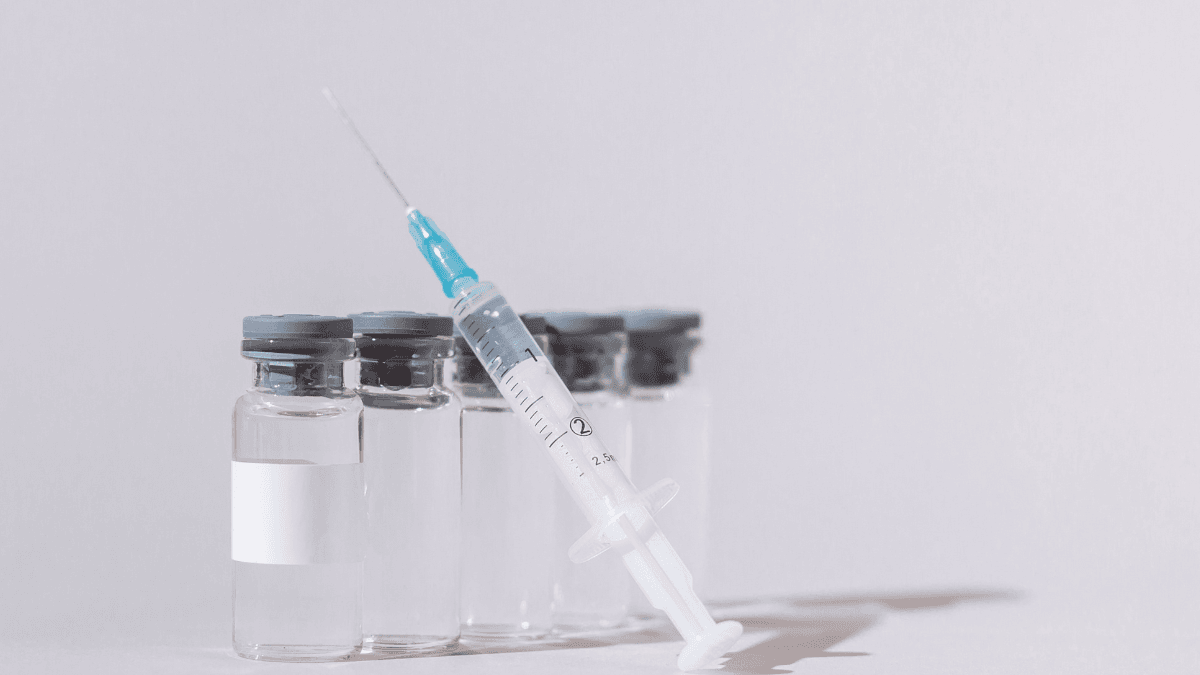
Peptides injections are shots that deliver peptide-based compounds into the body, often for a specific medical, performance, cosmetic, or wellness-related goal. Some peptide-based drugs are approved medicines with defined uses. Many trending peptide products are not approved for the claims attached to them. That difference matters because safety, product quality, legal access, and follow-up can vary widely.
If you are considering an injectable peptide, start with the exact compound name. Then ask whether it is approved for your situation, who will monitor you, and where the product comes from. A before-and-after photo cannot answer those questions.
Key Takeaways
- Peptides are not one thing: Some are prescription medicines, while others are supplements, cosmetics, or research chemicals.
- Benefits are compound-specific: Weight loss, muscle growth, skin, and recovery claims should not be grouped together.
- Injection adds risk: Sterility, dose accuracy, storage, and injection-site problems all matter.
- Safety needs context: Pregnancy, autoimmune disease, diabetes, kidney disease, and interacting medicines can change risk.
- Access should be traceable: Prescription products need evaluation, documentation, pharmacy oversight, and follow-up.
What Peptide Injections Are, in Plain Language
Peptides are short chains of amino acids, the building blocks of proteins. The body uses many natural peptides as chemical signals. Some influence appetite, blood sugar, hormones, immune activity, inflammation pathways, or tissue-repair processes.
A peptide-based medicine is different from a wellness product that happens to use the word peptide. Insulin, several GLP-1 receptor agonists, and other prescription drugs are peptide-based or peptide-like therapies with formal labeling. Other compounds promoted as peptide therapy may have limited human evidence or may be sold outside regulated medical channels.
Injections are common because many peptides break down in the digestive tract. A shot can bypass some of that breakdown. That does not make an injectable product automatically stronger, safer, or more appropriate. It only changes how the compound enters the body.
People often ask what peptide injections are good for. The honest answer is compound-specific. One peptide may have a regulated medical use. Another may only have early research. A third may be promoted mainly through social media or wellness marketing.
Why it matters: A peptide name alone does not prove benefit, quality, or safety.
Common Reasons People Consider Peptides Injections
Most interest in peptides injections comes from a few high-visibility goals: weight management, muscle growth, fat loss, skin appearance, recovery, and general anti-aging claims. These goals are understandable. Many people feel frustrated by slow progress, pain, fatigue, or body changes that affect confidence.
Weight loss and metabolism claims
Searches for peptide injections for weight loss often mix different categories together. Some approved weight-management medicines act through hormone pathways and have prescribing rules. Other peptides advertised for metabolism may not have the same level of evidence, oversight, or labeling.
If weight is part of the discussion, a clinician may also consider blood pressure, A1C, cholesterol, current medicines, sleep, eating patterns, pregnancy plans, and mental health history. BMI can be one screening measure, but it does not diagnose health status by itself.
Oral peptides for weight loss and peptide supplements for weight loss add another layer. Many peptides are broken down during digestion, though some specific medicines use special formulations. Supplements should not be assumed to work like prescription injectable medicines.
Muscle, repair, and performance claims
Peptides for muscle growth and fat loss are often discussed in bodybuilding and performance spaces. These conversations can be difficult to interpret because training, nutrition, hydration, lighting, injury recovery, and other substances may all affect visible results.
Peptides for muscle growth before and after stories rarely show baseline labs, medication lists, training plans, adverse effects, or long-term follow-up. That does not make every story false. It means the story is incomplete.
For people focused on recovery or performance, basics still matter. Sleep, protein intake, progressive training, rehabilitation, and medical evaluation for pain or fatigue often shape outcomes more reliably than an add-on product. For a deeper safety-focused companion piece, see Are Peptides Safe.
Skin, cosmetic, and GHK-Cu discussions
GHK-Cu is a copper-binding peptide discussed in skin and tissue biology. GHK-Cu peptide benefits should be evaluated separately from topical cosmetic use, prescription medicine, and injectable wellness marketing. A claim about skin biology does not automatically support a cosmetic injection claim.
GHK-Cu peptide injection before and after posts can be especially misleading. Photos may not show skincare changes, procedures, lighting, filters, sun exposure, or other products used at the same time. GHK-Cu peptide injection side effects may also be underreported in social posts.
Are Peptides Safe? The Real Answer Depends
Peptide safety depends on the exact compound, dose, route, source, health history, and monitoring plan. An approved medicine used under clinical supervision is very different from an unverified vial purchased for bodybuilding or cosmetic experimentation.
Common peptide injections side effects can include injection-site pain, redness, swelling, bruising, itching, nausea, headache, dizziness, or fatigue. Other effects depend on the compound. Some products may affect appetite, blood sugar, fluid balance, hormone pathways, or immune signaling.
Serious problems are less common but important. Allergic reaction to peptide injection can cause hives, swelling, wheezing, faintness, or trouble breathing. Infection can occur if a product, needle, syringe, skin surface, or storage process is not sterile. Contaminated or mislabeled products can create risks that are hard to predict.
Bodybuilding use deserves special caution. Peptides may be combined with anabolic steroids, stimulants, diuretics, growth-hormone-related products, or strict dieting. That makes side effects harder to trace. It can also increase strain on the heart, liver, kidneys, mood, sleep, and endocrine system. Men searching for peptide side effects should not assume risk is only about testosterone or gym performance.
Long-term effects are another gap. Approved medicines usually have label-based safety information, post-marketing surveillance, and monitoring expectations. Many wellness peptides do not have comparable long-term human data for the ways they are promoted. Unknown does not always mean dangerous, but it does mean uncertainty should be taken seriously.
People with lupus or another autoimmune disease should be especially careful. Immune-active conditions, steroid use, biologic medicines, infection risk, kidney involvement, pregnancy planning, and blood-clot history can all change the risk conversation.
Seek urgent medical care for trouble breathing, facial or throat swelling, fainting, chest pain, severe abdominal pain, confusion, a spreading rash, or signs of infection such as fever, worsening redness, warmth, pus, or severe injection-site pain.
How Access and Product Quality Differ
Access depends on what the product is. A regulated prescription medicine should have a clear clinical reason, a prescriber, labeled instructions, pharmacy dispensing, and follow-up. A compounded prescription product should still involve a licensed prescriber and pharmacy, but compounded drugs are not reviewed by the FDA for safety, effectiveness, or quality before marketing in the same way as approved drugs.
For peptides injections, access questions should start with product identity. Ask for the active ingredient, whether it is FDA-approved for the intended use, whether it is compounded, and what documentation supports the prescription. If a seller cannot clearly answer those questions, treat that as a warning sign.
| Product category | What it may mean | Question to ask |
|---|---|---|
| Approved prescription medicine | Reviewed for specific labeled uses and supplied through regulated channels. | Is this use on-label or off-label for my situation? |
| Compounded prescription product | Made for an individual prescription when appropriate, but not FDA-approved as a finished product. | Why is compounding being used, and who monitors quality? |
| Supplement or cosmetic product | Marketed under different rules from prescription medicines. | Is it meant to be swallowed, applied to skin, or injected? |
| Research chemical | May not be intended for human use, even if promoted informally. | Is there legitimate clinical oversight? |
If a prescription medicine is considered through BorderFreeHealth, required prescription details are verified with the prescriber before pharmacy dispensing when required. Cash-pay cross-border prescription options may be available for patients without insurance, subject to eligibility and jurisdiction.
Preparation math is another reason to avoid casual use. Vial amount, water volume, concentration, and draw volume can be confused if instructions are unclear. The calculator below is a general math aid for reconstitution-style calculations; it does not confirm a dose, product quality, or medical suitability.
Research & Education Tool
Peptide Dosage Calculator
Enter the vial amount, diluent volume, and target amount to estimate concentration, draw volume on a 1 mL U-100 syringe, and approximate vial yield.
For research and educational use only. Check all values against the product label, certificate of analysis, and any applicable professional guidance before relying on the result.
mg
Draw Reference
Enter values to estimate the syringe mark.
Quick tip: Keep the box, label, lot number, and instructions for any prescribed injectable product.
What Before-and-After Claims Leave Out
Peptide injections before and after claims often tell a simple story. The missing details matter more than the image. A photo does not show whether someone changed their diet, started resistance training, stopped drinking alcohol, began another medication, recovered from an injury, or used several substances at once.
Negative outcomes are also less visible. People rarely post photos of injection-site infections, nausea, mood changes, abnormal labs, or money spent on products that did not help. They may also omit whether a clinician reviewed their medical history.
Use this filter before accepting a claim:
- Exact peptide: The active ingredient should be named.
- Regulatory status: Approval and intended use should be clear.
- Clinical context: Health history and medications should be considered.
- Monitoring plan: Follow-up and lab checks should be defined.
- Source quality: Pharmacy or manufacturer oversight should be traceable.
One common question is whether Ozempic is a peptide shot. Semaglutide, the active ingredient in Ozempic, is a GLP-1 receptor agonist and is peptide-like in structure. It is a prescription medicine with labeled uses and safety information. That does not mean every product called a peptide has the same evidence, manufacturing oversight, or medical role.
Questions to Ask Before Starting
A good conversation about injectable peptides should be specific, documented, and cautious. Bring the exact product name, where you found it, your goal, your medical conditions, current medicines, allergies, and any previous reactions to injections.
Consider asking a clinician or pharmacist these questions:
- Purpose: What health goal is this meant to address?
- Evidence: What human data support this use?
- Status: Is it approved, compounded, off-label, or unapproved?
- Risks: Which side effects matter most for me?
- Technique: Who will teach safe injection and disposal steps?
- Monitoring: What symptoms or labs should be watched?
- Alternatives: What non-injectable options should I compare?
Questions about injection location should also go to the prescriber or pharmacist. The safest site and technique depend on the product, route, needle type, body area, skin condition, and training provided. Do not rely on a generic social media diagram for a medical injection.
Preventive care belongs in the same discussion. Fatigue, low strength, weight change, or slow recovery can have many causes, including sleep problems, anemia, thyroid disease, depression, medication effects, or chronic illness. Routine evaluation can uncover issues that a peptide would not fix.
Where Peptide Therapy Fits in Care
Peptide therapy may fit care when the compound is appropriate, the goal is clear, and the risks are monitored. It does not fit well when the product source is unclear, the claim sounds like a cure-all, or the plan relies on social media results instead of clinical judgment.
For weight, recovery, skin, or performance goals, compare the peptide conversation with lower-risk fundamentals. Nutrition, physical activity, sleep, rehabilitation, medication review, and condition-specific treatment may be more appropriate first steps. It is also reasonable to wait, ask for a second opinion, or choose a better-studied option.
Cost is another practical issue, but it should not be the first safety filter. Peptide injections cost can vary based on the compound, whether it is prescribed, pharmacy source, follow-up needs, and monitoring. A lower upfront cost is not reassuring if the product is unverified or the plan lacks clinical oversight.
The main next step is simple: identify the exact peptide and discuss it with a qualified clinician who understands your health history. The goal is not to dismiss your interest. It is to make sure the decision is based on evidence, product quality, and personal risk.
Authoritative Sources
- FDA compounding questions and answers explain how compounded drugs differ from approved drugs.
- American Medical Association patient guidance covers safety questions around injectable peptides.
- FDA guidance on buying medicine online outlines risks of unsafe medicine sources.
This content is for informational purposes only and is not a substitute for professional medical advice.