

Please note: a valid prescription is required for all prescription medication.
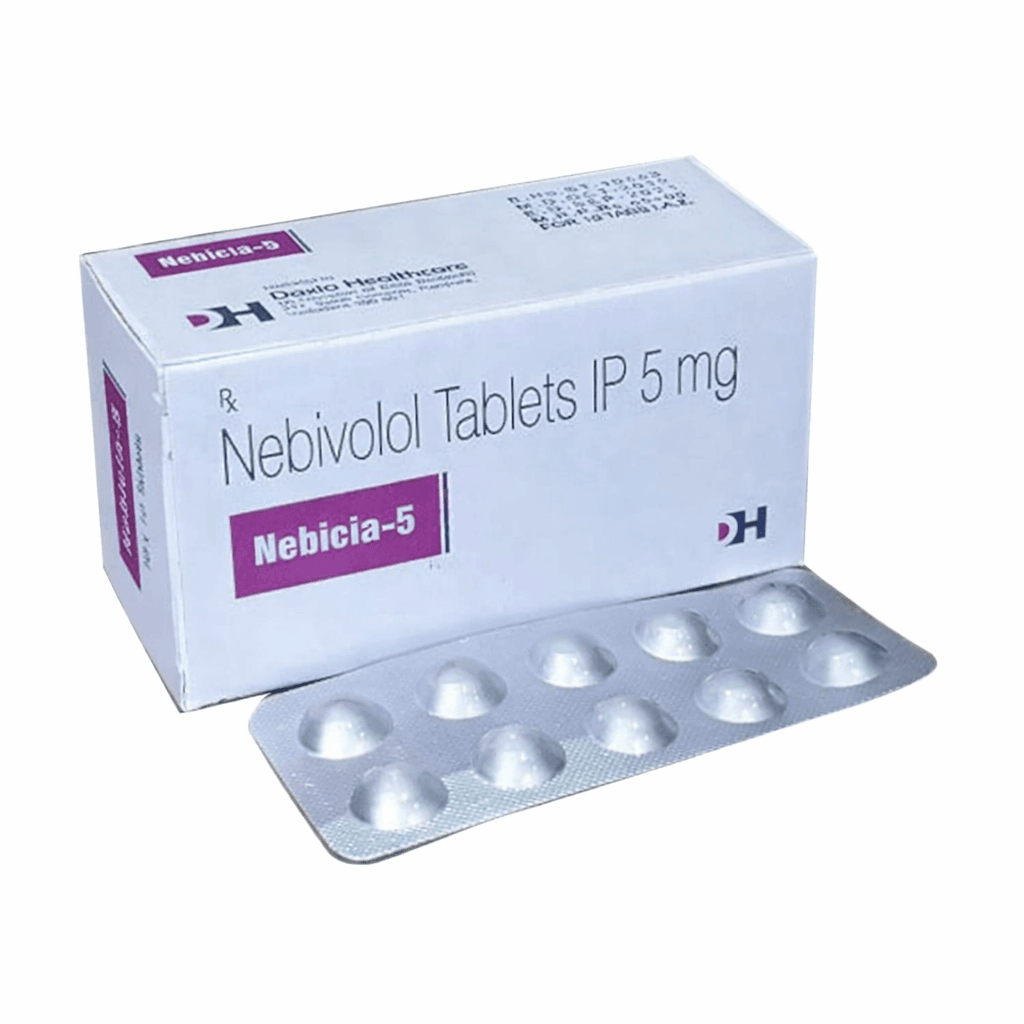
Nebivolol
Nebivolol: Buy With Prescription Guidance and Safety
Price:
$49.99
Secure Encrypted Payments
Nebivolol is a prescription beta blocker (heart-rate–slowing medicine) used to help manage high blood pressure and protect the heart over time. This page summarizes how the medication works, what typical dosing directions look like, and what to know about side effects, interactions, storage, and travel. It also explains practical access steps on our platform, including common cash-pay pathways for people who are without insurance. US shipping from Canada is available for eligible prescriptions through our cross-border partner network, with dispensing based on verified orders.
What Nebivolol Is and How It Works
This treatment belongs to a group of medicines called beta blockers, which reduce the effects of stress hormones on the heart. It can slow the heart rate and lower the force of contraction, which may reduce blood pressure and decrease strain on the cardiovascular system. Some formulations of this drug are also associated with vasodilation (blood-vessel widening) through effects on nitric oxide pathways, which can further support blood pressure control.
Dispensing is handled by licensed Canadian partner pharmacies. The medicine is generally used as part of a long-term plan for hypertension, alongside diet, activity, and other therapies when needed. Because beta blockers affect heart rhythm and blood pressure, changes should be guided by the prescriber rather than stopped abruptly. Ships from Canada to US may be offered once a valid prescription is confirmed and ready for fulfillment.
Who It’s For
Nebivolol is commonly prescribed for adults with hypertension, especially when a beta blocker fits the overall cardiac risk profile. It may be considered when a person also has a fast resting pulse or other reasons to benefit from heart-rate control. For background on the condition and how it is defined, browse the Hypertension Overview hub or read What Is Hypertension.
This medication is not appropriate for everyone. Clinicians often avoid beta blockers in certain situations, such as some serious conduction problems (electrical-signal issues) in the heart, very slow heart rate, or unstable/worsening heart failure. Caution may also apply in asthma or COPD (chronic lung disease), diabetes (because symptoms of low blood sugar can be masked), thyroid disease, and severe circulation problems. For a broader view of treatment options across categories, see Understanding High Blood Pressure.
Dosage and Usage
Nebivolol is typically taken by mouth once daily, and many labels allow dosing with or without food. Directions may emphasize taking it at a consistent time each day to support steady blood levels and routine blood pressure tracking. Prescriptions are confirmed with the prescriber before dispensing. If a dose is missed, common label guidance is to take it when remembered unless it is close to the next dose; doubling up is generally discouraged unless a prescriber directs otherwise.
Because beta blockers can lower heart rate and blood pressure, clinicians may start with a lower dose and adjust based on response and tolerability. People are often advised to keep a log of home readings, especially when therapy is started or changed. For context on how this medicine fits into larger treatment plans, the Blood Pressure Medications guide can be a helpful overview.
Quick tip: Keep an updated medication list in your phone and wallet for emergency care.
Strengths and Forms
Nebivolol tablets are commonly available as oral tablets in several strengths, and the exact selection can differ by manufacturer and pharmacy channel. The active ingredient may be listed as the nebivolol generic name on the label, and some people recognize it as the active ingredient in Bystolic nebivolol products. Availability may vary, including which tablet markings or packaging types are offered.
The strengths below reflect common tablet presentations referenced in many prescribing contexts. Final dispensing depends on the prescription and what the partner pharmacy can supply at the time of fulfillment.
| Form | Strength | Notes |
|---|---|---|
| Oral tablet | nebivolol 5 mg tablet | Often used as a starting or maintenance option |
| Oral tablet | nebivolol 10 mg | May be used when dose escalation is needed |
| Oral tablet | nebivolol 20 mg | Used in some maintenance regimens when appropriate |
Storage and Travel Basics
Store nebivolol tablets at room temperature, away from excess heat, moisture, and direct sunlight. Keep the medicine in its original container when possible, with the pharmacy label intact, and close the cap tightly after each use. Bathrooms and kitchens can be humid, so a drier cabinet is often preferred. If the medication arrives in blister packaging, leave tablets sealed until it is time to take a dose.
For travel, carry the prescription container in a personal bag rather than checked luggage to reduce temperature swings and loss risk. Bring a few extra doses in case of delays, and keep a copy of the prescription or a medication list. If crossing time zones, many people maintain the same interval between doses; a prescriber or pharmacist can clarify safe scheduling when routines change.
Side Effects and Safety
Nebivolol side effects often relate to its effect on heart rate and circulation. Some people report fatigue, dizziness, headache, or gastrointestinal discomfort, especially early in treatment or after a dose increase. Cold hands or feet can occur in susceptible individuals because of reduced peripheral blood flow. Sexual side effects and sleep changes are also reported with some beta blockers, though experiences vary widely.
Serious reactions are less common but deserve prompt medical attention. These can include fainting, very slow heartbeat, new or worsening shortness of breath, swelling of the legs, sudden weight gain, chest pain, or signs of an allergic reaction. Extra caution is often needed if a person has asthma/COPD, because bronchospasm (airway tightening) can occur with beta blockers in some cases. Nebivolol 10 mg side effects may be more noticeable in some people after dose increases, so monitoring plans should be discussed with a clinician.
Why it matters: Symptoms like fainting or severe shortness of breath can signal urgent problems.
Drug Interactions and Cautions
Nebivolol can interact with other medicines that lower heart rate or affect cardiac conduction. Examples include certain calcium channel blockers (such as verapamil or diltiazem), digoxin, and some antiarrhythmics. Combining multiple blood pressure agents can be appropriate, but it can also increase the chance of low blood pressure or dizziness. Clinicians may recommend added monitoring when therapies are started, stopped, or adjusted.
Some antidepressants and other medicines that inhibit CYP2D6 (a drug-metabolizing enzyme) can increase beta blocker exposure in the body, which may increase side effects. Diabetes medicines require special attention because beta blockers can mask warning signs of hypoglycemia (low blood sugar), like a fast heartbeat. Before surgery or procedures, anesthesia teams should be told about beta blocker use so they can plan around possible blood pressure and pulse effects.
Compare With Alternatives
When a beta blocker is needed, clinicians may weigh factors like resting heart rate, other heart conditions, kidney and liver function, and co-existing lung disease. Some people are familiar with Bystolic 5 mg or Bystolic 10 mg; those products use the same active ingredient as nebivolol medication, while other beta blockers use different active ingredients. For background reading about the brand, see What Is Bystolic and the related overview of Bystolic Side Effects.
Other options in the same class include atenolol, metoprolol, carvedilol, and bisoprolol, among others. These medicines differ in selectivity, dosing schedules, and how they are used alongside other therapies. For site visitors comparing product entries, the Bystolic Details page and Atenolol Details page list additional basics, while broader browsing is available in the Cardiovascular Category and Cardiovascular Articles hub.
Pricing and Access
Nebivolol cost can vary based on strength, quantity, and whether the prescription is filled as a brand or as a nebivolol generic. Many people compare nebivolol price and nebivolol generic price when deciding what to discuss with a prescriber, especially if they are without insurance or have limited coverage. Cash-pay access can help when insurance is limited.
BorderFreeHealth supports cross-border prescription access by coordinating with Canadian dispensing partners and confirming prescriptions before the fill is completed. If site visitors are exploring eligibility programs or site-wide savings options, Promotions And Programs summarizes current, non-guaranteed offers that may apply to select medications. Final medication selection and dosing remain decisions between the patient and the prescriber, based on the official label and clinical judgment.
Authoritative Sources
For the most accurate and up-to-date prescribing details, rely on official labeling and trusted public health references. These sources can help confirm contraindications, interaction categories, and warnings that may not be obvious from a bottle label. They are also useful when preparing questions for a clinician or pharmacist.
- For consumer-focused medication basics, see MedlinePlus: Nebivolol.
- For examples of U.S. prescribing information, consult DailyMed listings for nebivolol products.
If you choose to proceed through the site, submit prescription details and select prompt, express shipping during checkout.
This content is for informational purposes only and is not a substitute for professional medical advice.
Express Shipping - from $25.00
Shipping with this method takes 3-5 days
Prices:
- Dry-Packed Products $25.00
- Cold-Packed Products $35.00
Shipping Countries:
- United States (all contiguous states**)
- Worldwide (excludes some countries***)
Standard Shipping - $15.00
Shipping with this method takes 5-10 days
Prices:
- Dry-Packed Products $15.00
- Not available for Cold-Packed products
Shipping Countries:
- United States (all contiguous states**)
- Worldwide (excludes some countries***)
What is Nebivolol used for?
Nebivolol is commonly used to treat hypertension (high blood pressure). It belongs to the beta blocker class, which can reduce heart rate and the heart’s workload, helping lower blood pressure over time. Some beta blockers, including nebivolol, may also support blood-vessel relaxation through nitric-oxide pathways. Clinicians choose it based on the overall cardiovascular picture, other medical conditions, and how a person tolerates therapy. The official labeling and the prescriber’s directions are the best reference for the intended use in an individual case.
Is nebivolol the same as Bystolic?
Bystolic is a brand name product whose active ingredient is nebivolol. In other words, nebivolol is the generic name, and Bystolic is one branded formulation that contains the same medication. Differences between brand and generic products can include manufacturer, tablet appearance, and inactive ingredients, while the active drug is intended to be equivalent. A prescriber may write a prescription that allows substitution or specifies a particular product. A pharmacist can explain what was dispensed and whether substitutions are permitted under the prescription.
How is nebivolol usually taken?
Nebivolol is typically taken by mouth once daily, and many directions allow taking it with or without food. Prescribers may start with a lower dose and adjust based on blood pressure response and side effects. Because beta blockers affect heart rate, some people are advised to monitor pulse and blood pressure when starting or changing doses. If a dose is missed, labeling often advises taking it when remembered unless it is close to the next dose. Individual instructions can differ, so the prescription label should be followed.
What are common and serious nebivolol side effects?
Common nebivolol side effects can include tiredness, dizziness, headache, and slower heart rate. Some people notice cold hands or feet, mild stomach upset, or sleep changes. Serious reactions are less common but require urgent medical attention, such as fainting, severe lightheadedness, very slow heartbeat, chest pain, swelling of the legs, or worsening shortness of breath. People with asthma or COPD may need extra caution because beta blockers can trigger breathing symptoms in some cases. Any new or rapidly worsening symptoms should be discussed promptly with a healthcare professional.
How should blood pressure and pulse be monitored on a beta blocker?
Monitoring plans vary, but many clinicians recommend tracking home blood pressure and pulse when a beta blocker is started or adjusted. Readings are usually taken at the same time each day, after resting quietly for several minutes, and recorded with the date and time. Symptoms matter, too—unusual fatigue, dizziness, fainting, or shortness of breath can be as important as the numbers. People with arrhythmias, heart failure, or other cardiac conditions may need closer follow-up. The prescriber can set thresholds for when to call the clinic or seek urgent care.
What should I ask my clinician before starting nebivolol?
Helpful questions include: whether a beta blocker is the right fit for the person’s specific health goals, what heart rate and blood pressure targets are expected, and which symptoms should prompt a call. It is also reasonable to ask about interactions with other medicines (including antidepressants, rate-lowering drugs, diabetes medications, and decongestants), and whether asthma/COPD changes the risk profile. Ask how to handle missed doses and whether tapering is needed if stopping. Bringing a complete medication and supplement list makes the discussion more accurate.
Rewards Program
Earn points on birthdays, product orders, reviews, friend referrals, and more! Enjoy your medication at unparalleled discounts while reaping rewards for every step you take with us.
You can read more about rewards here.
POINT VALUE
How to earn points
- 1Create an account and start earning.
- 2Earn points every time you shop or perform certain actions.
- 3Redeem points for exclusive discounts.
How to book an appointment
- 1Create Begin by completing a profile or log into your existing account. This step ensures we have the necessary information to provide you with a service that's tailored to your needs. account and start earning.
- 2Scheduling an appointment with our online booking system is easy. Pick a day and time that suits you. You’ll receive an immediate confirmation, without the wait.
- 3Discuss your concerns and symptoms and receive a thorough diagnosis from one of our licensed doctors during a confidential video appointment.
- 4If you've been prescribed medication, your Rx is sent directly to one of our licensed pharmacies and delivered right to your door.
Get Started
To book an online doctor appointment, register for an account or login. After doing so, you can book your visit on this page.
You Might Also Like
Select options
This product has multiple variants. The options may be chosen on the product page
Select options
This product has multiple variants. The options may be chosen on the product page
Select options
This product has multiple variants. The options may be chosen on the product page
Select options
This product has multiple variants. The options may be chosen on the product page