

Please note: a valid prescription is required for all prescription medication.

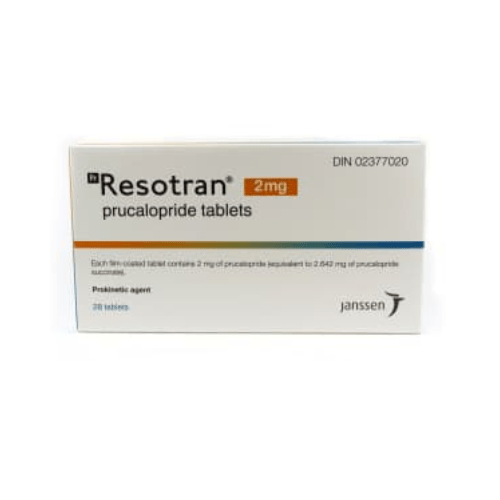
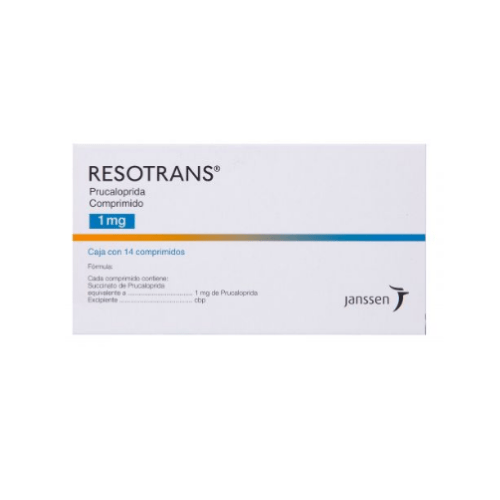
Resotran
Resotran (prucalopride) Tablets
Price:
Price range: $93.99 through $190.99
Secure Encrypted Payments
Resotran is a prescription medicine that contains prucalopride, used for certain types of chronic constipation in adults. This page explains how the treatment works, what dosing typically looks like, and key safety and storage basics so you can navigate next steps on BorderFreeHealth. Ships from Canada to US, with a cash-pay pathway that may help people access therapy without insurance.
Constipation can have many causes, including diet, medications, and gut motility issues. Because symptoms can overlap with other digestive conditions, it helps to understand what this medicine is designed to do, when it may not be appropriate, and what information to keep handy for a prescriber or pharmacist.
What Resotran Is and How It Works
Prescriptions are confirmed with the original prescriber before dispensing.
This medication’s generic name is prucalopride. It is a selective 5‑HT4 receptor agonist, which means it stimulates serotonin receptors in the gut that help coordinate bowel movement (motility). By supporting more regular colonic contractions, it may help increase spontaneous bowel movements in people whose constipation is linked to slow transit rather than blockage.
Prucalopride is not a laxative in the traditional sense, and it is not the same as stool softeners or stimulant laxatives. It acts on gut signaling to support movement through the colon. Response can vary, and persistent constipation can still require evaluation for contributing factors like medications, thyroid disease, pelvic floor dysfunction, or an undiagnosed obstruction.
Why it matters: A pro-motility therapy works differently than fiber or laxatives.
For a deeper, plain-language overview, see What To Expect.
Who It’s For
This therapy is generally used for adults with chronic idiopathic constipation (long-lasting constipation without a clear, correctable cause) when other measures have not provided enough relief. Clinicians may consider it when symptoms have been present for months and quality of life is affected, especially when there is evidence of slow bowel transit.
It is not appropriate for everyone. Many labels for prucalopride list contraindications related to conditions where stimulating bowel movement could be unsafe, such as intestinal perforation or obstruction, obstructive ileus, or certain severe inflammatory bowel conditions. People with severe kidney impairment may need different dosing or closer oversight because the drug is cleared primarily through the kidneys.
Symptoms can overlap with irritable bowel syndrome with constipation (IBS-C). If constipation comes with significant abdominal pain, bloating, or alternating diarrhea, a clinician may evaluate for IBS or other diagnoses. BorderFreeHealth also maintains browseable hubs such as Irritable Bowel Syndrome IBS and a broader Other Product Category list for related digestive therapies.
Seek urgent assessment for red flags like vomiting with abdominal swelling, blood in stool, unexplained weight loss, fever, or severe new pain, since these can signal conditions that require prompt medical care rather than a constipation medicine.
Dosage and Usage
Dosing is set by the prescriber and should follow the product label and the prescription directions. Prucalopride is commonly taken once daily, with or without food, and swallowed with water. Because consistent timing can support routine, many people take it at the same time each day.
Labeling in many regions describes 2 mg once daily as a typical adult dose, with 1 mg once daily used in certain populations (such as older adults or people with severe renal impairment). The prescribed regimen may differ based on medical history, kidney function, and how constipation has been assessed. Do not change the dose or add other constipation treatments without discussing it with a healthcare professional.
When starting Resotran, clinicians often review current bowel habits, other medications (including opioids or anticholinergics), and hydration status. That context helps interpret whether the therapy is helping or whether another approach is needed. If symptoms feel worse rather than better—especially severe diarrhea or new significant abdominal pain—medical review is important.
Practical note: a missed dose is typically handled by taking the next scheduled dose, not doubling up, but the prescription label instructions should be followed exactly.
Strengths and Forms
Prucalopride is supplied as oral tablets. Availability can vary by pharmacy and jurisdiction, but common strengths include 1 mg and 2 mg tablets. Packaging may be in blisters or other formats intended to protect tablets from moisture and handling.
| Form | Common strengths | Route |
|---|---|---|
| Tablet | 1 mg, 2 mg | Oral |
Tablets should be swallowed whole unless the label specifically allows splitting. If swallowing pills is difficult, a pharmacist can confirm whether a specific presentation can be safely modified; many tablets are film-coated and not meant to be crushed. If a different strength is needed, prescribers usually adjust by selecting an appropriate tablet strength rather than altering tablets at home.
Some people look for a “generic” option. Prucalopride is the nonproprietary (generic) name, and different manufacturers may be available depending on sourcing and local regulations.
Storage and Travel Basics
Store prucalopride tablets at room temperature, away from excess heat and moisture. Keep the medicine in its original packaging until use, and store it out of reach of children and pets. Avoid bathroom cabinets if humidity is high, since moisture can degrade many tablets over time.
When traveling, keep the medication in a carry-on bag to reduce temperature swings and prevent loss. Keeping the labeled package is also helpful if security personnel or clinicians need to identify the medicine quickly. If you use a pill organizer, consider carrying a photo of the prescription label or the printed pharmacy label for reference.
Quick tip: Keep tablets in the blister pack during travel days.
Dispose of expired or unused medication through a pharmacy take-back program when available. If a take-back option is not accessible, a pharmacist can explain safer disposal practices specific to your region.
Side Effects and Safety
Dispensing is handled by licensed Canadian partner pharmacies.
Like most prescription medicines, prucalopride can cause side effects. Commonly reported effects include headache, nausea, diarrhea, abdominal pain, dizziness, and fatigue. Some effects can be more noticeable when starting therapy and may lessen as the body adjusts, but persistent or severe symptoms should be reviewed by a clinician.
More serious concerns require prompt attention. Severe or persistent diarrhea can lead to dehydration, especially in older adults or people taking diuretics. Allergic reactions are uncommon but can occur; seek urgent care for swelling of the face or throat, trouble breathing, or widespread rash. New or worsening depression, mood changes, or suicidal thoughts should be treated as urgent symptoms and discussed immediately with a healthcare professional or emergency services.
Practical monitoring often focuses on bowel pattern changes, hydration, and overall wellbeing. If constipation suddenly worsens, or if there is severe pain, vomiting, or blood in stool, this may indicate something other than functional constipation. For additional context on tolerability, see Identifying Risks And Comfort.
Questions about weight sometimes come up in community discussions. Weight change is not typically the primary expected effect of a pro-motility agent, and shifts may relate to appetite, fluid balance, diet changes, or symptom relief. A balanced review is available in Weight Gain.
Drug Interactions and Cautions
Before starting any prucalopride product, clinicians and pharmacists review other medications and supplements to reduce interaction risk. While prucalopride has fewer metabolism-based interactions than many drugs, combining therapies that affect bowel habits can increase the chance of diarrhea, cramping, or dehydration. Examples include stimulant laxatives, magnesium products, or other agents that accelerate gut transit.
Kidney function is an important caution area because the medicine is primarily eliminated in urine. People with significant renal impairment may need lower dosing, and those on dialysis may be advised against use depending on the local label. Discuss pregnancy, breastfeeding, and any history of severe depression or suicidal ideation, since risk–benefit decisions may differ across individuals.
When abdominal symptoms are strongly linked to stress, sleep disruption, or anxiety, the treatment plan may include non-drug approaches alongside medication review. For broader context on symptom triggers, read Gut Brain Connection. If cramping is prominent, clinicians sometimes consider antispasmodics for IBS-related pain; a practical overview is in IBS Stomach Cramp Management.
If Resotran is used alongside other constipation therapies, a prescriber should define what to continue, what to stop, and what symptoms should prompt reassessment.
Compare With Alternatives
Constipation treatment often involves stepwise options, depending on cause and symptom pattern. Many care plans start with fiber, hydration, activity changes, and review of constipating medications. If those are not enough, clinicians may consider osmotic laxatives, stimulant laxatives, secretagogues (medicines that increase intestinal fluid), or pro-motility agents like prucalopride.
How alternatives differ in approach
Different prescription options target different mechanisms. Secretagogues such as linaclotide or plecanatide work by increasing fluid secretion into the intestine, which can soften stool and improve movement; these are often discussed in IBS-C contexts. Pro-motility agents act on gut signaling to encourage coordinated contractions. If constipation is related to opioid use, peripherally acting opioid antagonists may be considered to address opioid-induced constipation without reversing pain control. The “best” option depends on diagnosis, tolerability, and clinical history, so comparisons are usually made with the prescriber rather than by trial and error.
Within BorderFreeHealth’s catalog, related prescription options may include Constella Product Details and Trulance Product Details. These are not direct substitutes, and each has its own labeled indications, dosing, and safety considerations. A clinician can help match the mechanism to the constipation pattern and any overlapping IBS symptoms.
If a medicine seems “not working,” it may reflect the underlying cause, dose limitations, inconsistent use, or a condition like pelvic floor dyssynergia that needs a different strategy. Ongoing severe symptoms should trigger reassessment rather than simply adding more agents.
Pricing and Access
Cash-pay options can support access when insurance isn’t used.
Prescription costs can vary based on strength, quantity, and sourcing. If people are comparing the resotran price to other therapies, it helps to look at total monthly supply, whether refills are allowed, and any required follow-up monitoring that may affect overall care planning. BorderFreeHealth supports cash-pay access pathways for those who may not be using coverage, and a valid prescription is required for dispensing.
Operationally, the platform coordinates with licensed pharmacies and completes prescription validation steps before medication is released. For some orders, US shipping from Canada is part of the fulfillment pathway, and documentation requirements may apply. If a prescriber is unfamiliar with current market status, this overview may help frame the conversation: Available In US Market.
When available, cost-lowering opportunities are listed on Current Promotions. Eligibility and terms can vary, and they do not replace clinical review of whether the medicine is appropriate.
Authoritative Sources
For the most reliable details, use official labeling and regulator-backed references. These sources outline indications, contraindications, dosing adjustments (including renal impairment considerations), and safety warnings, and they are updated when new evidence changes prescribing information.
If there is a mismatch between a blog summary and the product label, the label should guide clinical decisions. Bringing a printout of labeling highlights or a link to an appointment can also help clinicians quickly confirm details.
- FDA overview for prucalopride product labeling
- MedlinePlus consumer medication information for prucalopride
To place a request through BorderFreeHealth, ensure a current prescription is on file; checkout supports prompt, express shipping.
This content is for informational purposes only and is not a substitute for professional medical advice.
Express Shipping - from $25.00
Shipping with this method takes 3-5 days
Prices:
- Dry-Packed Products $25.00
- Cold-Packed Products $35.00
Shipping Countries:
- United States (all contiguous states**)
- Worldwide (excludes some countries***)
Standard Shipping - $15.00
Shipping with this method takes 5-10 days
Prices:
- Dry-Packed Products $15.00
- Not available for Cold-Packed products
Shipping Countries:
- United States (all contiguous states**)
- Worldwide (excludes some countries***)
What is prucalopride used for?
Prucalopride is a prescription medicine used to treat certain cases of chronic constipation in adults, particularly when constipation is long-lasting and not explained by another clear, correctable cause. It works as a selective 5‑HT4 receptor agonist, meaning it supports gut motility (movement through the colon) by acting on serotonin signaling in the digestive tract. It is different from fiber products and traditional laxatives. A clinician may recommend it after reviewing symptoms, current medications that can worsen constipation, and any warning signs that suggest another diagnosis.
How should I take prucalopride tablets?
Prucalopride tablets are typically taken once daily, and many product labels note they can be taken with or without food. Tablets are usually swallowed with water and kept in their original packaging until use. The exact dose and schedule should match the prescription label, because dosing may differ based on factors like age and kidney function. If you miss a dose, many regimens advise taking the next dose at the usual time rather than doubling up, but the prescription instructions should be followed.
What if prucalopride is not working for my constipation?
A lack of improvement can happen for several reasons, including an underlying cause that does not respond well to a pro-motility medicine, inconsistent dosing, or a condition that needs a different approach (such as pelvic floor dysfunction or medication-induced constipation). Severe ongoing symptoms or new red flags—vomiting, intense abdominal swelling, blood in stool, or significant pain—should be evaluated promptly. If symptoms persist, it’s reasonable to review the diagnosis, other medicines, diet and hydration changes, and whether additional testing is needed.
Can prucalopride cause mood changes or suicidal thoughts?
Mood-related side effects have been reported with prucalopride, and some labeling includes warnings about depression, mood changes, or suicidal thoughts and behaviors. These effects are not expected for most people, but they are important to take seriously. Anyone who experiences new or worsening depression, unusual mood changes, or thoughts of self-harm should seek urgent medical help and inform a healthcare professional right away. Clinicians may also ask about past mental health history before starting treatment to better assess risk and monitoring needs.
Does prucalopride cause weight gain or weight loss?
Weight change is not typically the main expected effect of prucalopride. Some people may notice changes in appetite, fluid balance, or eating patterns as constipation improves or as side effects like nausea or diarrhea occur. Those indirect effects can influence weight in either direction, especially early in treatment. If weight changes are rapid, persistent, or accompanied by concerning symptoms (such as dehydration, severe diarrhea, or signs of another illness), it’s important to discuss this with a clinician so they can assess whether the medication, diet changes, or another medical issue may be contributing.
What should I ask my clinician before starting prucalopride?
Useful questions include: whether chronic idiopathic constipation is the most likely diagnosis, what warning signs should prompt urgent evaluation, and how to monitor response safely. It also helps to ask about dosing in the context of kidney function, other medications that affect bowel habits, and any history of bowel obstruction, inflammatory bowel disease, or severe abdominal symptoms. If there is a history of depression or mood disorders, ask how to watch for mood changes after starting therapy. Reviewing pregnancy or breastfeeding considerations is also important when relevant.
Rewards Program
Earn points on birthdays, product orders, reviews, friend referrals, and more! Enjoy your medication at unparalleled discounts while reaping rewards for every step you take with us.
You can read more about rewards here.
POINT VALUE
How to earn points
- 1Create an account and start earning.
- 2Earn points every time you shop or perform certain actions.
- 3Redeem points for exclusive discounts.
How to book an appointment
- 1Create Begin by completing a profile or log into your existing account. This step ensures we have the necessary information to provide you with a service that's tailored to your needs. account and start earning.
- 2Scheduling an appointment with our online booking system is easy. Pick a day and time that suits you. You’ll receive an immediate confirmation, without the wait.
- 3Discuss your concerns and symptoms and receive a thorough diagnosis from one of our licensed doctors during a confidential video appointment.
- 4If you've been prescribed medication, your Rx is sent directly to one of our licensed pharmacies and delivered right to your door.
Get Started
To book an online doctor appointment, register for an account or login. After doing so, you can book your visit on this page.
You Might Also Like
Select options
This product has multiple variants. The options may be chosen on the product page