

Please note: a valid prescription is required for all prescription medication.
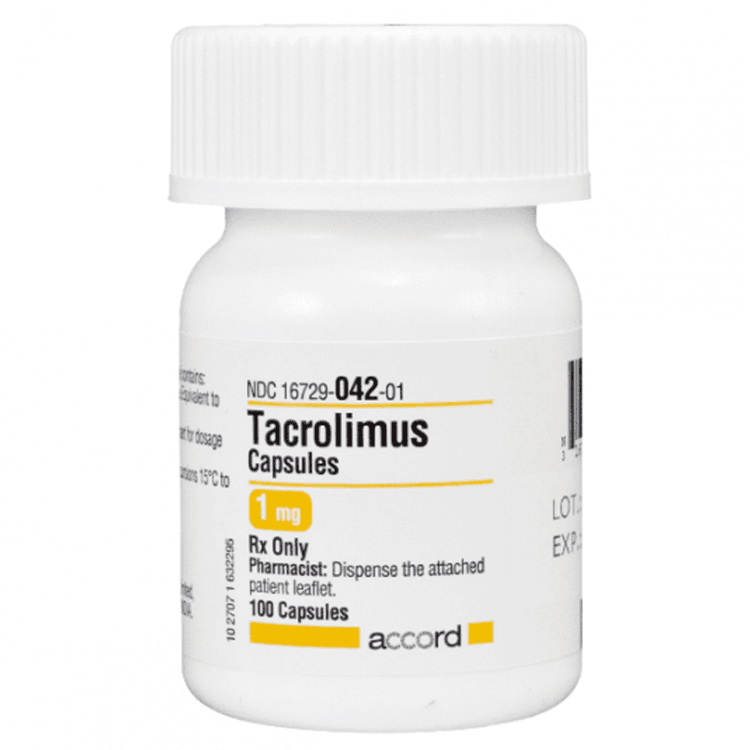
Tacrolimus HGC
Tacrolimus HGC (Tacrolimus Hard Gelatin Capsules)
Price:
Price range: $190.99 through $1,070.99
Secure Encrypted Payments
Tacrolimus HGC is a prescription tacrolimus capsule used to help prevent organ rejection after a transplant. It works by lowering immune activity so the body is less likely to attack a new organ. Ships from Canada to US through a cash-pay pathway for people managing care without insurance, and this page explains practical basics like forms, safe use, and what to monitor.
This product is an oral, immediate-release form that is not interchangeable with extended-release tacrolimus products without prescriber direction. Because tacrolimus has a narrow therapeutic range (small dose changes can matter), it is typically paired with lab monitoring and careful medication-list reviews.
What Tacrolimus HGC Is and How It Works
This medicine contains tacrolimus, a calcineurin inhibitor (immune-suppressing medicine). By reducing specific immune signals, it helps lower the chance of transplant rejection. The same ingredient is sold under brand names such as Prograf capsules, and it may also be available as generic Prograf capsules depending on the supplier and setting. Even when the active ingredient is the same, different tacrolimus products can have different release profiles, so “same drug” does not always mean “same substitution.”
Dispensing is handled by licensed Canadian partner pharmacies.
When people use cross-border fulfillment, US shipping from Canada typically requires extra attention to documentation and coordination. That is one reason tacrolimus therapy is usually managed alongside regular follow-up, including medication reconciliation (confirming every prescription and nonprescription item) and ongoing organ-function checks.
Who It’s For
Oral tacrolimus is generally prescribed to help prevent organ rejection in people who have received a transplant (such as kidney, liver, or heart), often as part of a broader immunosuppression plan. It may also be used in other specialized situations at a clinician’s discretion, where the immune system needs to be dampened. The decision to use immunosuppressants depends on the type of transplant, time since surgery, and other medical risks.
Tacrolimus HGC is intended for patients with an appropriate prescription and a clear monitoring plan. It is not appropriate for anyone with a known allergy to tacrolimus or to capsule ingredients, and it may be unsuitable in certain situations where infection risk is already very high. Some people confuse oral tacrolimus with topical tacrolimus used for eczema; those are different products and are used differently. For skin-condition context and non-prescription education, browse hubs like Atopic Dermatitis Eczema or the Dermatology category, and see background reading such as Understanding Dyshidrotic Eczema.
Dosage and Usage
Tacrolimus immediate-release capsules are commonly taken by mouth on a set schedule, and consistency matters. Many regimens use twice-daily dosing, but the exact plan depends on the transplant type, other immunosuppressants, and lab results. Capsules are usually swallowed whole with water. Food can change absorption for some people, so clinicians often recommend choosing a consistent pattern (with food or without) and sticking to it unless the prescriber changes instructions.
For Tacrolimus HGC, dosing is typically guided by trough concentrations (a blood level checked at a specific time) plus organ-function labs. Prescriptions are confirmed with prescribers before dispensing. If a dose is missed, the safest next step is to follow the instructions provided by the transplant team or the dispensing label, rather than improvising. Changes in brand, manufacturer, or formulation should be reviewed clinically because tacrolimus exposure can shift even when the labeled strength looks the same.
Strengths and Forms
This product is supplied as tacrolimus hard gelatin capsules for immediate release. Common strengths for tacrolimus oral capsules include 0.5 mg, 1 mg, and 5 mg, sometimes written as tacrolimus capsules 0.5 mg, tacrolimus capsules 1 mg, and tacrolimus capsules 5 mg. Availability can vary by pharmacy partner and current supply, and capsule appearance may differ between manufacturers.
Tacrolimus HGC is typically listed as tacrolimus capsule USP (a quality-standard designation) on pharmacy documentation. The strength on the label refers to tacrolimus content per capsule; it does not indicate how strong the overall immunosuppressive effect will be in a given person. Because tacrolimus is dose-sensitive, clinicians rely on both the labeled strength and follow-up labs when making regimen adjustments.
Storage and Travel Basics
Store tacrolimus capsules as directed on the package label, generally at controlled room temperature, away from excess heat and moisture. Keep the bottle tightly closed and avoid storing it in humid locations like bathrooms. If capsules are supplied in blister packaging, keep them in the original pack until use to reduce moisture exposure. Do not use capsules past the expiration date, and do not transfer them into an unlabeled container for long-term storage.
Quick tip: Keep a current medication list with strengths and dosing times for every appointment.
For travel, carry the medicine in hand luggage when possible, along with the prescription label or a medication list from the pharmacy. Time-zone changes can complicate scheduling; for transplant patients, timing consistency can be important, so travel plans are best discussed with the transplant clinic in advance. If a refill is needed while away, having the exact product name, strength, and prescriber details available can prevent delays.
Side Effects and Safety
Like other immunosuppressants, tacrolimus can cause side effects ranging from mild to serious. Commonly reported issues include tremor, headache, stomach upset (such as nausea or diarrhea), sleep changes, and tingling sensations. Tacrolimus may also raise blood pressure and blood sugar. Because it can affect the kidneys, clinicians watch for nephrotoxicity (kidney injury) through lab work and overall clinical status.
Why it matters: Lower immune defenses can make ordinary infections more serious.
Serious risks can include significant kidney problems, neurotoxicity (nervous-system effects) such as confusion or severe tremor, high potassium, and increased susceptibility to infections and certain malignancies (cancers). Tacrolimus HGC should be used with a clear monitoring plan, which often includes periodic blood levels, kidney labs, and checks for blood pressure and glucose. People should seek prompt clinical evaluation for fever, persistent sore throat, shortness of breath, unusual bruising, or neurologic changes, especially when immunosuppressed.
Drug Interactions and Cautions
Tacrolimus has many clinically important interactions because it is metabolized by CYP3A enzymes in the liver and gut. Some medicines can raise tacrolimus levels, increasing toxicity risk, while others can lower levels, increasing rejection risk. Grapefruit and grapefruit juice can also increase tacrolimus exposure and are commonly listed as foods to avoid unless a clinician gives different guidance. Herbal products can matter too; for example, St. John’s wort is known to reduce levels of several CYP3A-metabolized medicines.
Interaction categories to flag
When reviewing a medication list, clinicians often pay special attention to: azole antifungals (some can substantially raise tacrolimus levels), certain antibiotics (including macrolides), seizure medicines that can induce metabolism, and HIV/HCV antivirals with strong enzyme effects. Other cautions include drugs that stress the kidneys (for example, frequent NSAID use in some patients) and medicines that raise potassium. Vaccines are another key topic: live vaccines may be contraindicated during immunosuppression. If seasonal allergy treatments are part of the medication list, this resource offers background context: Allergic Rhinitis Treatment.
Because interaction risk depends on the full regimen, the safest approach is to keep one up-to-date list and share it at every visit. Any new prescription, supplement, or “as-needed” product should be reviewed for interaction potential before it is started.
Compare With Alternatives
Immunosuppression plans differ by transplant type and patient risk. Another calcineurin inhibitor sometimes used in transplantation is cyclosporine; while it targets a similar pathway, it is not the same drug and has different dosing, monitoring, and side-effect considerations. Some regimens may use mTOR inhibitors such as sirolimus; an example listing on this site is Rapamune. These options are not interchangeable without close clinician oversight.
Tacrolimus is also available in topical form for certain inflammatory skin conditions, which is a different route and goal of therapy than transplant immunosuppression. For an example of topical tacrolimus, see Protopic Ointment. For broader skin-care education (not specific to transplant dosing), browse Dermatology Posts and related guides like Palmoplantar Pustulosis Differences and Stress And Dyshidrotic Eczema. Keeping oral and topical products distinct helps avoid unsafe substitution.
Pricing and Access
Out-of-pocket costs for tacrolimus vary based on strength, quantity, and pharmacy source. Many people searching for tacrolimus capsule price are comparing brand Prograf capsules with generics and checking whether different strengths change overall expenses. Tacrolimus HGC can be accessed using cash-pay, which may help for those without insurance or with limited coverage for transplant medicines. Cash-pay access may help when insurance isn’t available.
BorderFreeHealth operates as a referral platform that coordinates dispensing through Canadian partners, and prescriptions must be valid and verifiable. US delivery from Canada can involve added documentation steps compared with local pickup, so it helps to keep prescriber contact details current. For site navigation and programs that may apply, see Promotions (availability varies). When requesting a refill or a new start, submitting the exact strength and current medication list can reduce avoidable back-and-forth.
Authoritative Sources
For the most reliable details on contraindications, boxed warnings, and formulation-specific instructions, consult official labeling and the dispensing pharmacy’s medication guide. Transplant programs may also provide institution-specific protocols for monitoring and co-medications, which can differ across centers. When information conflicts, the prescriber’s instructions and the product’s official labeling should be treated as the primary references.
The following sources provide neutral, label-aligned background on tacrolimus and medication safety:
- General medication overview at MedlinePlus Tacrolimus.
- Label and product listings via DailyMed Tacrolimus Search.
- Canadian product database reference at Health Canada Drug Product Database.
For site actions, select the prescribed strength, provide prescription details, and choose prompt, express shipping if offered.
This content is for informational purposes only and is not a substitute for professional medical advice.
Express Shipping - from $25.00
Shipping with this method takes 3-5 days
Prices:
- Dry-Packed Products $25.00
- Cold-Packed Products $35.00
Shipping Countries:
- United States (all contiguous states**)
- Worldwide (excludes some countries***)
Standard Shipping - $15.00
Shipping with this method takes 5-10 days
Prices:
- Dry-Packed Products $15.00
- Not available for Cold-Packed products
Shipping Countries:
- United States (all contiguous states**)
- Worldwide (excludes some countries***)
What is tacrolimus and what is it used for?
Tacrolimus is an immunosuppressant medicine most commonly used to help prevent rejection after an organ transplant. It reduces certain immune signals so the body is less likely to attack a transplanted organ. Oral tacrolimus is usually part of a broader regimen that can include other immunosuppressants and steroids, along with ongoing lab monitoring. Tacrolimus is also available in other dosage forms (including topical products for some skin conditions), which are not interchangeable with oral capsules.
Is tacrolimus the same as Prograf?
Prograf is a brand name for immediate-release tacrolimus capsules. Many pharmacies also dispense generic versions that contain tacrolimus as the active ingredient. Even when the active ingredient matches, it is important to confirm whether a product is immediate-release or extended-release, since those formulations are not directly interchangeable. Packaging, capsule appearance, and manufacturer can differ. Clinicians often monitor blood levels and organ-function labs when changes occur to reduce the chance of under- or overexposure.
How is tacrolimus usually taken?
Immediate-release tacrolimus capsules are commonly taken by mouth on a consistent schedule, often twice daily, but the exact plan depends on the transplant type and the clinician’s protocol. Some people are instructed to take it consistently with or without food because food can affect absorption. Capsules are typically swallowed whole with water. Because tacrolimus is dose-sensitive, it is important that dosing instructions come from the prescriber and the dispensing label, not from general online guidance.
What monitoring is needed while taking tacrolimus capsules?
Monitoring often includes tacrolimus trough blood levels (measured at a specific time), kidney function labs, and checks for blood pressure, blood sugar, and electrolytes such as potassium. Clinicians may also watch for signs of infection because immune suppression can increase infection risk. The exact schedule varies by transplant program and time since transplant. People should report new neurologic symptoms (such as severe tremor or confusion), persistent fever, or significant changes in urination promptly to their care team.
What interactions should I be aware of with tacrolimus?
Tacrolimus has important interactions because it is metabolized by CYP3A enzymes. Some antibiotics and antifungals can raise tacrolimus levels, while certain seizure medicines or herbal products like St. John’s wort can lower levels. Grapefruit products are commonly listed as a concern because they may increase exposure. Other cautions include medicines that can strain the kidneys or raise potassium. Because interaction risk depends on the full regimen, a complete medication and supplement list should be reviewed whenever anything new is added.
What should I ask my transplant team before switching tacrolimus products?
It helps to ask whether the new product is immediate-release or extended-release, whether the dosing schedule will change, and whether extra lab checks are needed during the transition. People can also ask what capsule strength(s) will be used, whether any current medications could interact differently, and what symptoms should prompt urgent evaluation. If a pharmacy change is involved, confirming the manufacturer and documenting the exact product name can reduce confusion. Transplant teams often have specific protocols for substitutions and monitoring.
Rewards Program
Earn points on birthdays, product orders, reviews, friend referrals, and more! Enjoy your medication at unparalleled discounts while reaping rewards for every step you take with us.
You can read more about rewards here.
POINT VALUE
How to earn points
- 1Create an account and start earning.
- 2Earn points every time you shop or perform certain actions.
- 3Redeem points for exclusive discounts.
How to book an appointment
- 1Create Begin by completing a profile or log into your existing account. This step ensures we have the necessary information to provide you with a service that's tailored to your needs. account and start earning.
- 2Scheduling an appointment with our online booking system is easy. Pick a day and time that suits you. You’ll receive an immediate confirmation, without the wait.
- 3Discuss your concerns and symptoms and receive a thorough diagnosis from one of our licensed doctors during a confidential video appointment.
- 4If you've been prescribed medication, your Rx is sent directly to one of our licensed pharmacies and delivered right to your door.
Get Started
To book an online doctor appointment, register for an account or login. After doing so, you can book your visit on this page.
You Might Also Like
Select options
This product has multiple variants. The options may be chosen on the product page
Select options
This product has multiple variants. The options may be chosen on the product page
Select options
This product has multiple variants. The options may be chosen on the product page
Select options
This product has multiple variants. The options may be chosen on the product page