
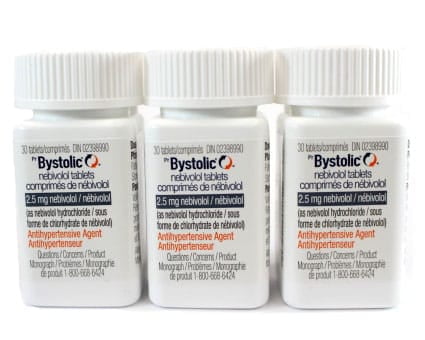
What is Bystolic? It is the brand name for nebivolol, a beta blocker used to treat high blood pressure in adults. For most readers, the real issue is safety: how it works, who may need extra caution, and which symptoms should never be ignored. That matters because nebivolol can lower both blood pressure and heart rate, so the right fit depends on your health history, other medicines, and how you feel after you start it.
When people ask what is Bystolic, they often also mean, Is it safe and how does it compare with other heart medicines? For many adults, nebivolol can be used safely under medical supervision. But it is not a casual medication. It should not be started, stopped, or changed without guidance. If you are comparing cardiovascular medicines more broadly, the Cardiovascular Hub can help you place it in the bigger picture.
Key Takeaways
- Bystolic is the brand name for nebivolol, a beta blocker used for hypertension.
- Its main safety issues involve slow heart rate, low blood pressure, interactions, and sudden stopping.
- Common side effects may include tiredness, dizziness, headache, nausea, and a slower pulse.
- Bystolic and nebivolol refer to the same active medicine, not two competing drugs.
- People with heart rhythm problems, lung disease, diabetes, or multiple heart medicines need closer review.
What Is Bystolic and How Does It Work?
Bystolic is the brand name. Nebivolol is the generic name. They point to the same active ingredient. So if you are wondering whether Bystolic is different from nebivolol, the first answer is simple: one is the brand label, and the other is the medication name clinicians use more broadly.
Nebivolol belongs to a class called beta blockers. These medicines reduce the effect of stress hormones on the heart and circulation. In practical terms, that can slow the heart rate and help lower blood pressure. Some people notice less pounding or racing. Others mainly notice quieter readings on a blood pressure monitor.
It is most often used for hypertension. It may be one part of a bigger plan that also includes home monitoring, lifestyle changes, and sometimes other medicines. Knowing what is Bystolic is only step one. The more important question is how the drug behaves alongside your own heart rate, symptoms, and other prescriptions.
Not every beta blocker feels the same in real life. Even within the same class, drugs can differ in how strongly they affect pulse, blood vessels, and day-to-day tolerability. That is why one person may do well on nebivolol while another needs a different approach. The name matters less than the full clinical picture.
Another common point of confusion is whether a beta blocker is automatically the right choice for every person with high blood pressure. It is not. Some people need a different class because of asthma, slow pulse, or another medical issue. That is why the same blood pressure number can lead to different medication choices in different patients.
When Nebivolol Safety Needs Closer Review
Nebivolol safety deserves a closer look when you already have a low resting pulse, fainting episodes, certain heart rhythm problems, or current symptoms of unstable heart failure. People with severe liver disease may also need extra review. These issues matter because the drug can slow the heart and change circulation in ways that are helpful for one person but risky for another.
Some people should not use nebivolol at all without specialist direction. That may include people with a very slow resting heartbeat, certain conduction problems such as heart block, or heart failure that is not stable. Others may still be candidates, but only with closer follow-up. The line between those groups depends on medical history, exam findings, and other drugs in the plan.
People with asthma, COPD, diabetes, thyroid disease, or poor circulation should also make sure the full history is reviewed. Beta blockers can sometimes affect breathing in sensitive patients and may hide warning signs like a racing heartbeat during low blood sugar. Older adults may be more likely to notice fatigue, dizziness, or falls if blood pressure drops too much.
People sometimes ask whether nebivolol is a high-risk medication. It is not usually discussed in the same way as classic high-alert drugs, but it still deserves respect. Small changes in pulse, blood pressure, or drug combinations can matter, especially if you already take several cardiovascular medicines.
Who May Need Extra Caution
- Very slow pulse or fainting history.
- Certain heart rhythm or conduction problems.
- Current wheezing, asthma, or COPD symptoms.
- Diabetes with concern about masked low blood sugar signs.
- Older age with dizziness, falls, or many heart medicines.
Common Side Effects and Serious Warning Signs
The most common side effects of nebivolol are usually not dramatic, but they can still affect daily life. Tiredness, dizziness, headache, nausea, and a slower pulse are often the complaints people notice first. These symptoms can be easy to dismiss if your blood pressure is improving, yet they still deserve tracking if they linger, worsen, or limit normal activities.
When people search for the most common side effect of nebivolol, the answer is often some mix of tiredness or dizziness. Those effects do not always mean the drug is wrong for you, but they should be discussed if they affect driving, work, sleep, or exercise. Home blood pressure and pulse readings can add useful context, but symptom changes matter too.
More serious issues are less common but more important. Very slow heartbeat, fainting, worsening shortness of breath, chest pain, swelling in the legs, or signs of an allergic reaction should not be brushed off. These symptoms can point to too much heart-rate slowing, fluid problems, breathing trouble, or another condition that needs prompt review.
| Symptom pattern | Examples | Why it matters |
|---|---|---|
| Often milder | Tiredness, mild dizziness, headache, nausea | Worth tracking, especially if symptoms persist or affect daily function. |
| Needs prompt review | Feeling faint, very slow pulse, worse shortness of breath, leg swelling | May suggest the medicine is suppressing heart rate too much or another problem is developing. |
| Needs urgent care | Chest pain, fainting, severe breathing trouble, lip or tongue swelling | Could reflect a medical emergency or a serious reaction. |
Why it matters: Side effects from beta blockers can look like ordinary fatigue, but fainting or breathing changes deserve prompt attention.
If you want a deeper look at symptom patterns, our Bystolic Side Effects page breaks down common reactions and red flags in more detail.
Interactions, Stopping Concerns, and Daily Use
Many nebivolol problems start with combinations, not the medicine alone. Other drugs that can slow the heart or lower blood pressure may intensify its effects. That can include some rhythm medicines, some calcium channel blockers, and other hypertension treatments. Over-the-counter cold products, supplements, and alcohol can also complicate how you feel or how your readings look.
Interactions are not always dramatic. Sometimes one medicine hides the side effects of another. Beta blockers, for example, can blunt a racing pulse that would otherwise warn you about low blood sugar, overexertion, or an interaction. That is one reason people with diabetes, heavy exercise routines, or several heart medicines need clear monitoring plans.
This is also why people are told not to stop beta blockers suddenly. Abruptly stopping can cause rebound heart-related symptoms, especially in people with underlying heart disease. If you miss doses, feel worse, or think the medicine is causing a problem, the safest next step is to contact the prescriber or pharmacist rather than doubling, skipping, or stopping on your own.
Quick tip: Bring a full medication list to every visit, including supplements, cold remedies, and inhalers.
Useful Details to Review at a Visit
- Home blood pressure and pulse readings.
- Any dizziness, fainting, or unusual fatigue.
- Shortness of breath, wheezing, or swelling.
- Recent medication, supplement, or alcohol changes.
- Questions about missed doses or exercise tolerance.
Some prescriptions are verified with the prescriber before the pharmacy dispenses them.
Brand, Generic, and Where It Fits in Blood Pressure Care
Bystolic and nebivolol are not two different active drugs. Bystolic is the brand name, and nebivolol is the generic name. So when readers ask whether Bystolic or nebivolol is better, the more accurate question is whether the product contains the same active ingredient and whether it fits the rest of the treatment plan. The safety discussion does not change just because the label does.
Nebivolol is also only one part of blood pressure care. Some people are prescribed another beta blocker, while others do better with a different class entirely. For comparison, you can review related safety patterns in Atenolol Side Effects, Ramipril Basics, and Verapamil Side Effects. Those guides show why side effects, interactions, and monitoring plans vary by class.
Many people with high blood pressure also take cholesterol or blood-thinning medicines. That makes it easier to confuse one drug’s side effects with another’s. Reading Atorvastatin Basics or Apixaban Side Effects can help you separate muscle symptoms, bleeding risks, and pulse-related problems when several medicines are involved.
BorderFreeHealth works with licensed Canadian partner pharmacies.
Monitoring, Access, and Questions to Bring to a Visit
If nebivolol is part of your ongoing care, monitoring matters more than memorizing brand names. Keep a record of blood pressure readings, resting pulse, new fatigue, dizziness, breathing changes, or limits on exercise. Those details help a clinician decide whether the medicine is working as intended or whether the plan needs review.
It also helps to ask a few practical questions before starting or refilling: Why this beta blocker instead of another class? What symptoms should prompt a call? How low is too low for your pulse or blood pressure? What other medicines or supplements deserve an interaction check? These are not small questions. They are the difference between simply taking a pill and understanding how it fits into your care.
If you are older, have more than one heart condition, or take several daily medicines, bring that full context to each visit. What looks like a simple side effect can actually reflect dehydration, another drug, or an underlying rhythm problem. Clear notes about when symptoms happen can make the review far more useful.
Some people compare cash-pay or cross-border options when filling long-term prescriptions. Cash-pay cross-border options may help some patients without insurance, depending on eligibility and location. If you are browsing rather than making a clinical decision, the Cardiovascular Products hub is a neutral place to view cardiovascular medications in one list.
Authoritative Sources
- FDA prescribing information for nebivolol tablets
- Mayo Clinic overview of nebivolol side effects and uses
- Cleveland Clinic patient guide to nebivolol tablets
If you started by asking what is Bystolic, the short answer is simple: it is nebivolol, a beta blocker used for high blood pressure. The more useful answer is that safety depends on your heart rate, other conditions, and the medicines around it. Further reading through the cardiovascular links above can help you prepare better questions for your next visit.
This content is for informational purposes only and is not a substitute for professional medical advice.


