
Please note: a valid prescription is required for all prescription medication.
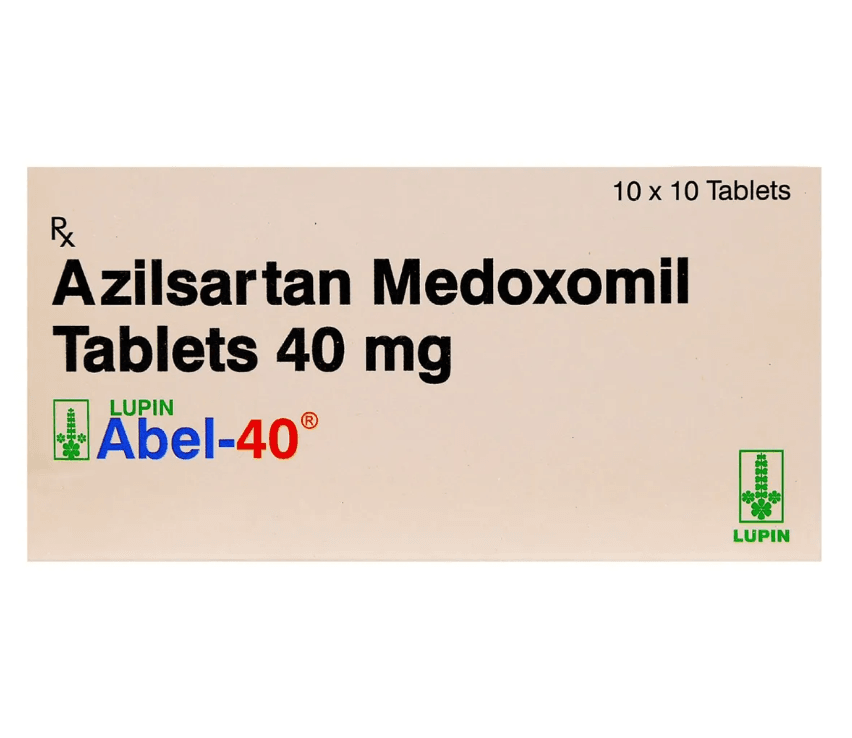
Abel
Buy Abel Online
Secure Encrypted Payments
Abel can be bought online for customers who need the healthcare product sold under this name. Choose the dose, strength, form, and quantity shown during ordering, then match those details to the package label and the directions you were given. Because Abel is also a common non-medical name, the active ingredient and labeled use should guide the purchase decision.
Abel Price, Strength, and Quantity Checks
Abel price can vary by form, strength, quantity, package size, and manufacturer. The practical way to compare cost is to start with the exact dose or strength shown during ordering, then look at the total amount supplied. A lower total price may not be the better value if the package contains fewer units or a different concentration.
Use the name Abel as the starting point, not the final identity check. A short product name can overlap with unrelated search results, including Bible topics and personal names. For a healthcare product, the important match is the active ingredient, route of use, strength, quantity, and directions on the label.
Why it matters: A matching name alone does not prove the ingredient, strength, or form is right for you.
| Detail to match | Why it affects your order |
|---|---|
| Current price | Shows the cost tied to the dose, strength, quantity, and package chosen. |
| Active ingredient | Confirms the medical identity behind the Abel name. |
| Strength or concentration | Helps match the product to written directions. |
| Form | Shows how the product is taken, applied, measured, stored, or handled. |
| Package quantity | Clarifies the total amount supplied before you complete checkout. |
| Manufacturer | Helps when a specific source or label appearance matters for continuity. |
How to Order Abel Online
To order Abel online, keep the full product name, ingredient, strength, form, quantity, and any label directions nearby. Match those details before submitting the order, especially if more than one dose, package, or manufacturer appears. If your healthcare professional wrote down a specific strength or route, use that information as the reference point.
BorderFreeHealth provides cash-pay access for U.S. customers using licensed pharmacy channels, with US delivery from Canada when the order route supports that service. Because Abel has an unknown prescription status in the current product information, this copy does not label it as Rx or OTC. Follow the checkout prompts and the product label for any documentation or use requirements.
Pause before purchase if the active ingredient, intended use, or strength does not match what you expected. A product with a familiar name can still be the wrong item if the form or concentration differs. When in doubt, ask a pharmacist or clinician to identify the product by ingredient rather than by name alone.
- Match the label: use the ingredient, form, strength, and route.
- Check the supply: compare the package quantity with expected use.
- Keep records handy: save the label or written directions for reference.
- Plan handling: note storage, temperature, and travel instructions.
Product Identity and Name Checks
Abel is a broad name that appears in many contexts outside healthcare. Results about Abel in the Bible, Cain and Abel, Kane and Abel, Genesis 4, or Cain, Abel, and Seth do not identify the medical product sold here. Those results may answer cultural or religious questions, but they should not influence a healthcare purchase.
The active ingredient is more reliable than the public-facing name. Check whether the label describes a medicine, supplement, device, topical product, injectable item, oral product, or another healthcare item. If the ingredient is unfamiliar, ask what it is used for and whether the form matches the intended user.
Spelling variations can also create confusion. Abel, Kain and Habel, Cain Abel, and Abel Kane may look similar in search results, but they are not product identifiers. Use the product’s label language, package image, and directions rather than general web snippets or name-based assumptions.
Quick tip: Take a clear photo of the label before comparing strengths or quantities.
Forms, Strengths, and Package Details
Abel should be chosen by the dose, strength, form, and quantity shown during ordering. Do not assume from the title alone whether the item is a tablet, capsule, liquid, topical preparation, device, injection, or another type of product. The directions and package label should make the route of use clear before you complete the purchase.
Different forms are not automatically interchangeable. A liquid may require measuring instructions, while a tablet or capsule may be counted by unit. A topical product may need application directions, and a refrigerated or fragile item may require more planning than a room-temperature product.
Strength can change both safety and value. Two packages may look similar while containing different concentrations or total amounts. If your directions refer to a specific dose, concentration, or unit count, match those words carefully and ask for clarification before use if anything differs.
| Label field | Customer action |
|---|---|
| Form | Make sure the route of use matches the directions. |
| Strength | Choose the strength that matches the intended dose. |
| Concentration | Look for the amount of active ingredient per unit or volume. |
| Pack count | Confirm how many tablets, capsules, tubes, devices, or units are included. |
| Storage wording | Follow the package instructions for temperature, light, and moisture. |
What Abel May Be Used For
Use Abel only for the purpose described on its official label or by a licensed healthcare professional. The product name does not establish a diagnosis, medicine class, or treatment goal. If the label does not make the use clear to you, identify the active ingredient before relying on it for a health need.
Some healthcare products belong to broad treatment areas, while others are used for very specific conditions. For example, the Cardiovascular Products category shows how medicines may be grouped for browsing by treatment area. The Hypertension collection shows condition-based organization, but it does not determine whether Abel belongs in that category.
Avoid inferring medical use from unrelated terms such as Cain and Abel scripture, Abel Genesis, or Adam and Eve Cain and Abel. Those phrases refer to religious or historical topics. A healthcare decision should come from the active ingredient, strength, form, and directions that accompany the product.
Storage, Handling, and Travel
Storage instructions should come from the Abel package label or pharmacist guidance. Some products are kept at room temperature, while others require refrigeration, light protection, moisture control, or special handling. Do not copy storage rules from a different medicine unless a pharmacist confirms they apply.
Keep the product in its original packaging when possible. Original containers help preserve the label, lot information, ingredient name, directions, and safety warnings. If the product is exposed to heat, freezing, direct sunlight, or excess moisture, ask a pharmacist whether it is still suitable to use.
Travel planning depends on the form and storage needs. Prompt, express shipping may be relevant for some orders, but shipping speed does not replace proper storage or handling. If you travel with Abel, carry identifying information and keep the product away from children and pets.
- Original packaging: keeps directions and identifying details together.
- Temperature range: follow the storage limits on the label.
- Moisture protection: avoid bathrooms, sinks, and damp storage areas.
- Travel records: carry the ingredient name and label when applicable.
- Child safety: store out of reach and sight.
Safety, Side Effects, and When to Ask for Help
Every healthcare product can cause side effects, even when used as directed. The most likely effects depend on the active ingredient, route, dose, frequency, and your medical history. Possible warning categories for many medicines include stomach upset, dizziness, headache, drowsiness, skin irritation, tiredness, or reactions at an application or injection site, but Abel-specific information should come from the label.
Seek urgent medical help for symptoms that may signal a serious reaction. These can include trouble breathing, swelling of the face or throat, chest pain, fainting, severe rash, confusion, unusual bleeding, or signs of a severe allergy. Stop and ask for professional guidance if symptoms feel severe, sudden, or clearly connected to starting a new product.
Medical history matters before use. Tell a clinician or pharmacist about kidney disease, liver disease, heart conditions, pregnancy, breastfeeding, allergies, and recent medication changes. Inactive ingredients can also matter for people with sensitivities, so review the full ingredient list when available.
- Allergy history: look at active and inactive ingredients.
- New symptoms: note timing, severity, and possible triggers.
- Health conditions: mention kidney, liver, heart, pregnancy, and breastfeeding factors.
- Monitoring: follow any lab testing or follow-up instructions tied to the ingredient.
Interactions and Medication List Review
Interactions can occur with prescription medicines, nonprescription products, supplements, vitamins, herbal products, alcohol, and certain foods. A complete medication list is the safest starting point. Include products used only occasionally, because short-term medicines can still interact with daily therapies.
Pay close attention if you use blood pressure medicines, diabetes treatments, anticoagulants, sedatives, immune-suppressing drugs, or therapies processed through the liver or kidneys. These categories often require closer review when a new healthcare product is added. People managing heart or metabolic concerns may also find practical discussion topics in Cardiovascular Articles.
Ask whether Abel should be taken with food, separated from other medicines, avoided with alcohol, or kept away from grapefruit products. Also ask whether it duplicates another therapy under a different brand or generic name. Duplication can happen when two products share the same active ingredient but use different naming.
How Abel Compares With Related Choices
Comparison should begin with the active ingredient and intended use. A same-ingredient alternative may differ by strength, manufacturer, form, storage requirement, or package quantity. A different medicine in the same general treatment area may have separate safety concerns and monitoring needs.
Some products have clearer therapeutic identities than Abel’s short name. Cequa, Ceftin Suspension, and Cefoxitin for Injection are distinct products and should not be treated as substitutes unless a clinician identifies one as appropriate. Product names, dosage forms, and treatment goals can differ substantially.
Other healthcare articles may help you prepare better questions. For example, Celebrex in arthritis care discusses safety and treatment-choice thinking for another medicine, while Plaquenil eye exam guidance shows why monitoring can matter for certain therapies. Use those discussions as examples of questions to raise, not as evidence that Abel has the same risks.
- Same ingredient: compare strength, form, manufacturer, and quantity.
- Same treatment area: review contraindications and monitoring needs.
- Different form: consider measuring, storage, and administration steps.
- Similar name: avoid assuming it is medically related.
Cash-Pay Access and Practical Ordering Factors
The displayed amount should be read with the dose, strength, form, and quantity chosen during ordering. Package size and manufacturer can change the total cost. Recheck the final product identity if you adjust the quantity or choose a different strength.
Cash-pay ordering can help customers plan purchases when insurance is not being used. Keep the exact product name, active ingredient, strength, form, and directions available in case any order detail needs clarification. Responding quickly to questions can help prevent delays caused by mismatched information.
Do not use unrelated name results as ordering evidence. Abel Bible, Cain and Abel KJV, Cain and Abel Genesis, and Abel Meholah may appear in search engines, but they do not confirm a healthcare product. The medical identity comes from the product label and professional guidance.
Authoritative Sources
Official medicine references can help confirm label language, ingredient identity, and safe-use basics when a short product name is not enough. Use these sources alongside the package label and guidance from a qualified professional.
- DailyMed official drug label records provide U.S. labeling information for many medicines.
- MedlinePlus medicines guidance explains general medicine-use safety topics for patients.
This content is for informational purposes only and is not a substitute for professional medical advice.
Express Shipping - from $29.99
Shipping with this method takes 3-5 days
Prices:
- Dry-Packed Products $29.99
- Cold-Packed Products $39.99
Shipping Countries:
- United States (all contiguous states**)
- Worldwide (excludes some countries***)
Standard Shipping - $19.99
Shipping with this method takes 5-10 days
Prices:
- Dry-Packed Products $19.99
- Not available for Cold-Packed products
Shipping Countries:
- United States (all contiguous states**)
- Worldwide (excludes some countries***)
What is Abel used for?
Use Abel only for the purpose identified on its package label or by a licensed healthcare professional. The name alone does not confirm the active ingredient, medicine class, or treatment goal.
How should I choose the right Abel strength or quantity?
Choose the dose, strength, form, and quantity shown during ordering that match the label directions you were given. If the ingredient or route of use is unclear, ask a pharmacist or clinician before use.
Is Abel the same as Cain and Abel or Abel Bible search results?
No. Cain and Abel, Abel Bible, and similar terms refer to non-medical topics. For healthcare ordering, rely on the active ingredient, strength, form, package label, and professional directions.
What side effects should I watch for with Abel?
Side effects depend on the active ingredient, route, dose, and your health history. Seek urgent help for severe allergy symptoms, trouble breathing, chest pain, fainting, severe rash, confusion, or unusual bleeding.
Can Abel interact with other medicines?
It may, depending on the active ingredient. Share a complete list of prescription medicines, nonprescription products, supplements, vitamins, herbal products, alcohol use, and relevant foods with a healthcare professional.
Rewards Program
Earn points on birthdays, product orders, reviews, friend referrals, and more! Enjoy your medication at unparalleled discounts while reaping rewards for every step you take with us.
You can read more about rewards here.
POINT VALUE
How to earn points
- 1Create an account and start earning.
- 2Earn points every time you shop or perform certain actions.
- 3Redeem points for exclusive discounts.
You Might Also Like
Select options
This product has multiple variants. The options may be chosen on the product page
Select options
This product has multiple variants. The options may be chosen on the product page
Select options
This product has multiple variants. The options may be chosen on the product page
Select options
This product has multiple variants. The options may be chosen on the product page