

Key Takeaways
- Purpose: Helps treat certain types of anemia and reduce transfusions.
- How it works: Stimulates red blood cell production over time.
- Monitoring: Hemoglobin, iron levels, and blood pressure matter.
- Use safely: Follow training for injections and syringe handling.
- Know expectations: Benefits and side effects vary by condition.
Hearing you may need an injection for anemia can feel like a lot. Many people want clear, calm information before their first dose. That is especially true when a prefilled syringe is involved.
Aranesp injection is prescribed to support red blood cell levels in specific settings. Below, you’ll learn what it’s used for, how it works, and what to watch for. You’ll also see practical tips for administration, storage, and follow-up.
Aranesp Injection Uses For Anemia From CKD Or Chemo
Aranesp is the brand name for darbepoetin alfa, an ESA (erythropoiesis-stimulating agent). In plain terms, it is a medicine that can help your body make more red blood cells. It is used for certain kinds of anemia, not for every cause of low hemoglobin.
Common reasons a clinician may prescribe it include anemia from chronic kidney disease (CKD) and anemia related to chemotherapy for some cancers. The goal is often to reduce the need for red blood cell transfusions. Indications, warnings, and monitoring recommendations are outlined in the FDA label information, which clinicians use as a baseline reference.
Why this matters: anemia can cause fatigue, shortness of breath, dizziness, and reduced stamina. Raising hemoglobin too quickly, or to an inappropriate level, can also increase risk. That’s why the “right use” includes careful dose selection and regular lab checks.
If your anemia is related to kidney disease, it may help to read more kidney-focused education in Nephrology Topics for broader context on CKD care. If chemotherapy is part of your story, Cancer Education can help you connect the dots between treatment and blood counts.
How Darbepoetin Alfa Works In The Body
Your kidneys normally release erythropoietin, a hormone that tells bone marrow to make red blood cells. In CKD, that signal can drop, and anemia may follow. Darbepoetin alfa is a lab-made version of that “make more red cells” signal, designed to last longer in the body than some older ESAs.
Because red blood cells take time to develop, the effect is not immediate. Many people notice gradual changes over weeks, not hours or days. Your care team will typically look at trends in hemoglobin and symptoms, rather than a single lab result.
It also helps to know what Aranesp cannot do. It does not replace iron, vitamin B12, or folate if you are low. It also is not meant to treat anemia caused by active bleeding. That is why clinicians often check iron studies and other labs before and during therapy.
Note: If you feel suddenly worse, seek medical help promptly. New chest pain, severe shortness of breath, or one-sided weakness needs urgent evaluation.
Dosing Basics: Starting Dose, Frequency, And Adjustments
Your prescriber chooses a dose based on why you need the medicine, your weight, lab values, and how you respond over time. People sometimes look for an aranesp dose calculator, but dosing is not a simple plug-in number. It usually requires repeat hemoglobin checks and careful adjustment.
The aranesp injection dose and aranesp starting dose are individualized. Dosing may be weekly, every two weeks, or less often in some settings. This is one reason darbepoetin alfa is sometimes chosen when fewer injections are preferred. For dosing schedules and approved uses, clinicians often reference official labeling and major guidelines such as KDIGO anemia guidance when CKD is involved.
Aranesp dosing frequency can change if hemoglobin rises too quickly, rises above the target set by your clinician, or does not rise enough. The care team may also reassess for reasons the medicine is not working well. Common causes include iron deficiency, inflammation, infection, or ongoing blood loss.
It’s also important to review aranesp contraindications and warnings with your prescriber. A key issue is uncontrolled high blood pressure. Your clinic may delay dosing until blood pressure is better controlled, because ESAs can worsen hypertension in some people.
Home Administration: Getting Comfortable With The Prefilled Syringe
Some people receive injections in a clinic. Others learn aranesp injection administration at home. Either way, training from a nurse or pharmacist can make the process feel much more manageable.
If you are prescribed home dosing, ask for hands-on teaching the first time. Many people also like a demonstration video, but an aranesp injection video should never replace clinician training. Technique details matter, especially when you have other health conditions or take blood thinners.
Step-By-Step Overview For Safer Use
For aranesp injection how to give at home, start by confirming the right patient, medication, and dose on the label. Check the expiration date and inspect the liquid for particles or discoloration. Wash your hands, gather supplies, and choose a clean, well-lit workspace.
Next, pick an approved injection site and rotate sites over time. Clean the skin and let it dry before injecting. Use the angle and technique you were taught, and inject steadily rather than rushing. Afterward, dispose of the syringe in a sharps container and document the dose date. If any step feels unclear, pause and contact your care team for coaching.
Tip: Keep a simple log of dose dates and labs. It helps you spot patterns early.
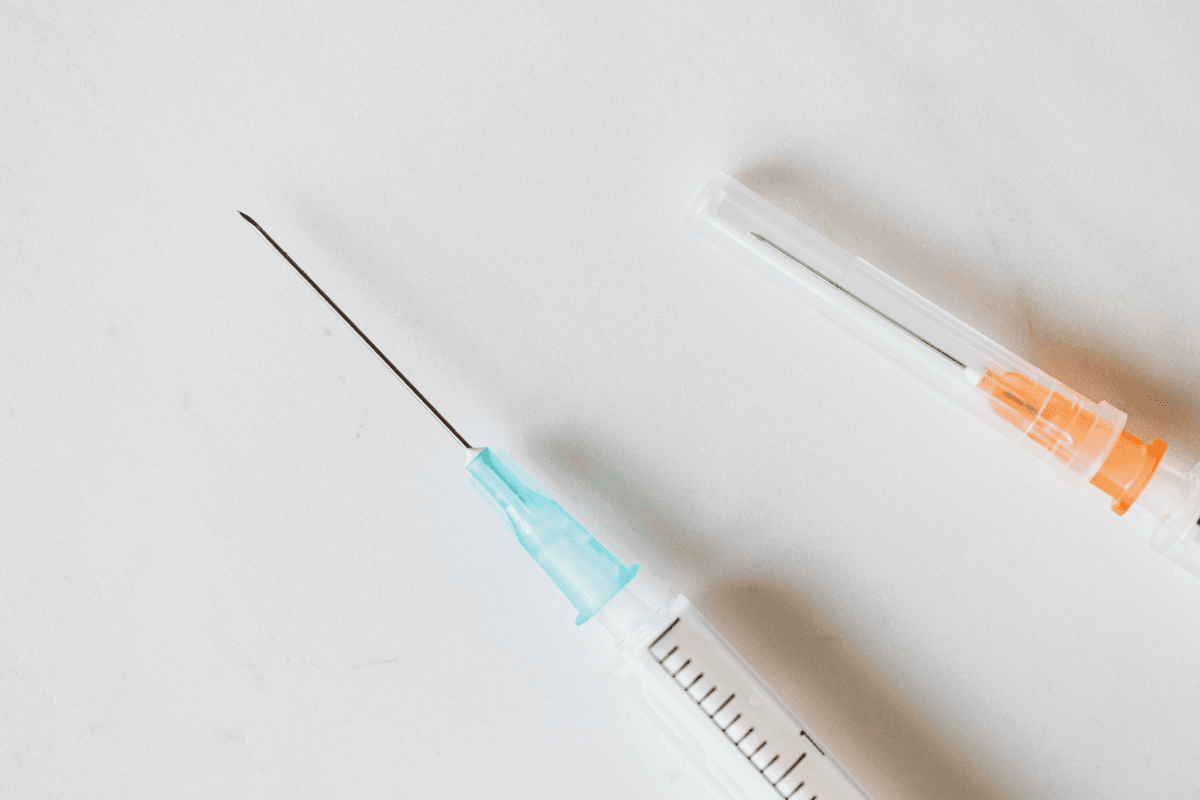
If you want to understand how the medication is packaged and labeled, you can review the product format on Aranesp Prefilled Syringe for reference while you discuss specifics with your clinician.
Route, Injection Sites, And Technique Details
Aranesp may be given under the skin (subcutaneous) or into a vein (intravenous), depending on the condition and setting. Many people hear “shot” and assume it is always under the skin, but dialysis centers may use an IV route. The chosen method can affect convenience, comfort, and how visits are scheduled.
Clinicians may describe the darbepoetin alfa injection route as SC or IV. For SC injections, common sites include the abdomen (avoiding the navel area), the front of the thighs, or the upper outer arm. For IV dosing, it is generally administered by trained professionals through existing access. Your team will also discuss the darbepoetin alfa injection site rotation plan if you self-inject.
| Approach | Typical setting | Practical considerations |
|---|---|---|
| Subcutaneous (under the skin) | Home or clinic | Requires site rotation and sharps disposal |
| Intravenous (into a vein) | Dialysis center | Often coordinated with dialysis sessions |
If iron deficiency is also present, your clinician may recommend iron replacement. For readers comparing options, Monoferric is one example of IV iron to discuss with the care team when iron repletion is needed.
Monitoring: Labs, Blood Pressure, And Follow-Up Visits
Safe use depends on follow-up. Anemia treatment is a moving target, and the plan often changes as your health changes. That’s why aranesp injection monitoring labs are part of routine care, especially early in treatment or after dose changes.
Hemoglobin is the lab most people recognize, but it’s not the only one. Your clinician may also follow iron studies (ferritin and transferrin saturation), kidney function tests, and sometimes vitamin levels. If you have cancer, blood counts may be tracked alongside chemotherapy cycles.
Blood pressure is another key piece. People often ask what should blood pressure be before giving aranesp, and there is not one universal number for everyone. The safer approach is “controlled for you,” based on your history and clinician-defined thresholds. If home readings are rising, tell your care team before the next dose.
If you are navigating cancer care and comparing blood-related treatments, browsing Cancer Treatment Options can help you see what therapies exist, then discuss fit and safety with your oncology team.
Side Effects And Safety Signals To Watch For
Many people tolerate ESAs well, but side effects can happen. Common issues may include headache, body aches, swelling, injection-site discomfort, or higher blood pressure. Your clinician should review aranesp injection side effects in a way that fits your risks and other medications.
More serious risks are uncommon but important to recognize. ESAs can increase the risk of blood clots in some people, and they can also raise cardiovascular risk when hemoglobin is pushed too high. In cancer care, ESAs are used selectively because of concerns about tumor outcomes in certain settings. These risks are why clinicians use the lowest effective dose and monitor hemoglobin closely.
People also wonder how long do side effects of aranesp last. Many mild effects fade within a day or two, but it depends on the symptom and your health. If side effects are persistent, worsening, or frightening, contact your clinician promptly. Seek urgent care for symptoms like sudden chest pain, severe headache with vision changes, fainting, or signs of stroke.
Another common question is how long does aranesp stay in your system. Darbepoetin alfa has a longer half-life than some older ESAs, so effects can linger for days. That longer duration is part of why dosing may be less frequent, but it also means monitoring remains important even between injections.
Storage, Travel, And What To Do If You Miss A Dose
Prefilled syringes work best when they are stored correctly. Aranesp injection storage and handling typically includes refrigeration and protection from light, along with keeping the syringe in its original carton until use. Do not freeze the syringe, and do not use it if it has been frozen or shaken, unless your pharmacist confirms it is still usable.
If you travel, plan ahead. Use a cooler pack that keeps medication cold without direct contact that could freeze it. Keep a copy of your prescription and a note of your dosing schedule. If airport screening is involved, store syringes in carry-on luggage to avoid temperature extremes.
Missed doses are common, especially when appointments shift or you feel unwell. For an aranesp injection missed dose, the safest next step is to contact the prescribing clinic for instructions. Do not “double up” unless your prescriber specifically directs it. The timing often depends on your last hemoglobin and your overall plan.
It is also worth reviewing your full medication list for possible aranesp injection drug interactions and overlapping risks. While ESAs do not have many classic drug-drug interactions, other medicines can affect blood pressure, clotting risk, or iron status. A pharmacist can help you do a clean, organized review.
Recap
Aranesp is an ESA used for certain types of anemia, including CKD-related anemia and some chemotherapy-related anemia. The prefilled syringe can make dosing more straightforward, but safe use still relies on training, careful storage, and consistent follow-up.
If anything feels confusing, you are not alone. Bring your questions to your clinician, especially about dosing frequency, blood pressure goals, and lab monitoring. The best plan is the one tailored to your health and reviewed regularly.
This content is for informational purposes only and is not a substitute for professional medical advice for your personal situation.


