
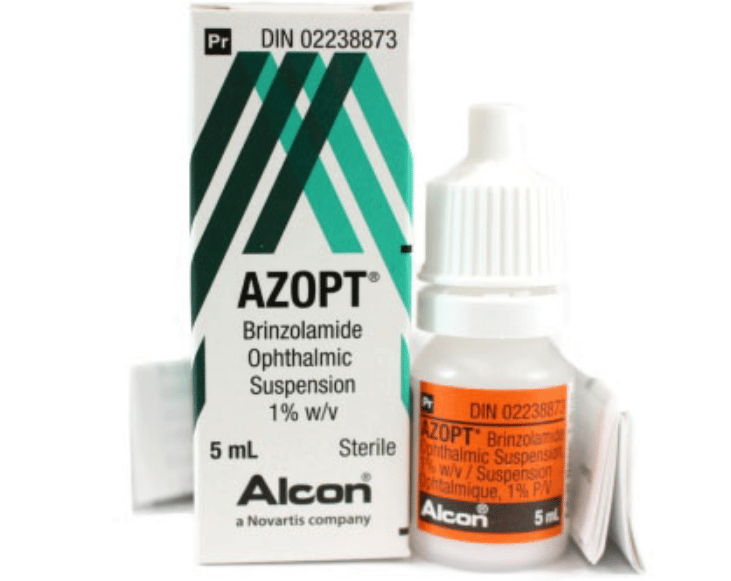
Many patients ask why is azopt so expensive when they refill eye drops. Price pressure feels unfair, especially with chronic glaucoma care. This guide explains the cost drivers, clinical basics, safety issues, and practical alternatives so you can discuss options confidently with your clinician.
Key Takeaways
- Cost drivers: small market, complex sterile manufacturing, and rebates
- Active drug: brinzolamide 1% carbonic anhydrase inhibitor (enzyme blocker)
- Generics and alternatives: availability varies by region and supply
- Safety notes: sulfonamide allergy risk, contact lens precautions
- Work with your clinician: step therapy, combinations, and tier exceptions
Why Is Azopt So Expensive: Cost Drivers Patients Face
Several forces keep prices elevated. First, brinzolamide eye drops serve a specific population, so volumes remain modest. Small markets mean fewer competitors and less pricing pressure. Second, sterile ophthalmic suspensions require specialized facilities, rigorous quality controls, and ongoing sterility testing. Those inputs raise per-unit costs.
Market dynamics matter too. Formularies, pharmacy benefit manager rebates, and tiering can push copays higher. When fewer AB-rated generics are widely distributed, brands hold leverage. Alcon, the original azopt eye drops manufacturer, also invests in stability data, pharmacovigilance, and supply chain safeguards. These real costs, plus distribution markups, roll into the final price patients see at the counter.
For label-backed information on formulation and use, the U.S. reference remains helpful. You can review the FDA-approved product information via the DailyMed listing to confirm key safety points and ingredients (the U.S. label).
What Azopt Does: Uses, Mechanism, and Composition
Azopt is a brand name for brinzolamide, a carbonic anhydrase inhibitor (enzyme blocker) used to lower intraocular pressure (IOP). Lowering IOP helps slow optic nerve damage in open-angle glaucoma and ocular hypertension. Clinicians may use it alone or with other drug classes such as beta-blockers or prostaglandin analogs. In practice, brinzolamide is often chosen when patients need an adjunctive drop to reach target pressure.
The suspension contains brinzolamide 1% with a preservative and other inactive ingredients that stabilize pH and viscosity. Patients who wear soft contact lenses should note preservatives can bind lenses. Removing lenses before dosing and waiting to reinsert helps reduce irritation. If sensitivity continues, asking about preservative-free options or different classes can be helpful.
How It Works (Mechanism of Action)
Brinzolamide reduces aqueous humor production by inhibiting carbonic anhydrase II in the ciliary processes. Less aqueous humor means lower fluid inflow to the anterior chamber, thereby reducing IOP. This mechanism targets production rather than outflow, so many clinicians pair it with agents that increase drainage, like prostaglandin analogs. Patients comparing brinzolamide eye drops to other agents should look at both pressure reduction and tolerability in real-world use. For a reliable overview of ocular drug classes and clinical role, see the American Academy of Ophthalmology’s glaucoma medication guidance (AAO guidance).
Because Azopt is a suspension, shake the bottle gently before use. Even dispersion helps deliver consistent dosing. If vision blurs temporarily after instillation, avoid driving until it clears.
Brand, Generic, and Alternatives
Many patients ask whether an azopt generic is available and reliably stocked. Availability can vary by country, distributor, and time. Even when a generic exists, pharmacies may face intermittent supply or insurance formulary restrictions. When cost is a concern, clinicians sometimes shift patients to another drug class or a fixed combination that reduces bottle count.
To compare the reference brand with current formulation details, see Azopt Ophthalmic Suspension for label references and ingredients. Some patients do well on prostaglandin/beta-blocker fixed combos; for combination therapy perspectives, see Latanoprost Timolol Solution for cross-class comparisons and practical combinations. Others may benefit from a carbonic anhydrase inhibitor plus beta-blocker; for a paired option, see Dorzolamide Timolol Solution for combination therapy comparisons and practical dosing ranges.
When CAI drops are not tolerated, alpha-agonists or beta-blockers may help. If you want to understand an alpha-agonist alternative’s positioning, see Alphagan Z Ophthalmic 0.1% for context on side effects and use cases. If your plan prefers timolol-based drops, see Timol Eye Drops for a beta-blocker option frequently paired with other agents. For a broader patient-oriented overview, you can also read Azopt Eye Drops Guide for plain-language background and practical checklists.
Dosing And Administration Basics
Labeling outlines typical schedules and instillation technique. Discuss timing with your clinician, especially if you take multiple eye drops. Space drops by at least several minutes to reduce washout. If you use ointments, apply them last so they do not block earlier medications. Store the bottle as directed and avoid touching the dropper tip.
Clinicians consider patient routines, pressure targets, and tolerance when selecting brinzolamide dosage frequency. Evidence may support different schedules depending on whether it is monotherapy or an add-on. Because adherence drives IOP control, ask for a plan that fits your day. Review any device aids, such as droppers or timers, if dexterity, vision, or memory makes dosing difficult.
For detailed label parameters and ingredient notes, you can check the NIH-maintained listing for ophthalmic products (NIH drug references) to cross-verify storage and administration basics.
Drug and Device Interactions
Most clinically relevant interactions relate to additive carbonic anhydrase effects. Using oral CAIs alongside topical brinzolamide can increase systemic exposure. High-dose salicylates and certain acid-base disorders warrant caution. Patients with severe renal impairment need individualized assessment because carbonic anhydrase inhibitors can alter acid-base balance. Always share a complete medication list with your eye care team.
Contact lens wearers should watch for preservative-related irritation. Benzalkonium chloride can bind soft lenses and reduce comfort. Remove lenses before dosing and wait an interval before reinsertion, per label directions. If symptoms persist, discuss preservative-free alternatives or a different class. For day-to-day safety planning, clinicians consider azopt interactions when building combination regimens that include beta-blockers, prostaglandins, or alpha-agonists.
Side Effects, Warnings, and Allergies
Typical reactions include transient blurred vision, eye discomfort, and a bitter or metallic taste. These usually fade as you continue therapy, though not always. Rarely, systemic sulfonamide-type reactions can occur because brinzolamide is a sulfonamide derivative. Seek care for rashes, breathing difficulty, or marked fatigue. If you have a prior sulfonamide allergy, alert your prescriber before starting. A careful risk–benefit conversation can reduce surprises later.
Patients often ask about azopt eye drops side effects when comparing options. Taste disturbance (dysgeusia) and temporary blurred vision are common. Conjunctival hyperemia and tearing may appear. To cross-check common reactions and precautions, see the government-curated MedlinePlus overview, which summarizes label information in patient-friendly terms (MedlinePlus overview). Report unusual or persistent effects to your clinician, especially if symptoms disrupt adherence or daily tasks.
Special Situations: Pregnancy, Breastfeeding, and Pediatrics
Evidence in pregnancy is limited, and systemic absorption from topical dosing is small but not zero. If therapy is essential, clinicians weigh maternal benefit against potential risks. Techniques like punctal occlusion (gentle pressure at tear duct) can help reduce systemic exposure after instillation. For breastfeeding, transfer into milk is not well defined. Decisions should factor infant health, dosing schedule, and availability of alternatives.
Families and caregivers often seek practical guidance on azopt pregnancy and breastfeeding safety. A collaborative plan can balance IOP control with developmental considerations. Pediatric use is specialized and may involve off-label decisions guided by subspecialists. When questions arise, ask your ophthalmologist to coordinate with obstetrics or pediatrics so dosing, monitoring, and substitution plans align across teams.
Comparisons and Combinations
Brinzolamide and dorzolamide share a mechanism and class but differ in formulation and comfort for some users. A small subset reports less stinging with one suspension over another solution. Real-world response can vary, so clinicians often try the better-covered option first. If target pressures are not reached, a switch or add-on is considered. Fixed combinations can also simplify regimens, reducing bottle burden and exposure to preservatives.
When a beta-blocker is preferred in combinations, your clinician may suggest timolol-containing regimens. For practical comparisons and dosing perspectives, see Dorzolamide Timolol Solution for dual-mechanism context and real-world use. If a prostaglandin plus beta-blocker fits better, see Latanoprost Timolol Solution to understand how two pathways complement CAIs. If you need a timolol-only option to pair separately, see Timol Eye Drops for beta-blocker background and pairing strategies.
Access and Practical Cost Tips
Cost relief usually requires a mix of clinical and administrative steps. Ask your clinician about formulary tiers, step therapy rules, and whether a tier exception could apply. Documented intolerance or treatment failure on a covered alternative sometimes helps. Pharmacy staff can check stock and pricing variability across local locations. Patient assistance programs and coupon programs may help some, though eligibility varies.
Consider whether a single fixed combination could replace two bottles and reduce copays. If preservatives cause irritation, discuss alternatives that may improve comfort and adherence. Steady use supports IOP control, which protects long-term vision. For a concise plain-language overview that you can share at appointments, see Azopt Eye Drops Guide for patient-friendly summaries and checklists.
Recap
Azopt is a branded brinzolamide suspension used to lower intraocular pressure. Prices remain high because of small-market dynamics, sterile manufacturing, and formulary factors. Patients can still find relief by discussing coverage rules, acceptable substitutions, and fixed combinations. When symptoms limit use, ask about alternative classes or preservative differences that may improve comfort. Document responses and share them with your care team.
Choosing among classes is less about brand loyalty and more about safe, consistent pressure control. Use clinical terms as reference points, but translate them into day-to-day routines you can follow. With aligned goals, patients and clinicians can balance cost, comfort, and effectiveness over time.
Note: Always follow the label and your clinician’s instructions for use and monitoring.
This content is for informational purposes only and is not a substitute for professional medical advice.


