
Please note: a valid prescription is required for all prescription medication.
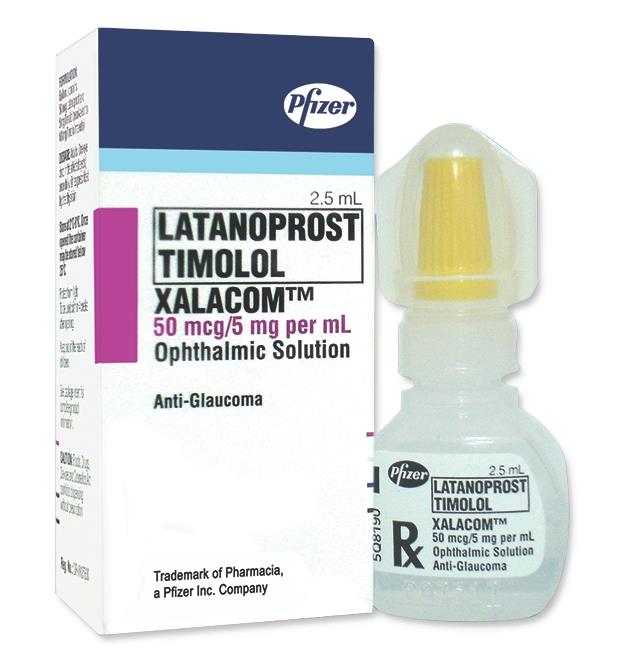
Latanoprost/Timolol Ophthalmic Solution
Buy Latanoprost/Timolol Ophthalmic Solution Online
Secure Encrypted Payments
Latanoprost/Timolol Ophthalmic Solution is a combination eye drop used to lower elevated pressure inside the eye. It can be ordered online with US delivery from Canada, and you can choose the dose or strength shown during ordering to match your clinician’s directions.
This medicine combines two glaucoma therapies in one bottle: latanoprost, a prostaglandin analog, and timolol, a beta blocker. Together, they help reduce intraocular pressure, often called IOP, in people being treated for open-angle glaucoma or ocular hypertension.
Latanoprost/Timolol Price, Strength, and Ordering Details
Customers looking for Latanoprost Timolol price from Canada can view the current cash-pay cost during checkout before completing an order. Pricing may vary by bottle size, manufacturer, country of origin, and the strength displayed for the medicine. Choose the Latanoprost/Timolol Ophthalmic Solution strength shown in the ordering flow only if it matches the directions from your eye-care clinician.
The commonly referenced fixed-dose combination is Latanoprost Timolol Ophthalmic Solution 0.005%/0.5%, also described as latanoprost 0.005% with timolol maleate equivalent to timolol 0.5%. Some customers search for Xalacom eye drops 0.005%/0.5% or Generic Xalacom ophthalmic solution because Xalacom is a reference brand for this active-ingredient combination in some markets. Brand names, packaging, and manufacturer availability can differ by country.
Many people pay out of pocket for long-term glaucoma therapy, especially when local insurance coverage is limited. If you are self-paying, review the quantity, bottle size, and current cost carefully so your refill timing fits your follow-up plan. For broader browsing within eye-care treatments, see our ophthalmology category.
What This Combination Treats
Latanoprost/timolol combination eye drops are used to reduce elevated intraocular pressure in open-angle glaucoma and ocular hypertension. Open-angle glaucoma is a chronic eye condition in which pressure and other factors can damage the optic nerve over time. Ocular hypertension means eye pressure is higher than expected, even if glaucoma damage has not been diagnosed.
Lowering eye pressure is one of the main ways clinicians help reduce the risk of progressive optic nerve injury. This medicine does not cure glaucoma, and it does not restore vision that has already been lost. Its role is ongoing pressure control, which is why consistent use and scheduled eye pressure checks matter.
People treated for open-angle glaucoma or ocular hypertension may be considered for a two-ingredient drop when a single agent does not provide enough pressure reduction or when simplifying the routine is useful. Your clinician will decide whether a combination drop fits your eye pressure target, medical history, and tolerance of each ingredient.
How Latanoprost and Timolol Work Together
Latanoprost is a prostaglandin analog. It helps lower eye pressure by increasing the outflow of aqueous humor, the clear fluid inside the front part of the eye. Better fluid outflow can reduce pressure on internal eye structures, including the optic nerve area.
Timolol is a beta blocker used in ophthalmology. It lowers eye pressure by reducing the amount of fluid the eye produces. Because the two ingredients act through different mechanisms, the fixed-dose combination may provide additional pressure lowering compared with one ingredient alone for some patients.
The combination format can also reduce the number of separate bottles in a daily routine. That convenience may help some people use therapy more consistently, although it still requires careful technique. If another eye drop is part of your regimen, separate doses by the interval recommended by your clinician or the medicine label.
How to Use the Eye Drops
Use the drops exactly as directed by your clinician and the official product label. A common schedule for latanoprost/timolol is one drop in the affected eye or eyes once daily, often in the evening. Do not use extra drops unless your clinician specifically tells you to, because more frequent dosing may not improve pressure control and can increase side effects.
Good technique helps the medicine reach the eye and limits contamination of the bottle tip. Wash your hands first. Tilt your head back, gently pull down the lower eyelid, and place one drop into the pocket of the eyelid without touching the bottle tip to your eye, lashes, fingers, or skin.
- Close the eye gently after the drop goes in.
- Press the inner corner of the eye for 1 to 2 minutes if instructed.
- Wipe away excess liquid with a clean tissue.
- Wait at least 5 minutes before using another eye medication, unless directed otherwise.
- Avoid touching the bottle tip to any surface.
Vision may blur briefly after dosing. Wait until your vision clears before driving, reading small print, or using machinery. If a drop misses the eye, follow the directions provided by your clinician or label rather than repeatedly adding extra drops.
Why Many People Use It at Night
Latanoprost-containing drops are often used in the evening because prostaglandin analogs have traditionally been dosed at night in many treatment plans. Evening use may also make it easier to fit the drop into a consistent daily routine. The best time for you is the schedule your clinician recommends and that you can follow reliably.
Consistency matters more than perfection. If you miss a dose, the usual approach is to take the next dose at the regular time and not double up. Applying drops too close together can wash medication out of the eye and may increase irritation.
Quick tip: Set a daily phone reminder tied to an existing routine, such as brushing your teeth at night.
Contact Lenses, Eye Comfort, and Daily Precautions
Soft contact lenses may absorb preservatives used in some multi-dose eye drops. If you wear contacts, remove them before using the drop and wait the amount of time directed on the label or by your clinician before reinserting them. Do not wear lenses if your eye is red, painful, infected, or unusually sensitive unless your eye-care clinician has cleared you to do so.
Avoid using the drops while the bottle tip is visibly contaminated, cracked, or has touched an unclean surface. Eye-drop contamination can increase the risk of infection. If the solution changes color, becomes cloudy, or contains particles, ask a healthcare professional or pharmacist what to do before using it.
Tell your clinician if you have had herpetic keratitis, recent eye surgery, lens implants, macular edema, uveitis, or severe dry eye symptoms. These history points can affect whether a prostaglandin-containing combination is appropriate and how closely your eyes should be monitored.
Side Effects, Warnings, and Monitoring
Common side effects may include burning, stinging, eye redness, itching, dry eye sensation, watery eyes, and temporary blurred vision after dosing. Some people notice eyelash growth, eyelid skin darkening, or gradual darkening of the iris. Iris color change may be permanent, especially in eyes with mixed brown coloration.
Timolol can be absorbed into the body even though it is placed in the eye. In susceptible people, beta-blocker effects may include slow heart rate, fatigue, dizziness, low blood pressure, shortness of breath, or worsening breathing problems. Tell your clinician if you have asthma, severe chronic obstructive pulmonary disease, certain heart rhythm problems, heart block, heart failure, diabetes with low-blood-sugar episodes, thyroid disease, or a history of severe allergic reactions.
Seek urgent medical help for severe breathing difficulty, chest pain, fainting, swelling of the face or throat, sudden vision loss, eye injury, intense eye pain, or signs of a serious allergic reaction. Contact your clinician promptly if redness, discharge, light sensitivity, swelling, or pain develops after starting the medicine.
Monitoring usually includes eye pressure checks and periodic exams of the optic nerve and visual fields. These visits help determine whether the drop is meeting your target pressure and whether side effects are manageable. Do not stop long-term glaucoma therapy without professional guidance, because eye pressure can rise without obvious symptoms.
Drug Interactions and Health Conditions to Discuss
Tell your healthcare team about all eye drops, oral medicines, inhalers, supplements, and over-the-counter products you use. Other beta blockers, some calcium channel blockers, digoxin, antiarrhythmics, and medicines that affect heart rate can add to timolol’s cardiovascular effects. Certain antidepressants and other medicines may also alter beta-blocker exposure in some people.
Using more than one prostaglandin analog at the same time is usually avoided unless specifically directed. Combining similar eye-pressure medicines can increase side effects and may not improve control. If you are switching from separate bottles to the combination, confirm which older drops should be stopped and when the new routine begins.
People with diabetes should be aware that beta blockers may mask some signs of low blood sugar, such as a fast heartbeat. Those with thyroid disease should also discuss beta-blocker precautions. Surgical teams may need to know about timolol use before procedures because beta blockers can affect heart and blood pressure responses.
Storage, Travel, and Refills
Store Latanoprost/Timolol Ophthalmic Solution according to the carton and patient leaflet. Many latanoprost-containing products require refrigeration before first opening and may be kept at room temperature for a limited time after opening, but storage instructions can vary by manufacturer. Protect the bottle from light, heat, and freezing.
Keep the cap tightly closed and the bottle tip clean. Discard the bottle by the labeled beyond-use date after opening, even if liquid remains. Using an old bottle can reduce reliability and may increase contamination risk.
For travel, keep the bottle in a protective case and avoid leaving it in a hot car, checked luggage exposed to extreme temperatures, or freezing conditions. BorderFreeHealth offers prompt, express shipping for orders, and temperature-sensitive handling may apply when required for the product being supplied. If you will be away from home, plan refills early so you do not run out between eye pressure checks.
How It Compares With Other Glaucoma Drops
Latanoprost/timolol is a fixed-dose combination of a prostaglandin analog and a beta blocker. It may be considered when a prostaglandin alone is not enough or when combining two separate drops into one bottle is appropriate. Suitability depends on both ingredients, not only on pressure-lowering goals.
Some people may instead use single-agent latanoprost, another prostaglandin analog, or a different combination medicine. A single-agent option can be preferable if timolol is not appropriate because of breathing or heart concerns. A different combination may be chosen if the clinician wants to avoid prostaglandin-related eye changes or use another mechanism.
For people reviewing alternatives, our ophthalmology articles may help frame questions for the next visit, including topics in the ophthalmology learning section. Internal condition information is educational and should not replace individualized eye-care decisions.
Brand, Generic, and Country-of-Origin Context
Xalacom is a brand name associated with the latanoprost/timolol combination in some countries. Generic Xalacom ophthalmic solution generally refers to products containing the same active ingredients, but names, approved labeling, manufacturers, and packaging can vary by market. The bottle you receive should be used according to its own label and your clinician’s directions.
Country-specific naming can be confusing for cross-border shoppers. A product may be marketed under one name in Canada and another name elsewhere, even when the active ingredients are familiar. If country of origin matters to you, review available Canada-origin product information when it is displayed for a medicine.
The practical buying decision is whether the active ingredients, strength, bottle quantity, storage requirements, and directions match your treatment plan. If any label detail looks different from what you expected, ask a pharmacist or clinician before using the bottle.
When to Contact Your Clinician
Contact your clinician if your eye pressure remains above target, side effects interfere with daily life, or the drop becomes difficult to use consistently. Glaucoma treatment often changes over time as pressure goals, eye exam findings, and tolerance evolve.
Ask for guidance before adding lubricating drops, allergy drops, steroid eye drops, or another glaucoma medicine. Some products can affect comfort, timing, or pressure control. Bring all eye medications to appointments so your care team can review the exact routine.
Why it matters: Eye pressure can rise silently, so routine monitoring is part of safe long-term treatment.
Authoritative Sources
Official latanoprost/timolol labeling
FDA DailyMed drug label database
This content is for informational purposes only and is not a substitute for professional medical advice.
Express Shipping - from $29.99
Shipping with this method takes 3-5 days
Prices:
- Dry-Packed Products $29.99
- Cold-Packed Products $39.99
Shipping Countries:
- United States (all contiguous states**)
- Worldwide (excludes some countries***)
Standard Shipping - $19.99
Shipping with this method takes 5-10 days
Prices:
- Dry-Packed Products $19.99
- Not available for Cold-Packed products
Shipping Countries:
- United States (all contiguous states**)
- Worldwide (excludes some countries***)
What is Latanoprost/Timolol Ophthalmic Solution used for?
It is used to lower elevated intraocular pressure in people treated for open-angle glaucoma or ocular hypertension. Lowering eye pressure helps reduce the risk of ongoing optic nerve damage, but it does not cure glaucoma or restore lost vision.
Why are latanoprost/timolol drops often used at night?
Latanoprost-containing drops are commonly dosed in the evening in many treatment plans. Follow the timing your clinician gives you, and try to use the drop at the same time each day for consistency.
What side effects can be permanent with latanoprost?
Latanoprost may gradually darken the iris, and that color change can be permanent. It may also cause eyelash growth or eyelid skin darkening. Report new eye changes to your clinician during treatment.
What should I avoid while using these eye drops?
Avoid touching the bottle tip to your eye, lashes, fingers, or any surface. Remove soft contact lenses before dosing and wait as directed before reinserting them. Do not use extra drops or combine similar glaucoma medicines unless instructed.
Is latanoprost/timolol a good eye drop for glaucoma?
It can be an effective option for some people who need pressure lowering from two mechanisms in one bottle. It is not suitable for everyone, especially some people with asthma, severe COPD, slow heart rate, or certain heart conditions.
Rewards Program
Earn points on birthdays, product orders, reviews, friend referrals, and more! Enjoy your medication at unparalleled discounts while reaping rewards for every step you take with us.
You can read more about rewards here.
POINT VALUE
How to earn points
- 1Create an account and start earning.
- 2Earn points every time you shop or perform certain actions.
- 3Redeem points for exclusive discounts.
You Might Also Like
Select options
This product has multiple variants. The options may be chosen on the product page
Select options
This product has multiple variants. The options may be chosen on the product page
Select options
This product has multiple variants. The options may be chosen on the product page
Select options
This product has multiple variants. The options may be chosen on the product page