
Please note: a valid prescription is required for all prescription medication.
Timolol
Buy Timolol Eye Drops Online
Secure Encrypted Payments
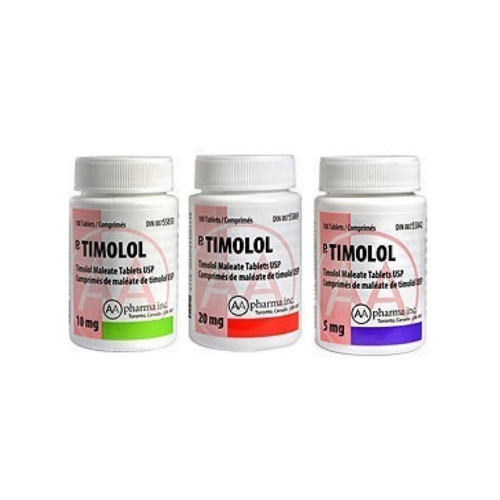
Timolol is an ophthalmic beta blocker used to lower elevated pressure inside the eye in people with open-angle glaucoma or ocular hypertension. It can be bought online through BorderFreeHealth, with the dose or strength chosen during ordering matched to the directions from your eye-care clinician. U.S. customers may use US delivery from Canada when planning ongoing therapy and refills.
Price, Strength, and Ordering Details
Timolol eye drops price can vary by strength, bottle format, manufacturer, and quantity. During ordering, match the product strength shown with the directions on your eye-care plan rather than choosing based only on cost. Common ophthalmic solution strengths discussed for this medicine include 0.25% and 0.5%, and some markets also use preservative-free unit-dose formats for people with sensitive eyes.
Many people compare the cost of timolol eye drops with combination drops or other glaucoma medicines because treatment often continues long term. If your regimen includes more than one eye drop, consider total monthly use, bottle size, spacing between drops, and follow-up monitoring. The ophthalmology category can help you place Timolol in context with other eye-care medicines.
Quick tip: Keep the carton or label handy when reordering so the strength and instructions stay consistent.
What Timolol Does in the Eyes
Timolol ophthalmic drops reduce intraocular pressure, which means pressure inside the eye. They do this by decreasing the amount of aqueous humor produced by the ciliary body. Lowering pressure helps reduce stress on the optic nerve, an important goal in managing glaucoma and ocular hypertension.
This medicine belongs to the non-selective beta blocker class. It is placed in the eye, but a small amount can still enter the bloodstream through the tear duct and nasal tissues. That is why careful drop technique matters, especially for people with lung disease, heart rhythm concerns, diabetes, thyroid disease, or medicines that also affect heart rate.
Timolol may be used by itself or with other eye-pressure medicines when additional pressure lowering is needed. The exact plan depends on pressure targets, optic nerve findings, visual-field testing, tolerability, and how consistently the drops can be used.
Who Timolol Is Used For
Timolol eye drops are used to treat elevated eye pressure associated with open-angle glaucoma or ocular hypertension. Open-angle glaucoma is a chronic condition in which drainage through the eye’s normal angle remains open, but fluid outflow is not enough to keep pressure at a safe level for the optic nerve. Ocular hypertension means eye pressure is higher than expected, even if glaucoma damage has not been diagnosed.
Good candidates are typically adults who need pressure reduction and can use a topical beta blocker safely. Timolol is not a cosmetic eye drop and should not be used for red eye, dryness, allergy symptoms, or eye pain unless a clinician has identified elevated eye pressure as the treatment target. Regular eye exams remain important because pressure can change without obvious symptoms.
Some people need a different approach. Timolol is generally avoided in people with bronchial asthma, a history of asthma, severe chronic obstructive pulmonary disease, sinus bradycardia, second- or third-degree atrioventricular block, overt cardiac failure, or cardiogenic shock. Use extra caution if you have diabetes, thyroid disease, myasthenia gravis, low blood pressure, or take medicines that slow the heart.
How to Use the Drops Safely
Use Timolol exactly as directed on your treatment plan and product label. A commonly referenced schedule for timolol ophthalmic solution is one drop in the affected eye or eyes once or twice daily, but individual directions can differ. Do not add extra drops to make the medicine work faster, and do not change the schedule without medical guidance.
Use a clean technique each time:
- Wash your hands before handling the bottle or unit-dose vial.
- Tilt your head back and gently pull down the lower eyelid.
- Place one drop into the pocket without touching the tip to your eye, lashes, skin, or fingers.
- Close the eye gently after dosing rather than squeezing it shut.
- Press the inner corner of the eye for 1 to 2 minutes to reduce drainage into the nose.
- If using more than one eye medicine, separate drops by at least 5 minutes.
- Apply gels or ointments last because they can block absorption of liquid drops.
If you wear soft contact lenses, remove them before applying preserved drops and wait before reinserting them as directed on the label or by your clinician. Preservatives such as benzalkonium chloride may be absorbed by soft lenses and may worsen irritation in some people.
Missed Doses and Daily Timing
If you miss a dose, apply it when you remember on the same day. If it is close to the next scheduled dose, skip the missed application and return to the usual routine. Do not use two doses at once to catch up.
Consistency is important because glaucoma and ocular hypertension usually require steady pressure control. Pairing the drop with a daily habit, using a phone alarm, or keeping a small dosing card can help prevent skipped applications. If you repeatedly miss doses because of stinging, blurred vision, scheduling problems, or multiple bottles, bring that issue to your eye-care visit before stopping therapy.
Side Effects, Warnings, and Monitoring
Common side effects may include mild burning or stinging after the drop, eye irritation, dryness, redness, watery eyes, brief blurred vision, headache, dizziness, or a bitter taste. These effects are often short-lived, but persistent discomfort can interfere with regular use. Report new eye pain, swelling, rash around the eye, discharge, severe redness, or vision changes promptly.
Because Timolol is a beta blocker, serious systemic effects are possible even though it is used in the eye. Seek urgent care for wheezing, shortness of breath, fainting, chest discomfort, a very slow pulse, severe dizziness, or symptoms of worsening heart failure. People with diabetes should know that beta blockers can mask some warning signs of low blood sugar, such as fast heartbeat.
Important interactions include oral beta blockers, some calcium channel blockers, digoxin, medicines that affect heart rhythm, and clonidine. Additive effects can increase the risk of low blood pressure, slow heart rate, or heart block. Tell every clinician involved in your care about all eye drops, tablets, injections, supplements, and over-the-counter products you use.
Eye pressure monitoring shows whether the treatment is meeting the target. Your clinician may measure intraocular pressure, examine the optic nerve, and perform visual-field or imaging tests over time. A stable pressure reading does not mean follow-up can stop, because glaucoma progression can occur gradually.
Storage, Handling, and Travel
Store Timolol as directed on the label, usually at room temperature and away from excess heat, moisture, and direct light. Keep the cap tightly closed and avoid contaminating the dropper tip. Do not freeze the bottle unless the product label specifically allows it, and keep all eye medicines away from children and pets.
Discard single-use preservative-free vials after the directed use period, even if liquid remains. Multi-dose bottles should not be shared, because sharing can spread infection. If the liquid changes color, becomes cloudy when it should be clear, or the container is damaged, ask a pharmacist or clinician before using it.
For travel, keep the medicine in original packaging with the label visible. Pack it in a carry-on bag rather than checked luggage when possible, and use reminders if time zones shift your dosing routine. BorderFreeHealth may offer prompt, express shipping, so plan refills before the bottle runs low rather than waiting until the last few doses.
How Timolol Compares With Related Eye Drops
Timolol lowers eye pressure by reducing fluid production. Prostaglandin analogs, carbonic anhydrase inhibitors, alpha agonists, and fixed-combination drops lower pressure through different mechanisms or paired mechanisms. The right choice depends on target pressure, dosing burden, side effects, other medical conditions, and whether one bottle can replace multiple separate drops.
Dorzolamide and timolol eye drops combine a carbonic anhydrase inhibitor with a beta blocker. Latanoprost timolol eye drops combine a prostaglandin analog with a beta blocker. Combination products can simplify routines for some people, but they may not suit everyone because they combine the warnings and tolerability issues of both ingredients.
Timolol is related to broader cardiovascular beta blocker therapy, but ophthalmic use is focused on eye pressure. If you also take medicines for hypertension, angina, heart rhythm problems, or heart failure, ask whether additive beta-blocking effects need monitoring. Eye and heart medicines can overlap in important ways even when one is a drop and the other is a tablet.
Cost-Saving and Refill Planning
Timolol cost without insurance is often a practical concern because glaucoma therapy may continue for years. Cash-pay customers may look at bottle quantity, strength, dosing frequency, and whether a single bottle or a combination product offers the simplest routine. A lower unit price is only useful if the medicine is the correct strength and can be used consistently.
Ask about refill timing before travel, seasonal closures, or extended stays away from home. If both eyes are treated or dosing is twice daily, the bottle may run out sooner than expected. Keeping one written medication list for all eye and non-eye medicines also helps avoid interaction problems during new medical visits.
People with ocular surface disease, contact lens routines, or preservative sensitivity may want to ask whether preservative-free Timolol Ocudose or Timoptic Ocudose formats are appropriate. Unit-dose formats can reduce preservative exposure, but they also require careful handling and disposal after opening.
Questions to Ask Your Eye-Care Clinician
- What eye-pressure target are we aiming for, and how often will it be checked?
- Should I use Timolol once daily or twice daily for my situation?
- Which strength matches my current treatment plan?
- How should I space Timolol from my other eye drops?
- Do my lung, heart, diabetes, or thyroid conditions affect whether Timolol is appropriate?
- What symptoms mean I should seek urgent care?
- Would a preservative-free or combination drop make my routine easier?
Why it matters: Small technique changes can reduce side effects and improve the chance that each drop reaches the eye.
Authoritative Sources
Official prescribing information for Timoptic ophthalmic solution
This content is for informational purposes only and is not a substitute for professional medical advice.
Blood Pressure Average Calculator
Average home blood pressure readings and show a simple screening range.
Average BP
-
entered readings only
Range
-
screening category
These calculations are for education only and do not replace clinical advice, diagnosis, or treatment. Always confirm medical decisions with a qualified healthcare professional.
Pulse Pressure Calculator
Calculate pulse pressure from systolic and diastolic blood pressure.
Pulse pressure
-
SBP - DBP
These calculations are for education only and do not replace clinical advice, diagnosis, or treatment. Always confirm medical decisions with a qualified healthcare professional.
Target Heart Rate Calculator
Estimate exercise heart-rate zones using age, resting heart rate, and the Karvonen method.
Max HR estimate
-
220 - age
Target zone
-
Karvonen method
These calculations are for education only and do not replace clinical advice, diagnosis, or treatment. Always confirm medical decisions with a qualified healthcare professional.
Express Shipping - from $29.99
Shipping with this method takes 3-5 days
Prices:
- Dry-Packed Products $29.99
- Cold-Packed Products $39.99
Shipping Countries:
- United States (all contiguous states**)
- Worldwide (excludes some countries***)
Standard Shipping - $19.99
Shipping with this method takes 5-10 days
Prices:
- Dry-Packed Products $19.99
- Not available for Cold-Packed products
Shipping Countries:
- United States (all contiguous states**)
- Worldwide (excludes some countries***)
What does Timolol do to the eyes?
Timolol lowers pressure inside the eye by reducing production of aqueous humor, the fluid made in the eye. Lower pressure helps reduce stress on the optic nerve in open-angle glaucoma or ocular hypertension.
Is Timolol a high-risk medication?
Timolol is widely used, but it can be risky for certain people because beta blocker effects may occur beyond the eye. Breathing problems, slow heart rate, low blood pressure, heart block, and worsening heart failure need prompt medical attention.
When should Timolol not be used?
Timolol is generally avoided in people with bronchial asthma, a history of asthma, severe COPD, sinus bradycardia, certain heart blocks, overt cardiac failure, or cardiogenic shock. Individual risks should be reviewed with a healthcare professional.
What is the generic name for Timolol?
The active ingredient is timolol, often supplied as timolol maleate in ophthalmic solution. Brand names and product formats can vary by market, including Timoptic, Betimol, Istalol, and unit-dose Ocudose formats.
Can Timolol be used with other glaucoma eye drops?
Yes, Timolol may be used with other eye-pressure medicines when a clinician recommends combination therapy. Separate different drops by at least 5 minutes, and apply gels or ointments last.
Rewards Program
Earn points on birthdays, product orders, reviews, friend referrals, and more! Enjoy your medication at unparalleled discounts while reaping rewards for every step you take with us.
You can read more about rewards here.
POINT VALUE
How to earn points
- 1Create an account and start earning.
- 2Earn points every time you shop or perform certain actions.
- 3Redeem points for exclusive discounts.
You Might Also Like
Select options
This product has multiple variants. The options may be chosen on the product page
Select options
This product has multiple variants. The options may be chosen on the product page
Select options
This product has multiple variants. The options may be chosen on the product page
Select options
This product has multiple variants. The options may be chosen on the product page