
Please note: a valid prescription is required for all prescription medication.
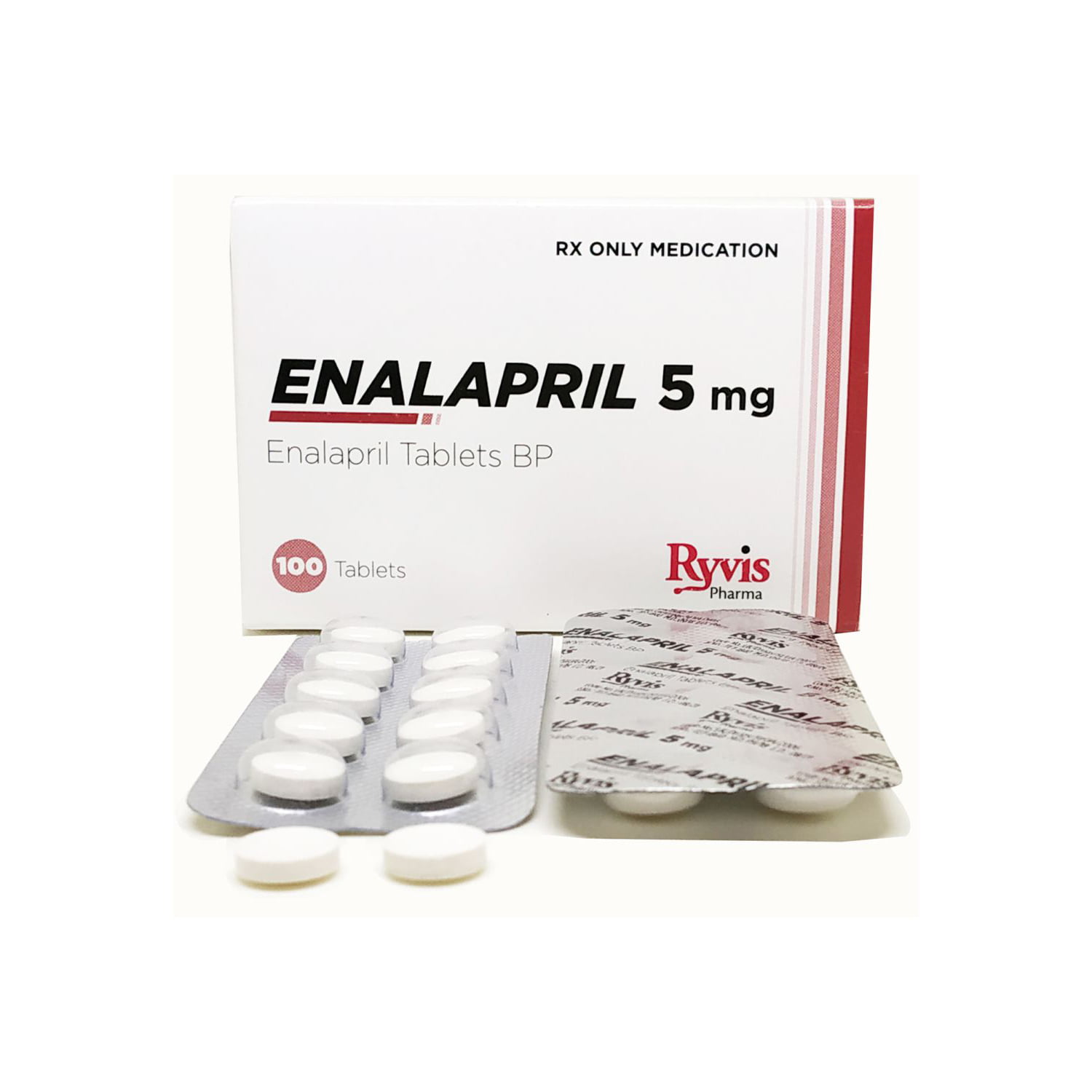
Enalapril
Buy Enalapril Online
Secure Encrypted Payments
Enalapril is an ACE inhibitor medicine used to lower high blood pressure and support certain heart failure treatment plans. It can be bought online with Canadian pricing, and you can choose the tablet strength shown during ordering to match your clinician’s directions. Enalapril tablets are commonly supplied as enalapril maleate, the generic active ingredient known by many patients as the Generic for Vasotec.
Enalapril Price, Strengths, and Ordering Basics
Enalapril price can vary by tablet strength, quantity, manufacturer, and supply source. During checkout, select the strength and quantity that match your medication label, then review the current total before completing your order. This helps cash-pay customers plan the monthly Enalapril cost without guessing from insurance copays or local pharmacy estimates.
Common tablet strengths include Enalapril 2.5 mg tablets, Enalapril 5 mg tablets, Enalapril 10 mg tablets, and Enalapril 20 mg tablets. Some labels list the medicine as enalapril maleate tablets, such as Enalapril maleate 5 mg, Enalapril maleate 10 mg, or Enalapril maleate 20 mg. The salt name does not change the practical step that matters most: match the active ingredient and strength to the directions from your healthcare professional.
Border Free Health provides US delivery from Canada for this medication. Products are supplied through licensed pharmacies, and order details may be reviewed before the pharmacy releases the medicine. If you are comparing Enalapril 10 mg price or Enalapril 20 mg price, keep quantity and refill timing consistent so the comparison is meaningful.
Quick tip: Keep a photo of your current medication label available when selecting the strength and quantity.
What Enalapril Treats
Enalapril treats high blood pressure, also called hypertension. Lowering blood pressure over time can reduce the strain on blood vessels, the heart, kidneys, and brain. For condition background, see our hypertension information.
Clinicians also use Enalapril as part of some heart failure regimens, especially when reducing the workload on the heart is a treatment goal. In these plans, it may be combined with other medicines such as diuretics, beta blockers, mineralocorticoid receptor antagonists, or other cardiovascular therapies. Our heart failure section explains the condition context in plain language.
This medicine is not a quick-relief treatment for chest pain, sudden shortness of breath, or hypertensive emergency symptoms. Seek urgent medical care for severe chest pressure, fainting, stroke-like symptoms, severe breathing trouble, or swelling of the face, lips, tongue, or throat.
How This ACE Inhibitor Works
Enalapril belongs to the angiotensin-converting enzyme inhibitor class, often shortened to ACE inhibitor. ACE inhibitors reduce the formation of angiotensin II, a hormone that narrows blood vessels and can increase blood pressure. With less angiotensin II activity, blood vessels relax and vascular resistance falls.
The medicine may also reduce aldosterone-related fluid and sodium effects, which can support blood pressure control in appropriate patients. In heart failure treatment, reducing vessel tightening can help the heart pump against less resistance. This does not mean the medicine is right for everyone, so your clinician should consider your kidney function, potassium level, blood pressure pattern, and other medicines.
For broader therapy context, browse our cardiovascular medicines category. People using blood pressure medicines often need more than one class, and your clinician may adjust treatment based on home readings and lab results.
Generic for Vasotec and Combination Options
Enalapril is the generic active ingredient associated with the brand name Vasotec. Many people use phrases such as Vasotec 10 mg or Vasotec 20 mg when discussing past therapy, while their current bottle may list enalapril maleate. The key comparison is the active ingredient, tablet strength, and directions, not just the brand history.
Some markets also include fixed-dose tablets that combine enalapril with hydrochlorothiazide, often abbreviated HCTZ. Examples commonly referenced include Enalapril HCTZ 5/12.5 mg and Enalapril HCTZ 10/25 mg combinations. These products are not the same as single-ingredient Enalapril tablets because they include a thiazide diuretic, which can change monitoring needs, side effect risks, and suitability.
If you are switching between a brand name, generic manufacturer, or combination tablet, confirm the active ingredients and strengths carefully. Combination tablets can simplify a regimen for some people, but they also make it harder to adjust each ingredient separately. Your clinician can decide whether single-ingredient Enalapril or a combination product fits your blood pressure and lab profile.
How to Take Enalapril Tablets
Enalapril tablets are usually taken once or twice daily, with or without food. Take each dose at the same time each day unless your clinician gives different instructions. Swallow the tablet with water, and do not change your schedule on your own if your readings improve.
Some people feel lightheaded when starting therapy or after a dose increase, especially if they also take a diuretic or have reduced fluid intake. Stand up slowly until you know how the medicine affects you. If vomiting, diarrhea, heavy sweating, or poor fluid intake occurs, ask your healthcare professional how to manage your medicines safely during that period.
Home blood pressure tracking helps show whether the treatment plan is working. Use a validated cuff, sit quietly before measuring, and record readings in a consistent format. Bring the record to follow-up visits, because isolated readings can be less useful than a pattern over several days or weeks.
Monitoring Kidney Function and Potassium
Enalapril is processed in a way that makes kidney monitoring important. ACE inhibitors can be kidney-protective in some treatment plans, yet they can also change kidney blood flow and raise creatinine in certain situations. Your clinician may order blood tests after starting therapy, after dose changes, or when adding interacting medicines.
Potassium can rise while taking this medicine. High potassium may not cause obvious symptoms at first, but it can become serious if levels climb too far. Tell your clinician if you use potassium supplements, salt substitutes containing potassium, potassium-sparing diuretics, or medicines that affect the renin-angiotensin system.
People with kidney disease, kidney artery narrowing, dehydration risk, diabetes, or heart failure often need closer follow-up. Our kidney disease information may help you understand why laboratory monitoring matters when using blood pressure medicines.
Side Effects, Warnings, and Interactions
The most recognized Enalapril side effect is a dry cough. It can be mild for some people and persistent for others. If a cough becomes bothersome, do not stop the medicine without discussing alternatives; your clinician may consider another blood pressure class if appropriate.
- Dizziness or lightheadedness, especially when starting therapy
- Dry cough that may persist during ACE inhibitor use
- Headache, tiredness, or weakness
- Higher potassium levels on blood testing
- Changes in kidney function tests
Serious reactions require prompt attention. Angioedema can cause swelling of the face, lips, tongue, throat, or airway and needs urgent medical care. Very low blood pressure can occur, particularly with dehydration, aggressive diuretic therapy, or sudden fluid loss. Enalapril should not be used during pregnancy because ACE inhibitors can harm an unborn baby.
Tell your healthcare professional about every medicine, supplement, and over-the-counter product you use. Important interaction concerns include potassium supplements, potassium-sparing diuretics, salt substitutes, lithium, nonsteroidal anti-inflammatory drugs such as ibuprofen or naproxen, ARBs, aliskiren, and other medicines that affect kidney function or potassium. Alcohol may increase dizziness in some people.
People with a history of ACE inhibitor-related angioedema should avoid this class. Those with severe kidney artery narrowing, significant dehydration, or unstable kidney function need individualized assessment. If you are scheduled for surgery or a procedure, tell the care team that you take an ACE inhibitor.
Missed Dose, Storage, and Travel
If you miss a dose, take it when you remember the same day unless it is close to the next scheduled dose. Skip the missed dose if the next one is near. Do not take two doses at once to make up for a missed tablet.
Store Enalapril tablets at room temperature in a dry place. Keep the bottle tightly closed and away from excess moisture, heat, children, and pets. Bathrooms are often too humid for tablet storage, so a bedroom cabinet or other dry location is usually better.
When traveling, keep the medicine in your carry-on bag with the pharmacy label intact. Bring enough tablets for the trip plus a small buffer if your clinician agrees. For time-zone changes, aim to keep the usual interval between doses and ask your healthcare professional for specific guidance if your schedule becomes confusing.
What to Expect Over Time
Blood pressure often improves gradually as the dose and treatment plan are adjusted. You may not feel different when your numbers improve, which is why home readings and follow-up visits are important. Continue lifestyle measures recommended by your care team, such as sodium reduction, physical activity, weight management, and limiting alcohol when appropriate.
If blood pressure remains above target, your clinician may add or adjust another medication rather than relying on Enalapril alone. Common add-on classes include thiazide-type diuretics, calcium channel blockers, beta blockers, or other heart medicines depending on your health history. Side effects, kidney tests, potassium, and heart failure status can influence these choices.
Contact your clinician if you develop fainting, severe dizziness, swelling of the face or throat, signs of high potassium, sudden reduced urination, or pregnancy while taking this medicine. Routine follow-up is also important when you feel well, because lab changes may appear before symptoms.
Related Cardiovascular Choices
Enalapril is one ACE inhibitor among several. Your clinician may choose it because of your blood pressure pattern, heart failure plan, kidney considerations, tolerance, and dosing routine. Some patients stay with Enalapril for years, while others switch because of cough, potassium changes, kidney results, or blood pressure response.
Country-of-origin and manufacturer details may matter when reviewing your order. You can view Canadian-sourced medicines through our Canada country-of-origin category when that context helps you organize refills. For broader educational reading, the cardiovascular articles section covers related heart and blood pressure topics.
Do not substitute another ACE inhibitor, ARB, or combination tablet without clinical guidance. Medicines within the same category can differ in dosing schedules, strengths, interactions, and monitoring plans. Bring your current medication list to each visit so your care team can reduce duplicate therapy and interaction risks.
Authoritative Sources
The following medical references provide additional safety and use information for Enalapril:
- MedlinePlus drug information for enalapril
- Mayo Clinic enalapril oral route information
- NCBI Bookshelf clinical review of enalapril
This content is for informational purposes only and is not a substitute for professional medical advice.
Blood Pressure Average Calculator
Average home blood pressure readings and show a simple screening range.
Average BP
-
entered readings only
Range
-
screening category
These calculations are for education only and do not replace clinical advice, diagnosis, or treatment. Always confirm medical decisions with a qualified healthcare professional.
Mean Arterial Pressure Calculator
Calculate estimated mean arterial pressure from systolic and diastolic blood pressure.
MAP
-
DBP + one-third pulse pressure
These calculations are for education only and do not replace clinical advice, diagnosis, or treatment. Always confirm medical decisions with a qualified healthcare professional.
eGFR Calculator
Estimate kidney filtration using the 2021 CKD-EPI creatinine equation.
eGFR
-
mL/min/1.73 m2
G category
-
requires clinical context
These calculations are for education only and do not replace clinical advice, diagnosis, or treatment. Always confirm medical decisions with a qualified healthcare professional.
Creatinine Clearance Calculator
Estimate creatinine clearance using the Cockcroft-Gault equation.
CrCl
-
mL/min estimate
These calculations are for education only and do not replace clinical advice, diagnosis, or treatment. Always confirm medical decisions with a qualified healthcare professional.
Urine Albumin-Creatinine Ratio Calculator
Calculate urine albumin-creatinine ratio from spot urine albumin and creatinine values.
uACR
-
mg/g
uACR
-
mg/mmol
Category
-
A1/A2/A3 albuminuria range
These calculations are for education only and do not replace clinical advice, diagnosis, or treatment. Always confirm medical decisions with a qualified healthcare professional.
Express Shipping - from $29.99
Shipping with this method takes 3-5 days
Prices:
- Dry-Packed Products $29.99
- Cold-Packed Products $39.99
Shipping Countries:
- United States (all contiguous states**)
- Worldwide (excludes some countries***)
Standard Shipping - $19.99
Shipping with this method takes 5-10 days
Prices:
- Dry-Packed Products $19.99
- Not available for Cold-Packed products
Shipping Countries:
- United States (all contiguous states**)
- Worldwide (excludes some countries***)
What is the most common side effect of Enalapril?
A dry cough is one of the most recognized side effects of Enalapril and other ACE inhibitors. Dizziness, headache, tiredness, higher potassium, and kidney test changes can also occur. Contact your clinician if side effects are persistent, severe, or accompanied by swelling of the face, lips, tongue, or throat.
Is Enalapril a good blood pressure pill?
Enalapril is a well-established ACE inhibitor used to treat high blood pressure and certain heart failure treatment plans. Whether it is a good choice for you depends on your blood pressure goals, kidney function, potassium level, pregnancy status, other medicines, and history of ACE inhibitor side effects.
What drugs should not be taken with Enalapril?
Important interaction concerns include potassium supplements, potassium-sparing diuretics, salt substitutes with potassium, lithium, NSAIDs such as ibuprofen or naproxen, ARBs, aliskiren, and other medicines that affect kidney function or potassium. Give your healthcare professional a complete medication and supplement list before starting or changing therapy.
Is Enalapril hard on the kidneys?
Enalapril can affect kidney blood flow and may change creatinine levels, so kidney function monitoring is important. In some care plans, ACE inhibitors are used because of heart and kidney-related benefits, but people with kidney disease, dehydration, kidney artery narrowing, or interacting medicines need closer follow-up.
Can Enalapril be taken with food?
Enalapril tablets are commonly taken with or without food. Consistent timing matters more than meal timing for most people. Follow the directions from your clinician and ask for guidance if nausea, dizziness, missed doses, or schedule changes make your routine difficult.
Rewards Program
Earn points on birthdays, product orders, reviews, friend referrals, and more! Enjoy your medication at unparalleled discounts while reaping rewards for every step you take with us.
You can read more about rewards here.
POINT VALUE
How to earn points
- 1Create an account and start earning.
- 2Earn points every time you shop or perform certain actions.
- 3Redeem points for exclusive discounts.
You Might Also Like
Select options
This product has multiple variants. The options may be chosen on the product page
Select options
This product has multiple variants. The options may be chosen on the product page
Select options
This product has multiple variants. The options may be chosen on the product page
Select options
This product has multiple variants. The options may be chosen on the product page