

Please note: a valid prescription is required for all prescription medication.
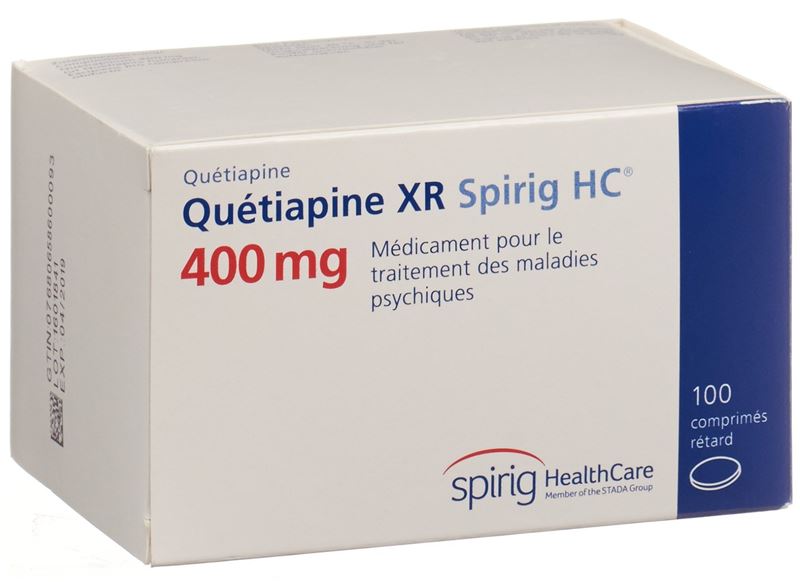
Quetiapine XR
Buy Quetiapine XR Online
Secure Encrypted Payments
Quetiapine XR is an extended-release quetiapine tablet used in the treatment of schizophrenia, bipolar disorder, and as add-on therapy for major depressive disorder in adults when clinically appropriate. It can be ordered online with US delivery from Canada, and you can choose the available dose or strength that matches your clinician’s directions. The extended-release tablet is designed for once-daily use and should be taken exactly as directed.
Price, Strengths, and Ordering Details
Quetiapine XR price can vary by strength, quantity, manufacturer, and sourcing route. Current pricing is shown during ordering so you can match the tablet strength on your medication label with the dose available for this product. Commonly referenced SEROQUEL XR and quetiapine XR strengths include 50 mg, 100 mg, 150 mg, 200 mg, 300 mg, and 400 mg, although the exact choices available can vary.
Many people look at Canadian pricing when they pay out of pocket or do not use insurance for mental health medications. When comparing the SEROQUEL XR cost with quetiapine ER alternatives, focus on the total daily dose, tablet count, and whether the extended-release form is the one your clinician intended. Substituting immediate-release quetiapine for XR is not a simple one-for-one customer decision because release timing and daily schedules differ.
Orders are handled through licensed pharmacy channels, and medication details may be reviewed before the pharmacy supplies the product. Ships from Canada to US service wording applies to qualifying items, with prompt, express shipping available as a logistics option. For country-of-origin browsing, see products associated with Canada.
What Quetiapine XR Is Used For
Quetiapine XR contains quetiapine fumarate in an extended-release tablet. It belongs to the atypical antipsychotic class, also called second-generation antipsychotics. These medicines affect several brain receptor systems, including serotonin and dopamine pathways, which can help reduce psychosis symptoms and support mood stabilization.
This medication is used for adults with schizophrenia, including symptoms such as hallucinations, delusions, disorganized thinking, or difficulty functioning. It is also used in bipolar disorder, including bipolar depression and manic or mixed episodes in bipolar I disorder. In adults with depression, quetiapine XR may be used with an antidepressant when response to antidepressant treatment alone has not been adequate.
Quetiapine XR is not approved for elderly patients with dementia-related psychosis. Antipsychotic medicines carry a boxed warning about increased risk of death in that population. People taking quetiapine for depression-related treatment also need close monitoring for mood changes, especially when treatment starts or the dose changes.
Quetiapine XR vs Immediate-Release Quetiapine
The main difference between quetiapine XR and immediate-release quetiapine is how quickly the medicine is released. XR tablets release quetiapine gradually, supporting once-daily dosing for many treatment plans. Immediate-release quetiapine releases the medicine sooner and may be taken on a different schedule.
Quetiapine XR is usually taken in the evening because sleepiness can occur. Some people ask whether XR is less sedating than immediate-release quetiapine. The answer depends on the person, the dose, timing, and other medicines. XR may smooth blood levels through the day, but it can still cause significant drowsiness, dizziness, or slowed reaction time.
Do not split, crush, or chew extended-release tablets. Damaging the tablet can change how the medicine releases. If an XR formulation is not right for you, your clinician may discuss immediate-release quetiapine or another antipsychotic option rather than changing the form on your own.
How to Take the Extended-Release Tablet
Take Quetiapine XR exactly according to the directions you were given. The tablet is generally taken once daily, often in the evening, and swallowed whole with water. Try to take it consistently in relation to meals if your directions specify a food routine.
Because quetiapine can cause sleepiness, lightheadedness, and slowed alertness, avoid alcohol and be careful with driving or hazardous tasks until you know your response. Standing up slowly can help reduce dizziness related to blood pressure changes. If you feel unusually faint, confused, restless, or overly sedated, contact a healthcare professional.
If you miss a dose, follow the instructions provided with your medicine. In general, a missed dose is not made up by doubling the next dose. If several doses are missed, restarting may require individualized guidance because tolerability can change after an interruption.
Side Effects, Warnings, and Monitoring
Common side effects include sleepiness, fatigue, dizziness, dry mouth, constipation, headache, increased appetite, and weight gain. Orthostatic hypotension, which means a drop in blood pressure when standing, can also occur. These effects are often most noticeable early in treatment or after dose changes.
Quetiapine can affect metabolic health. Weight, blood sugar, and cholesterol or triglyceride levels may need monitoring during ongoing treatment. People with diabetes, high cholesterol, cardiovascular risk factors, or a history of significant weight gain should discuss monitoring plans before and during use.
Serious but less common risks include neuroleptic malignant syndrome, tardive dyskinesia, seizures, low white blood cell counts, heart rhythm changes, and severe high blood sugar. Seek urgent medical help for high fever with muscle stiffness, confusion, fainting, uncontrolled movements, symptoms of very high blood sugar, or signs of an allergic reaction.
Important cautions include liver impairment, seizure history, low white blood cell counts, heart rhythm problems, dehydration, low blood pressure, and use of other sedating medicines. Strong CYP3A4 inhibitors, such as ketoconazole, clarithromycin, ritonavir, and certain azole antifungals, can raise quetiapine levels. Strong CYP3A4 inducers, such as carbamazepine, phenytoin, and rifampin, can lower levels and reduce effect.
Alcohol, benzodiazepines, opioids, sleep medicines, and other sedatives can increase drowsiness and breathing or safety risks. Medicines that affect heart rhythm may add to QT-related concerns. Share your full medication and supplement list with your care team so they can look for interaction risks.
Storage and Travel
Store tablets at room temperature in the original container, tightly closed and away from moisture, heat, and direct light. Keep the medicine out of reach of children and pets. Avoid bathroom storage because humidity can affect tablets over time.
When traveling, keep Quetiapine XR in hand luggage rather than checked baggage. Carry the labeled container so the medicine can be identified if needed. A reminder system can help you maintain a consistent evening schedule when crossing time zones.
Quick tip: Refill before your supply runs low, especially if your dose uses a specific strength that may be harder to replace quickly.
Benefits and Treatment Expectations
Quetiapine XR may help reduce hallucinations, delusional thinking, mood elevation, agitation, and bipolar depressive symptoms when used as part of an appropriate treatment plan. For adjunctive depression treatment, it is used with an antidepressant rather than replacing the whole treatment plan by itself.
Response varies. Some people notice sleepiness early, while mood, thinking, or psychosis symptoms may require steady use and follow-up to judge. Keep notes on sleep, mood, appetite, daytime alertness, and any movement symptoms so changes can be discussed at appointments.
Weight gain is a common concern with quetiapine. Regular weight checks, blood sugar monitoring, and lipid testing can help detect metabolic changes early. Lifestyle routines may support overall care, but medication changes should be handled by a healthcare professional.
Related Mental Health Options
Quetiapine XR is one option among several medicines used for serious mood and thought disorders. Broader treatment categories can be browsed in Mental Health, and educational articles are grouped under mental health topics. These areas can help you discuss therapy type, monitoring needs, and alternative medication classes more clearly.
Other atypical antipsychotics may be considered when side effects, symptom patterns, or past response point toward a different approach. Some medicines have more activating profiles, while others may be more sedating or have different metabolic concerns. The right choice depends on diagnosis, other health conditions, prior treatment response, and interaction risks.
Some people with bipolar disorder also take mood stabilizers, antidepressants, or psychotherapy as part of a combined plan. For schizophrenia, long-term treatment often includes medication adherence support, symptom tracking, family or community support, and routine monitoring. Quetiapine XR should be evaluated in that larger care context rather than only by tablet strength or cost.
Questions to Ask Before Starting or Refilling
- Which symptoms are we tracking: mood, sleep, psychosis, anxiety, or functioning?
- Should the tablet be taken with food or on an empty stomach?
- What side effects should be reported right away?
- How often should weight, glucose, and cholesterol be checked?
- Do any current medicines increase sedation or interaction risk?
- What should I do if I miss several doses?
- Is the extended-release form still the best fit for my schedule?
Authoritative Sources
Official prescribing information
This content is for informational purposes only and is not a substitute for professional medical advice.
BMI Calculator
Estimate adult body mass index from height and weight, with metric and imperial units.
BMI
-
kg/m2 equivalent
Category
-
Adult screening range
These calculations are for education only and do not replace clinical advice, diagnosis, or treatment. Always confirm medical decisions with a qualified healthcare professional.
Blood Glucose Unit Converter
Convert glucose readings between mg/dL and mmol/L without changing the clinical value.
mg/dL
-
US reporting unit
mmol/L
-
International reporting unit
These calculations are for education only and do not replace clinical advice, diagnosis, or treatment. Always confirm medical decisions with a qualified healthcare professional.
HbA1c & eAG Calculator
Convert between HbA1c percentage and estimated average glucose using the ADAG relationship.
HbA1c
-
percentage
eAG mg/dL
-
estimated average glucose
eAG mmol/L
-
estimated average glucose
These calculations are for education only and do not replace clinical advice, diagnosis, or treatment. Always confirm medical decisions with a qualified healthcare professional.
QTc Calculator
Calculate corrected QT interval from measured QT and heart rate.
QTc
-
milliseconds
RR interval
-
seconds
These calculations are for education only and do not replace clinical advice, diagnosis, or treatment. Always confirm medical decisions with a qualified healthcare professional.
Cholesterol Ratio Calculator
Calculate common lipid ratios and non-HDL cholesterol from a standard cholesterol panel.
Total / HDL
-
cholesterol ratio
LDL / HDL
-
lipid ratio
Non-HDL
-
total minus HDL
These calculations are for education only and do not replace clinical advice, diagnosis, or treatment. Always confirm medical decisions with a qualified healthcare professional.
Express Shipping - from $29.99
Shipping with this method takes 3-5 days
Prices:
- Dry-Packed Products $29.99
- Cold-Packed Products $39.99
Shipping Countries:
- United States (all contiguous states**)
- Worldwide (excludes some countries***)
Standard Shipping - $19.99
Shipping with this method takes 5-10 days
Prices:
- Dry-Packed Products $19.99
- Not available for Cold-Packed products
Shipping Countries:
- United States (all contiguous states**)
- Worldwide (excludes some countries***)
What is Quetiapine XR used for?
Quetiapine XR is used for schizophrenia and bipolar disorder, including bipolar depression and manic or mixed episodes in bipolar I disorder. In adults, it may also be used with an antidepressant for major depressive disorder when antidepressant treatment alone has not been adequate.
What is the difference between quetiapine and Quetiapine XR?
Quetiapine XR is the extended-release form, designed to release quetiapine gradually and often taken once daily. Immediate-release quetiapine releases the medicine sooner and may use a different dosing schedule. Do not switch forms unless a healthcare professional directs you to do so.
Does SEROQUEL XR or Quetiapine XR make you sleepy?
Yes, sleepiness and fatigue are common side effects. Many people take the extended-release tablet in the evening, but sedation can still affect daytime alertness. Avoid alcohol and use caution with driving until you know how it affects you.
Can Quetiapine XR cause weight gain?
Weight gain and increased appetite can occur with quetiapine. The medicine can also affect blood sugar and cholesterol levels, so ongoing monitoring may be recommended, especially for people with diabetes, lipid problems, or cardiovascular risk factors.
Can Quetiapine XR tablets be split or crushed?
No. Extended-release tablets should be swallowed whole. Splitting, crushing, or chewing them can change how the medicine releases and may increase side effects or reduce proper coverage.
What interactions matter most with Quetiapine XR?
Strong CYP3A4 inhibitors can raise quetiapine levels, while strong CYP3A4 inducers can lower them. Alcohol, opioids, benzodiazepines, sleep medicines, and other sedatives can increase drowsiness and safety risks. Share a complete medication list with your healthcare professional.
How should Quetiapine XR be stored?
Store Quetiapine XR at room temperature in the original container, tightly closed and away from moisture, heat, and light. Keep it away from children and pets, and carry the labeled container when traveling.
Rewards Program
Earn points on birthdays, product orders, reviews, friend referrals, and more! Enjoy your medication at unparalleled discounts while reaping rewards for every step you take with us.
You can read more about rewards here.
POINT VALUE
How to earn points
- 1Create an account and start earning.
- 2Earn points every time you shop or perform certain actions.
- 3Redeem points for exclusive discounts.
You Might Also Like
Select options
This product has multiple variants. The options may be chosen on the product page
Select options
This product has multiple variants. The options may be chosen on the product page
Select options
This product has multiple variants. The options may be chosen on the product page
Select options
This product has multiple variants. The options may be chosen on the product page