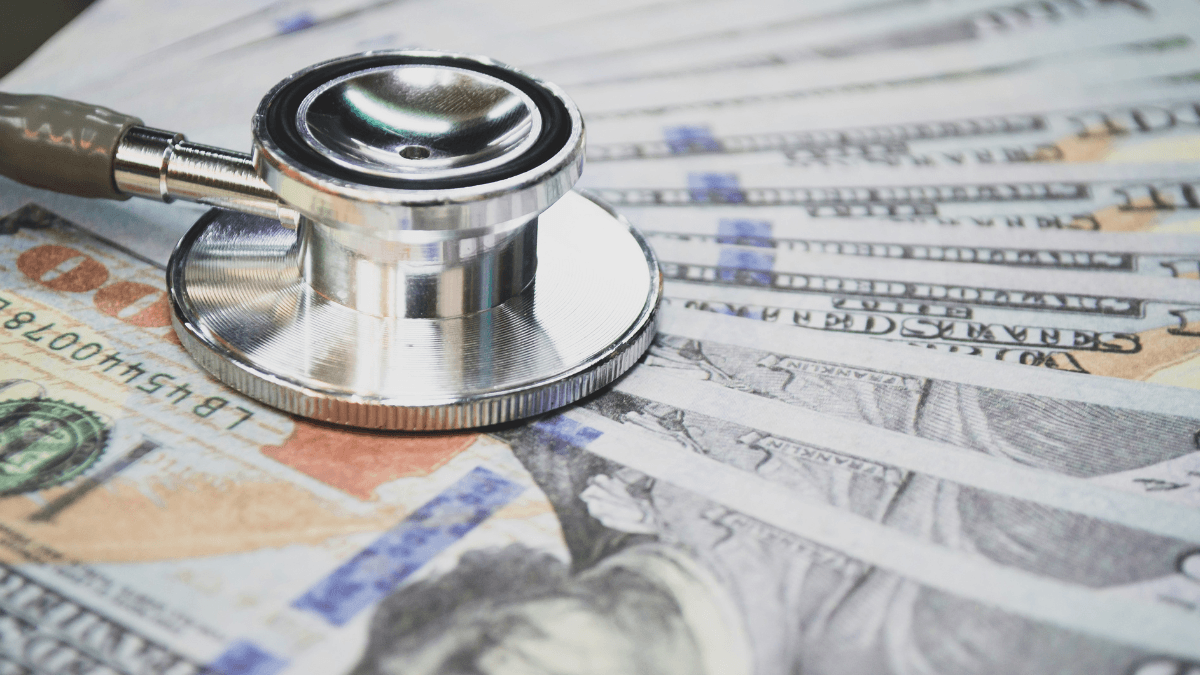
How much does Apixaban cost depends on your dose, refill quantity, insurance plan, pharmacy network, and whether you use brand or generic access where available. Cash-pay bills can be much higher than insured copays, while Medicare and commercial plans can change your share throughout the year. The practical goal is not just finding a lower number. It is making sure cost questions do not lead to missed doses or unsafe medication changes.
Apixaban is an anticoagulant, often called a blood thinner, used to reduce the risk of harmful clots in certain people. It is the generic name for the active ingredient in Eliquis. Because anticoagulants affect bleeding and clotting risk, affordability decisions should stay connected to your prescriber’s safety guidance.
Key Takeaways
- Your plan matters: Tier placement, deductibles, and pharmacy networks can change your monthly cost.
- Brand and generic differ: Apixaban is the ingredient; Eliquis is a brand name containing apixaban.
- Medicare costs vary: Part D phases and formularies can shift your bill during the year.
- Assistance has rules: Savings cards, manufacturer programs, and foundations have eligibility limits.
- Safety comes first: Do not skip, split, or switch anticoagulants without clinical guidance.
What Drives Apixaban Cost at the Pharmacy
Your final apixaban cost usually comes from several moving parts, not one sticker price. The strength prescribed, number of tablets, refill length, pharmacy contract, and insurance benefit design all affect the amount shown at checkout. A 30-day fill and a 90-day fill may also be handled differently by the same plan.
Insurance plans often place medications into tiers. A preferred tier may have a lower copay, while a nonpreferred tier may require higher coinsurance. Prior authorization, step therapy, or quantity limits can also affect access. If the pharmacy is outside your preferred network, the same prescription may cost more.
For cash-pay situations, apixaban cost without insurance can vary widely between pharmacies and discount programs. Some people compare pharmacy discount prices against their insurance copay before choosing how to process a refill. That comparison can be useful, but discount transactions may not count toward your deductible or out-of-pocket maximum.
Quick tip: Ask the pharmacy for the cash-pay amount and the insurance-processed amount before the refill is finalized.
If you need a clinical refresher, How Apixaban Treats Blood Clots explains the medication’s role in clot prevention in plain language. For condition-specific context, Apixaban for Atrial Fibrillation covers common questions for people using it in atrial fibrillation care.
Apixaban, Eliquis, and Generic Access
Apixaban is the generic drug name, while Eliquis is a brand name. That distinction matters because insurance plans, pharmacies, and assistance programs may describe the same active ingredient in different ways. A plan may list the brand, the generic name, or both, depending on formulary structure.
People often ask whether apixaban is cheaper than Eliquis. In general, generic medications can cost less when multiple approved generic versions are widely available and covered. However, real-world savings depend on local availability, pharmacy contracts, and your plan’s formulary. A generic name on a prescription does not automatically guarantee a lower out-of-pocket bill.
If you are comparing apixaban generic cost with brand coverage, ask your pharmacist three direct questions: whether a generic is available to dispense, whether your plan covers it, and whether substitution is allowed under your prescription and state rules. Your prescriber may also need to write the prescription in a way that permits substitution when appropriate.
BorderFreeHealth connects U.S. patients with licensed Canadian partner pharmacies for eligible prescription options. When prescription verification is required, details are checked with the prescriber before the partner pharmacy dispenses the medication.
Insurance, Medicare, and Why Monthly Bills Change
Apixaban cost with insurance depends on your benefit stage and plan rules. A low copay in one month does not always mean the same bill will appear later. Deductibles, coinsurance, and annual plan changes can all create surprises.
Commercial plans may offer lower copays when the medicine is preferred. Some commercially insured patients may also qualify for a manufacturer savings card, but eligibility rules apply. These programs often exclude people with government insurance, including Medicare, Medicaid, or similar programs.
Medicare Part D adds another layer. Formularies, preferred pharmacies, deductibles, and cost-sharing rules vary by plan. If you are trying to lower apixaban cost medicare expenses, review your plan’s formulary, check preferred pharmacies, and ask whether a tier exception or coverage determination is appropriate. Your prescriber can help document medical need when a specific anticoagulant is clinically important.
How Part D Phases Affect Budgeting
Part D costs can move through phases during the year. Your monthly share may change after meeting a deductible or reaching other cost thresholds. This is why two people on the same medicine can report very different bills.
For official plan-stage details, review Medicare’s Part D cost overview, which explains how deductibles and cost sharing work. Use that information with your plan documents, since your exact benefit depends on your enrolled plan.
Patient Assistance, Savings Cards, and Pharmacy Comparisons
An apixaban patient assistance program may help some eligible patients, but every program has rules. Requirements may include insurance type, income documentation, residency, and prescription details. Some programs are run by manufacturers, while others are charitable foundations with changing funding availability.
Questions such as “how do I get Eliquis for $10 a month” usually refer to manufacturer savings-card programs for eligible commercially insured patients. These programs can have monthly or annual limits and may not apply to government insurance. Read the terms carefully and ask the program or pharmacist how the card is processed.
Discount cards and pharmacy comparison tools may show different amounts for the same medicine. These prices can change quickly, and they may differ by location, quantity, and pharmacy. If you are comparing a large retailer, warehouse pharmacy, or independent pharmacy, make sure each quote uses the same strength, tablet count, and refill length.
BorderFreeHealth also supports cash-pay, cross-border prescription access for eligible patients without insurance, subject to jurisdiction and prescription requirements. That type of option should be compared carefully against local pharmacy quotes, insurance benefits, and prescriber guidance.
How Apixaban Compares With Other Anticoagulant Options
Cost comparisons should include more than the tablet amount. Some anticoagulants require regular blood tests, dose adjustments, dietary consistency, or more frequent clinic contact. Those extra steps may add time, travel, and lab expenses, even when the medication itself costs less.
Warfarin is an older anticoagulant that may have a lower medication cost for some people, but it usually requires INR monitoring. INR is a blood test that measures how long blood takes to clot. For some patients, monitoring is manageable. For others, transportation, work schedules, or clinic access can make it harder.
Other direct oral anticoagulants may also be considered when clinically appropriate. These include rivaroxaban, dabigatran, and edoxaban. Each medicine has its own dosing pattern, kidney-function considerations, interaction profile, and coverage rules. Your clinician can help decide whether a different option fits your condition and bleeding risk.
If you are reviewing related anticoagulants, Xarelto Uses explains common uses for rivaroxaban, while Xarelto Side Effects summarizes important safety information. Product pages such as Warfarin, Dabigatran, and Edoxaban can also help you identify names to discuss with your pharmacist or prescriber.
Why it matters: A lower monthly medication bill may not be the lowest total care cost.
Practical Ways to Lower Out-of-Pocket Costs Safely
The safest savings strategy starts with information. Bring your exact prescription details, insurance card, and recent pharmacy quote when you contact your plan, pharmacist, or prescriber. Small differences in quantity or pharmacy network can change the answer.
- Confirm the formulary: Ask which anticoagulants are preferred.
- Check pharmacy networks: Compare preferred and standard locations.
- Ask about 90-day fills: Some plans lower per-month costs.
- Review assistance rules: Eligibility differs by insurance type.
- Request alternatives: Ask your prescriber about clinically appropriate options.
- Track benefit phases: Note when your plan cost changes.
- Document prior therapy: Appeals may require treatment history.
Do not stop apixaban because of cost without contacting your prescriber. Stopping an anticoagulant suddenly may increase clot-related risk in some situations. If you notice unusual bleeding, black stools, severe headache, weakness, shortness of breath, chest pain, or symptoms of stroke, seek urgent medical care.
Why Some Blood Thinners Seem Expensive
Some newer anticoagulants can seem expensive because list prices, patent status, limited competition, manufacturing factors, and insurance contracts all influence the final bill. Your out-of-pocket amount may not match the list price, but coinsurance can still feel high when it is tied to a negotiated retail amount.
Plan design can also shift costs toward the patient. A deductible may require you to pay more early in the year. Coinsurance may leave you paying a percentage rather than a fixed copay. A nonpreferred tier can make one medicine much more costly than a similar option in the same class.
That does not mean every alternative is equal for every person. Kidney function, age, other medicines, bleeding history, procedure plans, and diagnosis can affect which anticoagulant is appropriate. Cost belongs in the conversation, but it should not be separated from safety.
Questions to Prepare Before Calling Your Plan or Pharmacy
A short script can make affordability calls less stressful. Write down your medication name, strength, tablet count, refill interval, and pharmacy name. Then ask for the quoted cost under each available route.
- Formulary status: Is apixaban preferred or nonpreferred?
- Cost basis: Is my share a copay or coinsurance?
- Generic substitution: Is a generic version covered and available?
- Network effect: Which pharmacies have preferred status?
- Mail option: Would a longer fill reduce monthly cost?
- Exception process: What forms does my prescriber need?
Example: A person with a high January bill may assume the medicine became more expensive. In reality, a deductible may be resetting. Another person may pay less after switching to a preferred pharmacy, even though the prescription itself did not change.
Authoritative Sources
For official prescribing details, see the FDA-approved apixaban label, which summarizes indications, warnings, and safety information. For Medicare cost structure, use Medicare’s Part D cost overview. For general blood thinner education, the American Heart Association anticoagulant resource gives patient-friendly background.
Recap
How much does Apixaban cost is a practical question with no single answer. Your monthly amount can change with insurance tiers, pharmacy choice, benefit phase, generic access, and assistance eligibility. Compare numbers using the same prescription details, and involve your prescriber before making any medication change.
Affordability matters because adherence matters. The best next step is to gather your exact refill information, compare safe access routes, and ask your care team which alternatives are medically reasonable for your situation.
This content is for informational purposes only and is not a substitute for professional medical advice.