
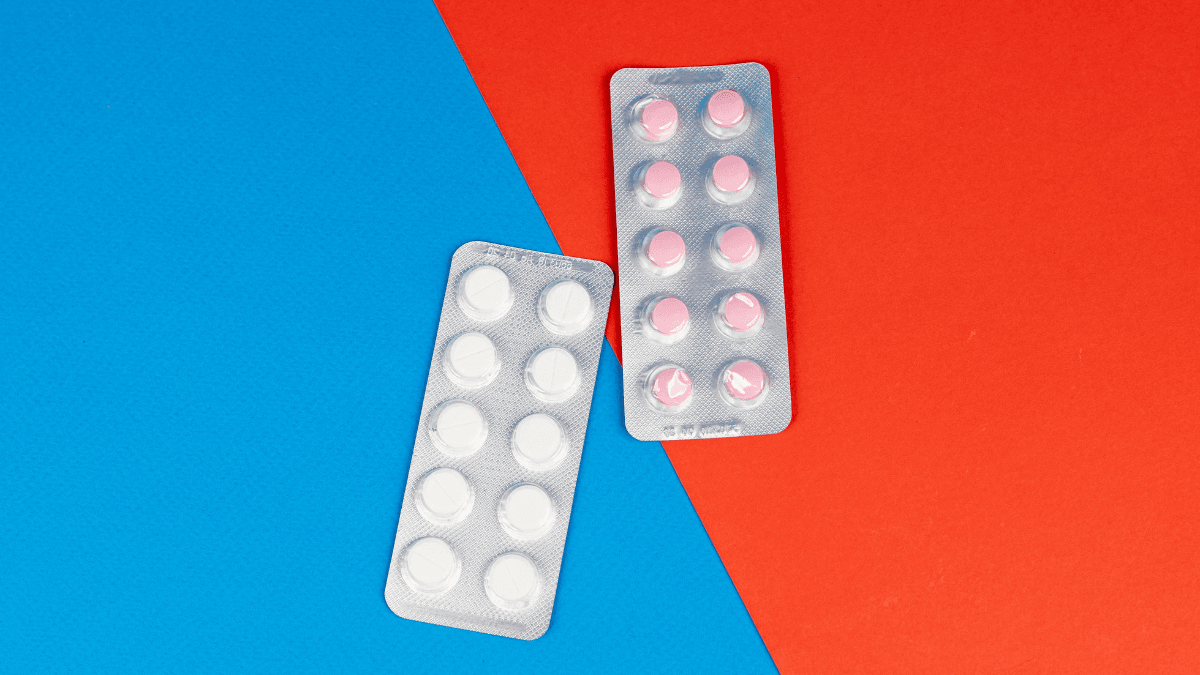
Eliquis and apixaban are not two different blood thinners. Eliquis is the brand name, and apixaban is the active generic drug name. The main difference is usually the label, manufacturer, packaging, and sometimes cost or coverage, not how the medicine works in your body.
That simple answer matters because anticoagulants (blood thinners) are safety-sensitive medicines. A refill that looks different can raise reasonable concerns. Knowing what changed, and what did not, helps you ask clearer questions before missing doses or making changes on your own.
Key Takeaways
- Same active medicine: Eliquis contains apixaban.
- Same treatment goals: Both help reduce harmful clot risk.
- Main safety issue: Bleeding risk needs ongoing attention.
- Refill changes happen: Pill appearance or packaging may differ.
- Do not stop suddenly: Ask a clinician before changing therapy.
Eliquis vs Apixaban: What the Names Really Mean
Eliquis vs Apixaban is mainly a brand-versus-generic naming question. Eliquis is the marketed brand. Apixaban is the active ingredient and generic name. When a prescriber writes either name, the intended drug may be the same unless the prescription includes special instructions.
Generic medicines must meet regulatory standards for quality, strength, purity, and performance. That does not mean every tablet looks identical. Color, shape, imprint, bottle label, and manufacturer may change between refills. Those changes can be unsettling, especially if you use pill organizers or rely on visual cues.
Quick tip: If a refill looks different, confirm the imprint and name with a pharmacist before taking it.
The practical question is not whether the brand and generic are completely different. It is whether the prescription, strength, directions, and refill source match what your care team intended. If allergies, swallowing problems, or confusion with other tablets are concerns, bring the bottle to a pharmacist or prescriber.
For a plain-language background on the generic name, see What Is Apixaban. For a deeper look at its medication class, Apixaban Drug Class explains how this type of anticoagulant fits into clot prevention.
What Apixaban Is Used For
Apixaban is used to reduce the chance of harmful blood clots in specific medical situations. Common uses include lowering stroke risk in certain people with atrial fibrillation, treating deep vein thrombosis (DVT, a clot in a deep vein), treating pulmonary embolism (PE, a clot in the lung), and helping prevent clots after some surgeries.
The reason for the prescription matters. A person taking apixaban after a recent clot may have different follow-up needs than someone taking it for atrial fibrillation (an irregular heart rhythm). Your kidney function, liver health, age, weight, bleeding history, and other medicines can also affect the plan.
People often search for what Eliquis is used for after seeing the brand name on a bottle. The answer is the same active-drug framework: it is prescribed when a clinician believes reducing clot formation is important and appropriate. It is not used for every type of clotting problem, and it is not interchangeable with every anticoagulant in every condition.
If you want to connect the medicine name to common prescribing situations, Eliquis Uses offers more context. You can also read Apixaban for Blood Clots for a focused explanation of treatment and prevention goals.
Dosing, Strengths, and Why Eliquis 5 mg Gets Attention
Eliquis 5 mg gets attention because many people see that strength printed on their prescription label. The strength alone does not explain the whole dosing plan. The condition being treated, kidney function, age, body weight, interacting medicines, and bleeding risk may all matter.
Some people take apixaban more than once daily, depending on their prescribed plan. Others may have different instructions based on the diagnosis or treatment phase. Do not compare your schedule with someone else’s and assume one of them is wrong. Anticoagulant dosing is individualized, and small changes can matter.
If you miss a dose, follow the instructions provided by your prescriber or pharmacist. If those instructions are unclear, ask before doubling up or skipping ahead. Taking extra medication can increase bleeding risk, while missed doses may reduce clot protection.
Why it matters: Consistent timing lowers confusion and helps your care team evaluate symptoms accurately.
Keep a current medication list in your phone or wallet. Include the name, strength, schedule, prescribing clinician, and why you take it. If you compare product labels or tablet forms, use official prescription records as the source of truth. For neutral product navigation, you can review Eliquis or Apixaban pages to check names and presentation details without changing your prescribed plan.
Side Effects: Common, Serious, and Easy to Miss
The most important side effect theme with apixaban is bleeding. Because the medicine reduces clotting, small cuts may bleed longer, bruises may appear more easily, and nosebleeds can occur. These effects can be manageable, but they still deserve attention if they become frequent or unusual.
Serious bleeding can be harder to recognize. Call a clinician promptly for black or bloody stools, pink or brown urine, coughing or vomiting blood, severe headache, fainting, unusual weakness, or bleeding that will not stop. After a fall or head injury, seek urgent guidance even if symptoms seem mild at first.
Older adults and fall risk
Side effects of Eliquis in the elderly are a common concern because aging can change medication risk. Kidney function may decline over time. Balance problems, frailty, vision changes, and multiple medications can also increase the chance of falls or interactions.
New confusion, sudden sleepiness, worsening dizziness, or unexplained fatigue should not be dismissed as normal aging. These symptoms can have many causes, including infection, dehydration, low blood pressure, anemia (low red blood cells), or hidden blood loss. A clinician can decide whether blood tests, medication review, or urgent evaluation is needed.
Mood, fatigue, and feeling “off”
Some people wonder whether Eliquis causes depression or anxiety. Mood changes are not the main expected effect, but feeling worried after a new diagnosis is common. Fatigue, lightheadedness, or low mood can also reflect anemia, sleep disruption, pain, another medication, or an unrelated health issue.
Track when symptoms started, what changed recently, and whether bleeding signs are present. Bring that record to your appointment. Do not stop apixaban suddenly because you feel unwell unless a clinician tells you to do so or emergency care directs otherwise.
Food, Alcohol, Supplements, and Interaction Checks
Apixaban has fewer food restrictions than warfarin, but interactions still matter. Leafy greens, including broccoli, are not usually avoided because of vitamin K in the same way they may be discussed with warfarin. A steady, balanced diet is usually more helpful than sudden restrictive changes.
The bigger concern is anything that increases bleeding risk or changes drug levels. Nonsteroidal anti-inflammatory drugs (NSAIDs) such as ibuprofen or naproxen may raise bleeding risk for some people. Some antidepressants, antiplatelet medicines, antifungals, seizure medicines, HIV medicines, and antibiotics can also require review.
Alcohol deserves a careful conversation. Occasional use may not carry the same risk as heavy or binge drinking, but alcohol can increase fall risk, irritate the stomach, and affect liver health. If you drink regularly, tell your prescriber honestly so they can assess risk without guesswork.
Supplements are another common blind spot. Fish oil, ginkgo, garlic pills, turmeric or curcumin, high-dose vitamin E, and some herbal products may affect bleeding risk in some people. St. John’s wort can change how some medicines are processed and may reduce effectiveness. Share supplement labels with a pharmacist before starting or stopping them.
If you are reviewing several heart or clot-related medicines, the Cardiovascular Education collection can help you build vocabulary for your next visit. A browseable Cardiovascular Medicines category may also help you recognize medication names on your list.
How It Compares With Other Blood Thinners
Apixaban is one anticoagulant option among several. Clinicians compare medicines by diagnosis, clot risk, bleeding risk, kidney function, dosing schedule, drug interactions, pregnancy status, valve history, and patient preference. There is no single “safest blood thinner” for everyone.
Warfarin is an older anticoagulant that remains important for many people. It usually requires INR blood testing and closer food and medicine interaction planning. Direct oral anticoagulants (DOACs), including apixaban, rivaroxaban, dabigatran, and edoxaban, generally do not require routine INR monitoring, but missed doses and interactions still matter.
Eliquis vs Apixaban is therefore a different question from Eliquis vs Xarelto. The first compares a brand name with its generic name. The second compares different active medicines. If you are considering a switch because of side effects, schedule, kidney function, or access, ask your prescriber how the risks and monitoring needs differ.
Cost can also shape the conversation. Generic availability, insurance rules, pharmacy sourcing, and cash-pay options can vary. BorderFreeHealth connects U.S. patients with licensed Canadian partner pharmacies, and prescription details are verified with the prescriber when required before dispensing by the pharmacy. That access context should not replace clinical advice about which anticoagulant fits your condition.
For background on generic availability and access considerations, see Eliquis Generic Options. Keep the clinical decision separate from the payment question whenever possible.
Questions to Ask Before Changing Anything
A short, prepared conversation can prevent dangerous confusion. Bring your bottle, medication list, supplement labels, and any symptom notes. Ask the care team to explain the reason for the medicine, the expected duration, and what warning signs should prompt urgent care.
- Diagnosis: What clot or stroke risk is being treated?
- Strength: Does the label match the intended prescription?
- Bleeding plan: Which symptoms require same-day help?
- Procedures: Who gives instructions before dental work or surgery?
- Interactions: Which pain relievers and supplements should be avoided?
- Refills: What should happen if the tablet appearance changes?
Never stop apixaban just because a refill looks different or a side effect worries you. Stopping can raise clot risk in some situations. If bleeding is severe, after a major fall, or symptoms feel urgent, seek emergency help rather than waiting for a routine appointment.
Authoritative Sources
For official prescribing details, review the DailyMed apixaban prescribing information.
For patient-friendly medication safety basics, see the MedlinePlus apixaban drug page.
For broader stroke and atrial fibrillation education, consult the American Heart Association atrial fibrillation resources.
Recap
Eliquis vs Apixaban usually means brand name versus generic name for the same active medicine. The more important safety questions involve why you take it, whether the strength and directions match your prescription, and how bleeding risk is being monitored.
Food restrictions are usually less strict than with warfarin, but alcohol, NSAIDs, supplements, and other medicines still need review. Older adults and people taking multiple prescriptions should be especially careful about falls, dizziness, bruising, and hidden bleeding signs.
If a refill changes appearance, symptoms develop, or a procedure is coming up, contact a pharmacist or prescriber before adjusting the medicine. Clear communication is one of the best safety tools with anticoagulant therapy.
This content is for informational purposes only and is not a substitute for professional medical advice.


