
Please note: a valid prescription is required for all prescription medication.
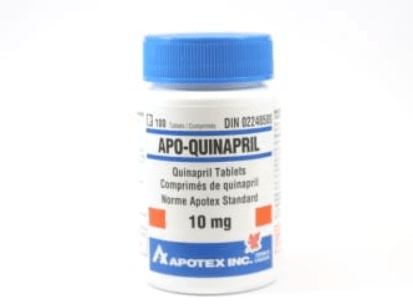
Quinapril
Buy Quinapril Online
Secure Encrypted Payments
Quinapril is an ACE inhibitor tablet used to treat high blood pressure and, in selected people, heart failure. You can buy quinapril online, view current tablet pricing, and choose the strength and quantity that match the directions from your healthcare professional.
Quinapril tablets contain quinapril hydrochloride, the same active ingredient associated with the former Accupril brand name. Strength, tablet count, manufacturer, and refill planning all affect the total order, so keep your most recent medication label nearby when choosing a supply.
Quinapril Price, Strengths, and Tablet Quantity
The quinapril price should be read together with tablet strength and total quantity. A lower line item may reflect fewer tablets, a different strength, or a different manufacturer, so the best comparison uses the same dose strength and the same expected supply length.
Quinapril tablets are commonly supplied in strengths such as 5 mg, 10 mg, 20 mg, and 40 mg when available. A quinapril 5 mg tablet is not the same as a quinapril 40 mg tablet, even though both contain the same active ingredient. Do not combine, split, or substitute strengths to reduce cost unless your clinician has told you exactly how to do that safely.
People paying cash often compare quinapril cost against local pharmacy totals, insurance copays, and multi-month quantities. If you are reviewing quinapril without insurance, focus on the complete out-of-pocket amount for the same strength and tablet count, not only the first visible price.
Quick tip: Use the strength and directions on your current bottle as the starting point for any price comparison.
| Ordering detail | What to match | Why it matters |
|---|---|---|
| Active ingredient | Quinapril hydrochloride | Confirms the medicine identity. |
| Form | Oral tablet | Helps avoid confusing tablets with other medicine forms. |
| Strength | 5 mg, 10 mg, 20 mg, or 40 mg when available | Supports the intended daily dose. |
| Quantity | Total tablets in the order | Changes the supply length and cash-pay comparison. |
| Manufacturer | Generic or labeled version | May affect tablet appearance and inactive ingredients. |
How to Order Quinapril Online
To order quinapril online, choose the tablet strength and quantity that match your current directions. Enter your name and shipping information carefully, because medication labels and address details help reduce avoidable order problems.
Quinapril from Canada may be used by U.S. customers seeking cash-pay access through cross-border pharmacy channels. Products are supplied through licensed pharmacies, and order information may be reviewed for consistency with the medicine requested.
Confirm the strength, total tablet count, and any refill-related instructions before submitting an order. If your clinician changes your blood pressure plan, update the strength and directions rather than relying on an older bottle.
Quinapril Ships from Canada to US when supplied through the service context shown for this medicine. Prompt, express shipping may be relevant for planning, but allow time for order handling and avoid waiting until your bottle is nearly empty.
What Quinapril Is Used For
Quinapril for high blood pressure belongs to a class called angiotensin-converting enzyme inhibitors, or ACE inhibitors. These medicines reduce the effect of angiotensin II, a body chemical that narrows blood vessels. When blood vessels relax, blood pressure can decrease.
The blood pressure medication quinapril may also be used with other therapies for some people with heart failure. In that setting, lowering blood vessel resistance can reduce the workload on the heart. Your clinician considers kidney function, potassium level, symptoms, other medicines, and blood pressure readings when deciding whether this ACE inhibitor fits your care plan.
Blood pressure control usually depends on more than one tablet decision. Home readings, salt intake, activity, weight, alcohol use, sleep, and other medicines can all affect results. If readings remain high or you develop new symptoms, contact a healthcare professional rather than increasing tablets on your own.
For broader condition browsing, the Hypertension section groups medicines and information related to high blood pressure. People managing fluid retention, breathing symptoms, or reduced heart-pumping function may also find the Heart Failure section useful for navigating related treatment categories.
Generic, Brand, and Manufacturer Names
Quinapril is the generic medicine name, and quinapril hydrochloride is the active ingredient. Accupril quinapril refers to the former brand association many patients recognize, while manufacturer-labeled versions may use names such as apo quinapril or another company identifier.
Generic tablets can look different from one fill to another. Color, shape, imprint, coating, and inactive ingredients may vary by manufacturer while the active ingredient remains quinapril hydrochloride. If a tablet looks unfamiliar, compare the label and manufacturer information before taking it.
Market availability can change over time for specific strengths or manufacturers. Some patients ask why quinapril was discontinued because certain branded or manufacturer products have had supply changes. That does not mean every quinapril-containing product has the same status in every country or through every pharmacy source. If your exact manufacturer is not available, ask your clinician whether another ACE inhibitor, a different quinapril strength, or another blood pressure medicine is appropriate.
Daily Use, Timing, and Monitoring
Quinapril is typically taken on a regular schedule as directed by a healthcare professional. Many people use ACE inhibitors once daily, while some treatment plans use divided dosing. Follow the directions on your current medication label rather than copying someone else’s schedule.
Take quinapril tablets with water. They may be taken with or without food, but using a consistent daily routine can make missed doses less likely. A phone alarm, weekly pill organizer, or refill reminder may help if your blood pressure plan includes several medicines.
If you miss a dose, follow the instructions given by your clinic or pharmacy. In many medication plans, people are told not to double a dose to make up for one they missed. If missed doses happen often, ask about practical adherence strategies before your readings drift upward.
Monitoring matters with ACE inhibitors. Your care team may follow blood pressure, kidney function, and potassium levels, especially after starting therapy or changing dose. Bring a home blood pressure log to appointments and include notes about dizziness, cough, swelling, illness, dehydration, or medication changes.
Storage, Handling, and Travel
Store quinapril tablets at room temperature in a dry place, away from excess heat, moisture, and direct light. Keep the bottle closed and retain the label whenever possible. Bathrooms, windowsills, and hot vehicles are poor storage areas because humidity and heat can affect tablets.
Keep quinapril out of reach of children and pets. Do not use tablets that appear wet, cracked, unusually discolored, or otherwise damaged. If the tablet appearance changes from your last fill, verify the manufacturer and imprint with a pharmacist before taking a dose.
For travel, carry tablets in hand luggage and keep them in the original labeled container. Bring an updated medication list that includes strength, timing, allergies, and other cardiovascular medicines. If time-zone changes are significant, ask your clinician how to keep dosing consistent.
The Canada country-of-origin section can help customers identify products grouped by sourcing information. Country-of-origin details do not replace medicine safety checks, so still match the active ingredient, strength, and directions to your treatment plan.
Side Effects, Warnings, and When to Get Help
Common quinapril side effects can include dry cough, dizziness, headache, tiredness, nausea, or mild stomach discomfort. Dizziness may be more noticeable when treatment starts, after a dose change, during dehydration, or when another blood pressure medicine is added.
- Dry cough: a persistent tickle or nonproductive cough.
- Lightheadedness: often worse when standing quickly.
- Headache: usually mild, but severe symptoms should be reported.
- Fatigue: low energy may occur early in treatment.
- Digestive upset: nausea or stomach discomfort can occur.
Serious symptoms need urgent attention. Seek emergency care for swelling of the face, lips, tongue, or throat; trouble breathing; fainting; severe weakness; or signs of a major allergic-type reaction. ACE inhibitors can rarely cause angioedema, a swelling reaction that can become dangerous.
Do not use quinapril during pregnancy. ACE inhibitors can harm or cause death to a developing fetus, especially in the second or third trimester. If pregnancy occurs while taking an ACE inhibitor, contact a healthcare professional right away for safer treatment planning.
Kidney function and potassium require attention because ACE inhibitors can raise potassium and affect kidney blood flow in some people. Risk may be higher with kidney disease, diabetes, dehydration, heart failure, diuretics, potassium supplements, or salt substitutes that contain potassium.
Interactions and Important Cautions
Tell your healthcare professional about all medicines, vitamins, supplements, and over-the-counter products you use. Potassium supplements, potassium-sparing diuretics, and potassium-containing salt substitutes can raise potassium too much when combined with quinapril.
Nonsteroidal anti-inflammatory drugs such as ibuprofen or naproxen may reduce the blood pressure effect and can affect kidney function in some people. The risk can increase during dehydration, vomiting, diarrhea, or use of diuretics. Ask before taking these pain relievers regularly.
Lithium levels may rise when used with ACE inhibitors. Combining quinapril with angiotensin receptor blockers or aliskiren may require special caution and is not suitable for some patients. People with a history of ACE inhibitor-related angioedema, certain kidney artery problems, or major fluid loss need individualized clinical assessment.
If you want to understand the drug class, the article on angiotensin converting enzyme ACE inhibitors explains how ACE inhibitors differ from other cardiovascular therapies. Use class information to support a clinician conversation, not to switch medicines without guidance.
Comparing Related Blood Pressure Options
Quinapril is not the same as lisinopril, although both are ACE inhibitors. Differences may include dose schedule, tablet strengths, manufacturer supply, side effects, kidney and potassium considerations, and how your clinician interprets your treatment history.
Some people need a different ACE inhibitor because of supply, tolerability, cough, blood pressure response, or related medical conditions. Altace and Trandolapril are related ACE inhibitor products that may be discussed with a healthcare professional when a change is being considered. Equivalent doses are not automatically interchangeable.
For wider browsing, the Cardiovascular category groups medicines used for blood pressure, heart-related conditions, and related treatment needs. Category browsing can help you recognize class options, but the right medicine still depends on your readings, lab results, other therapies, and tolerability.
Keep an updated medication list with your order records. Include quinapril strength, timing, other blood pressure medicines, diuretics, supplements, allergies, and recent side effects. A clear list helps clinicians spot duplicate therapy or interaction risks more quickly.
Authoritative Sources
Official prescribing information for Accupril, which contains quinapril hydrochloride, is available from the FDA drug label information.
Patient-focused quinapril safety information, including pregnancy warnings, is summarized by MedlinePlus quinapril drug information.
Use current tablet strength, quantity, and safety information to plan your order, then keep your healthcare professional involved for monitoring, side effects, and any treatment changes.
This content is for informational purposes only and is not a substitute for professional medical advice.
Blood Pressure Average Calculator
Average home blood pressure readings and show a simple screening range.
Average BP
-
entered readings only
Range
-
screening category
These calculations are for education only and do not replace clinical advice, diagnosis, or treatment. Always confirm medical decisions with a qualified healthcare professional.
Mean Arterial Pressure Calculator
Calculate estimated mean arterial pressure from systolic and diastolic blood pressure.
MAP
-
DBP + one-third pulse pressure
These calculations are for education only and do not replace clinical advice, diagnosis, or treatment. Always confirm medical decisions with a qualified healthcare professional.
Pulse Pressure Calculator
Calculate pulse pressure from systolic and diastolic blood pressure.
Pulse pressure
-
SBP - DBP
These calculations are for education only and do not replace clinical advice, diagnosis, or treatment. Always confirm medical decisions with a qualified healthcare professional.
eGFR Calculator
Estimate kidney filtration using the 2021 CKD-EPI creatinine equation.
eGFR
-
mL/min/1.73 m2
G category
-
requires clinical context
These calculations are for education only and do not replace clinical advice, diagnosis, or treatment. Always confirm medical decisions with a qualified healthcare professional.
Urine Albumin-Creatinine Ratio Calculator
Calculate urine albumin-creatinine ratio from spot urine albumin and creatinine values.
uACR
-
mg/g
uACR
-
mg/mmol
Category
-
A1/A2/A3 albuminuria range
These calculations are for education only and do not replace clinical advice, diagnosis, or treatment. Always confirm medical decisions with a qualified healthcare professional.
Express Shipping - from $29.99
Shipping with this method takes 3-5 days
Prices:
- Dry-Packed Products $29.99
- Cold-Packed Products $39.99
Shipping Countries:
- United States (all contiguous states**)
- Worldwide (excludes some countries***)
Standard Shipping - $19.99
Shipping with this method takes 5-10 days
Prices:
- Dry-Packed Products $19.99
- Not available for Cold-Packed products
Shipping Countries:
- United States (all contiguous states**)
- Worldwide (excludes some countries***)
What is quinapril used for?
Quinapril is an ACE inhibitor used to treat high blood pressure and, in selected people, heart failure. It relaxes blood vessels by reducing the effect of angiotensin II, which can lower blood pressure and reduce strain on the heart.
Is quinapril the same as lisinopril?
No. Quinapril and lisinopril are different medicines in the same ACE inhibitor class. They are not automatically interchangeable because dose schedules, strengths, tolerability, interactions, and monitoring needs may differ.
What is the generic name for Accupril?
The generic name associated with Accupril is quinapril, and the active ingredient is quinapril hydrochloride. Manufacturer-labeled tablets may look different because color, shape, imprint, and inactive ingredients can vary.
What are common side effects of quinapril?
Common side effects can include dry cough, dizziness, headache, tiredness, nausea, or mild stomach discomfort. Seek urgent help for swelling of the face, lips, tongue, or throat; trouble breathing; fainting; or severe weakness.
Why do people ask if quinapril is discontinued?
Some branded or manufacturer-specific quinapril products have had supply or market availability changes. Availability can differ by country, manufacturer, and strength, so ask your clinician what alternative is appropriate if your exact tablet is not available.
How should quinapril tablets be stored?
Store quinapril tablets at room temperature in a dry place, away from heat, moisture, and direct light. Keep the bottle closed, retain the label, and keep the medicine out of reach of children and pets.
Rewards Program
Earn points on birthdays, product orders, reviews, friend referrals, and more! Enjoy your medication at unparalleled discounts while reaping rewards for every step you take with us.
You can read more about rewards here.
POINT VALUE
How to earn points
- 1Create an account and start earning.
- 2Earn points every time you shop or perform certain actions.
- 3Redeem points for exclusive discounts.
You Might Also Like
Select options
This product has multiple variants. The options may be chosen on the product page
Select options
This product has multiple variants. The options may be chosen on the product page
Select options
This product has multiple variants. The options may be chosen on the product page
Select options
This product has multiple variants. The options may be chosen on the product page