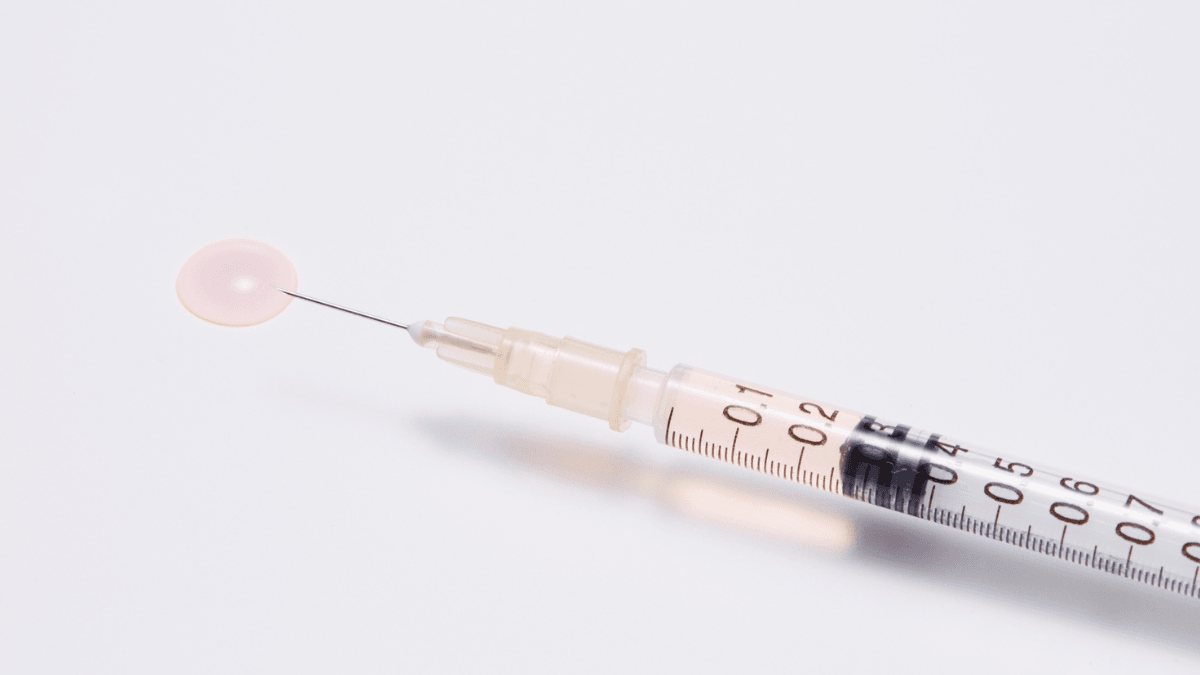
An Enbrel injection is a prescription biologic medicine used to calm specific immune signals that drive inflammation. It can help some people with autoimmune conditions reduce symptoms and protect function over time, but it also requires careful screening, infection awareness, and a steady injection routine.
If you feel nervous about starting, that is understandable. Needles, side effects, storage rules, and missed-dose questions can all feel like a lot at once. The goal is to know what to expect, what to ask, and when to contact your care team.
Key Takeaways
- How it works: Etanercept blocks tumor necrosis factor, an inflammation signal.
- Who may use it: It is used for several inflammatory arthritis and skin conditions.
- Safety comes first: Infection screening and vaccine planning are important.
- Common reactions: Injection-site redness, itching, or bruising may occur.
- Practical habits help: Site rotation, storage planning, and device training reduce stress.
What Enbrel Is and Why Etanercept Matters
Enbrel is the brand name for etanercept, a biologic disease-modifying antirheumatic drug. A biologic is made from living-cell systems and targets a more specific immune pathway than many traditional medicines.
Etanercept is also called a tumor necrosis factor inhibitor, or TNF blocker. Tumor necrosis factor is a protein involved in inflammation. When TNF activity stays too high, it can contribute to swollen joints, morning stiffness, pain, and skin inflammation in certain immune-mediated conditions.
This medicine is not a steroid. Steroids such as prednisone affect many inflammatory pathways and may work quickly for some symptoms. Etanercept works differently by targeting TNF, so your clinician usually evaluates benefit over time rather than expecting an immediate effect.
People may be prescribed this treatment for conditions such as rheumatoid arthritis, psoriatic arthritis, ankylosing spondylitis, juvenile idiopathic arthritis, or plaque psoriasis, depending on age, diagnosis, and clinical details. If you are still learning how immune conditions differ, Autoimmune Diseases Basics can help put the larger immune-system picture into plain language.
Why it matters: Understanding the drug class helps you ask better safety and monitoring questions.
Where It Fits in Inflammatory Arthritis Care
An Enbrel injection may be considered when inflammation remains active, damaging, or hard to control with earlier treatment steps. Your prescriber weighs symptoms, physical function, imaging, lab results, medical history, and previous medication response.
For rheumatoid arthritis, the goal is usually more than short-term pain relief. Treatment may aim to reduce swelling, improve function, limit flares, and help slow joint damage. This is why follow-up visits matter. Your care team may ask about morning stiffness, tender joints, fatigue, infections, and daily activities that still feel difficult.
Some people use etanercept alone. Others use it with another disease-modifying medicine, depending on the diagnosis and risk profile. If you are trying to understand the broader treatment map, RA Medication Types explains how biologics, conventional DMARDs, anti-inflammatory medicines, and steroids may fit into care.
Practical factors also matter. Injection comfort, refrigeration, travel, insurance changes, and previous side effects can affect whether a treatment plan is realistic. These issues are not minor. A medicine only works as intended when the plan is safe, usable, and reviewed when problems arise.
Safety Checks Before Starting or Restarting
Before using a TNF blocker, clinicians commonly look for infection risks that could become more serious during immune-modifying therapy. Screening may include tuberculosis testing and hepatitis B review, along with a careful history of recent infections, chronic cough, fevers, unexplained weight loss, or open wounds.
Tell your prescriber about recurrent infections, heart failure, nerve conditions such as multiple sclerosis, cancer history, planned surgery, pregnancy plans, or recent live vaccines. These details do not always rule out treatment, but they can change the risk-benefit discussion.
Vaccines need planning. Some vaccines are commonly recommended for people on immune-modifying therapy, while live vaccines may need special timing or may not be appropriate. Ask whether a vaccine is live, whether household members need precautions, and whether your treatment schedule affects timing.
If you become sick, do not guess about whether to inject, delay, stop, or restart. Call your prescriber’s office for advice based on the type of illness and your personal risk. Fever, worsening cough, painful urination, skin infection, or a wound that is not healing deserves timely review.
Enbrel Injection Side Effects: Common, Serious, and Less Obvious
Enbrel injection side effects can range from mild injection-site symptoms to serious infections. Most people want to know what is expected, what should be tracked, and what needs urgent attention.
Common side effects may include redness, itching, swelling, bruising, or tenderness where the shot was given. Some people report headache or upper-respiratory symptoms, such as congestion or sore throat. These symptoms can be mild, but patterns still matter. A symptom diary can help your clinician see whether reactions are improving, recurring, or becoming more intense.
Serious side effects are less common but more important to recognize. Contact your care team promptly for fever, chills, shortness of breath, chest pain, severe weakness, a spreading skin infection, painful blisters, unusual bruising or bleeding, or symptoms of a significant infection. Seek urgent care for severe allergic symptoms, trouble breathing, facial swelling, or sudden neurological symptoms.
Eye symptoms also deserve attention. Pain, vision changes, severe redness, or new light sensitivity should be reviewed promptly, even if you are unsure whether the medicine is involved. Rare nervous-system or inflammatory eye problems are reasons to avoid waiting it out.
Some readers also ask about mental side effects or hair loss. These concerns should be discussed with a clinician, especially if mood changes, anxiety, sleep disruption, or hair shedding begin after a medication change. Many other causes are possible, including inflammation itself, stress, thyroid disease, infection, or other medicines.
Quick tip: Take photos of injection-site reactions next to a date label for easier follow-up.
Injection Devices, Sites, and Technique Basics
A consistent injection routine can make the process feel more manageable. Most people do better when supplies are prepared first, the device is allowed to reach room temperature as directed, and the injection is not rushed.
Device type affects the experience. A prefilled syringe usually lets you control the angle and speed of injection. A pen-style autoinjector may hide the needle and automate part of the process. If you want to compare device formats visually, Enbrel Pre Filled Syringe and SureClick Auto Injector provide product-page context without replacing your training materials.
Common Enbrel injection sites include the front of the thigh and the abdomen away from the belly button. The outer upper arm may be used when another person gives the injection, depending on the device instructions. Avoid skin that is bruised, scarred, hard, tender, sunburned, infected, or affected by active plaques unless your care team has told you otherwise.
Using a Prefilled Syringe
For a prefilled syringe, think in calm steps: wash hands, clean the skin, let the alcohol dry, pinch the skin if instructed, insert the needle at the recommended angle, and press the plunger steadily. Place the used syringe in an approved sharps container right away.
Using a Pen-Style Autoinjector
For a pen-style device, keep the device pressed firmly against the skin for the full time listed in the instructions. Check the viewing window or indicator if your device has one. If the device misfires, leaks, or does not appear complete, keep the device and packaging, then contact your care team or pharmacist for next steps.
Rotating sites helps protect the skin. Many people use a simple phone note or calendar map. If a lump, rash, or firm patch lasts, pause that location and show it to your clinician. People with joint symptoms can also use symptom tracking alongside site tracking; Early Signs Of Rheumatoid Arthritis may help you describe symptom patterns more clearly.
Storage, Travel, and Missed-Dose Planning
Storage protects the medicine’s stability. Follow the product instructions for refrigeration, light protection, room-temperature limits, and disposal. Do not use medication that has been frozen, overheated, or left out beyond the allowed time unless a pharmacist or prescriber tells you it is acceptable.
Travel is easier with a written plan. Use an insulated bag, keep the medicine from touching ice packs directly, and bring alcohol swabs, gauze, bandages, and a sharps-disposal plan. If you fly, keep medicine and supplies in carry-on baggage when possible, since checked bags can face temperature changes.
Missed doses happen. Illness, travel, caregiving, or simple fatigue can disrupt routines. Follow the instructions from your prescriber or the product information for your specific situation. Do not double doses unless your clinician has clearly told you to do so.
Access and cost questions can also affect planning. BorderFreeHealth connects U.S. patients with licensed Canadian partner pharmacies, and prescription details may be verified with the prescriber where required before dispensing. For people comparing cash-pay prescription options without insurance, eligibility and jurisdiction still matter, so product and prescription details should be reviewed carefully.
Etanercept, Biosimilars, and Related Treatment Choices
Etanercept is a protein-based medicine, so alternatives are not identical in the same way many small-molecule generics are. A biosimilar is highly similar to an approved biologic, with no clinically meaningful differences expected in safety, purity, or potency based on regulatory review.
Switching between a reference biologic and a biosimilar is a clinical decision. Your care team may consider disease control, side effects, device comfort, coverage, availability, and local rules. If you are comparing etanercept options, Erelzi is one related product page that may help you understand how biosimilar listings are presented.
Other biologic or targeted medicines may work through different immune pathways. Some people with ankylosing spondylitis, psoriatic arthritis, or plaque psoriasis discuss alternatives after incomplete response, side effects, pregnancy planning, or access changes. For back-pain patterns linked with inflammatory disease, Ankylosing Spondylitis Symptoms offers condition-focused background.
It can help to compare options by category rather than brand alone. Ask what pathway the medicine targets, how it is taken, what monitoring is needed, what infections matter most, and how soon follow-up should occur. You can also browse Rheumatology Topics for a wider set of related condition and medication resources.
Questions to Bring to Your Care Team
The best questions are specific to your life, not just your diagnosis. Bring a short list to appointments so the most important points do not get lost.
- Treatment goal: Ask how improvement will be measured.
- Infection plan: Ask when to call during illness.
- Vaccine timing: Ask which vaccines need planning.
- Injection training: Ask for device-specific teaching.
- Side-effect tracking: Ask what symptoms should be logged.
- Travel routine: Ask how to handle temperature concerns.
Also ask what to avoid. Your clinician may discuss live vaccines, untreated infections, close contact with certain contagious illnesses, or combining immune-modifying medicines without clear supervision. Avoiding problems is not about living fearfully. It is about knowing which situations need a quick call.
Authoritative Sources
For official prescribing details and boxed warnings, review the FDA-approved prescribing information for etanercept.
For patient-friendly medication warnings and common precautions, see MedlinePlus information on etanercept injection.
For regulatory review of biosimilar concepts in Canada, Health Canada explains biosimilar biologic drugs.
Recap
An Enbrel injection can be an important treatment option for some immune-driven inflammatory conditions. It works by targeting TNF, not by acting as a steroid or simple pain reliever. Safe use depends on infection screening, vaccine planning, careful symptom tracking, and a practical injection routine.
Ask for help early if the device is confusing, side effects worry you, or illness interrupts your schedule. Clear questions and steady follow-up can make treatment feel less overwhelming.
This content is for informational purposes only and is not a substitute for professional medical advice.