
Please note: a valid prescription is required for all prescription medication.
Dexilant
Buy Dexilant Online
Secure Encrypted Payments
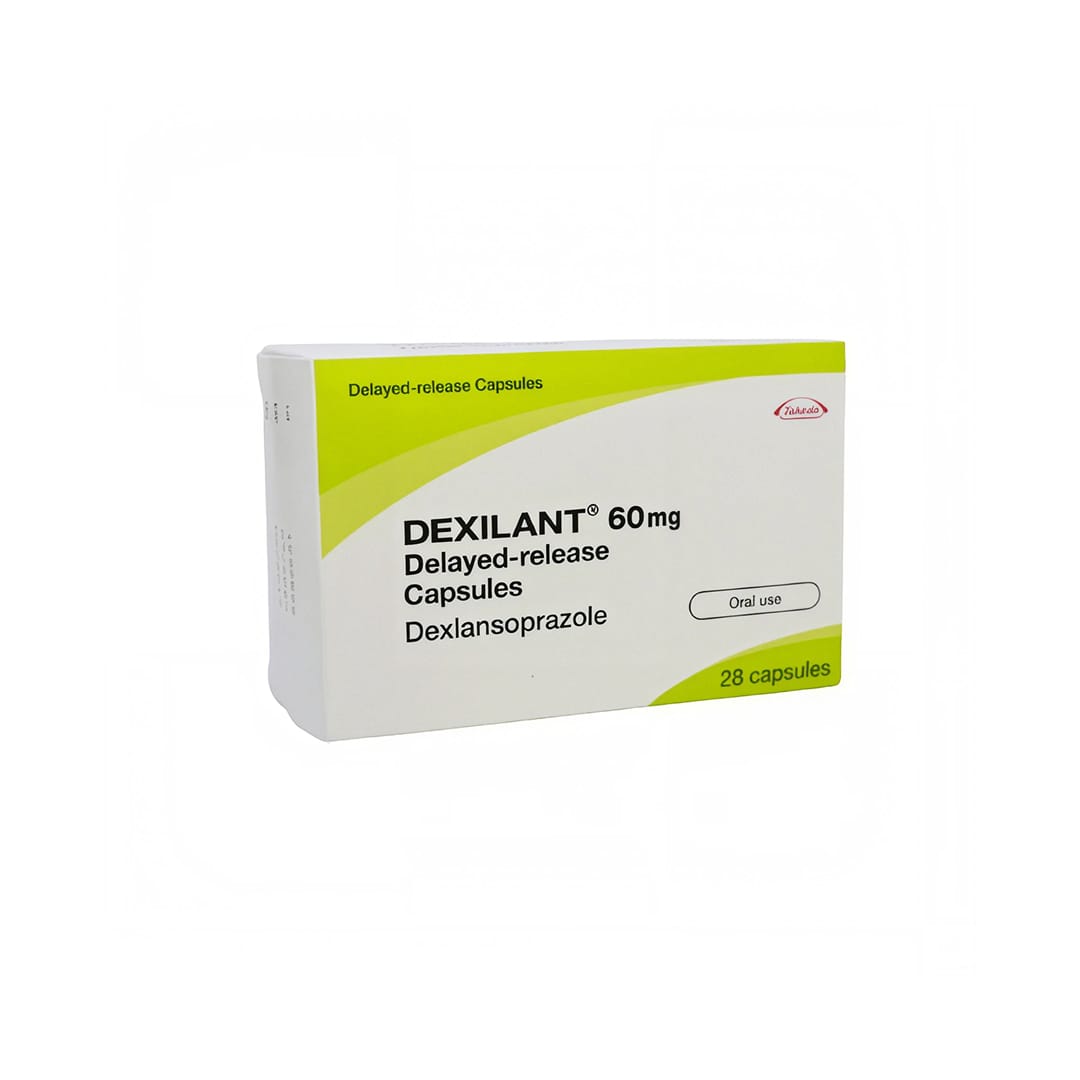
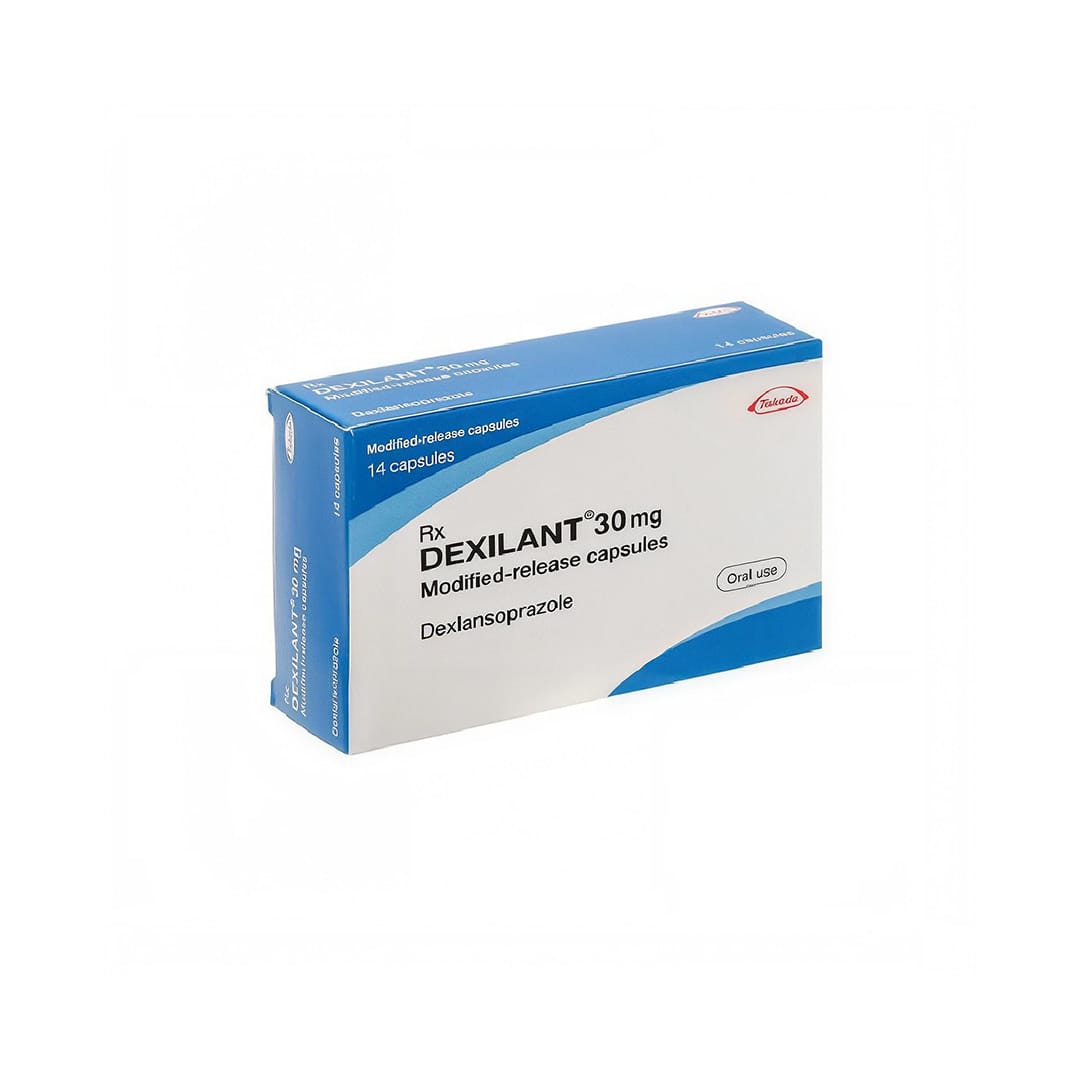
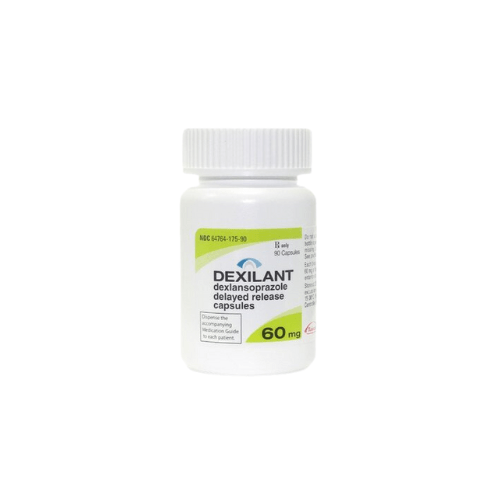
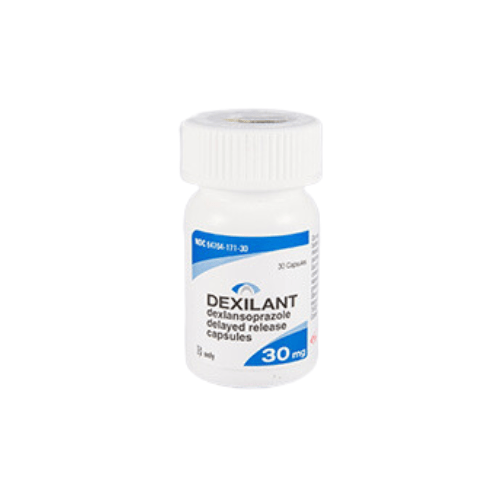
Dexilant is a proton pump inhibitor used for acid-related conditions such as gastroesophageal reflux disease and erosive esophagitis. It can be ordered through licensed pharmacy channels, with dose and strength choices matched to the directions provided for your treatment. Commonly discussed strengths include Dexilant 30 mg and Dexilant 60 mg delayed-release capsules.
Dexilant contains dexlansoprazole, an acid-reducing medicine designed to lower stomach acid over time. Many people consider it when frequent heartburn, regurgitation, or esophageal irritation has not been controlled well enough with lifestyle measures or other acid-reducing therapies. US delivery from Canada may be relevant for cash-pay customers comparing ongoing therapy costs.
Dexilant Price, Strengths, and Ordering Basics
Dexilant price can vary by strength, quantity, brand or generic supply, and current pharmacy sourcing. During ordering, choose the strength shown for the medication and match it to the directions you were given. If your therapy plan changes, do not switch between dexlansoprazole 30 mg and dexlansoprazole 60 mg without clinical guidance, because the strength often reflects the treatment goal.
Dexilant 30 mg is commonly associated with symptom control or maintenance after healing, while Dexilant 60 mg is commonly associated with healing erosive esophagitis when that higher strength is selected for a defined course. These are general label contexts, not individualized instructions. The correct dose, timing, and treatment length depend on the condition being treated, symptom history, and any safety factors that may apply.
| Strength | Form | Common label context |
|---|---|---|
| 30 mg | Delayed-release capsule | Heartburn control or maintenance of healed erosive esophagitis, as directed |
| 60 mg | Delayed-release capsule | Healing erosive esophagitis, as directed |
Customers paying out of pocket often compare Dexilant cost with dexlansoprazole cost, especially when therapy is expected to continue. Generic Dexilant refers to dexlansoprazole, the same active ingredient. Brand and generic availability, appearance, and naming can differ by market, so focus on the active ingredient, strength, delayed-release form, and directions attached to your medication.
What Dexilant Treats
Dexilant is used for gastroesophageal reflux disease, often called GERD, and for erosive esophagitis, which means inflammation and injury of the esophagus lining caused by acid exposure. GERD symptoms often include frequent heartburn, sour or bitter fluid coming back up, burning behind the breastbone, or discomfort after meals. For broader condition background, see the Gastroesophageal Reflux Disease information area.
In non-erosive reflux disease, the goal is usually symptom relief from heartburn related to reflux. In erosive esophagitis, the goal may be healing irritated tissue and then maintaining healing after symptoms improve. Related condition information is available for Acid Reflux and Erosive Esophagitis.
Heartburn can overlap with other conditions, including heart disease, ulcers, gallbladder disease, swallowing disorders, and medication-related irritation. Seek prompt medical attention for chest pain, vomiting blood, black stools, trouble swallowing, persistent vomiting, anemia, or unexplained weight loss. These warning signs need evaluation rather than routine acid suppression alone.
How Dexlansoprazole Works
Dexlansoprazole belongs to a class called proton pump inhibitors, or PPIs. PPIs reduce acid by blocking the final step of acid production in stomach cells. Lower acid levels can reduce burning symptoms and give irritated esophageal tissue a better chance to heal.
The delayed-release capsule design is important. Dexilant capsules contain granules that are intended to release medicine after passing through the stomach. Crushing or chewing the capsule contents can interfere with that delayed-release system and may change how the medicine works.
Why it matters: The delayed-release form helps explain why capsule-handling instructions are part of safe use.
How to Take Delayed-Release Capsules
Dexilant is generally taken once daily when used according to common label regimens, but follow the timing and course length provided for your situation. Take it consistently and avoid doubling doses unless a clinician specifically tells you to. If a dose is missed, follow the instructions on your medication label or ask a pharmacist how to handle the next dose safely.
Capsules are usually swallowed whole. If swallowing capsules is difficult, official labeling describes ways the capsule may be opened and the granules taken with soft food such as applesauce or administered with certain water-based methods. The granules should not be chewed. Ask for clear instructions before changing how you take the capsule.
- Swallowing: Take capsules whole unless instructed otherwise.
- Granules: Do not crush or chew delayed-release contents.
- Consistency: Use the same routine each day when possible.
- Course length: Continue only for the duration recommended for your treatment plan.
Food timing may be less restrictive for Dexilant than for some other PPIs, but personal instructions still matter. If symptoms continue despite regular use, do not keep increasing acid-suppressing medicine on your own. Persistent reflux symptoms may require reassessment of diagnosis, adherence, timing, diet triggers, or another cause.
Dexilant 60 mg, Dexilant 30 mg, and Generic Dexlansoprazole
Dexilant 60 mg capsules and Dexilant 30 mg capsules contain dexlansoprazole in a delayed-release form. The higher strength is often discussed for healing erosive esophagitis, while the lower strength is often discussed for maintenance or heartburn associated with non-erosive GERD. Those contexts help explain why the same medication may appear in more than one strength.
Generic Dexilant is commonly referred to as dexlansoprazole. When comparing dexlansoprazole price with brand Dexilant price, consider the active ingredient, strength, form, and directions rather than color or packaging alone. Some customers may see wording such as dexlansoprazole delayed-release 60 mg, Dexilant DR 60 mg, or dexlansoprazole 60 mg capsules; these phrases generally describe the active ingredient, delayed-release design, and strength.
Dexilant is not the same medicine as omeprazole, although both are PPIs used to reduce stomach acid. Omeprazole contains a different active ingredient and may have different timing instructions, interaction considerations, and individual response. If another PPI is being considered, the Gastrointestinal category can help organize related acid-reducing choices for discussion.
Storage, Travel, and Handling
Store Dexilant capsules at room temperature, away from excess heat and moisture. Keep the container closed tightly and leave the pharmacy label in place for identification. Bathrooms, window ledges, and kitchen areas near sinks can expose capsules to humidity or temperature changes.
Keep all medicines out of reach of children and pets. For travel, place the labeled container in a carry-on bag when possible. If you are crossing time zones, ask a pharmacist how to keep your routine consistent without taking extra capsules close together.
Orders may use prompt, express shipping when that service fits your timeline. After delivery, store the capsules as directed rather than leaving them in a vehicle, mailbox, or travel bag for long periods.
Side Effects, Warnings, and Monitoring
Common side effects reported with dexlansoprazole include diarrhea, nausea, abdominal pain, gas, vomiting, and headache. Some people notice mild digestive changes when starting acid-suppressing therapy. If symptoms are severe, persistent, or different from your usual reflux pattern, ask for medical advice rather than assuming the medicine is the only cause.
PPIs also carry less common but important safety risks. Severe or persistent watery diarrhea can be a sign of Clostridioides difficile-associated diarrhea, which needs medical attention. Kidney inflammation, called acute interstitial nephritis, has been reported with PPIs and may cause changes in urination, swelling, fever, rash, or unusual fatigue. Allergic reactions, including swelling, hives, or breathing difficulty, require urgent care.
Longer-term PPI therapy can be associated with low magnesium, vitamin B12 deficiency, and possible fracture risk in certain people. Monitoring may be considered when therapy continues for an extended period, especially in people taking other medicines that affect magnesium or bone health. Use the lowest effective duration directed for the condition being treated.
- Common effects: Diarrhea, nausea, abdominal discomfort, gas, vomiting, or headache.
- Urgent symptoms: Severe diarrhea, allergic reaction, black stools, or chest pain.
- Long-term concerns: Magnesium, vitamin B12, kidney, and bone health considerations.
- Follow-up: Ongoing symptoms may need reassessment rather than repeated self-treatment.
Tell a healthcare professional about pregnancy, breastfeeding, kidney disease, liver disease, osteoporosis, autoimmune conditions, or a history of low magnesium before starting or continuing therapy. Safety decisions depend on the full medical picture, including other medicines and the reason acid suppression is needed.
Drug Interactions and What to Avoid
Acid suppression can change how some medicines are absorbed. Some antifungals and certain HIV medicines need stomach acid for reliable absorption. PPIs are generally avoided with rilpivirine-containing products because reduced absorption may lead to loss of antiviral effect. Other medicines may require monitoring or dose review when used with PPIs.
Important interaction examples include digoxin, warfarin, tacrolimus, and high-dose methotrexate. These medicines may require closer observation, lab monitoring, or temporary treatment changes. Share all prescription medicines, non-prescription products, vitamins, and herbal supplements before using dexlansoprazole regularly.
Avoid chewing delayed-release granules, taking extra capsules for breakthrough symptoms, or combining multiple acid reducers without guidance. Alcohol, large late meals, tobacco, tight clothing, and lying down soon after eating can worsen reflux symptoms for some people, even when acid-suppressing medicine is working.
Lab tests and procedures
PPIs can affect certain laboratory tests. For example, they may raise chromogranin A levels, which can complicate testing for some neuroendocrine tumors. Acid suppression may also affect some stomach-related diagnostic evaluations. Tell the ordering clinician about current and recent PPI use before specialized testing or procedures.
Comparing Dexilant With Other Reflux Medicines
Dexilant is one option within the PPI class. Other PPIs include omeprazole, esomeprazole, pantoprazole, and rabeprazole. People may respond differently within the class, and practical differences can include timing, interaction profile, insurance or cash-pay cost, and tolerance.
H2 blockers, such as famotidine, reduce acid through a different pathway and may be used for milder or intermittent symptoms. They generally do not work the same way as PPIs and may not be chosen for the same treatment goals, especially when healing erosive esophagitis is the priority. The best comparison depends on diagnosis, symptom frequency, and safety factors.
Related condition and category areas can help frame the discussion: Gastrointestinal articles cover digestive health topics, and the Canada origin attribute may help customers identify Canadian-supplied items when browsing. Use those references to prepare questions, not as a substitute for individualized medical guidance.
Authoritative Sources
Official and medically reviewed references provide the most reliable details on labeled uses, administration, contraindications, adverse reactions, and drug interactions. The following sources support key clinical points about dexlansoprazole delayed-release capsules:
This content is for informational purposes only and is not a substitute for professional medical advice.
Customer Reviews
4.7
Based on 6 Reviews
Write a Review
Ask a Question
- Reviews
- Questions
Filter Reviews:
VR
07/26/2026
Von R.  US
USDexilant
I have ordered this item various times. It has worked well and this method of purchasing is the cheapest I have found
07/27/2026
borderfreehealth.com
Hi Von!We're delighted to hear that Dexilant has been working well for you and that you've found our service to be the most affordable option. It's wonderful to know that we've earned your trust through your continued orders. We're committed to providing quality medications, competitive pricing, and dependable service to help make managing your healthcare easier. If you ever need assistance with your orders or have any questions, we're always here to help. Thank you for choosing Border Free Health!
LS
04/30/2026
Lori S. USGreat value!
I ordered my prescription that in the United States is $280 for 30 pills and with border free it’s $265 for 90 pills. The employees are very nice and follow through.
05/01/2026
borderfreehealth.com
Hi Lori!We’re truly glad to hear that you found great value and savings with your prescription. Helping make medications more affordable is exactly what we strive for. It’s wonderful to know our team has been supportive and consistent throughout your journey. Your trust means a lot to us, thank you for always choosing Border Free Health. We’re here for you every step of the way!
DM
03/17/2026
Daniel M. USsome what satisfied
This was the longest I have ever had to wait for a prescription to be filled. Took payment on 2/11/26 and didn't get filled and shipped till 3/5/26.
03/18/2026
borderfreehealth.com
Hi Daniel,Thank you for always choosing BorderFreeHealth! We sincerely apologize for the delay and completely understand how frustrating it can be to wait longer than expected. The extended processing time was due to new customs clearance procedures combined with holiday backlogs, which temporarily affected our shipping schedule. We want you to know that your health and satisfaction are our top priorities, and our team is working diligently to ensure that every order is handled with care, accuracy, and speed. We truly appreciate your patience, understanding, and continued trust in us during this time. If you have any questions, concerns, or need assistance with your order, please don’t hesitate to reach out we’re always here to help.Thank you again for trusting us with your health needs. We look forward to serving you better in the future!
DM
09/12/2025
Daniel M. USSatisfied
This item works great.
09/12/2025
borderfreehealth.com
Hi Daniel,Thank you so much for taking the time to share your feedback. We are delighted to know that you are satisfied with your purchase and that the item is working great for you. At Border Free Health, we strive to provide not only safe and effective products but also an experience that gives you confidence and peace of mind with every order.Your trust means a great deal to us and inspires our team to continue delivering the highest standard of care and service. We are always here to support your health and wellness journey and to ensure that your future experiences with us are just as positive.Thank you once again for choosing Border Free Health. We look forward to serving you again and being a trusted partner in your ongoing healthcare needs.
BP
10/14/2024
Barbara P. USMedication
Medication shipped and received wuth no problem.
10/15/2024
borderfreehealth.com
Hi Barbara,Thank you so much for your feedback! We're thrilled to hear that your medication arrived smoothly and without any problems. It’s always our goal to make the process as seamless as possible for you!If you have any questions or need further assistance, please let us know, we're here to support you.Thank you for choosing Border Free Health. Have an amazing day!
Express Shipping - from $29.99
Shipping with this method takes 3-5 days
Prices:
- Dry-Packed Products $29.99
- Cold-Packed Products $39.99
Shipping Countries:
- United States (all contiguous states**)
- Worldwide (excludes some countries***)
Standard Shipping - $19.99
Shipping with this method takes 5-10 days
Prices:
- Dry-Packed Products $19.99
- Not available for Cold-Packed products
Shipping Countries:
- United States (all contiguous states**)
- Worldwide (excludes some countries***)
What is Dexilant used for?
Dexilant is used for acid-related conditions, including heartburn associated with gastroesophageal reflux disease and treatment or maintenance of erosive esophagitis. The treatment goal affects the strength and duration selected for the individual plan.
Is Dexilant the same as omeprazole?
No. Dexilant contains dexlansoprazole, while omeprazole is a different proton pump inhibitor. Both reduce stomach acid, but they may differ in timing instructions, interactions, response, and cost.
What should I avoid while taking Dexilant?
Avoid crushing or chewing the delayed-release capsule contents. Also avoid taking extra doses or combining multiple acid reducers without guidance. Tell a healthcare professional about all medicines and supplements because acid reduction can affect absorption of some drugs.
What are possible long-term side effects of Dexilant?
Long-term proton pump inhibitor use may be associated with low magnesium, vitamin B12 deficiency, kidney inflammation, and fracture risk in some people. Ongoing therapy may require periodic reassessment and monitoring based on personal risk factors.
Can Dexilant capsules be opened?
Official labeling describes certain ways to open capsules and take the granules with soft food or water-based methods when swallowing is difficult. The granules should not be chewed or crushed because they are delayed release.
How should Dexilant be stored?
Store Dexilant at room temperature, away from excess heat and moisture. Keep capsules in the labeled container with the lid closed, and keep all medicines out of reach of children and pets.
Rewards Program
Earn points on birthdays, product orders, reviews, friend referrals, and more! Enjoy your medication at unparalleled discounts while reaping rewards for every step you take with us.
You can read more about rewards here.
POINT VALUE
How to earn points
- 1Create an account and start earning.
- 2Earn points every time you shop or perform certain actions.
- 3Redeem points for exclusive discounts.
You Might Also Like
Select options
This product has multiple variants. The options may be chosen on the product page
Select options
This product has multiple variants. The options may be chosen on the product page
Select options
This product has multiple variants. The options may be chosen on the product page
Select options
This product has multiple variants. The options may be chosen on the product page