
Please note: a valid prescription is required for all prescription medication.
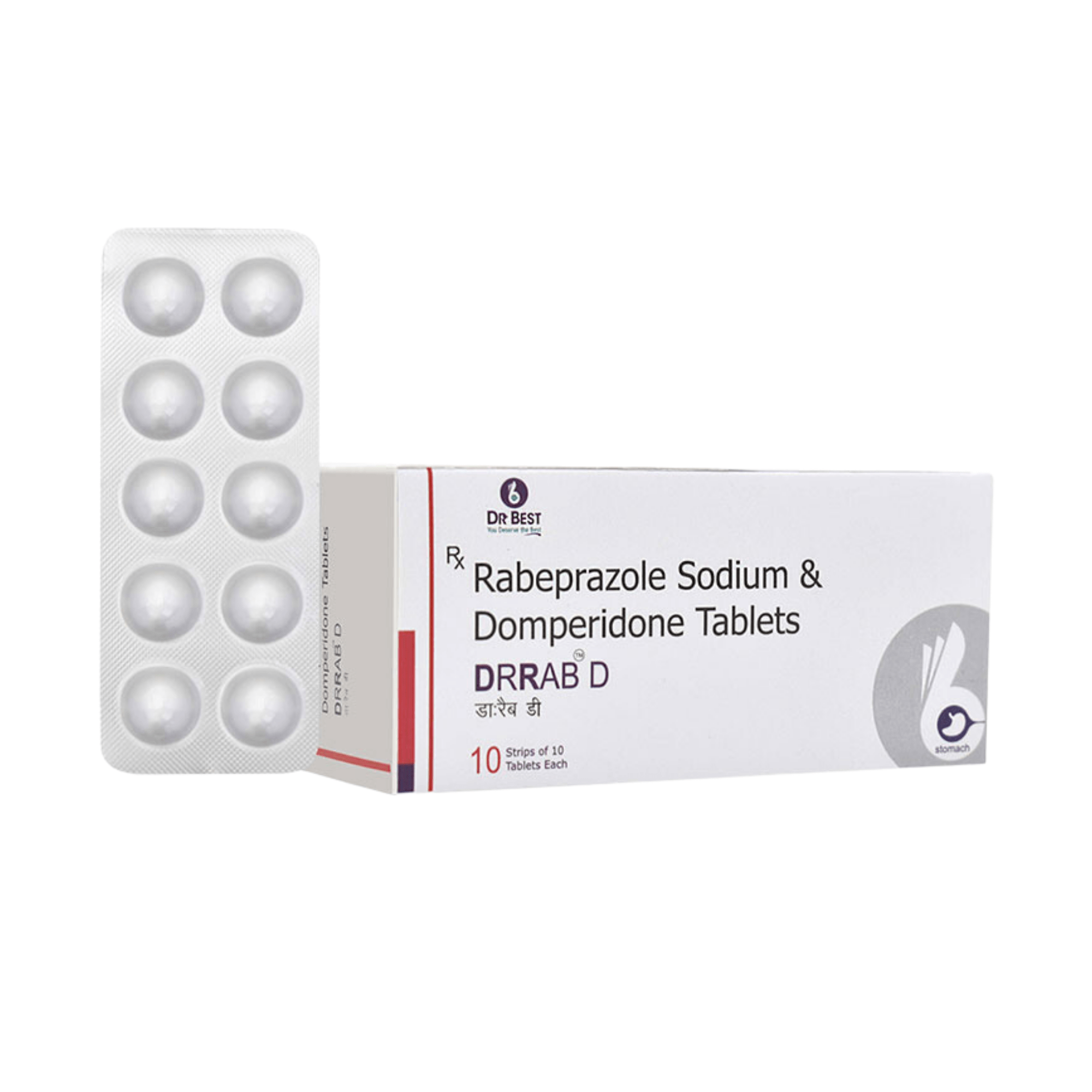
Rabeprazole
Buy Rabeprazole Online
Secure Encrypted Payments
Rabeprazole is a proton pump inhibitor used for acid-related conditions such as GERD, erosive esophagitis, duodenal ulcers, and Zollinger-Ellison syndrome. It can be ordered online, with current Rabeprazole price details shown during checkout and dose or strength choices matched to the directions from your clinician. BorderFreeHealth offers US delivery from Canada for customers seeking Canadian-sourced medication choices.
Rabeprazole Price, Strengths, and Ordering Basics
Rabeprazole cost depends on the strength, quantity, manufacturer, and current pharmacy supply. Many customers compare Rabeprazole 20 mg price, cash price, and out-of-pocket cost because acid-suppressing therapy may be used for several weeks or longer depending on the diagnosis. During ordering, choose the strength and quantity shown for the medication and keep the selection consistent with your treatment plan.
Rabeprazole sodium 20 mg delayed-release tablets are commonly supplied for adult acid-related conditions. Delayed-release means the tablet is designed to pass through the stomach before releasing the medicine, which helps protect the active ingredient from stomach acid. Some packaging may use wording such as Rabeprazole DR 20 mg tablets or Rabeprazole sodium tablets for the same active ingredient class.
Current pricing can change with supplier costs and package size. If you are planning refills, allow time for processing and prompt, express shipping rather than waiting until your supply is nearly finished. For broader digestive health treatments, the Gastrointestinal category can help place Rabeprazole alongside related acid-reducing medicines and ulcer therapies.
What Rabeprazole Treats
Rabeprazole treats conditions caused or worsened by excess stomach acid. It is used for gastroesophageal reflux disease, often called GERD, including healing and maintenance treatment for erosive esophagitis when directed by a healthcare professional. GERD happens when stomach contents flow backward into the esophagus and cause symptoms such as heartburn, regurgitation, cough, or throat irritation.
The medicine is also used for duodenal ulcer healing and may be included with antibiotics for Helicobacter pylori eradication. H. pylori is a bacterium that can contribute to ulcers, and treatment usually requires taking every component of the regimen for the full course. Rabeprazole may also be used for pathological hypersecretory conditions such as Zollinger-Ellison syndrome, where the stomach produces too much acid.
For condition-specific background, see Gastroesophageal Reflux Disease and Peptic Ulcer. These condition references can help you discuss symptoms, treatment length, and follow-up plans more clearly with your clinician.
How Rabeprazole Works
Rabeprazole belongs to the proton pump inhibitor class, often shortened to PPI. PPIs reduce stomach acid by blocking the final acid-producing pump in the stomach lining. Lower acid levels can relieve heartburn, give irritated esophageal tissue time to heal, and support ulcer recovery.
Rabeprazole does not work like an antacid. Antacids neutralize acid that is already present, while PPIs reduce acid production at the source. Because of this mechanism, many people take Rabeprazole consistently each day rather than only after symptoms appear. Symptom relief may begin earlier, but healing of erosive disease or ulcers can require a longer course.
Aciphex and Pariet are brand names associated with rabeprazole in some markets. This medication copy focuses on the generic active ingredient, rabeprazole sodium. Brand names, strengths, and packaging can differ by country, so the active ingredient and clinician directions matter more than brand wording alone.
How to Take Delayed-Release Tablets
Use Rabeprazole exactly as directed by your healthcare professional and the medication label. Many adult regimens use once-daily dosing for reflux or ulcer conditions, while some combination regimens may use different timing. Do not change dose, frequency, or treatment length without medical guidance, especially if symptoms return after stopping therapy.
Swallow delayed-release tablets whole with water. Do not crush, split, or chew them, because damaging the tablet can interfere with the delayed-release design. If Rabeprazole is part of an H. pylori regimen, take the antibiotics and acid reducer on schedule for the full course unless a clinician tells you otherwise.
Quick tip: Taking the medicine at the same time each day can make missed doses less likely.
If you miss a dose, take it when you remember unless it is close to the next scheduled dose. Skip the missed dose in that case and return to the regular schedule. Do not take two doses at once to make up for a missed tablet.
What to Expect During Treatment
Heartburn and reflux symptoms may improve after consistent use, but tissue healing can take longer than symptom relief. People with erosive esophagitis, ulcers, or hypersecretory conditions may need follow-up to decide whether treatment should continue, stop, or step down to another approach. The right duration depends on diagnosis, symptom pattern, risk factors, and response.
Long-term PPI therapy can be appropriate for some people, but it should be reviewed periodically. Your clinician may reassess ongoing need, check for interactions, and consider whether lifestyle changes or a lower-intensity medicine could maintain control. Do not stop a long-term acid reducer abruptly without asking about a plan if rebound symptoms have been a problem for you.
Supportive habits can make reflux management easier. These may include avoiding late heavy meals, elevating the head of the bed for nighttime reflux, limiting personal food triggers, reducing alcohol if it worsens symptoms, and discussing weight-related reflux factors when relevant. Lifestyle steps do not replace medication for diagnosed erosive disease or ulcer treatment, but they can reduce symptom burden.
Side Effects, Warnings, and Monitoring
Common Rabeprazole side effects include headache, diarrhea, constipation, nausea, abdominal discomfort, gas, bloating, sore throat, cough, and dizziness. Headache and digestive changes are among the more commonly reported effects with PPIs. Mild effects may settle, but persistent or severe symptoms should be discussed with a healthcare professional.
Serious reactions are less common but need prompt attention. Seek medical help for signs of a severe allergic reaction, such as swelling of the face or throat, trouble breathing, widespread rash, or severe dizziness. Contact a clinician if you develop watery or bloody diarrhea, severe stomach pain, fever, new kidney-related symptoms, unusual fatigue, muscle spasms, seizures, or a rash that worsens in sunlight.
Long-term or high-dose PPI use has been associated with low magnesium, vitamin B12 deficiency, kidney inflammation, certain infections such as Clostridioides difficile-associated diarrhea, and increased fracture risk in people with other bone risk factors. People with osteoporosis risk, low magnesium history, kidney problems, liver disease, or ongoing digestive symptoms may need closer monitoring. New alarm symptoms such as trouble swallowing, vomiting blood, black stools, unexplained weight loss, or chest pain require medical evaluation rather than self-managing with acid suppression.
Drug Interactions and What to Avoid
Rabeprazole can affect medicines that depend on stomach acidity for absorption. Examples include ketoconazole, itraconazole, and some cancer or antiviral medicines. Some antiretroviral therapies may not combine well with PPIs, and high-dose methotrexate can require special caution. Warfarin, digoxin, and other medicines with narrow monitoring needs may require closer follow-up.
Give your healthcare professional and pharmacist a complete list of prescription medicines, non-prescription products, vitamins, and supplements. This is especially important if you take blood thinners, HIV medicines, antifungals, methotrexate, seizure medicines, iron products, or medicines for heart rhythm or heart failure. Do not assume spacing alone solves every interaction, because some interactions depend on acid suppression over the whole day.
Ask what to avoid based on your diagnosis. Some people need to limit alcohol, tobacco, late meals, nonsteroidal anti-inflammatory drugs such as ibuprofen or naproxen, or foods that reliably worsen reflux. If you are being treated for an ulcer, avoid stopping antibiotics early unless a clinician directs you, because incomplete treatment can make infection harder to clear.
Storage and Travel
Store Rabeprazole tablets at room temperature in a dry place away from moisture and direct light. Keep tablets in the labeled container and out of reach of children and pets. Bathrooms and kitchen counters near sinks are often poor storage areas because humidity can affect delayed-release tablets.
For travel, keep the medicine in carry-on luggage when possible and leave it in the original labeled container. Bring enough supply for the trip plus a small buffer for delays. If your treatment involves multiple medicines, such as an ulcer regimen, keeping a written schedule can reduce missed doses and accidental duplication.
Rabeprazole Compared With Other Acid Reducers
Rabeprazole, omeprazole, pantoprazole, esomeprazole, and similar medicines are all PPIs. They share the same broad acid-suppression goal, but they can differ in timing instructions, interaction profiles, formulation, and individual response. Rabeprazole is not automatically “stronger” than omeprazole for every person; the better choice depends on diagnosis, symptom control, other medicines, and tolerability.
H2 blockers, such as famotidine or cimetidine, reduce acid through a different pathway and may be used for milder or intermittent symptoms in some treatment plans. They may also be considered as step-down therapy after reflux stabilizes. People with confirmed erosive esophagitis, ulcers, or high-acid conditions may need a PPI rather than an H2 blocker for a defined course.
When discussing alternatives, focus on the reason for treatment. GERD symptom control, esophageal healing, ulcer healing, H. pylori therapy, and Zollinger-Ellison syndrome can require different strategies. Editorial articles in the Gastrointestinal articles section can support broader conversations about digestive health, but medication changes should remain individualized.
Who Should Use Extra Caution
Rabeprazole may not be suitable for people with a known allergy to rabeprazole, other substituted benzimidazoles, or any tablet ingredient. People with significant liver impairment, kidney concerns, osteoporosis risk, low magnesium, or a history of serious PPI reactions should discuss the safest plan before continuing therapy. Pregnancy and breastfeeding decisions should be made with a healthcare professional who can weigh condition severity and medication exposure.
Children and adolescents need age-appropriate dosing and formulation decisions. Not every product presentation is appropriate for every age group. If a child has reflux symptoms, recurrent vomiting, poor weight gain, swallowing problems, or blood in stool, medical evaluation is important before relying on acid suppression.
Persistent reflux symptoms can sometimes hide other conditions. If symptoms do not improve as expected, or if they return quickly after stopping therapy, your clinician may consider endoscopy, H. pylori testing, medication review, or evaluation for non-acid causes of chest or upper abdominal symptoms.
Questions to Discuss Before You Order
- Which diagnosis is Rabeprazole treating: GERD, erosive esophagitis, ulcer disease, H. pylori, or excess acid production?
- How long should treatment continue before reassessment?
- Should the tablet be taken before food, after food, or at a specific time for your regimen?
- Are any current medicines affected by lower stomach acid?
- Do you need magnesium, vitamin B12, kidney, or bone-health monitoring during longer use?
- What symptoms should lead to urgent medical care?
- Is step-down therapy appropriate after symptoms are controlled?
Authoritative Sources
This content is for informational purposes only and is not a substitute for professional medical advice.
Express Shipping - from $29.99
Shipping with this method takes 3-5 days
Prices:
- Dry-Packed Products $29.99
- Cold-Packed Products $39.99
Shipping Countries:
- United States (all contiguous states**)
- Worldwide (excludes some countries***)
Standard Shipping - $19.99
Shipping with this method takes 5-10 days
Prices:
- Dry-Packed Products $19.99
- Not available for Cold-Packed products
Shipping Countries:
- United States (all contiguous states**)
- Worldwide (excludes some countries***)
What is Rabeprazole used for?
Rabeprazole is used for acid-related conditions, including GERD, erosive esophagitis, duodenal ulcers, H. pylori combination treatment, and Zollinger-Ellison syndrome when directed by a healthcare professional.
What is the most common side effect of Rabeprazole?
Headache and digestive symptoms such as diarrhea, constipation, nausea, abdominal discomfort, gas, or bloating are commonly reported. Severe diarrhea, allergic symptoms, or persistent side effects should be discussed promptly with a clinician.
Is Rabeprazole stronger than omeprazole?
Rabeprazole and omeprazole are both proton pump inhibitors. One is not automatically stronger for every person; response depends on the condition being treated, other medicines, timing, and individual tolerability.
How long can you safely take Rabeprazole?
Treatment length depends on the diagnosis and response. Some people use a short course, while others need maintenance therapy. Long-term PPI use should be reviewed periodically because monitoring may be needed.
What should I avoid while taking Rabeprazole?
Avoid crushing or chewing delayed-release tablets. Ask a clinician about alcohol, tobacco, late meals, NSAIDs, and interacting medicines, especially antifungals, some antivirals, methotrexate, warfarin, or digoxin.
How should Rabeprazole delayed-release tablets be stored?
Store tablets at room temperature in a dry place, away from moisture, light, children, and pets. Keep them in the labeled container, especially when traveling.
Rewards Program
Earn points on birthdays, product orders, reviews, friend referrals, and more! Enjoy your medication at unparalleled discounts while reaping rewards for every step you take with us.
You can read more about rewards here.
POINT VALUE
How to earn points
- 1Create an account and start earning.
- 2Earn points every time you shop or perform certain actions.
- 3Redeem points for exclusive discounts.
You Might Also Like
Select options
This product has multiple variants. The options may be chosen on the product page
Select options
This product has multiple variants. The options may be chosen on the product page
Select options
This product has multiple variants. The options may be chosen on the product page
Select options
This product has multiple variants. The options may be chosen on the product page