
Please note: a valid prescription is required for all prescription medication.
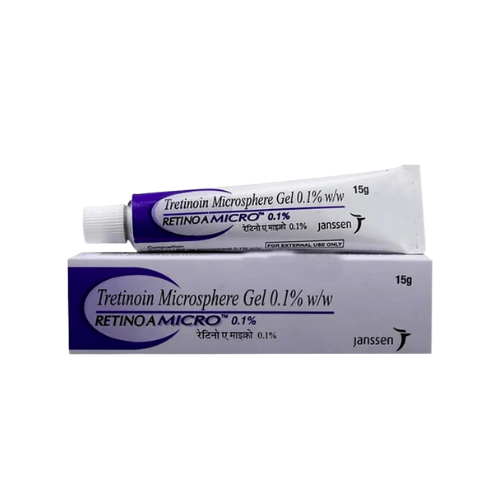
Retino-A Micro Gel
Buy Retino-A Micro Gel Online
Secure Encrypted Payments
Retino-A Micro Gel is a tretinoin microsphere gel used on acne-prone skin to help keep pores clear and reduce new blemishes. It can be bought online with US delivery from Canada, and you can choose the strength shown during ordering, such as 0.04% or 0.1% when available, to match your clinician’s directions. The microsphere base releases tretinoin gradually, which may help some people tolerate topical retinoid treatment as part of a steady acne routine.
Price, Strengths, and Ordering
Retino-A Micro Gel Canadian pricing can vary by strength, tube size, manufacturer source, and current supply. During ordering, review the current cost for the gel strength you need and confirm the quantity that fits your treatment plan. People paying out of pocket often look closely at 0.04% and 0.1% pricing because topical tretinoin products can differ widely in cash-pay cost.
The commonly referenced strengths for this gel are 0.04% and 0.1%. A smaller tube size such as 15 g may be offered in some markets, although pack sizes can vary. Choose only the strength and quantity that match your label directions; using more gel or a higher strength than directed can raise the chance of dryness, peeling, stinging, and redness.
Orders are supplied through licensed pharmacies, and order details may be reviewed before the medicine is supplied. We support cash-pay ordering for U.S. customers using cross-border pharmacy channels, including Retino-A Micro Gel without insurance. Shipping is handled with prompt, express shipping when service is available for the order.
How This Acne Gel Works
Retino-A Micro Gel contains tretinoin, a topical retinoid related to vitamin A. Retinoids help normalize how skin cells shed inside the pore. This action helps reduce microcomedones, the early clogged pores that can later become blackheads, whiteheads, or inflamed pimples.
The microsphere gel base is the key practical difference between Retino-A Micro Gel and some immediate-release tretinoin creams or gels. Tiny porous particles hold tretinoin and release it over time on the skin. That gradual release is intended to support tolerability while still treating acne lesions. It does not mean irritation cannot happen, so a gentle routine remains important.
This medicine is used for acne in adolescents and adults when a clinician considers topical tretinoin appropriate. It may suit comedonal acne, mixed acne, or persistent clogged pores. For a plain-language explanation of acne triggers, pore blockage, and treatment goals, see our acne condition category.
How to Use Retino-A Micro Gel
Apply Retino-A Micro Gel at night if that is how your directions are written. Wash with a mild cleanser, then let the skin dry before applying. A pea-sized amount is usually enough for the entire face. Spread a thin layer over acne-prone areas instead of using it only as a spot treatment on individual pimples.
Avoid the eyes, lips, corners of the nose, mucous membranes, and any broken or sunburned skin. Wash your hands after application. Do not apply extra gel to make acne improve faster; too much tretinoin usually increases irritation rather than improving results.
Quick tip: Keep the rest of your routine simple when starting a retinoid.
If your skin is sensitive, ask your clinician whether starting less often and increasing gradually is appropriate. A non-comedogenic moisturizer can reduce tightness and flaking. In the morning, use broad-spectrum sunscreen and protective clothing because topical retinoids can make skin more sensitive to sun exposure.
What to Expect Over Time
Retino-A Micro Gel does not clear acne overnight. Many people notice dryness, flaking, mild burning, or a temporary acne flare during the early adjustment period. These effects can happen as clogged pores begin to clear and the skin adapts to tretinoin.
Consistency matters. Acne improvement is usually assessed over weeks rather than days, and progress may not be perfectly steady. If irritation becomes uncomfortable, if redness is intense, or if peeling disrupts normal activities, pause and contact a clinician for individualized guidance. They may adjust how often you use it, change the strength, or recommend a different acne plan.
Gentle skincare can make treatment easier to continue. Use a mild cleanser, avoid abrasive scrubs, and choose moisturizers labeled non-comedogenic. For broader dermatology browsing, including related skin treatments, visit the dermatology category.
Strength Selection: 0.04% vs 0.1%
Retino-A Micro Gel 0.04% and Retino-A Micro Gel 0.1% contain the same active ingredient but different tretinoin concentrations. A lower concentration may be selected when tolerability is a concern, while a higher concentration may be chosen when a clinician wants a stronger topical retinoid effect. The right choice depends on acne pattern, skin sensitivity, prior retinoid use, and the rest of the routine.
Do not switch from 0.04% to 0.1%, or from 0.1% to 0.04%, without clinical direction. Strength changes can alter irritation risk and the way the medicine fits with benzoyl peroxide, salicylic acid, topical antibiotics, oral acne medicines, or procedures such as peels and waxing.
| Strength decision | Practical point |
|---|---|
| 0.04% | Often considered when gradual tolerance is a priority. |
| 0.1% | Higher tretinoin concentration; irritation precautions are especially important. |
| Tube quantity | Match the amount supplied to your directions and refill timing. |
Side Effects, Warnings, and Skin Precautions
Common side effects are usually local to the application area. They can include dryness, peeling, redness, stinging, burning, itching, and increased sensitivity to sunlight. Some people also notice a short-term worsening of acne during the first part of treatment.
- Use sunscreen every morning and limit unnecessary sun exposure.
- Avoid tanning beds while using topical tretinoin.
- Do not apply to sunburned, scraped, eczematous, or irritated skin.
- Use caution with harsh cleansers, alcohol toners, scrubs, and astringents.
- Avoid waxing treated areas unless a clinician says it is safe.
Serious reactions are uncommon but require prompt attention. Stop using the gel and seek medical help if you develop severe swelling, blistering, crusting, intense redness, or signs of an allergic reaction. If irritation is persistent but not urgent, contact a clinician before restarting or changing your schedule.
Topical retinoids are not routinely recommended during pregnancy. People who are pregnant, trying to conceive, or breastfeeding should discuss acne treatment choices with a healthcare professional. This is especially important because acne medicines differ widely in pregnancy and lactation considerations.
Interactions and Products to Use Carefully
Skin irritation is the main interaction concern with Retino-A Micro Gel. Combining it with benzoyl peroxide, salicylic acid, sulfur, resorcinol, chemical exfoliants, peels, or abrasive cleansing tools can make dryness and burning worse. A clinician can help space products across morning and evening routines if combination acne therapy is needed.
Tell your clinician about all topical and oral acne medicines, recent cosmetic procedures, and any history of eczema, rosacea, or very reactive skin. Also mention medicines that increase sun sensitivity, such as certain antibiotics, because outdoor precautions may need to be stricter. Good product selection depends on both acne severity and how your skin barrier responds.
Storage and Travel
Store Retino-A Micro Gel at room temperature, away from excess heat, direct light, and freezing conditions. Keep the cap tightly closed so the gel does not dry out or become contaminated. Keep all medicines away from children and pets.
When traveling, keep the tube in carry-on luggage when practical. Pack it in a resealable bag to protect clothing and toiletries from leaks. Carry the labeled container or documentation for easier identification during travel. Do not leave the tube in a hot car, checked luggage exposed to temperature swings, or direct sun.
Comparing Retino-A Micro Gel With Other Acne Options
Retino-A Micro Gel is a topical retinoid, so it mainly targets clogged pores and helps prevent new acne lesions from forming. Other acne medicines work differently. Benzoyl peroxide helps reduce acne bacteria and inflammation, topical antibiotics may be used for inflammatory acne, and oral medicines may be considered when acne is more widespread or persistent.
Some patients need a non-retinoid prescription routine because of irritation, pregnancy planning, or previous intolerance. Others use a retinoid as a foundation therapy and add a second treatment for inflamed lesions. The best comparison is not only which medicine is stronger; it is which medicine your skin can use consistently and safely.
For education on skin-care decisions, treatment classes, and condition-focused articles, browse our dermatology articles. Use those articles as background while relying on your clinician for individualized acne treatment choices.
Who May Need Extra Guidance
Extra care is important if you have very sensitive skin, eczema, rosacea, frequent sun exposure, or a history of strong reactions to topical acne medicines. People using multiple active skincare products should simplify the routine before starting tretinoin unless directed otherwise. Too many active ingredients at once can make it difficult to tell which product caused irritation.
Teenagers and adults can both use topical acne treatments when clinically appropriate, but routines must be realistic. A product that causes intense dryness may be hard to continue. Ask about moisturizer choice, sunscreen selection, makeup compatibility, and when to reassess results. These practical details often determine whether treatment is sustainable.
Questions to Ask Before Starting
- Which strength should I use for my acne and skin sensitivity?
- Should I start nightly, or build up gradually?
- Which cleanser and moisturizer pair well with tretinoin?
- Can I use benzoyl peroxide or salicylic acid at the same time?
- How should I handle dryness, peeling, or an acne flare?
- When should my response be reassessed?
- What should I do if I become pregnant or plan pregnancy?
Authoritative Sources
Official prescribing information for Retin-A Micro
Health Canada tretinoin topical product monograph
Retino-A Micro Gel can be ordered online by selecting the strength and quantity that match your directions, then completing the checkout steps. Review the current price before placing the order, especially if you are paying cash or managing acne treatment without insurance.
This content is for informational purposes only and is not a substitute for professional medical advice.
Affected Body Surface Area Calculator
Estimate affected body surface area using palm units and optional entered body-region percentages.
Estimated affected BSA-one palm approximates 1%
Check-screening estimate only
These calculations are for education only and do not replace clinical advice, diagnosis, or treatment. Always confirm medical decisions with a qualified healthcare professional.
Express Shipping - from $29.99
Shipping with this method takes 3-5 days
Prices:
- Dry-Packed Products $29.99
- Cold-Packed Products $39.99
Shipping Countries:
- United States (all contiguous states**)
- Worldwide (excludes some countries***)
Standard Shipping - $19.99
Shipping with this method takes 5-10 days
Prices:
- Dry-Packed Products $19.99
- Not available for Cold-Packed products
Shipping Countries:
- United States (all contiguous states**)
- Worldwide (excludes some countries***)
What does Retino-A Micro Gel do?
Retino-A Micro Gel helps treat acne by increasing skin cell turnover and reducing clogged pores. It targets early pore blockages called microcomedones, which can develop into blackheads, whiteheads, or inflamed pimples.
What is Retino-A Micro Gel 0.1% used for?
Retino-A Micro Gel 0.1% is a higher-strength tretinoin microsphere gel used for acne when that strength is appropriate for the patient. It should be used only as directed because higher tretinoin strength can increase dryness, peeling, burning, and redness.
How long does Retino-A Micro Gel take to work?
Acne response is usually judged over weeks, not days. Early dryness, peeling, or a temporary flare can occur before improvement becomes noticeable. Keep the routine gentle and ask a clinician when your response should be reassessed.
Can Retino-A Micro Gel irritate the skin?
Yes. Common effects include dryness, peeling, redness, stinging, burning, itching, and sun sensitivity. Severe swelling, blistering, crusting, or signs of allergy need prompt medical attention.
Can I use benzoyl peroxide or salicylic acid with Retino-A Micro Gel?
Some acne routines combine treatments, but using several active products can worsen irritation. Ask a clinician how to space benzoyl peroxide, salicylic acid, exfoliants, or other acne medicines with Retino-A Micro Gel.
Rewards Program
Earn points on birthdays, product orders, reviews, friend referrals, and more! Enjoy your medication at unparalleled discounts while reaping rewards for every step you take with us.
You can read more about rewards here.
POINT VALUE
How to earn points
- 1Create an account and start earning.
- 2Earn points every time you shop or perform certain actions.
- 3Redeem points for exclusive discounts.
You Might Also Like
Select options
This product has multiple variants. The options may be chosen on the product page
Select options
This product has multiple variants. The options may be chosen on the product page
Select options
This product has multiple variants. The options may be chosen on the product page
Select options
This product has multiple variants. The options may be chosen on the product page