
Please note: a valid prescription is required for all prescription medication.
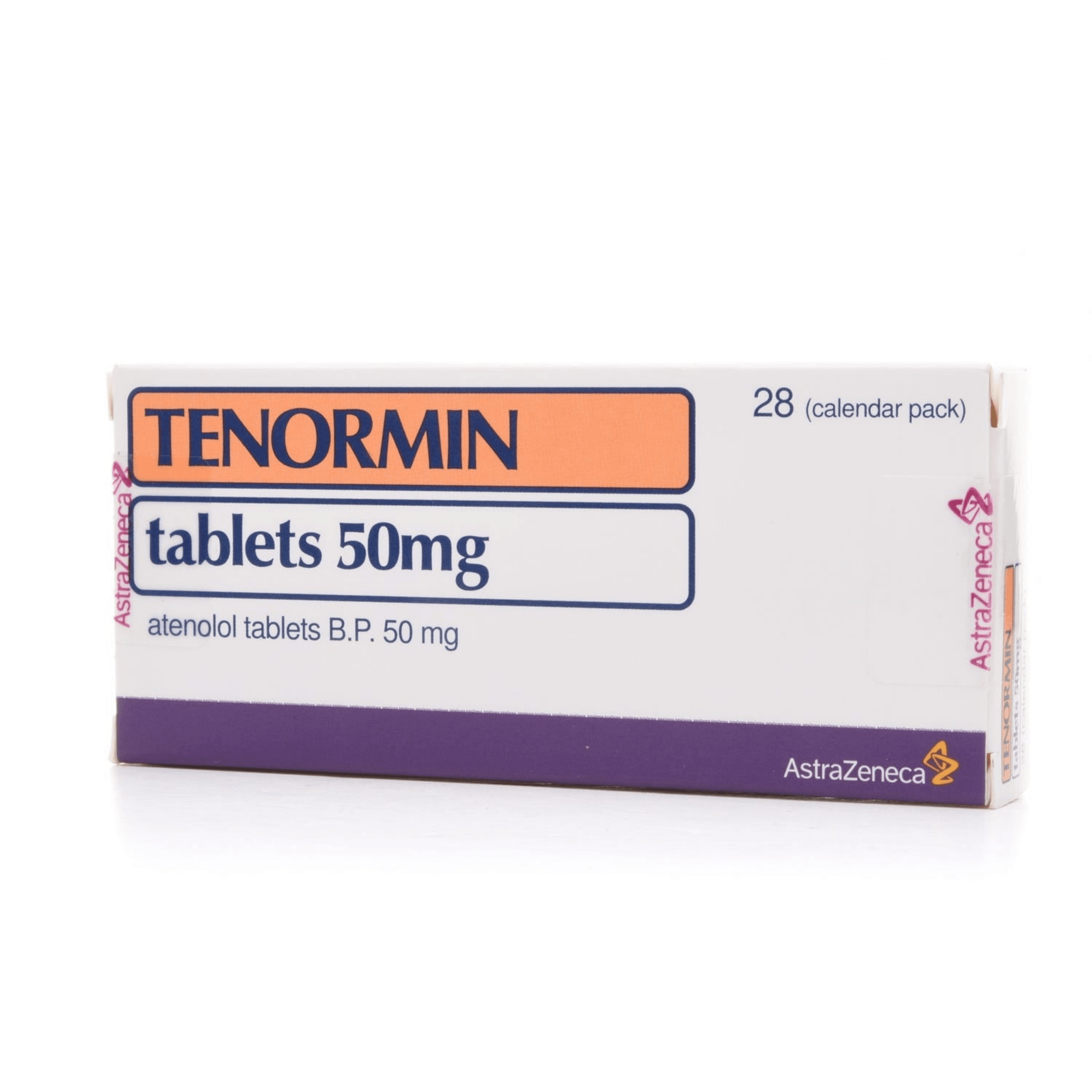
Tenormin
Buy Tenormin Online
Secure Encrypted Payments
Tenormin is a brand-name atenolol tablet used for high blood pressure and chronic angina. It can be bought online, with customers choosing the available strength that matches their clinician’s directions and viewing the current Tenormin price before checkout. BorderFreeHealth offers US delivery from Canada for customers who want a cash-pay route for this cardiovascular medicine.
Tenormin Price, Strength Selection, and Ordering
Tenormin cost can vary by tablet strength, quantity, manufacturer supply, and whether brand or generic atenolol is selected. During ordering, choose the strength shown for Tenormin and match it to the directions already given by your healthcare professional. Commonly referenced strengths for this medicine include Tenormin 25 mg, Tenormin 50 mg, and Tenormin 100 mg tablets, but the dose you use should come from your treatment plan rather than from price alone.
If you pay out of pocket or do not use insurance, the cash price may be an important part of staying consistent with treatment. Many customers also ask about Atenolol Tenormin because atenolol is the active ingredient in the brand. Generic atenolol may be a lower-cost option when it is clinically appropriate and acceptable to the healthcare professional managing your care.
Order details are reviewed for completeness before pharmacy processing. Keep the medicine name, strength, quantity, and directions aligned with your current instructions so there is less chance of delay. If your therapy changes, update the medicine request rather than continuing with an older strength or quantity.
What Tenormin Is Used For
Tenormin contains atenolol, a beta blocker that acts mainly on beta-1 receptors in the heart. It is used in adults for hypertension, chronic angina pectoris, and early management after acute myocardial infarction according to official labeling. Hypertension means high blood pressure; angina means chest pain or pressure caused by reduced oxygen supply to the heart muscle.
For hypertension, atenolol can help lower blood pressure by slowing the heart rate and reducing the force of contraction. Lower blood pressure reduces strain on blood vessels and the heart over time. For stable angina, the medicine lowers the heart’s oxygen demand, which may reduce the frequency of predictable chest discomfort during activity or stress.
Tenormin may also be used in the early treatment period after a heart attack when a clinician decides it is appropriate. That setting often involves close monitoring of heart rhythm, blood pressure, and symptoms. Tenormin is not a fast-acting rescue medicine for sudden chest pain, and urgent or changing chest pain needs immediate medical attention.
Atenolol and the Tenormin Brand
Tenormin is the brand name, while atenolol is the active ingredient. The phrase Atenolol Tenormin usually refers to this brand-and-generic relationship. Brand Tenormin and generic atenolol are both beta-blocker medicines, but the appearance, manufacturer, inactive ingredients, and price can differ.
Some customers prefer the brand because they have used it for years or want consistency in tablet appearance. Others choose generic atenolol because it may reduce ongoing medication expense. If your clinician has specified a particular product, follow that direction and avoid changing between brand and generic without discussing the reason.
Customers browsing cardiovascular medicines can also view the broader cardiovascular category for related therapies. This can be useful when you are trying to understand how beta blockers fit beside diuretics, ACE inhibitors, calcium channel blockers, and other blood-pressure medicines.
How It Works in the Body
Atenolol is described as a cardioselective beta-1 blocker. Cardioselective means it has more effect on beta-1 receptors in the heart than on beta-2 receptors in the lungs at usual doses. By blocking the effect of stress hormones such as adrenaline on the heart, Tenormin slows heart rate, lowers cardiac output, and reduces oxygen demand.
The effect is practical rather than immediately noticeable for many people. Blood pressure readings may improve with steady daily use, while angina control is judged by symptom patterns, exercise tolerance, and the need for rescue medicines if those are part of your care plan. Some people notice fewer palpitations or a calmer pulse, but response varies.
Beta blockers are not the only treatment choice for high blood pressure. Current clinical practice often considers age, other health conditions, heart history, kidney function, diabetes status, and other medicines. Tenormin may be used alone or with other antihypertensive medicines when a clinician decides the combination is appropriate.
Taking Tenormin Safely
Use Tenormin exactly as directed by your clinician. Many adults take atenolol once daily, with or without food, but individualized directions can differ. Swallow tablets with water, and use the same routine each day to reduce missed doses. Do not change the dose, split tablets, or stop therapy abruptly unless a healthcare professional tells you how to do it safely.
Stopping a beta blocker suddenly can worsen angina or increase cardiovascular risk in people with coronary artery disease. If the medicine needs to be stopped, clinicians often taper it gradually while monitoring symptoms. Keep a home log of blood pressure and pulse if you have been asked to monitor them, and bring those readings to appointments.
If you miss a dose, follow the instructions provided with your medicine or ask your healthcare professional. In general medication practice, doubling doses can increase the risk of low heart rate, dizziness, or fainting. A pill organizer, calendar alert, or refill reminder can help maintain a consistent schedule.
Side Effects, Warnings, and Monitoring
Common side effects of atenolol can include tiredness, dizziness, lightheadedness, slow heart rate, cold hands or feet, nausea, stomach upset, sleep changes, or vivid dreams. These effects may be more noticeable when starting treatment or after a dose change. Report symptoms that interfere with daily activity, especially if they occur with a very slow pulse or low blood pressure readings.
More serious risks include marked bradycardia, heart block, very low blood pressure, worsening heart failure in susceptible people, fainting, and bronchospasm. Bronchospasm means tightening of the airways, which can cause wheezing or shortness of breath. People with asthma or severe chronic obstructive pulmonary disease need careful medical assessment before using a beta blocker, even one considered cardioselective.
Tenormin should generally be avoided in people with sinus bradycardia, greater-than-first-degree heart block, cardiogenic shock, or overt heart failure that is not stabilized. People with diabetes should know that beta blockers can mask some warning signs of low blood sugar, such as a racing heartbeat. Sweating, confusion, hunger, or weakness may still occur, so glucose monitoring plans matter.
Seek urgent care for fainting, severe shortness of breath, swelling of the legs, sudden weight gain with breathing trouble, or chest pain that is new, severe, changing, or not relieved as expected. Older adults may be more vulnerable to dizziness and falls, especially when Tenormin is combined with other medicines that lower blood pressure or heart rate.
Interactions and Cautions to Discuss
Tenormin can interact with other medicines that slow the heart or lower blood pressure. Verapamil and diltiazem, which are non-dihydropyridine calcium channel blockers, may increase the risk of bradycardia or heart block when combined with beta blockers. Digoxin, certain antiarrhythmics, clonidine, and some anesthesia plans also need coordinated medical oversight.
Nonsteroidal anti-inflammatory drugs, often called NSAIDs, may reduce the blood-pressure-lowering effect of some antihypertensive medicines. Other blood pressure therapies can have additive effects, which may be useful but can also cause dizziness or low readings. Share all prescription medicines, over-the-counter products, supplements, and herbal products with your healthcare professional.
People who have peripheral vascular disease may notice colder hands or feet. Those with thyroid disease should discuss monitoring, because beta blockers can mask some symptoms of overactive thyroid. If you are pregnant, planning pregnancy, or breastfeeding, ask about current risk-benefit guidance and whether another treatment is preferred.
Storage, Travel, and Refills
Store Tenormin tablets at room temperature in a dry place, away from excess heat and moisture. Keep tablets in the original child-resistant container with the pharmacy label intact. Avoid storing them in a bathroom, near a sink, or in a hot vehicle because moisture and heat can affect medicine quality.
When traveling, carry Tenormin in hand luggage rather than checked baggage. Keep a simple medication list with the medicine name, strength, and schedule. If you cross time zones, ask your clinician or pharmacist how to keep dosing consistent without taking tablets too close together.
Plan refills before the bottle runs low, especially if you take Tenormin for angina or long-term blood pressure control. Prompt, express shipping may be available as part of the order process, but refill timing should leave enough buffer for processing and travel. Consistent use is important because skipped doses can reduce blood pressure control and may worsen symptoms in people with coronary disease.
What to Expect Over Time
Blood pressure response is usually assessed through repeated readings rather than a single number. Your clinician may look at home measurements, office readings, pulse, dizziness, fatigue, and any angina symptoms before deciding whether the current strength is right. If readings remain high, another medicine may be added instead of simply increasing atenolol.
For angina, improvement is often measured by fewer episodes, less predictable chest tightness with activity, and reduced need for other symptom medicines if they are part of your plan. New, changing, or severe chest pain should not be treated as routine angina. It may signal an emergency, even if you already take a beta blocker.
Some people ask why atenolol is no longer used as often as it once was for uncomplicated high blood pressure. It is still used, but many guidelines now favor other first-line classes for some patients because outcome data and individual risk profiles differ. Tenormin may remain a reasonable choice when there is a specific heart-related reason, prior response, or combination strategy chosen by a clinician.
Related Cardiovascular Choices
Generic atenolol contains the same active ingredient as Tenormin and may be considered when brand use is not required. Other beta blockers differ in receptor selectivity, duration, metabolism, and approved uses. A long-acting nonselective beta blocker may suit some treatment plans, while other patients need a medicine from a different class.
Condition-specific browsing can help you organize questions for your next appointment. The cardiovascular articles section covers broader heart and blood-pressure topics, while the Canada-sourced medicines section can help customers identify products by origin when that information is relevant to ordering. Some products may also be supplied from other listed origins, including India-sourced medicines.
Ask your clinician whether Tenormin is being used mainly for blood pressure, angina prevention, heart-rate control, or post-heart-attack management. That answer helps determine whether a brand refill, generic atenolol, or another cardiovascular medicine is the most suitable path.
Questions to Ask Your Clinician
- What blood pressure and resting pulse range should I track?
- Is Tenormin being used for hypertension, angina, or another heart-related reason?
- Should I stay on brand Tenormin or consider generic atenolol?
- What symptoms mean my heart rate may be too low?
- How should I monitor blood sugar if I have diabetes?
- Which medicines or supplements could interact with this beta blocker?
- What should I do if chest pain changes or becomes more severe?
Authoritative Sources
Official Tenormin prescribing information
Manufacturer Tenormin tablets information
This content is for informational purposes only and is not a substitute for professional medical advice.
Blood Pressure Average Calculator
Average home blood pressure readings and show a simple screening range.
Average BP
-
entered readings only
Range
-
screening category
These calculations are for education only and do not replace clinical advice, diagnosis, or treatment. Always confirm medical decisions with a qualified healthcare professional.
Mean Arterial Pressure Calculator
Calculate estimated mean arterial pressure from systolic and diastolic blood pressure.
MAP
-
DBP + one-third pulse pressure
These calculations are for education only and do not replace clinical advice, diagnosis, or treatment. Always confirm medical decisions with a qualified healthcare professional.
Pulse Pressure Calculator
Calculate pulse pressure from systolic and diastolic blood pressure.
Pulse pressure
-
SBP - DBP
These calculations are for education only and do not replace clinical advice, diagnosis, or treatment. Always confirm medical decisions with a qualified healthcare professional.
Target Heart Rate Calculator
Estimate exercise heart-rate zones using age, resting heart rate, and the Karvonen method.
Max HR estimate
-
220 - age
Target zone
-
Karvonen method
These calculations are for education only and do not replace clinical advice, diagnosis, or treatment. Always confirm medical decisions with a qualified healthcare professional.
QTc Calculator
Calculate corrected QT interval from measured QT and heart rate.
QTc
-
milliseconds
RR interval
-
seconds
These calculations are for education only and do not replace clinical advice, diagnosis, or treatment. Always confirm medical decisions with a qualified healthcare professional.
Express Shipping - from $29.99
Shipping with this method takes 3-5 days
Prices:
- Dry-Packed Products $29.99
- Cold-Packed Products $39.99
Shipping Countries:
- United States (all contiguous states**)
- Worldwide (excludes some countries***)
Standard Shipping - $19.99
Shipping with this method takes 5-10 days
Prices:
- Dry-Packed Products $19.99
- Not available for Cold-Packed products
Shipping Countries:
- United States (all contiguous states**)
- Worldwide (excludes some countries***)
What is Tenormin used for?
Tenormin is used for high blood pressure, chronic angina, and early management after acute myocardial infarction when a clinician determines it is appropriate. It lowers heart rate and reduces the heart’s workload.
Is Tenormin the same as atenolol?
Tenormin is the brand name, and atenolol is the active ingredient. Generic atenolol may be available at a different cost, but any switch between brand and generic should fit your clinician’s directions.
What are the worst side effects of atenolol?
Serious risks can include very slow heart rate, heart block, low blood pressure, worsening heart failure, fainting, and bronchospasm in sensitive people. Seek urgent care for severe shortness of breath, fainting, swelling with breathing trouble, or changing chest pain.
Why is atenolol not always a first-choice blood pressure medicine?
Atenolol is still used, but some treatment guidelines favor other first-line medicines for uncomplicated hypertension in certain patients. It may be chosen when heart history, angina, heart-rate goals, prior response, or combination therapy make it appropriate.
Can Tenormin be stopped suddenly?
Tenormin should not usually be stopped suddenly, especially in people with coronary artery disease or angina. Abrupt stopping can worsen chest pain or raise cardiovascular risk, so clinicians often taper beta blockers when discontinuation is needed.
Rewards Program
Earn points on birthdays, product orders, reviews, friend referrals, and more! Enjoy your medication at unparalleled discounts while reaping rewards for every step you take with us.
You can read more about rewards here.
POINT VALUE
How to earn points
- 1Create an account and start earning.
- 2Earn points every time you shop or perform certain actions.
- 3Redeem points for exclusive discounts.
You Might Also Like
Select options
This product has multiple variants. The options may be chosen on the product page
Select options
This product has multiple variants. The options may be chosen on the product page
Select options
This product has multiple variants. The options may be chosen on the product page
Select options
This product has multiple variants. The options may be chosen on the product page