
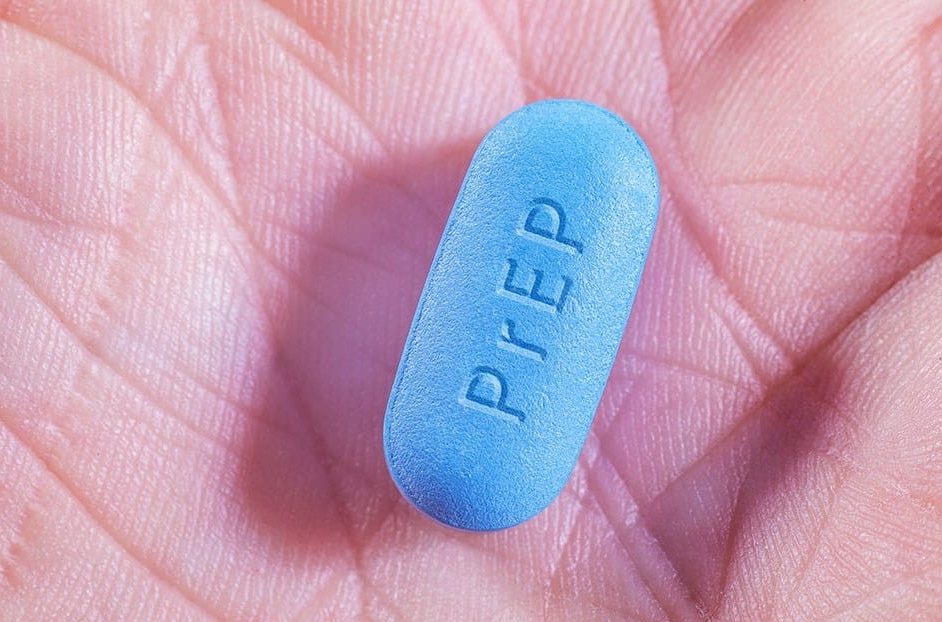
PrEP medication is prescription medicine taken before possible HIV exposure to lower the chance of getting HIV. The name stands for pre-exposure prophylaxis. It can be taken as daily oral tablets or, for some people, as a long-acting injection given in a clinic. This matters because PrEP gives people more control over prevention, especially when condom use, partner status, or life circumstances are not always predictable.
Key Takeaways
- PrEP prevents HIV before exposure; it is not HIV treatment.
- Options include daily pills and long-acting injectable medicine.
- PrEP does not prevent other STIs, pregnancy, or hepatitis C.
- Testing and follow-up visits help confirm safe, ongoing use.
- Side effects are often mild, but monitoring still matters.
How PrEP Works in the Body
PrEP works by placing HIV-blocking medicine in the blood and tissues before exposure happens. If HIV enters the body, the medicine can stop the virus from copying itself and establishing infection. Clinicians call these medicines antiretrovirals, which means drugs that act against retroviruses such as HIV.
Oral PrEP usually contains two medicines: emtricitabine plus a form of tenofovir. These are nucleoside reverse transcriptase inhibitors, often shortened to NRTIs. They interfere with an early step HIV needs to make copies. Injectable PrEP uses a different drug class called an integrase inhibitor, which blocks another step in the HIV life cycle.
PrEP is for people who do not have HIV. That is why HIV testing is part of starting and continuing it. If someone already has HIV, they need a full HIV treatment plan instead. Taking partial treatment without knowing HIV status can create avoidable safety and resistance concerns.
Why it matters: PrEP works best when the medicine, testing plan, and follow-up schedule fit your real life.
Types of PrEP and Common Drug Names
The main types of PrEP are oral tablets and long-acting injections. When people ask for a prep drug name, clinicians may mention generic or brand names. The exact option depends on health history, exposure pattern, local approval, insurance or cash-pay access, and shared decision-making with a clinician.
Common oral options include tenofovir disoproxil fumarate/emtricitabine, often shortened to TDF/FTC. Truvada is a brand name for this combination, and generics are also used in many settings. You can read more background on this medicine class in our Tenvir EM Guide.
Another oral option is tenofovir alafenamide/emtricitabine, often shortened to TAF/FTC. Descovy is the brand name. It has specific prevention indications and is not approved for every type of sexual exposure, including receptive vaginal sex. If you are comparing TDF and TAF terminology, our Tenvir EM Comparison explains how prevention and treatment contexts can differ.
The injectable option is long-acting cabotegravir, known by the brand name Apretude. It is given as an intramuscular injection at clinic visits on a schedule set by the prescribing clinician. Some people prefer this because daily pill routines are difficult, private storage is hard, or regular clinic-based prevention feels simpler. For product-format context only, see Apretude or Apretude Injectable Suspension.
PrEP, PEP, and HIV Treatment Are Different
PrEP is taken before possible HIV exposure. PEP, or post-exposure prophylaxis, is started after a possible exposure and is time-sensitive. HIV treatment is for people diagnosed with HIV and usually uses a full combination regimen. If you want a clearer contrast with post-exposure care, read our discussion of Biktarvy and PEP.
Who Should Consider PrEP?
PrEP may be considered by adults and adolescents who do not have HIV and have ongoing or repeated chances of exposure. This can include people of any gender or sexual orientation. It is not only for gay or bisexual men. Straight people, women, transgender people, people with HIV-positive partners, and people who inject drugs may also benefit in the right circumstances.
A clinician may discuss PrEP if you have a partner with HIV, especially if their viral load status is unknown or not consistently undetectable. It may also come up if condoms are not used consistently, if you have had recent sexually transmitted infections, or if you have partners whose HIV status is unknown. People who share injection equipment may also need prevention counseling, sterile equipment access, and HIV testing support.
PrEP is not usually framed as a lifetime decision. Some people use it during a season of higher risk, then stop with medical guidance when circumstances change. Others use it longer because it fits their prevention goals. The important step is to plan starts, stops, and restarts with testing and clinician input.
Understanding how exposure happens can make prevention choices less confusing. Our plain-language page on How HIV Is Transmitted reviews common routes and practical prevention layers. If you are also wondering why vaccines are not the main prevention tool today, see HIV Vaccine Prevention.
Starting PrEP: Tests, Visits, and Timing Questions
Starting PrEP usually begins with confirming that you do not have HIV. Your clinician may use a lab-based HIV test, ask about recent symptoms, and discuss any possible recent exposures. They may also screen for sexually transmitted infections, check kidney function for oral PrEP, review hepatitis B status, and discuss pregnancy or breastfeeding when relevant.
Many readers ask when PrEP should be taken and whether it works after one, three, four, or six days. The safest answer is that protection depends on the medication, body tissue, exposure type, and whether doses are taken as directed. Public health guidance gives different timing considerations for different exposures, so your prescriber should explain what applies to your situation. Avoid relying on a one-size-fits-all timeline from social media.
Daily oral PrEP is often explained as a steady-routine medicine. Taking it at the same time each day can help with consistency, but your clinician should provide the exact instructions for your prescription. Event-driven dosing may be discussed for some adults assigned male at birth, but it is not appropriate or approved for everyone. Ask directly if that approach is being considered, and ask what testing schedule it requires.
For injectable PrEP, timing centers on clinic appointments. Missed or delayed injections can matter, so your care team may create a plan for reminders, catch-up visits, or temporary oral medication when appropriate. Do not guess or change the schedule without clinical guidance.
Quick tip: Before your first visit, write down recent exposures, current medicines, allergies, and pregnancy plans if relevant.
Side Effects, Safety Checks, and Warning Signs
PrEP side effects are usually manageable, but they deserve a clear discussion before starting. With oral PrEP, some people notice nausea, stomach upset, headache, or fatigue early on. These symptoms may improve after the body adjusts. With injectable PrEP, soreness, redness, swelling, or firmness at the injection site can happen.
Less common safety concerns vary by medicine. TDF-based oral PrEP can affect kidney function in some people and may be associated with small changes in bone mineral density. TAF-based PrEP has different kidney, bone, and metabolic considerations, but it is not approved for all exposure types. Long-acting injectable PrEP has its own labeling and follow-up requirements, including careful HIV testing before injections.
Questions about side effects of PrEP in females often focus on nausea, kidneys, bones, pregnancy, and breastfeeding. TDF/FTC has more pregnancy and breastfeeding experience than some newer prevention options, but individual planning still matters. If pregnancy is possible, discuss contraception goals, pregnancy testing, and follow-up before choosing a medication.
Some people search for PrEP side effects related to skin or body fat. Skin symptoms can have many causes, including unrelated rashes, allergies, infections, or other medicines. Body composition concerns should be discussed with a clinician, especially if weight, lipids, or metabolic labs change over time. Seek urgent medical help for severe allergic symptoms, trouble breathing, swelling of the face or throat, severe rash with fever, or symptoms that feel dangerous.
Medication Interactions and Health Conditions
Tell your clinician about prescription medicines, over-the-counter drugs, supplements, and recreational substances. This helps them check kidney-related risks, drug interactions, and overlapping side effects. Kidney disease, bone conditions, hepatitis B, pregnancy, and recent possible HIV exposure all need careful review before PrEP starts.
Access, Cost, and Practical Barriers
PrEP access depends on your location, clinic options, insurance, pharmacy network, and the medication selected. Many regions have public health programs, community clinics, manufacturer assistance programs, or local navigation services that help with visits, labs, and medication access. If you are searching how to get PrEP for free, a local sexual health clinic or health department is often the best place to ask about current programs.
How much PrEP costs can vary widely. Generic TDF/FTC may cost less than some branded options, but lab work and visits can still create expenses. Injectable PrEP may involve clinic administration costs in addition to medication coverage. Ask for a full estimate that includes testing, follow-up visits, and refill requirements, not just the medicine name.
BorderFreeHealth connects U.S. patients with licensed Canadian partner pharmacies for eligible prescriptions, and prescription details may be verified with the prescriber when required before pharmacy dispensing. For readers comparing cash-pay prescription options without insurance, eligibility and local rules still apply. This article remains educational and does not replace care from a licensed clinician.
For broader prevention reading, browse our Sexual Health collection. You can also explore related HIV and infection topics through the Infectious Disease archive.
Missed Doses, Stopping, and Restarting
Missed doses or missed injection appointments should be handled with clinician guidance. Protection can decrease when medicine levels are not maintained. The right next step depends on the product, the number of missed doses, recent exposures, and whether HIV testing is needed before restarting.
Do not assume PrEP remains protective for a set number of days after stopping. People often ask whether it lasts after 72 hours, one week, or longer. Those timelines are not the same for every medication or exposure type. If you plan to stop because a relationship changed, travel is coming, side effects are bothering you, or costs are difficult, ask for a stopping plan first.
Restarting also needs care. A clinician may repeat HIV testing, review recent exposures, and update kidney or STI screening. If you had a possible recent exposure, PEP may be discussed instead of simply restarting PrEP. That distinction is important because PrEP and PEP are used at different points in time.
Questions to Bring to a PrEP Visit
A good PrEP visit should feel practical, not judgmental. You do not need to present a perfect prevention history. Clear information helps the clinician match the option, testing schedule, and follow-up plan to your body and circumstances.
- Exposure pattern: Which activities or situations create HIV concern?
- Medicine choice: Which PrEP options fit the exposure type?
- Testing plan: Which labs are needed before and during use?
- Side effects: Which symptoms should be watched closely?
- Pregnancy goals: How should prevention fit fertility plans?
- Missed doses: What should happen after a lapse?
- Access barriers: Who can help with cost or appointments?
If stigma, privacy, transportation, or partner safety affects your choices, say so if you can. These factors are health issues, not personal failures. A prevention plan that ignores your daily life is harder to maintain.
Authoritative Sources
For public health guidance on PrEP basics, visit the CDC page on preventing HIV with PrEP.
For a federal plain-language overview, see HIV.gov guidance on pre-exposure prophylaxis.
For patient-friendly information comparing PrEP and PEP, review MedlinePlus information on HIV prevention medicines.
Recap
What is PrEP medication in everyday terms? It is a prevention option for people without HIV who want protection before possible exposure. Pills and injections work differently, but both require testing, follow-up, and a plan that fits your life.
The best next step is a respectful conversation with a qualified clinician or sexual health clinic. Ask about eligibility, side effects, timing, costs, and what to do if your risk changes. Prevention works better when it is realistic, private, and supported.
This content is for informational purposes only and is not a substitute for professional medical advice.


