

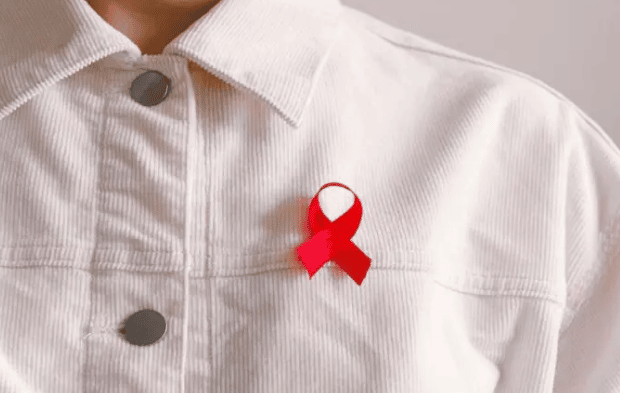
Living with hiv positive person is safe in everyday home life when you understand how HIV is, and is not, transmitted. HIV does not spread through hugging, sharing meals, using the same bathroom, coughing, sweat, tears, or casual contact. The real priorities are treatment support, safer sex planning, respectful communication, and basic first aid when blood is present.
That clear answer matters because fear often comes from outdated myths. People living with HIV can have relationships, families, careers, and ordinary home routines. With modern antiretroviral therapy (ART), many people reach an undetectable viral load, which means HIV is not passed through sex when viral suppression is sustained. Home safety then becomes less about avoidance and more about dignity, privacy, and shared planning.
Key Takeaways
- Everyday contact is safe: HIV does not spread through sharing dishes, toilets, towels, hugs, or household air.
- Treatment changes risk: consistent ART can lower viral load and support long-term health.
- U=U matters: a sustained undetectable viral load means no sexual transmission of HIV.
- Prevention can be layered: condoms, PrEP, testing, and PEP may fit different relationship needs.
- Respect is protective: privacy, consent, and supportive language reduce stigma at home.
What Household Contact Does and Does Not Mean
Household contact does not transmit HIV unless there is a direct route for certain body fluids to enter another person’s bloodstream or mucous membranes. HIV can be transmitted through blood, semen, vaginal fluids, rectal fluids, and breast milk. It is not transmitted by saliva, sweat, tears, urine, feces, insects, shared furniture, or ordinary skin contact.
This means you can safely live with someone who has HIV. You can eat together, use the same shower, share laundry machines, sit on the same couch, and hug without risk. These facts apply to partners, parents, children, siblings, roommates, and friends.
If you want a deeper explanation of transmission routes, our overview of How HIV Spreads breaks down the body fluids and exposure types involved. A related explainer on How HIV Is Transmitted can help families separate real risks from common fears.
Why it matters: Accurate information protects both physical health and emotional safety.
Precautions When Living With HIV Positive Person
The main precautions when living with HIV positive person are simple, practical, and focused on blood exposure. Use routine hygiene, keep first-aid supplies available, and avoid sharing items that may have blood on them, such as razors or toothbrushes. These steps are common household safety habits, not signs that anyone is dangerous.
For minor cuts, the person who is bleeding can cover the wound if they are able. If someone else helps, disposable gloves are useful. Clean visible blood with standard household disinfectant or a fresh bleach solution, then place used gloves, gauze, or paper towels in a sealed bag before disposal.
Most shared items do not need special handling. Dishes, cups, bedding, towels, and clothing can be washed normally. If fabric has visible blood, handle it with gloves if possible and wash it with regular detergent. Standard cleaning is enough for ordinary home surfaces.
Simple Home Safety Plan
- First-aid kit: keep gloves, gauze, bandages, and disinfectant in one known place.
- Personal items: do not share razors, toothbrushes, or injection equipment.
- Blood spills: clean promptly and avoid direct contact with open skin.
- Medication privacy: store medicines where the person prefers, with access protected.
- Clinic contacts: keep trusted medical numbers available for urgent questions.
These precautions support everyone in the home. They should never be used to isolate, shame, or control the person living with HIV.
Sex, Viral Load, and Prevention in Relationships
You can have a loving relationship with someone who has HIV, including a sexual relationship, when both partners understand prevention options. The right plan depends on viral load, treatment adherence, comfort, other sexually transmitted infection risks, pregnancy goals, and each person’s consent.
Viral load is the amount of HIV in the blood. ART helps suppress the virus. When a person has a sustained undetectable viral load, HIV is not transmitted through sex. This principle is often called undetectable equals untransmittable, or U=U. For more detail, read our resource on HIV and Undetectable Status.
Safe sex with hiv positive partner may include one strategy or several. Some couples rely on U=U when viral suppression is confirmed and maintained. Others also use condoms, especially during new relationships, treatment interruptions, uncertainty about viral load, or concern about other infections. An HIV-negative partner may also discuss PrEP, or pre-exposure prophylaxis, with a clinician.
PrEP is medication taken by an HIV-negative person to reduce the chance of acquiring HIV. It may be considered when one partner has HIV, when viral load is unknown, or when partners want another layer of protection. Some people may want to learn about medication options such as Apretude or Descovy as part of a broader clinician-led discussion. Product pages can provide medication context, but individual suitability requires professional guidance.
PEP, or post-exposure prophylaxis, is different. It is used after a possible recent HIV exposure and must be assessed urgently by a healthcare professional. If a condom breaks, a sexual exposure happens when viral load is unknown, or blood exposure occurs through broken skin, contact a clinician, urgent care service, or local public health line promptly.
What Partners Can Discuss Together
- Viral load updates: how and when results are shared.
- Testing comfort: how often the HIV-negative partner wants screening.
- Condom decisions: when they feel useful or preferred.
- PrEP questions: whether extra prevention fits the relationship.
- Exposure plan: who to call if something unexpected happens.
These conversations work best when they are calm and mutual. Neither partner should carry all responsibility for prevention, reassurance, or emotional labor.
Sharing Food, Bathrooms, Kissing, and Daily Routines
Living with hiv positive person does not require separate plates, toilets, towels, or bedrooms. HIV is fragile outside the body and does not survive or spread through routine household contact. Normal cleaning, normal laundry, and normal meal preparation are appropriate.
Sharing utensils with a person who has HIV is safe. Saliva does not transmit HIV in ordinary settings. If you are worried about saliva, our plain-language page on HIV and Saliva explains why casual contact is not a risk. Kissing is also not a typical HIV transmission route; our related page on HIV and Kissing covers the rare situations people often ask about.
Bathrooms do not need special rules. You can share toilets, showers, sinks, and soap. HIV is not transmitted through toilet seats, bathwater, towels, or touching surfaces after another person. These points are especially important for children and older relatives who may have heard inaccurate messages years ago.
Quick tip: Correct myths gently, then return to normal routines.
Supporting Treatment Without Taking Over
Support works best when it respects autonomy. A person living with HIV may appreciate reminders, help with appointments, or a quiet place to store medication. They may also prefer to manage care privately. Ask what feels helpful before creating systems around their health.
Treatment adherence means taking HIV medication as prescribed. It supports viral suppression and long-term wellbeing. Partners or family members can help by reducing stress, respecting routines, and avoiding blame if a dose is missed. Medication decisions, missed-dose questions, and side effects should be discussed with a healthcare professional, not handled through pressure at home.
Practical support can be small. You might coordinate calendars, offer rides, help prepare questions for appointments, or keep household schedules predictable. If the person does not want help, that boundary deserves respect.
Some readers also want broader health information beyond HIV. The Infectious Disease collection offers related educational topics, while the Sexual Health collection covers prevention, communication, and relationship health.
Privacy, Disclosure, and Stigma at Home
HIV status is personal health information. Living with hiv positive person does not give others the right to share that information with relatives, friends, landlords, employers, or roommates. Disclosure should be guided by consent, safety, and local legal requirements.
Start by asking who already knows and who, if anyone, needs to know. Some households need a shared plan because medication storage, clinic visits, or emergency contacts are visible. Others can protect privacy without telling anyone else. The person living with HIV should lead those choices whenever possible.
Stigma often shows up as jokes, avoidance, moral judgment, or intrusive questions. These reactions can harm mental health and trust. A better approach is to use accurate language, challenge myths, and treat HIV like a manageable medical condition rather than a character issue.
How to Talk With Family or Roommates
Use short, factual statements. For example: “HIV does not spread through living together, sharing food, or using the same bathroom.” If someone asks for details that are not theirs to know, you can say, “That is private medical information, but household contact is safe.”
If children are part of the household, keep explanations age-appropriate. Young children may only need to know that everyone deserves privacy and kindness. Older teens may benefit from more detail about sexual health, consent, and reliable sources.
Pregnancy, Testing, and Unexpected Exposures
Couples can plan pregnancy when one partner has HIV, but they should do it with medical guidance. Viral suppression, prenatal care, medication review, and infant-feeding decisions all matter. Many people living with HIV have healthy pregnancies and families, but planning should be individualized.
If the partner without HIV wants reassurance, regular testing can be part of shared care. Testing frequency depends on sexual practices, PrEP use, viral load information, and other risk factors. A clinician or sexual health clinic can help set a schedule without making the relationship feel medicalized.
Unexpected exposures need a clear plan. Seek urgent medical advice if there is possible exposure through condom failure, needle sharing, sexual assault, or blood contact with broken skin or mucous membranes. PEP is time-sensitive, so it is better to ask quickly than to wait and worry.
For many couples, the most helpful plan is written down. Include clinic phone numbers, preferred urgent care locations, medication lists, and emergency contacts. Store it privately but accessibly.
Emotional Wellbeing and Legal Rights
Living with HIV can affect mental health, relationships, and a person’s sense of safety. Support should include more than medication reminders. It should include listening, patience, shared problem-solving, and protection from discrimination.
Partners and family members may also need support. Fear, guilt, confusion, and grief can surface even when the medical facts are reassuring. Counseling, peer groups, and trusted community organizations can help people process those feelings without placing them on the person living with HIV.
Legal protections vary by location, but people living with HIV may have rights related to healthcare, housing, employment, education, privacy, and discrimination. If you face a serious privacy violation, housing threat, workplace issue, or coercive relationship dynamic, consider contacting a qualified legal aid service or HIV advocacy organization in your area.
Respectful homes reduce stigma. That means no forced disclosure, no separate dishes, no fear-based rules, and no treating someone as a risk simply because of their diagnosis.
Authoritative Sources
For official information on living with HIV and staying engaged in care, see the CDC living with HIV resource. For practical support language and care encouragement, review HIV.gov guidance on supporting someone with HIV. For plain-language medical background, MedlinePlus provides a broad living with HIV health topic page.
Recap
Living with hiv positive person is safe when you rely on current facts instead of fear. HIV does not spread through ordinary household contact, shared meals, bathrooms, hugs, or daily routines. Focus on treatment support, first-aid basics, safer sex planning, privacy, and stigma-free communication. If an exposure concern comes up, seek medical advice promptly rather than guessing.
A calm home plan can protect health and dignity at the same time. The goal is not to build distance. The goal is to live together with accurate information, mutual respect, and practical support.
This content is for informational purposes only and is not a substitute for professional medical advice.


