
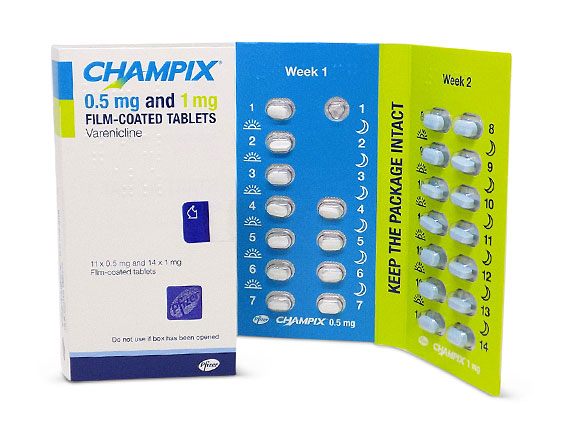
Champix side effects are usually manageable, but some symptoms need prompt medical attention. Nausea, vivid dreams, headache, and insomnia are among the most common reactions. Mood changes, severe allergic symptoms, chest pain, fainting, or suicidal thoughts are warning signs that should not be ignored.
Champix is a brand name for varenicline, a prescription medicine used to support smoking cessation. It can reduce cravings and make smoking feel less rewarding. That benefit matters, but so does knowing what to expect before symptoms appear.
Key Takeaways
- Common effects: Nausea, sleep disruption, headache, and vivid dreams often appear early.
- Serious warnings: New depression, aggression, suicidal thoughts, chest symptoms, or swelling need urgent advice.
- Timing matters: Side effects often start during dose increases and may settle with routine.
- Alcohol caution: Drinking may worsen dizziness, unusual behaviour, or sleep problems.
- Safer use: Food, water, symptom tracking, and follow-up can improve tolerability.
What Champix Is and Why Side Effects Happen
Champix contains varenicline, a medicine that acts on nicotine receptors in the brain. It is called a partial agonist, which means it partly stimulates those receptors while also blocking nicotine’s stronger effect. In plain language, it can soften withdrawal and reduce the reward from cigarettes.
That brain-receptor activity also explains why varenicline side effects can involve sleep, mood, concentration, and nausea. The same medicine that helps reduce cravings may also affect appetite, dreams, and how alert you feel. Most effects are not dangerous, but they can still disrupt daily life.
People may also know this medicine by another brand name. If you are comparing labels or pharmacy records, our Champix vs. Chantix resource explains the naming differences in more detail.
Why it matters: Knowing the generic name helps prevent confusion when reading labels, warnings, or pharmacy instructions.
Common Champix Side Effects to Expect Early
The most common Champix side effects usually affect the stomach, sleep, or nervous system. Nausea is often the symptom people notice first. Some people also report constipation, gas, dry mouth, headache, dizziness, fatigue, or changes in appetite.
Sleep effects can feel surprising. Vivid dreams, unusual dreams, nightmares, and insomnia can occur during treatment. These symptoms may be more noticeable after evening doses or during the first weeks, when your body is still adjusting.
Common does not mean harmless for everyone. A mild headache that fades is different from severe dizziness that affects driving, work, or balance. Track severity, timing, and whether symptoms interfere with your normal routine.
Common effects by body system
| Area affected | Possible symptoms | What to watch |
|---|---|---|
| Stomach and digestion | Nausea, gas, constipation, indigestion | Symptoms after dosing or on an empty stomach |
| Sleep | Insomnia, vivid dreams, nightmares | Disrupted rest or distressing dreams |
| Nervous system | Headache, dizziness, tiredness | Problems driving, working, or concentrating |
| Mood and behaviour | Irritability, anxiety, low mood | New, worsening, or unusual changes |
Warning Signs That Need Medical Advice
The most serious varenicline warnings involve mood, behaviour, allergic reactions, and possible cardiovascular symptoms. Seek urgent care if you have suicidal thoughts, severe agitation, aggressive behaviour, chest pain, fainting, or swelling of the face, lips, tongue, or throat.
Contact a clinician promptly if you or people close to you notice new depression, hostility, confusion, panic, or major personality changes. These symptoms can happen in people with or without a previous mental health condition. Quitting nicotine can also affect mood, so a clinician may need to sort out the cause.
Allergic reactions are less common but important. Rash, hives, blistering skin, or swelling should be treated as warning signs. Breathing trouble, throat tightness, or facial swelling require emergency attention.
Heart-related symptoms also deserve caution. Palpitations, chest pressure, shortness of breath, or fainting should be assessed promptly, especially in people with known heart disease or recent cardiovascular events.
Do Champix Side Effects Go Away?
Many Champix side effects improve after the first one to two weeks, especially once the starting period passes. Nausea, dizziness, and sleep disruption may ease as your body adapts. Still, symptoms that persist, worsen, or feel unsafe should be discussed with a healthcare professional.
The early phase often includes gradual dose changes. Side effects may appear or intensify when the dose increases. This does not mean you must tolerate severe symptoms. It means timing can help your prescriber decide what to review.
Side effects after stopping Champix usually settle as the medicine clears from the body. Some people notice temporary irritability, cravings, or sleep changes after stopping. Those symptoms can overlap with nicotine withdrawal, so it helps to keep notes rather than guessing.
If you keep smoking while taking varenicline, the medicine may reduce how satisfying cigarettes feel. However, smoking while trying to quit can complicate symptoms and cravings. Follow the quit plan your clinician provided, and ask for help if the plan no longer feels workable.
Using Varenicline More Safely
Safer use starts with a clear medication review. Tell your prescriber about kidney disease, mental health history, seizures, heart disease, pregnancy plans, alcohol use, and all prescription or non-prescription products you take.
Kidney function matters because varenicline leaves the body largely through the kidneys. People with reduced kidney function may need closer review. Do not adjust your dose on your own, and do not restart old tablets without checking whether they remain appropriate.
Alcohol deserves extra caution. Some people report stronger intoxication, unusual behaviour, blackouts, or mood changes while taking varenicline. A conservative approach is to limit alcohol at the start and monitor how you respond.
Taking tablets with food and a full glass of water may reduce nausea. A consistent routine also helps you identify patterns. If vivid dreams or insomnia become disruptive, ask whether timing changes are appropriate for your situation.
- Track timing: Note dose times, meals, sleep, and symptoms.
- Use food: A small meal may reduce queasiness.
- Hydrate steadily: Water can help with dry mouth and nausea.
- Limit alcohol: Watch for stronger or unusual reactions.
- Ask early: Report mood, chest, or allergy symptoms promptly.
Quick tip: Bring a two-week symptom log to follow-up visits.
Interactions, Health History, and Alternatives
Champix drug interactions are not limited to medicine-to-medicine effects. Alcohol, nicotine withdrawal, sleep loss, and other quit-smoking treatments can all influence how you feel. Bupropion, nicotine replacement therapy, and other mental health medicines should be reviewed by your clinician before combining treatments.
Some people need an alternative approach. Nicotine patches, gum, lozenges, inhalers, bupropion, counselling, digital supports, or combination plans may be considered depending on your history. A good plan balances craving control, safety, preference, and follow-up support.
For broader smoking-related reading, the Addictions collection covers related topics. If your clinician discusses bupropion as an option, Wellbutrin XL Side Effects explains common tolerability issues for that medicine.
Some readers also compare prescription cessation aids with nicotine replacement products. The Nicorette Inhaler Mouth Piece Refill page may help with product context, while Varenicline Tablets provides medication-specific navigation for discussions with a prescriber.
BorderFreeHealth connects U.S. patients with licensed Canadian partner pharmacies, and prescription details may be verified with the prescriber when required before dispensing. This access context is separate from clinical decision-making, which should remain with your healthcare professional.
Practical Questions to Ask Before and During Treatment
Clear questions can make follow-up safer and less stressful. Before starting, ask what side effects are expected, which warning signs require urgent care, and how your kidney function or health history affects monitoring.
During treatment, focus on patterns. Did nausea start after a dose increase? Are dreams disturbing enough to affect mood? Did alcohol trigger unusual behaviour? These details help your clinician decide whether the plan needs review.
People who have a history of depression, anxiety, bipolar disorder, psychosis, seizures, or cardiovascular disease should ask about monitoring before starting. This does not automatically rule out varenicline. It means the risk-benefit conversation should be individualized.
If you are reading about broader medication tolerability, Side Effects offers a general framework for separating expected reactions from red flags.
Authoritative Sources
The NHS side effects page for varenicline lists common effects and urgent warning symptoms in patient-friendly language.
The Medsafe consumer medicine information for Champix provides label-based details on precautions, side effects, and when to seek help.
The CDC quit-smoking guidance offers practical support strategies that can be combined with clinician-directed treatment.
Putting the Risks in Context
Champix side effects can be frustrating, but planning helps. Most people watch for stomach upset, sleep changes, headache, and vivid dreams. The symptoms that matter most are new mood changes, suicidal thoughts, allergic reactions, fainting, or chest symptoms.
Use this information to prepare for a safer conversation, not to self-manage serious symptoms. If something feels severe, unusual, or rapidly worsening, seek professional advice promptly.
This content is for informational purposes only and is not a substitute for professional medical advice.


