
Please note: a valid prescription is required for all prescription medication.
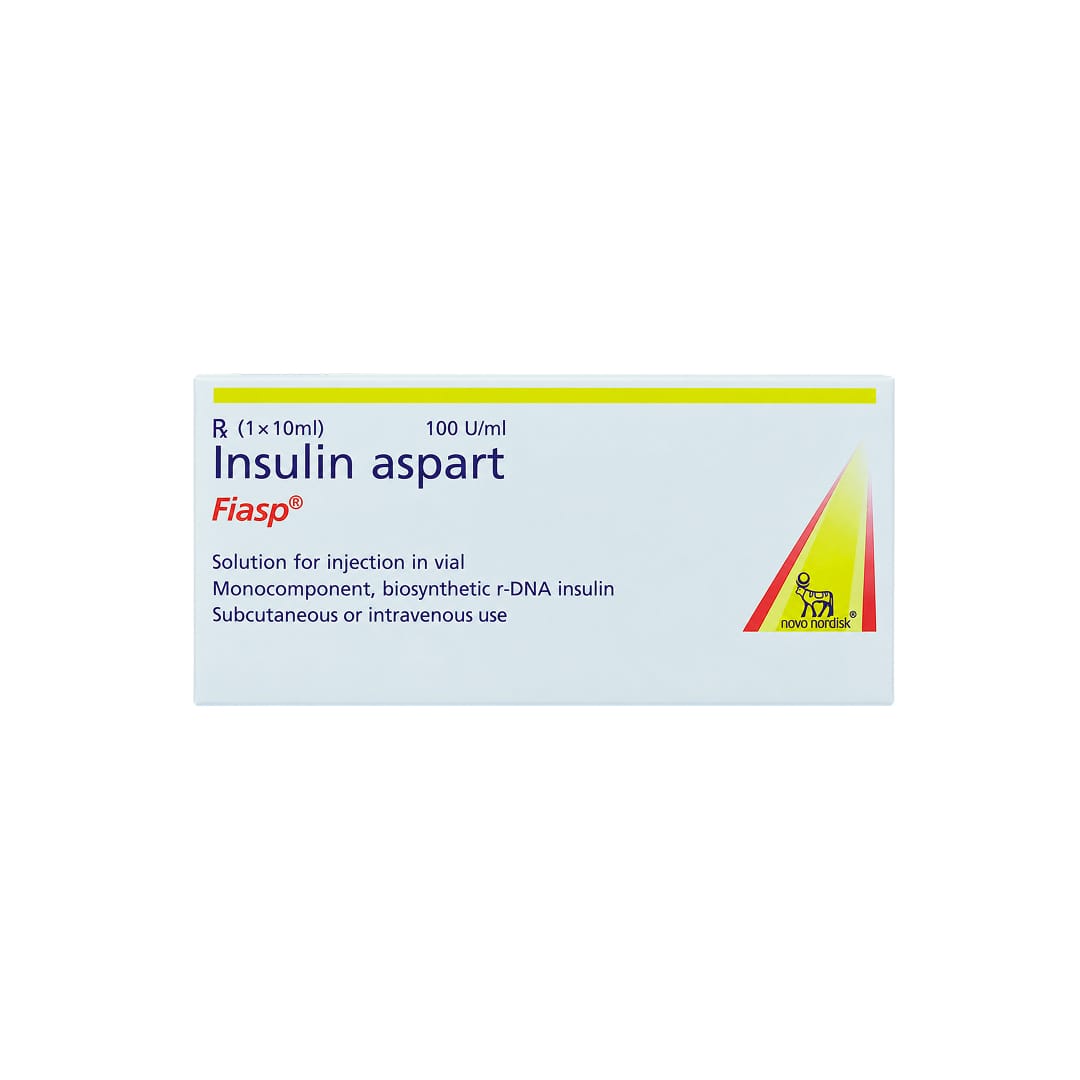
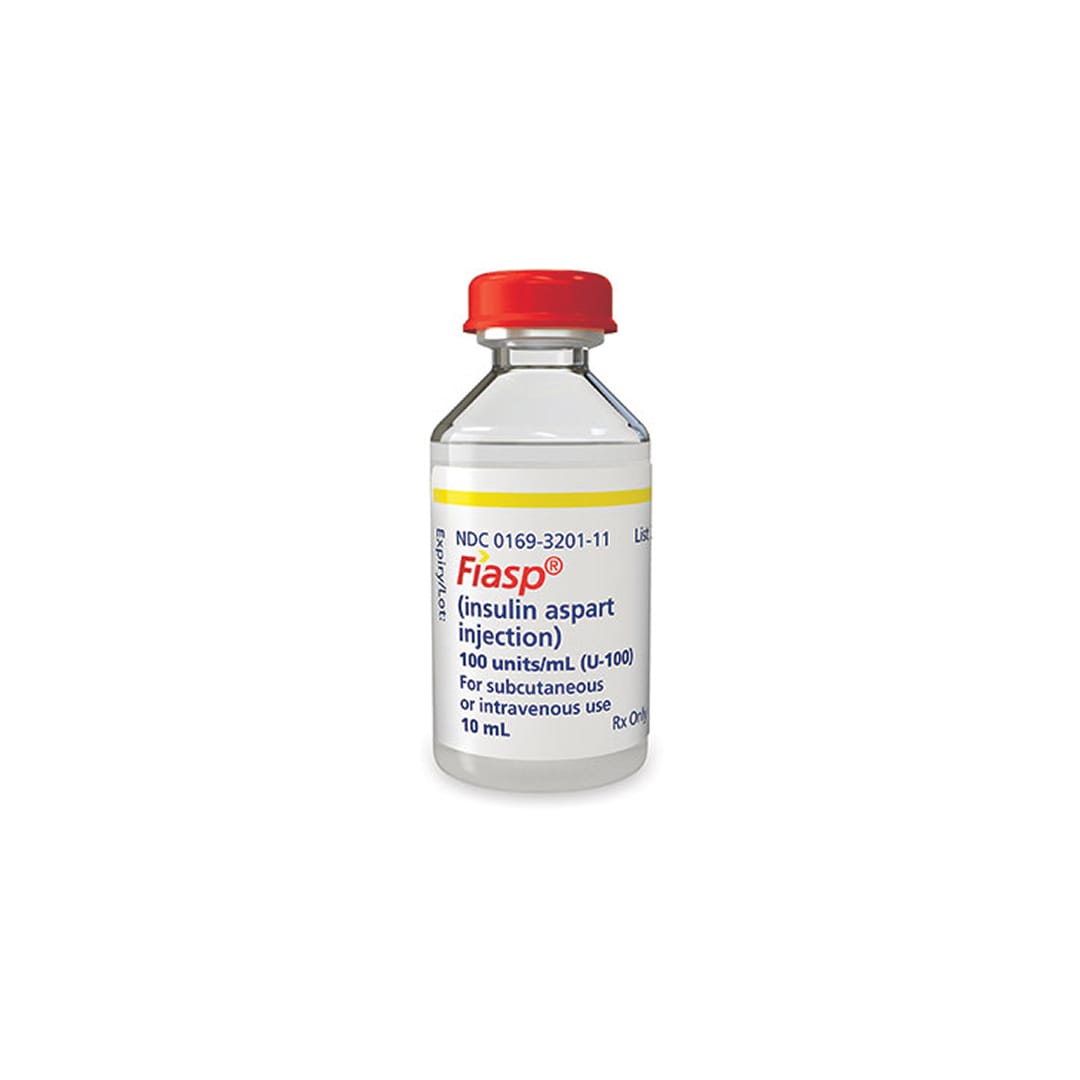
Fiasp Vial
Buy Fiasp Vial Online
Secure Encrypted Payments
Fiasp Vial is a rapid-acting insulin aspart medicine used at mealtime to help control blood glucose in people with diabetes. You can buy Fiasp Vial online, view the current vial price, and choose the available strength that matches your clinician’s directions. The vial format is commonly used with insulin syringes and may also be used in insulin pump settings when the official labeling and device instructions allow it.
Fiasp contains insulin aspart with added niacinamide, an ingredient that helps speed early absorption after dosing. It is intended for prandial insulin coverage, meaning it helps manage the rise in blood sugar that occurs after eating. Most people who use mealtime insulin also use a longer-acting basal insulin or another background therapy as directed by their diabetes care team.
Price, Strength, and Ordering Details
Fiasp Vial Price questions usually come down to the vial strength, monthly insulin needs, and the number of vials required for the treatment plan. Current pricing is shown during ordering, so you can evaluate the cash-pay amount before completing checkout. If your dose changes, update the quantity only after your clinician has given new directions.
The commonly available vial presentation is Fiasp 10 mL 100 Units/mL, also described as a Fiasp U-100 Vial. U-100 means there are 100 units of insulin per milliliter. Use syringes or pump supplies that match U-100 insulin, because the wrong equipment can cause dosing errors.
US delivery from Canada may help customers compare Canadian pharmacy pricing with local cash-pay choices. Plan refills before the vial supply runs low, especially if you use insulin several times daily or use the vial in a pump reservoir. Insulin should not be stretched beyond the plan set by your care team.
What Kind of Insulin Fiasp Is
Fiasp is a rapid-acting insulin analog. It lowers blood glucose by helping glucose move from the bloodstream into cells and by reducing glucose production by the liver. Because it works quickly around meals, it is different from long-acting insulin products that provide background coverage across the day or night.
Fiasp is used to improve glycemic control in adults and children with diabetes mellitus. That includes people with type 1 diabetes who need mealtime insulin and people with type 2 diabetes when rapid mealtime coverage is part of the plan. It is not used to treat diabetic ketoacidosis.
Timing is one of the practical reasons people discuss Fiasp with their clinician. Labeling allows administration at the start of a meal or shortly after the meal begins. That does not mean timing is optional for every situation; meal size, glucose reading, planned activity, and insulin sensitivity all affect individualized use.
Does Fiasp Come in a Vial?
Yes. Fiasp comes in a vial presentation, and this product focuses on the insulin aspart vial format. A vial can be useful for people who prefer syringes, need flexible dose measurement, or use compatible insulin pump systems under labeling and device guidance.
Other Fiasp formats may exist in some markets, including prefilled pens, cartridges, or pump-specific presentations. The vial is not the same as a pen because it requires separate injection supplies and careful handling. If you are switching from a pen or cartridge, ask your clinician or diabetes educator to review technique before the change.
Quick tip: Keep the vial carton or pharmacy label with your insulin when traveling, because it helps identify the medicine during security screening or urgent care visits.
How to Use the Vial Safely
Dosing is individualized. Your clinician may base dose decisions on carbohydrate intake, pre-meal glucose, recent readings, physical activity, and correction factors. Do not change the dose to chase a single high reading unless your diabetes plan gives clear instructions for that situation.
When drawing insulin from a vial, wash your hands, inspect the solution, and use sterile technique. The liquid should be clear and colorless. Do not use it if it looks cloudy, thickened, discolored, or contains particles. Rotate injection sites within the same body region to reduce lipodystrophy, which means skin thickening, pitting, or fatty changes at repeated injection spots.
Use a new needle and syringe for each injection. Never share needles, syringes, reservoirs, or infusion sets, even with family members. Sharing injection equipment can spread infections and can also cause dosing mix-ups.
For pump use, follow both the Fiasp labeling and the pump manufacturer’s instructions. Pump users need to watch for infusion site problems, occlusions, unexplained high readings, or ketones when insulin delivery may be interrupted. Keep backup injection supplies available in case a pump or infusion set fails.
Missed Meal Dose and Timing Questions
If a mealtime dose is missed, the safest next step depends on when you realized it, what you ate, your current glucose, and your personal correction plan. Fiasp may be taken at the start of a meal or shortly after the meal begins according to labeling, but a dose given too late can raise the risk of low blood sugar. Avoid taking extra insulin simply to catch up unless your clinician has already explained how to handle that situation.
Check glucose more often when meal timing is disrupted. Delayed meals, unexpected exercise, vomiting, alcohol, or illness can change insulin needs quickly. People using continuous glucose monitors should still follow their care team’s instructions for confirming readings when symptoms do not match the device result.
Carry a fast-acting carbohydrate source such as glucose tablets. Severe hypoglycemia can happen with any insulin, and someone close to you should know when and how emergency glucagon may be used if it has been recommended.
How Long a Fiasp Vial Lasts
How long a vial lasts depends on the number of units used each day and whether any insulin is lost during priming, pump reservoir changes, or syringe preparation. A 10 mL U-100 vial contains 1,000 units in total. Your own monthly quantity should be based on the dose plan given by your clinician.
The storage life after opening is different from the number of units in the vial. Unopened vials are stored refrigerated according to the package insert. In-use vials may be kept at room temperature for a limited period stated in the official labeling. Discard the vial after the labeled in-use period, even if insulin remains.
Do not freeze insulin or expose it to excessive heat or direct light. If a vial has been frozen, left in a hot car, or exposed to uncertain temperatures for an extended time, contact a healthcare professional or pharmacist for guidance before using it.
Storage, Travel, and Shipping Handling
Insulin is temperature-sensitive. Store unopened Fiasp Vial in the refrigerator and keep it away from the freezer compartment. During daily use, follow the package insert for room-temperature limits and keep the vial out of reach of children and pets.
During travel, pack insulin and supplies in carry-on luggage rather than checked bags. Checked luggage can be exposed to freezing or overheating. An insulated medication case can help reduce temperature swings, but do not place insulin directly against ice packs unless the case is designed to prevent freezing.
For longer trips, bring extra syringes, pump supplies if needed, glucose monitoring supplies, and a written medication record. If crossing time zones, ask your diabetes care team how to adjust mealtime and background insulin timing. Orders may be arranged with prompt, express shipping, but refill planning remains important for a medicine used every day.
Benefits and Practical Fit
Fiasp’s rapid mealtime action can help blunt post-meal glucose rises when it is matched to food intake and monitoring. The option to take it at the beginning of a meal or shortly after starting can be helpful for people whose meal size is sometimes uncertain. This flexibility still requires safe glucose monitoring and a clear plan for highs and lows.
The vial format may be a practical fit for people who use multiple daily injections and prefer syringes. It may also suit some pump users when compatible with their device and care plan. People who want a broader view of supplies and adjacent therapies can browse diabetes care items.
The vial is not automatically the best format for everyone. Some people prefer pens for portability, while others choose vials for dose flexibility or pump use. Technique, vision, hand strength, storage habits, and daily routine all matter when choosing the most workable insulin presentation.
Side Effects, Warnings, and Monitoring
The most important side effect of Fiasp is hypoglycemia, or low blood sugar. Symptoms can include shakiness, sweating, hunger, headache, dizziness, fast heartbeat, irritability, confusion, or weakness. Severe hypoglycemia can cause seizure, loss of consciousness, injury, or death if not treated quickly.
- Low blood sugar, especially if meals are delayed or activity increases
- Injection-site redness, itching, swelling, or mild pain
- Skin thickening, pits, or lumps from repeated injections in one spot
- Weight gain with intensified insulin therapy
- Rash or other allergic-type symptoms
- Low potassium, which can be serious in some people
Do not use Fiasp if you have had a serious hypersensitivity reaction to insulin aspart or any ingredient in the formulation. Systemic allergy can include widespread rash, trouble breathing, swelling, low blood pressure, or rapid heartbeat. Seek emergency help for severe allergic symptoms or severe low blood sugar.
Some medicines can increase or decrease insulin effect. Other glucose-lowering drugs, ACE inhibitors, ARBs, salicylates, and some antidepressants may increase hypoglycemia risk. Corticosteroids, certain diuretics, thyroid medicines, and sympathomimetics may raise glucose or reduce insulin effect. Beta-blockers can make low blood sugar harder to notice, and alcohol can make glucose responses less predictable.
Thiazolidinedione medicines used with insulin may cause fluid retention and can worsen heart failure in some patients. Potassium-lowering medicines can add to the risk of hypokalemia. Regular glucose monitoring, site rotation, and review of low or high patterns help your clinician adjust the overall diabetes plan safely.
Comparing Fiasp With Other Diabetes Options
Fiasp and other rapid-acting insulins are used around meals, but formulations and timing instructions may differ. NovoRapid is another insulin aspart product used for prandial coverage in many regimens. People who are considering cartridge-based insulin can discuss whether a format like NovoRapid Cartridge fits their device and routine.
Premixed insulin products are different because they combine rapid or short-acting coverage with an intermediate component. That may reduce the number of injections for some people but can offer less meal-by-meal flexibility. A product such as Humalog Mix Cartridges should be evaluated as a different regimen type, not a direct vial substitute.
Insulin choice depends on glucose patterns, meal schedule, kidney function, hypoglycemia history, device preference, and ability to monitor. People with type 1 diabetes usually need both background and mealtime insulin. People with type 2 diabetes may use insulin along with other medicines, nutrition planning, and activity changes.
Cost-Saving and Refill Planning
Fiasp Vial Cost can vary by quantity, cash-pay needs, and how often refills are required. Viewing current pricing before checkout helps you plan monthly spending and avoid last-minute decisions. If your clinician expects stable dosing, ask whether a larger supply is appropriate for your treatment plan and storage capacity.
Include supplies when estimating out-of-pocket cost. Syringes, pen needles for other insulin formats, pump infusion sets, glucose strips, lancets, sensors, sharps containers, and glucagon products can all affect the total diabetes budget. Consolidating diabetes items may make refill planning easier, but do not stockpile more insulin than you can store and use before expiration.
Keep a simple insulin log or use your glucose app to estimate when the next vial will be needed. Order early enough to account for weekends, holidays, travel, or dose changes. A refill gap with rapid-acting insulin can quickly lead to high glucose, especially for pump users.
Questions to Discuss With Your Clinician
- How should Fiasp be timed when meals are delayed?
- What glucose range should be used before meals and after meals?
- How should exercise days affect mealtime insulin?
- What is the plan for illness, vomiting, or poor appetite?
- When should ketones be checked?
- What symptoms require urgent medical care?
- How often should injection sites be rotated?
- Is a vial, pen, cartridge, or pump format best for daily use?
Diabetes plans change over time. Growth in children, pregnancy, kidney changes, weight changes, new medicines, or altered activity can affect insulin needs. Bring glucose records, dose notes, and hypoglycemia episodes to appointments so your care team can see patterns rather than isolated numbers.
Related Diabetes Information
Fiasp belongs to the broader group of mealtime insulins used for daily diabetes management. People learning how insulin fits into their plan may benefit from condition-specific information about type 1 diabetes topics or type 2 diabetes topics. These resources can help frame questions about monitoring, lifestyle routines, and medication discussions.
Country of origin may matter to customers reviewing labels and supply expectations. Products associated with Canadian sourcing can be browsed through Canada-origin items. Always rely on the medication label, carton, and pharmacist guidance for the exact product received.
Authoritative Sources
FDA DailyMed Fiasp prescribing information
Manufacturer Fiasp patient information
This content is for informational purposes only and is not a substitute for professional medical advice.
Blood Glucose Unit Converter
Convert glucose readings between mg/dL and mmol/L without changing the clinical value.
mg/dL
-
US reporting unit
mmol/L
-
International reporting unit
These calculations are for education only and do not replace clinical advice, diagnosis, or treatment. Always confirm medical decisions with a qualified healthcare professional.
HbA1c & eAG Calculator
Convert between HbA1c percentage and estimated average glucose using the ADAG relationship.
HbA1c
-
percentage
eAG mg/dL
-
estimated average glucose
eAG mmol/L
-
estimated average glucose
These calculations are for education only and do not replace clinical advice, diagnosis, or treatment. Always confirm medical decisions with a qualified healthcare professional.
HOMA-IR Calculator
Estimate insulin resistance from fasting glucose and fasting insulin values collected from the same blood draw.
HOMA-IR
-
screening estimate, not a diagnosis
Formula used
-
depends on glucose unit
These calculations are for education only and do not replace clinical advice, diagnosis, or treatment. Always confirm medical decisions with a qualified healthcare professional.
Carb Serving Calculator
Convert total carbohydrate grams into carb choices for meal planning and diabetes education.
Carb choices
-
total carbs divided by choice size
Rounded choices
-
nearest half choice
Carb calories
-
4 kcal per gram
These calculations are for education only and do not replace clinical advice, diagnosis, or treatment. Always confirm medical decisions with a qualified healthcare professional.
CGM Time-in-Range Summary
Summarise CGM percentages across very low, low, in-range, high, and very high glucose bands.
Entered total
-
should equal 100%
Below range
-
very low plus low
Above range
-
high plus very high
Summary
-
common adult CGM targets vary by patient
These calculations are for education only and do not replace clinical advice, diagnosis, or treatment. Always confirm medical decisions with a qualified healthcare professional.
Express Shipping - from $29.99
Shipping with this method takes 3-5 days
Prices:
- Dry-Packed Products $29.99
- Cold-Packed Products $39.99
Shipping Countries:
- United States (all contiguous states**)
- Worldwide (excludes some countries***)
Standard Shipping - $19.99
Shipping with this method takes 5-10 days
Prices:
- Dry-Packed Products $19.99
- Not available for Cold-Packed products
Shipping Countries:
- United States (all contiguous states**)
- Worldwide (excludes some countries***)
What kind of insulin is Fiasp Vial?
Fiasp Vial contains insulin aspart, a rapid-acting insulin analog used at mealtime to help manage post-meal blood glucose in people with diabetes. It is usually coordinated with the rest of a diabetes treatment plan, which may include basal insulin or other therapies.
Does Fiasp come in a vial?
Yes. Fiasp is available in a vial format, commonly as a 10 mL U-100 vial containing 100 units/mL. The vial is used with appropriate U-100 syringes and may be used in compatible pump systems when labeling and device instructions support that use.
How much does a vial of Fiasp cost?
The cost depends on current pricing, quantity, and how many vials your treatment plan requires. View the displayed Fiasp Vial price during ordering and include related supplies, such as syringes or pump infusion sets, when estimating total monthly cost.
How long does a Fiasp vial last?
A 10 mL U-100 vial contains 1,000 units, so the number of days it lasts depends on your daily insulin use and any priming or pump-related waste. The in-use storage period is separate from unit count; follow the package insert and discard the vial after the labeled time limit.
When is Fiasp usually taken?
Fiasp is taken around meals. Labeling allows use at the start of a meal or shortly after the meal begins, but your exact timing should follow your diabetes plan. Meal size, glucose reading, activity, and insulin sensitivity all affect safe use.
What are common side effects of Fiasp?
Common issues include low blood sugar, injection-site reactions, skin changes at repeated injection sites, mild rash, and weight gain. Serious problems can include severe hypoglycemia, low potassium, or allergic reactions. Seek urgent care for severe symptoms.
How should Fiasp Vial be stored?
Unopened vials are stored refrigerated according to the label. In-use vials may be kept at room temperature for the limited period stated in the package insert. Do not freeze insulin, expose it to high heat, or use it if the solution looks cloudy or contains particles.
Rewards Program
Earn points on birthdays, product orders, reviews, friend referrals, and more! Enjoy your medication at unparalleled discounts while reaping rewards for every step you take with us.
You can read more about rewards here.
POINT VALUE
How to earn points
- 1Create an account and start earning.
- 2Earn points every time you shop or perform certain actions.
- 3Redeem points for exclusive discounts.
You Might Also Like
Select options
This product has multiple variants. The options may be chosen on the product page
Select options
This product has multiple variants. The options may be chosen on the product page
Select options
This product has multiple variants. The options may be chosen on the product page
Select options
This product has multiple variants. The options may be chosen on the product page