

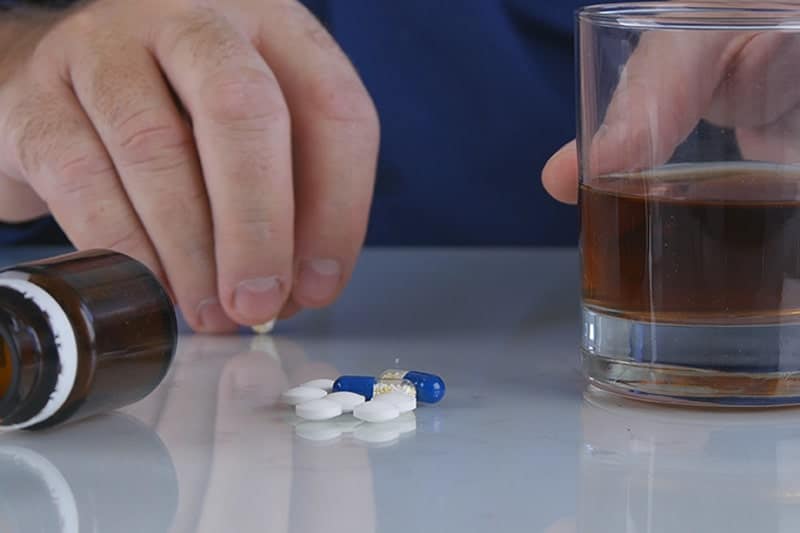
If you landed here from a search for Bystolic and Alcohol: A Practical Guide to Safer Use, the short answer is this: mixing Bystolic, also called nebivolol, with alcohol may increase dizziness, lightheadedness, low blood pressure, and fainting risk. Both can affect blood pressure and alertness. For some people, even a small amount of alcohol can hit harder when they are starting treatment, dehydrated, older, or taking other medicines that also lower blood pressure. That is why timing, symptoms, and your overall health matter more than a one-size-fits-all rule.
Key Takeaways
- Alcohol may add to Bystolic’s blood-pressure-lowering effects.
- Dizziness, lightheadedness, and fainting are the main concerns.
- There is no universal number of hours that makes the mix safe for everyone.
- Risk may be higher after dose changes, dehydration, or with other sedating medicines.
- Passing out, chest pain, or severe weakness deserves prompt medical attention.
Bystolic and Alcohol: Why the Mix Can Be Risky
Bystolic is a beta blocker commonly used to help manage high blood pressure. It works in part by lowering blood pressure and reducing strain on the heart. Alcohol can also relax blood vessels and impair balance and judgment. When those effects overlap, you may feel more lightheaded than expected.
This does not mean every person will react the same way. Some people notice only mild fatigue or flushing. Others develop marked dizziness when they stand up, a drop in blood pressure, or a sense that they may pass out. The risk may be more noticeable when you first start nebivolol, after a dose change, or after drinking on an empty stomach.
Another problem is confusion. If you feel tired, flushed, or unsteady, it can be hard to tell whether the cause is alcohol, the beta blocker, dehydration, or another medicine. That can delay the right response and make routine activities like driving or climbing stairs less safe.
Why it matters: Even a brief dizzy spell can lead to a fall, injury, or missed warning signs.
BorderFreeHealth works with licensed Canadian partner pharmacies.
What You May Notice After Drinking on Bystolic
The most common concern is a bigger-than-expected drop in blood pressure. In plain language, that can feel like dizziness, lightheadedness, or a shaky, washed-out feeling when you stand. Some people also notice headache, fatigue, blurred vision, or nausea. Alcohol can also make you less steady on your feet, which adds to fall risk.
Pay close attention to context. Symptoms after one drink at home may be very different from symptoms after several drinks, poor sleep, hot weather, exercise, or not enough food and water. If you already tend to feel faint after standing up quickly, mixing the two may worsen that pattern.
| Possible effect | How it may feel | Why it matters |
|---|---|---|
| Lower blood pressure | Dizziness or near-fainting | Falls and injuries become more likely |
| More sedation | Fatigue, poor focus, slower reactions | Driving and routine tasks may be less safe |
| Harder symptom tracking | Unclear whether alcohol, dehydration, or medicine is responsible | You may miss when a clinician should be called |
Symptoms that deserve urgent attention include passing out, severe shortness of breath, chest pain, a head injury after a fall, new confusion, or trouble staying awake. Those signs should not be written off as just the alcohol. If you want broader reading on heart-related medication topics, the Cardiovascular Hub is a helpful place to start.
Can You Separate Bystolic and Alcohol by a Few Hours?
Usually, there is no universal clock-based rule. People often ask how long after taking Bystolic they can drink, or how long after drinking they can take their next dose. The honest answer is that the safer interval depends on your usual response, your dose schedule, how much alcohol you drank, your age, hydration, and other medicines. A prescriber or pharmacist can give guidance that fits your situation.
You may also see a ‘2-2-2 rule’ mentioned online. That is not a standard medical rule for Bystolic or other beta blockers. It should not replace individualized advice, especially if you have already felt faint, fallen, or had very low blood pressure readings.
The concern is similar with other beta blockers, including metoprolol, propranolol, and bisoprolol. The exact experience varies from person to person, but the class-level issue is the same: alcohol can amplify side effects that affect blood pressure, balance, and alertness.
If you are comparing interaction patterns across medicines, our page on Alcohol With Wellbutrin shows why alcohol questions need to be asked medication by medication.
Who Should Be Extra Cautious
Some people need a lower threshold for concern. That includes older adults, people who already have low blood pressure, anyone who has fainted before, and people taking other medicines that can cause drowsiness or lower blood pressure. The same is true if you are ill, dehydrated, recovering from vomiting or diarrhea, or drinking in hot weather.
Extra caution also matters if you have more than one cardiovascular medicine in your routine. In those cases, the combination effect may be harder to predict. If you are browsing related treatment categories, the Cardiovascular Products hub can help you compare options at a high level.
- Starting treatment: your body is still adjusting.
- Recent dose change: side effects may be more noticeable.
- Empty stomach: alcohol may feel stronger.
- Poor hydration: low blood pressure risk can rise.
- History of falls: even mild dizziness matters more.
Heavy drinking adds another layer. Even when a single drink seems manageable, larger amounts can worsen judgment and make it easier to miss early warning signs. Alcohol does not reliably cancel out Bystolic, but heavier drinking can complicate blood pressure control and make it harder to judge how well treatment is working.
When required, pharmacies verify prescription details with the prescriber before dispensing.
What to Do If You Already Mixed Them
If you already drank while taking nebivolol, do not panic. Start by stopping additional alcohol, sitting or lying down if you feel faint, and standing up slowly. Drink water if you can safely do so, and avoid driving, ladders, or anything else where a brief loss of balance could cause harm.
If you use a home blood pressure cuff and know how to use it correctly, checking your reading may help you describe what is happening to a clinician. But numbers are only part of the picture. Symptoms matter more than chasing a perfect reading, especially if you feel weak, confused, or close to passing out.
Call a clinician, pharmacist, or local medical service if symptoms are persistent or getting worse. Seek urgent care right away for passing out, chest pain, trouble breathing, a head injury after a fall, or symptoms that are severe enough that you cannot stay safely upright.
Quick tip: Write down what you drank, when you took the dose, and what symptoms followed.
For another example of how alcohol can shift medication safety questions, see Abilify And Alcohol. The details differ, but the lesson is familiar: alcohol can change side-effect risk in ways that are easy to underestimate.
Questions to Ask Before Drinking Again
Before trying Bystolic and alcohol together again, it helps to slow the decision down. A few practical questions can make the conversation with a clinician or pharmacist much more useful.
- Have I ever felt dizzy or faint on this medicine alone?
- Am I taking other drugs that affect blood pressure, heart rate, sleep, or anxiety?
- Was I planning to drink on an empty stomach or after exercise?
- Do I have a history of falls, blackouts, or dehydration?
- Would I be driving, caring for someone else, or doing anything risky afterward?
- Do I know what symptoms would mean I should stop and get help?
These questions matter most when you are newly diagnosed with high blood pressure or still learning how your medicine affects you day to day. Some eligible patients look at cash-pay cross-border prescription options when they are not using insurance, subject to local rules. That access question is separate from the safety question. Even if a medicine feels familiar, alcohol interaction risks still deserve a careful review.
Authoritative Sources
- For general public health guidance, see the CDC page on alcohol and other drugs.
- For background on nebivolol, review the open-access clinical overview of nebivolol in PMC.
- For official product information, consult BYSTOLIC lifestyle and safety information.
In short, the safest way to think about Bystolic and alcohol is not as a fixed rule, but as a personal risk question. The more dizziness, low blood pressure, falls, or mixed medications are part of your story, the less room there is for guesswork. Further reading and a medication review can help clarify the next step.
This content is for informational purposes only and is not a substitute for professional medical advice.


