

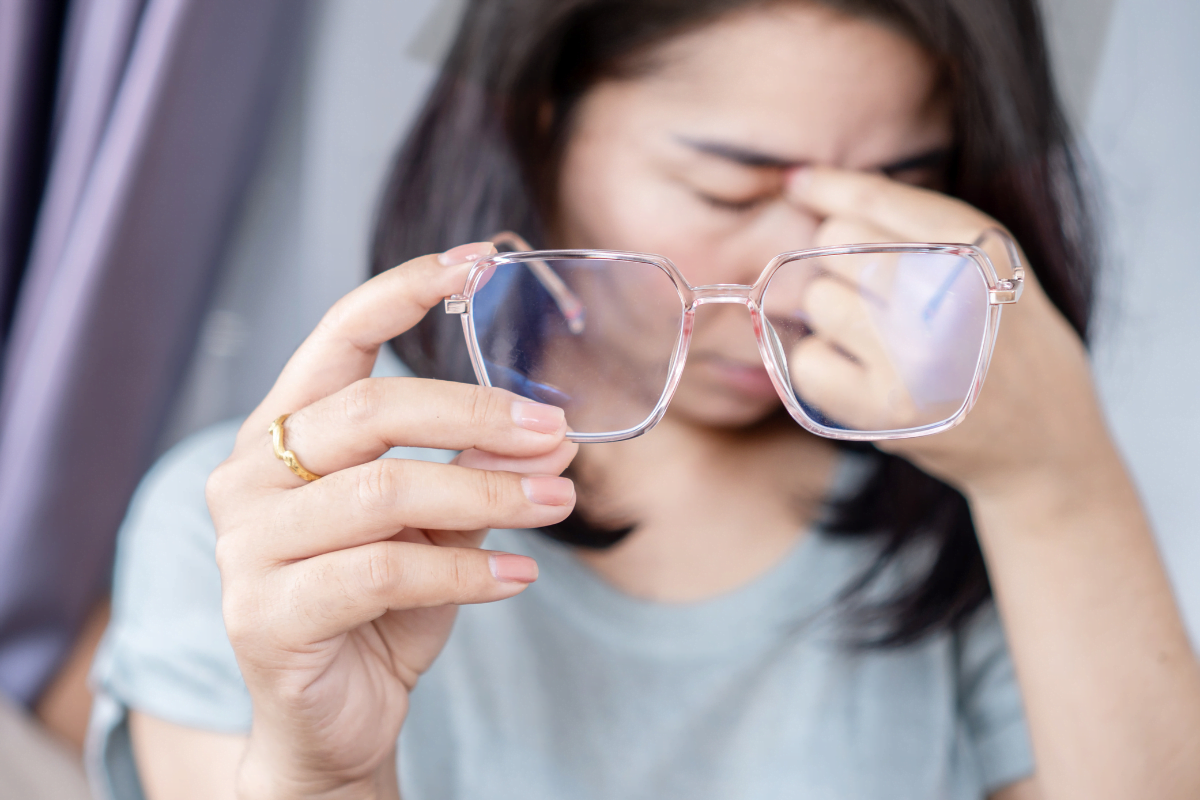
Wegovy Vision Loss is not considered a common outcome for most people, but some eye symptoms during semaglutide treatment deserve prompt attention. The main concerns are sudden vision changes, worsening diabetic retinopathy (diabetes-related retinal damage), and rare reports of optic nerve blood-flow problems. This matters because early evaluation can protect sight and prevent a harmless blur from being confused with an emergency.
Wegovy contains semaglutide, a GLP-1 receptor agonist used for chronic weight management. Semaglutide is also used in other medicines, including Ozempic for type 2 diabetes. Because these products overlap by ingredient or class, many online discussions use brand names interchangeably. The safer approach is to focus on your symptoms, your diabetes and eye history, and the timing of any vision change.
Key Takeaways
- Sudden changes need care: urgent symptoms should not be watched at home.
- Diabetes history matters: retinopathy can worsen when glucose improves quickly.
- Blur can be temporary: dehydration, glucose shifts, or eye strain may contribute.
- NAION is rare: sudden painless vision loss needs immediate medical review.
- Monitoring helps: baseline and follow-up eye exams reduce uncertainty.
How Wegovy Vision Loss Concerns Started
Wegovy Vision Loss concerns come from several overlapping issues, not one single confirmed mechanism. Some people report blurred vision during dose changes. Others have diabetes-related eye disease that can worsen when blood sugar improves quickly. More recently, regulators and eye specialists have discussed rare cases of non-arteritic anterior ischemic optic neuropathy, often shortened to NAION.
NAION is sometimes called an “eye stroke,” although that phrase can oversimplify it. It involves reduced blood flow to the front part of the optic nerve, which carries visual signals from the eye to the brain. Symptoms often include sudden, painless vision loss in one eye, dimming, or a missing area in the visual field.
Why this matters: a mild focusing change and sudden optic nerve vision loss are not the same problem. They need different urgency, testing, and follow-up. If your sight changes while using semaglutide, the key question is not whether the medication is definitely responsible. The key question is how quickly you need an eye exam.
People using weight-management medicines may also have other risk factors, including high blood pressure, sleep apnea, diabetes, or vascular disease. Those conditions can affect the retina and optic nerve on their own. They can also make it harder to interpret whether a new symptom is medication-related, disease-related, or coincidental.
Eye Symptoms That Should Not Be Ignored
Some vision changes are urgent because they can signal retinal detachment, optic nerve disease, or bleeding inside the eye. Seek urgent in-person care for sudden vision loss, a curtain-like shadow, new severe eye pain, flashes of light, or a sudden burst of floaters. These symptoms should not wait for a routine appointment.
Blurry vision deserves context. Wegovy blurry vision may occur around dehydration, nausea, reduced food intake, screen strain, or changing glucose levels. In people with diabetes, shifting blood sugar can temporarily change the eye’s focusing power. That can make glasses feel wrong for a while, even without permanent eye damage.
Still, blurred vision should be checked if it persists, affects one eye more than the other, worsens quickly, or comes with headache, pain, floaters, or dim vision. A clinician may look for refractive change, dry eye, macular edema (swelling in the central retina), retinal bleeding, inflammation, or optic nerve changes.
Red flags for same-day advice
- Sudden one-eye loss: especially painless dimming or missing vision.
- Curtain or shadow: possible retinal detachment warning.
- New flashes: especially with many new floaters.
- Severe eye pain: urgent evaluation is safer.
- Wavy central vision: possible macular involvement.
Quick tip: If symptoms occur, note the eye affected, start time, pain level, and any new medicines.
Diabetic Retinopathy, Glucose Shifts, and Semaglutide
Diabetic retinopathy is one of the clearest eye-health issues discussed with semaglutide. It occurs when diabetes damages small retinal blood vessels. Over time, those vessels may leak, bleed, or grow abnormally. The result can be blurred vision, floaters, macular edema, or vision loss if disease becomes advanced.
Rapid improvement in blood sugar can sometimes temporarily worsen existing retinopathy. This phenomenon was known before semaglutide. It has been observed when glucose control improves quickly after long periods of high blood sugar. The long-term goal remains stable glucose control, but vulnerable retinas may need closer monitoring during major metabolic change.
This is why a person with diabetes and known retinopathy may need a different eye plan than someone without diabetes. The medication is only one part of the risk picture. Baseline eye status, A1C trends, blood pressure, kidney disease, and previous retinal treatments all matter.
If you are tracking A1C and estimated average glucose, a calculator can help you understand how those numbers relate. It does not replace clinical judgment, but it can make lab discussions clearer.
HbA1c & eAG Calculator
Convert between HbA1c percentage and estimated average glucose using the ADAG relationship.
These calculations are for education only and do not replace clinical advice, diagnosis, or treatment. Always confirm medical decisions with a qualified healthcare professional.
For a broader look at semaglutide treatment basics, including how the medicine fits into care discussions, see Semaglutide Basics. If you are comparing brand contexts, Wegovy vs Ozempic explains how weight-management and diabetes uses differ.
What People Mean by “Ozempic Eyes”
“Ozempic eyes” is not a formal diagnosis. People use the phrase online to describe several different experiences, including blurry vision, dry eyes, tired focusing, facial or eyelid appearance changes after weight loss, and fear of more serious eye disease. Because the phrase is vague, it can create more anxiety than clarity.
Some reports are likely related to everyday eye strain or changing vision correction needs. Others may reflect diabetes-related retinal changes. A smaller group may involve serious symptoms that need urgent care. The phrase can also mix cosmetic concerns with medical eye symptoms, which makes careful language important.
If you search for ozempic vision loss, semaglutide blurry vision, or similar terms, you may find personal stories that sound alarming. Those accounts can help you recognize possible warning signs, but they cannot prove cause. They also may not include the person’s diabetes history, eye exam findings, blood pressure, or other risk factors.
A symptom log is more useful than a social-media label. Record when the symptom began, whether it affects one or both eyes, whether it changes during the day, and whether it appeared after dose escalation, illness, dehydration, or major glucose changes. Bring that information to your prescriber or eye specialist.
Who May Need Closer Eye Monitoring
People with existing eye disease may need closer follow-up before and during semaglutide therapy. This includes people with moderate or severe diabetic retinopathy, previous retinal injections, retinal laser treatment, macular edema, glaucoma, high eye pressure, or prior optic nerve disease. A history of sudden vision loss in one eye also deserves careful review.
Other health factors can increase concern. High blood pressure, sleep apnea, kidney disease, smoking history, and vascular disease may affect retinal and optic nerve blood flow. These conditions do not mean a GLP-1 medicine is automatically unsafe. They mean the monitoring plan should be more deliberate.
People without diabetes can still develop unrelated eye problems while taking a weight-management medicine. New floaters may come from vitreous changes. Dryness can come from environment, screen use, allergies, or contact lenses. Headache-related visual symptoms can occur for reasons unrelated to semaglutide. An eye exam helps sort these possibilities.
For broader safety context, Wegovy Side Effects covers common and serious reactions that may be discussed during treatment. If dose timing or titration questions are part of your care conversation, Wegovy Dosage gives a general overview without replacing prescriber guidance.
Practical Steps Before and During Treatment
A simple eye-safety plan can reduce uncertainty. If you have diabetes, ask whether you are due for a dilated eye exam before starting or continuing semaglutide. If you already see a retina specialist, let them know about major medication changes and any rapid improvements in glucose markers.
Before an appointment, bring your current glasses or contact lens prescription, recent A1C results if relevant, and a list of eye diagnoses. Mention past retinal laser, injections, glaucoma drops, eye surgery, or optic nerve concerns. These details help the clinician decide whether retinal imaging, optical coherence tomography (OCT), or visual field testing is appropriate.
During treatment, avoid making medication decisions based only on fear or online claims. Do not stop, restart, or change dosing without speaking with the prescribing clinician. If vision symptoms are urgent, seek eye care first; medication decisions can then be made with clearer findings.
Why it matters: Eye symptoms become easier to interpret when clinicians know your baseline.
BorderFreeHealth connects U.S. patients with licensed Canadian partner pharmacies, and prescription details are verified with the prescriber when required before dispensing. That access model does not replace medical monitoring, especially for symptoms such as sudden vision changes or eye pain.
How GLP-1 and Related Medicines Compare
Semaglutide is used in Wegovy and Ozempic, while tirzepatide is used in medicines such as Zepbound and Mounjaro. These drugs are not identical, but discussions about vision changes often overlap because they can affect weight, glucose, and cardiometabolic health. The eye-risk question depends less on brand alone and more on personal risk factors.
Reports about zepbound vision changes, mounjaro vision changes, or blindness concerns should be interpreted carefully. A symptom occurring during treatment is not the same as a proven drug effect. Clinicians usually consider timing, diabetes status, eye exam findings, and other vascular risks before drawing conclusions.
Some people compare GLP-1 receptor agonists with other weight-management options. If you are reviewing alternatives, Tirzepatide and Retinopathy Risk discusses one evidence-focused comparison angle. For a broader category view, the Weight Management collection can help you find related educational topics.
Product pages can also help identify the medicine being discussed, but they should not replace a clinical conversation. For medication-specific context, see Wegovy or Ozempic when you need basic product orientation.
Authoritative Sources
Regulators and medical organizations continue to review eye-safety signals as new data appear. The European Medicines Agency NAION update describes NAION as a very rare side effect for semaglutide medicines and advises prompt contact with a doctor for sudden vision loss or rapidly worsening eyesight.
Trial evidence also helps frame the retinopathy discussion. The SUSTAIN-6 trial report described retinopathy complications in a higher-risk diabetes population, especially where pre-existing disease and rapid glucose improvement were relevant.
For patient-facing eye-health context, the American Academy of Ophthalmology overview explains how semaglutide medicines may relate to blurred vision, diabetic retinopathy concerns, and rare optic nerve events.
Recap
Most people using semaglutide will not experience severe vision loss. Still, Wegovy Vision Loss concerns are reasonable to take seriously because sudden eye symptoms can signal conditions where timing matters. The safest path is calm, prompt evaluation rather than panic or self-directed medication changes.
If you have diabetes, known retinopathy, glaucoma, high eye pressure, or prior optic nerve problems, ask your clinician whether you need a baseline exam or closer follow-up. If you develop sudden vision loss, a curtain-like shadow, severe eye pain, flashes, or many new floaters, seek urgent in-person care.
This content is for informational purposes only and is not a substitute for professional medical advice.


