
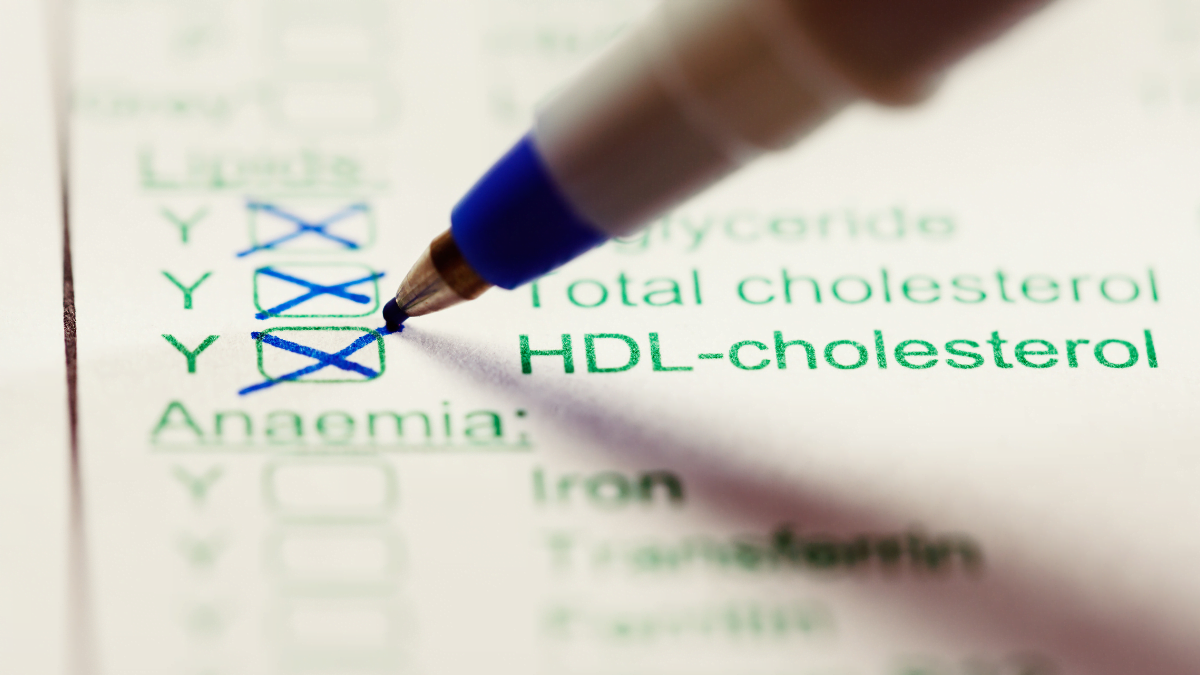
Wegovy for high cholesterol is not a direct cholesterol-lowering treatment like a statin. It may improve some lipid markers in some people, often alongside weight loss, nutrition changes, and better metabolic control. The bigger question is whether semaglutide fits your overall heart-risk plan, especially if high cholesterol overlaps with obesity, high blood pressure, diabetes, or prior cardiovascular disease.
Key Takeaways
- Not a statin: Wegovy does not replace LDL-lowering medicine.
- Results vary: cholesterol changes differ by person and risk profile.
- Heart benefit matters: approved cardiovascular use applies to specific adults.
- Safety needs review: side effects, heart rate, and other medicines matter.
- Coverage may differ: high cholesterol alone may not meet plan criteria.
Where Wegovy Fits in Cholesterol and Heart-Risk Care
Wegovy is a GLP-1 receptor agonist, a medicine that acts on receptors involved in appetite, fullness, stomach emptying, and glucose regulation. Clinicians use it for chronic weight management in eligible adults, and it also has a cardiovascular risk-reduction role for certain adults with established cardiovascular disease and overweight or obesity. That does not make it a primary cholesterol drug.
Why this distinction matters: LDL cholesterol can remain above goal even after meaningful weight loss. Some people have inherited lipid patterns, thyroid disease, kidney disease, liver conditions, diet patterns, or medication effects that keep cholesterol high. A clinician usually looks at the full picture, not only one lab value.
Wegovy for high cholesterol becomes most relevant when cholesterol concerns sit inside a broader cardiometabolic risk pattern. That may include elevated BMI, central weight gain, high blood pressure, type 2 diabetes, smoking, sleep apnea, family history, or a previous heart attack or stroke. For broader topic navigation, the Cardiovascular collection and Weight Management collection can help you separate cholesterol care from weight-management care.
In practice, more than one tool may be needed. A statin may target LDL cholesterol. Other medicines may target triglycerides or inherited lipid disorders. Food choices, activity, sleep, alcohol intake, smoking cessation, and diabetes care can also change risk. The goal is not to treat one number in isolation. It is to lower cardiovascular risk safely and realistically.
Does Semaglutide Lower Cholesterol?
Semaglutide may improve some cholesterol measures, but the response is not guaranteed. Weight loss can lower triglycerides and improve some metabolic markers. Better glucose control and reduced liver fat may also influence lipid patterns. Still, LDL cholesterol may not fall enough to remove the need for cholesterol-focused treatment.
People often ask whether Ozempic lowers cholesterol because Ozempic and Wegovy both contain semaglutide. The answer needs context. Ozempic is used for type 2 diabetes care, while Wegovy is used for weight-management and specific cardiovascular-risk indications. Some lipid markers may improve during GLP-1 therapy, but the reason for prescribing, the dose schedule, and the clinical goal are not interchangeable.
Triglycerides may be more responsive to weight loss, lower alcohol intake, improved blood sugar, and reduced intake of refined carbohydrates. LDL cholesterol is often more strongly shaped by genetics and liver cholesterol handling. That is why a person can lose weight and still need LDL-lowering medicine.
Quick tip: Bring your last two lipid panels, if available, to your visit.
Reading Lipid Labs While Using a GLP-1 Medicine
A lipid panel shows whether your cholesterol plan is working. Weight change can be encouraging, but the lab report still matters. Two people can lose the same amount of weight and see different LDL, HDL, triglyceride, and non-HDL cholesterol changes.
The reference points below are common adult markers. They are not personal treatment goals. People with prior heart attack, stroke, diabetes, kidney disease, or very high lifetime risk may need lower individualized targets.
| Cholesterol Measure | What It Means | Common Adult Reference Point |
|---|---|---|
| Total cholesterol | A broad count of cholesterol carried in the blood. | Often considered desirable below 200 mg/dL. |
| LDL cholesterol | Low-density lipoprotein, often called bad cholesterol. | Often considered optimal below 100 mg/dL; high-risk goals may be lower. |
| HDL cholesterol | High-density lipoprotein, often called good cholesterol. | Higher levels are generally viewed as more favorable. |
| Triglycerides | Blood fats affected by food, alcohol, diabetes, weight, and genetics. | Often considered normal below 150 mg/dL. |
| Non-HDL cholesterol | Total cholesterol minus HDL, reflecting several plaque-related particles. | Useful when triglycerides are elevated; goals depend on risk. |
Some clinicians also discuss cholesterol ratios, such as total cholesterol compared with HDL. Ratios do not replace LDL goals, but they can help you understand another part of the report.
This calculator can compare total cholesterol and HDL values as a general ratio. It does not diagnose risk, set treatment goals, or replace clinical interpretation.
Cholesterol Ratio Calculator
Calculate common lipid ratios and non-HDL cholesterol from a standard cholesterol panel.
These calculations are for education only and do not replace clinical advice, diagnosis, or treatment. Always confirm medical decisions with a qualified healthcare professional.
Small changes in one number can mislead. Triglycerides can rise after alcohol, high-sugar eating patterns, or uncontrolled blood sugar. LDL may stay high despite weight loss if family history is strong. If your panel changes after starting a GLP-1 medicine, ask whether the change is large enough to affect treatment decisions.
Heart Benefits Beyond Weight Loss
Wegovy heart benefits are most relevant for people who match the studied and approved risk profile. The U.S. prescribing information includes an indication to reduce the risk of major adverse cardiovascular events in adults with established cardiovascular disease and either obesity or overweight. That is different from using Wegovy for high cholesterol alone.
The benefits of Wegovy besides weight loss may include improvements in several cardiometabolic markers for some people. These may include waist measurements, triglycerides, blood pressure, inflammation-related markers, or blood sugar patterns. Those changes can matter. They still do not erase the need to manage LDL cholesterol directly when it remains above goal.
Some cardiologists may discuss semaglutide when established cardiovascular disease, excess weight, and metabolic risk overlap. Others may focus first on LDL-lowering treatment, blood pressure control, smoking cessation, antiplatelet therapy, or diabetes medicines. The right sequence depends on urgency, risk level, tolerability, access, and what needs attention first.
Wegovy and blood pressure medication is a practical topic because appetite changes, lower intake, dehydration, and weight loss can affect symptoms. Dizziness, lightheadedness, or low home readings should be discussed with the prescriber. Do not stop or adjust blood pressure medicine on your own.
Seek urgent medical care for symptoms that may suggest a heart event, such as chest pressure, shortness of breath, fainting, sudden weakness, or pain spreading to the arm, jaw, or back.
Safety Cautions: Side Effects, Heart Rate, and Interactions
Safety review matters because Wegovy can affect more than appetite. Common side effects include nausea, vomiting, diarrhea, constipation, stomach pain, headache, and fatigue. Stomach side effects can sometimes lead to dehydration, which may matter for people taking diuretics, blood pressure medicines, kidney-related medicines, or diabetes medicines.
Wegovy may increase resting heart rate in some people. Palpitations do not always mean a dangerous rhythm problem, but new or persistent symptoms deserve medical review. Seek prompt care if palpitations occur with chest pain, fainting, severe dizziness, or shortness of breath.
People searching why Wegovy increases heart rate should avoid guessing the cause. A clinician may consider hydration, thyroid status, anemia, stimulant use, medication effects, electrolyte changes, anxiety, and rhythm concerns. A home pulse log can be useful, but it does not replace an exam or testing when symptoms are concerning.
Who may need extra review before using it
- Thyroid cancer history: personal or family history of medullary thyroid carcinoma needs careful review.
- MEN2 history: multiple endocrine neoplasia syndrome type 2 is a key contraindication.
- Pancreas history: prior pancreatitis may change the risk discussion.
- Gallbladder disease: rapid weight loss and GLP-1 therapy can raise gallbladder concerns.
- Kidney concerns: vomiting or diarrhea can worsen dehydration risk.
- Pregnancy planning: pregnancy or plans to become pregnant require clinician guidance.
- Diabetes medicines: insulin or sulfonylureas may raise hypoglycemia concerns as glucose improves.
Medication review should include prescriptions, non-prescription products, supplements, and alcohol use. Wegovy slows stomach emptying, so clinicians may consider whether that affects the tolerability or absorption of some oral medicines. It should not be combined casually with other semaglutide-containing or GLP-1 medicines.
For a closer look at tolerability, Wegovy Side Effects covers common symptoms and safety points. If you are comparing semaglutide products, Wegovy vs Ozempic explains why approved uses and treatment goals differ.
Insurance, Eligibility, and Access Without the Spin
Coverage for Wegovy for high cholesterol depends on the plan, diagnosis, and documentation. High cholesterol alone may not qualify. Many plans look for obesity or overweight with weight-related conditions, established cardiovascular disease, prior therapy history, or another approved indication. Requirements can also change during the year.
Before assuming coverage, ask what the plan requires. Documentation may include weight history, BMI, lipid results, cardiovascular history, medication history, and the prescriber’s rationale. Some plans require prior authorization. Others exclude weight-management medicines even when a clinician believes treatment is appropriate.
Access questions should stay separate from medical fit. A medicine can be clinically reasonable but not covered. It can also be available through a cash-pay route but not appropriate for your risk profile. Keeping those decisions separate helps you focus on safety first.
For eligible patients comparing non-insurance paths, BorderFreeHealth connects U.S. patients with licensed Canadian partner pharmacies for some cash-pay prescription options. Where required, prescription details are verified with the prescriber before pharmacy dispensing. This access context does not replace an eligibility review or a clinical decision.
If you want product-specific navigation without treating this page as a prescription recommendation, the Wegovy page can provide item context. Medication choice should still come from your prescriber’s assessment.
How It Compares With Statins, Omega-3s, and Diabetes Drugs
Wegovy is not the same kind of treatment as cholesterol medicine. Statins are commonly used to lower LDL cholesterol and reduce cardiovascular risk in appropriate patients. Other medicines may be used for triglycerides, inherited lipid disorders, or people who need additional LDL lowering.
Cholesterol-focused medicines include statins, ezetimibe, PCSK9-targeting treatments, fibrates, and prescription omega-3 products. Each has a different role. The best fit depends on whether the main issue is LDL cholesterol, triglycerides, overall cardiovascular risk, or a specific inherited pattern. For background on omega-3 claims and limits, see Omega-3 Health Effects.
Some people take a GLP-1 medicine alongside cholesterol or blood pressure medicine. Others may not meet criteria for semaglutide but still need aggressive lipid management. If a clinician mentions a statin, options such as Lipitor or Pravastatin Sodium may be part of a broader discussion, depending on history and tolerance. These examples are not substitutes for individualized prescribing.
There is no universal best weight-loss medication for high cholesterol. A person with high LDL but no weight-related indication may need lipid-focused care. A person with established heart disease and obesity may need a broader plan. A person with high triglycerides and heavy alcohol intake may need a different first step entirely.
Questions to Bring to Your Clinician
A focused visit can prevent confusion between weight goals, cholesterol goals, glucose goals, and coverage rules. Bring recent labs, medication lists, home blood pressure readings, and any symptom notes.
- Cholesterol target: ask which number matters most for your risk.
- LDL plan: ask whether lipid-lowering medicine is still needed.
- Triglyceride context: ask whether food, alcohol, diabetes, or genetics may contribute.
- Heart history: ask whether established cardiovascular disease changes options.
- Medication review: include blood pressure drugs, diabetes drugs, and supplements.
- Heart-rate symptoms: report palpitations, dizziness, or fainting promptly.
- Coverage documents: ask which labs and diagnoses need to be recorded.
Why it matters: A clear plan reduces the chance of treating weight while missing LDL risk.
A practical plan may include repeat cholesterol testing, nutrition changes, activity goals, blood pressure monitoring, diabetes review, and clinician-guided medicine adjustments. Wegovy for high cholesterol should be understood as a possible part of heart-risk care, not a stand-alone cholesterol strategy.
Authoritative Sources
These references support the indication, safety, and cholesterol-level context discussed above.
- See the official Wegovy prescribing information
- Review American Heart Association cholesterol basics
- Read the CDC overview of cholesterol and heart disease
Wegovy may be one part of a heart-risk plan, but cholesterol care still depends on lipid levels, overall risk, and clinician-guided monitoring.
This content is for informational purposes only and is not a substitute for professional medical advice.


