
Please note: a valid prescription is required for all prescription medication.
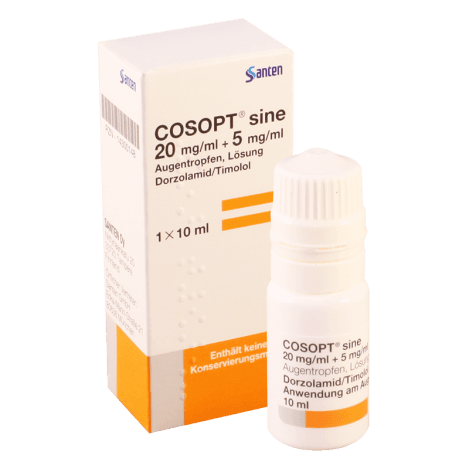
Cosopt
Buy Cosopt Eye Drops Online
Secure Encrypted Payments
Cosopt is an ophthalmic medicine used to lower elevated pressure inside the eye in people treated for open-angle glaucoma or ocular hypertension. You can buy Cosopt online, view the current Cosopt eye drops price, and choose the strength, form, and quantity that match your clinician’s directions. The product combines dorzolamide and timolol in one eye drop, so the active ingredients and preservative status should be checked carefully before checkout.
Cosopt eye drops are often chosen when a clinician wants two pressure-lowering medicines in a single bottle or preservative-free unit. BorderFreeHealth offers U.S. delivery from Canada for eligible medication orders, with order details reviewed when required for the medicine being supplied. Keep the clinic’s dosing schedule nearby so the product you choose aligns with the eye or eyes being treated.
Cosopt Price, Strength, and Form Choices
The Cosopt price depends on the form, total volume, quantity, and whether the product is brand Cosopt or a dorzolamide timolol generic. Multi-dose bottles, larger bottles, and preservative-free single-use units can carry different costs because the packaging and handling are not the same. When comparing the cost of Cosopt eye drops, focus on the total supply and the exact form rather than the bottle image alone.
The common Cosopt strength is dorzolamide 2% with timolol 0.5%. Some labels describe the same combination as dorzolamide hydrochloride 22.3 mg and timolol maleate 6.8 mg per mL, equivalent to dorzolamide 20 mg and timolol 5 mg. That is why people may see Cosopt 2 0.5, Cosopt 22.3 6.8, Cosopt ophthalmic solution, or dorzolamide timolol 2%/0.5% in medication information.
Quick tip: Match the active ingredients, strength line, form, and quantity before judging the product cost.
Brand and generic choices may be priced differently. A generic of Cosopt should show dorzolamide timolol on the label, but manufacturer, bottle size, preservative status, and package presentation can still vary. If your clinician specified brand Cosopt, a preservative-free format, or a particular quantity, follow that instruction instead of choosing by cost alone.
| What to check | Why it matters |
|---|---|
| Active ingredients | Cosopt contains dorzolamide and timolol together. |
| Strength | The usual combination is dorzolamide 2% and timolol 0.5%. |
| Form | Bottles and preservative-free units have different handling needs. |
| Total quantity | Volume and pack size affect refill planning. |
| Brand or generic | Substitution instructions may affect the right choice. |
How to Order Cosopt Online
Start by choosing Cosopt, Cosopt PF, or the dorzolamide timolol form your clinician requested. Review the quantity, total volume, and strength before checkout, especially if you use eye drops in both eyes. Small-volume products can look similar online, yet the days of supply may differ meaningfully.
For people using several glaucoma medicines, ordering accuracy matters as much as price. Keep a current medication list nearby, including eye drops, oral medicines, inhalers, and supplements. If you have questions about the order or product format, ask for clarification before starting a new bottle or changing your routine.
BorderFreeHealth can support US shipping from Canada, and prompt, express shipping may be available for appropriate orders. Refill planning still matters because glaucoma therapy is usually long term and eye pressure changes are often not felt day to day. Try to place refills before your current bottle or unit supply runs low.
What Cosopt Treats
Cosopt ophthalmic drops are used to reduce elevated intraocular pressure, which means pressure inside the eye. High eye pressure is a major treatable risk factor in open-angle glaucoma and ocular hypertension. Lowering pressure does not cure glaucoma, but it can be an important part of a long-term plan to help protect vision.
The medicine contains two active ingredients. Dorzolamide is a carbonic anhydrase inhibitor, a medicine class that reduces fluid production in the eye. Timolol is a beta blocker that also lowers aqueous humor, the clear fluid involved in maintaining eye pressure. Using both ingredients in one product can reduce the number of separate bottles for people who are appropriate candidates.
Cosopt is different from dorzolamide alone. Dorzolamide is a single-ingredient medicine, while Cosopt dorzolamide timolol contains both dorzolamide and timolol. This distinction is important when comparing a Cosopt generic, separate ingredient drops, or related glaucoma therapies in the Glaucoma collection.
Brand, Generic, and Preservative-Free Details
Generic Cosopt eye drops are commonly described by the active ingredients dorzolamide timolol. The cost of dorzolamide timolol may differ from brand Cosopt because manufacturers, package sizes, and formats vary. Country-specific naming and substitution practices can also differ, so the most practical step is to match the label wording to the clinician’s treatment plan.
Cosopt PF is the preservative-free version. Preservative-free single-use containers may be considered for people with preservative sensitivity, dry eye symptoms, or ocular surface concerns, but the choice should come from clinical direction. A focused discussion of handling and selection points is available in the Cosopt preservative-free guide.
Multi-dose bottles can be convenient for routine use, while single-use containers reduce preservative exposure and require different storage habits after opening. Do not assume a bottle and preservative-free units are interchangeable for ordering purposes. The form, active ingredients, and strength should all align.
How to Use the Eye Drops Safely
Use Cosopt exactly as directed by your clinician and the medication label. A commonly referenced regimen is one drop in the affected eye or eyes twice daily, but individual schedules may differ. Do not change frequency, stop therapy, or combine eye drops without professional guidance.
Good drop technique helps the medication reach the eye and reduces contamination risk. Wash your hands first. Avoid touching the dropper tip to the eye, eyelid, fingers, or any surface. After placing a drop, close the eyelid gently. Your clinician may suggest tear duct pressure, also called nasolacrimal occlusion, to reduce drainage into the nose.
- Separate different ophthalmic medicines as instructed.
- Remove soft contact lenses if the label directs.
- Do not double doses after a missed dose unless directed.
- Keep the dropper tip clean and capped.
- Bring all eye medicines to follow-up visits.
Why it matters: Careful technique can improve comfort, reduce waste, and help keep the bottle clean.
If your regimen includes more than one eye drop, ask the clinic for a written schedule. A simple chart can show which drop comes first, how long to wait between products, and which eye is treated. This is especially helpful when pressure-lowering therapy includes prostaglandin analogs, alpha agonists, or separate carbonic anhydrase inhibitor drops.
Storage, Handling, and Travel
Store Cosopt medication according to the package directions. Many ophthalmic solutions are kept at room temperature, away from excess heat, moisture, and direct light. Do not freeze eye drops. Keep the cap closed tightly when the bottle is not in use.
Preservative-free containers need extra attention. They are generally opened for one use and then discarded according to the label. Do not save leftover liquid from a single-use unit unless the official instructions specifically allow it. Keeping unopened units in the pouch until needed helps protect them.
For travel, keep the medicine in its original packaging with the label. Pack eye drops in carry-on luggage rather than leaving them in a hot vehicle or checked bag. If you cross time zones, keep the dosing schedule as close as practical to the plan your clinician provided.
Side Effects, Warnings, and Monitoring
Common Cosopt side effects can include temporary burning, stinging, blurred vision, tearing, eye redness, dry eye, eyelid irritation, headache, or a bitter taste after use. Many local effects are mild and short-lived. Report symptoms that are persistent, worsening, or disruptive enough to make regular use difficult.
Seek prompt medical help for trouble breathing, wheezing, fainting, severe dizziness, swelling of the face or throat, rash, eye pain, sudden vision changes, or signs of a severe allergic reaction. Timolol is a beta blocker, so effects on heart rate, blood pressure, and breathing can occur even though the medicine is placed in the eye.
Ophthalmic beta blockers are typically avoided in people with asthma, a history of bronchospasm, severe chronic obstructive pulmonary disease, sinus bradycardia, certain heart block, overt heart failure, or cardiogenic shock. Dorzolamide is a sulfonamide derivative, so sulfonamide hypersensitivity is also important. Kidney impairment, corneal disease, prior eye surgery, diabetes, and thyroid disorders may require closer monitoring.
Tell the clinician about all eye drops, oral medicines, inhalers, supplements, and over-the-counter products. Systemic beta blockers, calcium channel blockers, digoxin, certain antiarrhythmics, and other blood pressure medicines may increase cardiovascular effects when combined with ophthalmic timolol. CYP2D6 inhibitors may also affect timolol exposure.
Using another topical or oral carbonic anhydrase inhibitor with Cosopt can increase additive effects. This broader class includes oral agents such as Methazolamide 50 mg, which may be used in some glaucoma care plans. Monitoring usually includes eye pressure checks, optic nerve assessments, and visual field testing over time.
Weight gain is not usually highlighted as a common Cosopt side effect in standard product information. Still, report unexpected swelling, fatigue, shortness of breath, or rapid weight changes. Those symptoms can point to a heart or fluid-related concern that needs clinical review.
Related Eye Pressure Treatments
Cosopt may be compared with separate dorzolamide and timolol drops, prostaglandin analogs, alpha agonists, oral carbonic anhydrase inhibitors, or other combination medicines. The right comparison depends on target eye pressure, other health conditions, preservative sensitivity, comfort, and the number of daily administrations.
If a dorzolamide timolol generic is appropriate for your treatment plan, the Dorzolamide Timolol Ophthalmic Solution product can help you evaluate a related option. Some people also use prostaglandin analogs such as Travatan Z, either instead of or alongside other glaucoma medicines. Your clinician can explain why one approach fits your target pressure and medical history.
Condition-based browsing can help organize choices. The Ocular Hypertension collection focuses on medicines used when eye pressure is elevated without established glaucomatous damage. The broader Ophthalmology category groups eye-care products in one place, while the Combigan alternatives article explains another combination-drop comparison that may be useful during treatment discussions.
Questions to Ask Your Clinician
Before ordering, confirm the exact product name, strength, form, and schedule. Ask whether brand Cosopt, a dorzolamide timolol generic, or a preservative-free format is intended. Clarify whether both eyes are treated and how Cosopt should be spaced from other ophthalmic medicines.
- What target eye pressure range are we trying to reach?
- Is preservative-free therapy preferred for my eyes?
- Do my heart or lung conditions affect suitability?
- When can contact lenses be reinserted after a dose?
- How often should pressure and visual fields be monitored?
- How much supply should I keep between follow-up visits?
Bring your current medication list to appointments, including non-eye medicines. This helps identify beta blocker overlap, blood pressure concerns, or interactions that could affect tolerability. Mention any new wheezing, dizziness, fainting, eye pain, or vision changes since starting therapy.
Authoritative Sources
Official labeling details are available in the FDA-approved Cosopt prescribing information.
This content is for informational purposes only and is not a substitute for professional medical advice.
Express Shipping - from $29.99
Shipping with this method takes 3-5 days
Prices:
- Dry-Packed Products $29.99
- Cold-Packed Products $39.99
Shipping Countries:
- United States (all contiguous states**)
- Worldwide (excludes some countries***)
Standard Shipping - $19.99
Shipping with this method takes 5-10 days
Prices:
- Dry-Packed Products $19.99
- Not available for Cold-Packed products
Shipping Countries:
- United States (all contiguous states**)
- Worldwide (excludes some countries***)
What is Cosopt used for?
Cosopt is used to lower elevated intraocular pressure in certain people treated for open-angle glaucoma or ocular hypertension. It helps reduce eye pressure but does not cure glaucoma.
Is Cosopt the same as dorzolamide timolol?
Cosopt is the brand name for a combination of dorzolamide and timolol. A generic of Cosopt is usually labeled dorzolamide timolol, but form, manufacturer, quantity, and preservative status can differ.
What strength is Cosopt?
The common Cosopt strength is dorzolamide 2% and timolol 0.5%. Some labels also list dorzolamide hydrochloride 22.3 mg and timolol maleate 6.8 mg per mL, which explains the alternate strength wording.
What are common Cosopt side effects?
Common effects can include temporary burning, stinging, blurred vision, tearing, eye redness, dry eye, eyelid irritation, headache, or a bitter taste. Seek medical help for breathing trouble, fainting, severe dizziness, swelling, eye pain, or sudden vision changes.
How should Cosopt eye drops be stored?
Store Cosopt according to the package directions, usually away from excess heat, moisture, and direct light. Do not freeze eye drops, keep bottles capped, and discard single-use preservative-free containers as directed after opening.
Rewards Program
Earn points on birthdays, product orders, reviews, friend referrals, and more! Enjoy your medication at unparalleled discounts while reaping rewards for every step you take with us.
You can read more about rewards here.
POINT VALUE
How to earn points
- 1Create an account and start earning.
- 2Earn points every time you shop or perform certain actions.
- 3Redeem points for exclusive discounts.
You Might Also Like
Select options
This product has multiple variants. The options may be chosen on the product page
Select options
This product has multiple variants. The options may be chosen on the product page
Select options
This product has multiple variants. The options may be chosen on the product page
Select options
This product has multiple variants. The options may be chosen on the product page