
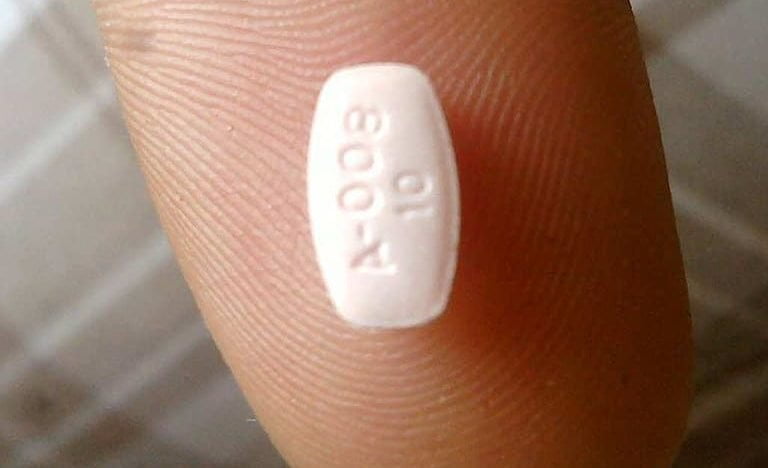
Abilify can affect sexual function, but the direction is not the same for everyone. Some people notice lower desire, erection or lubrication problems, delayed orgasm, or less pleasure. Others report increased libido or urges that feel unusual. If you are searching for abilify side effects sexually, the key point is this: changes are possible, often multifactorial, and worth discussing early rather than silently tolerating them.
Aripiprazole is used for several mental health conditions, and symptom control matters. Sexual well-being matters too. A balanced plan looks at the medication, the condition being treated, other medicines, sleep, hormones, relationships, and safety signals.
Key Takeaways
- Sexual effects vary: desire, arousal, erection, lubrication, orgasm, or urges may change.
- Both lower and higher libido can occur, though severe impulse-control symptoms are uncommon.
- Other causes matter: depression, anxiety, SSRIs, sleep problems, alcohol, hormones, and vascular health can contribute.
- Do not stop suddenly: abrupt changes can worsen symptoms or cause withdrawal-like effects.
- Track patterns: a short symptom log helps your prescriber adjust the plan safely.
How Aripiprazole Can Affect Sexual Function
Aripiprazole can influence sexual function because it acts on dopamine and serotonin pathways. Dopamine helps regulate motivation, reward, movement, and sexual drive. Serotonin affects mood, anxiety, arousal, and orgasm. Because aripiprazole is a dopamine D2 partial agonist, it can behave differently from many older antipsychotics.
Why this matters: sexual changes may come from the medicine, the condition being treated, or both. Depression can lower libido. Mania or mixed mood states can increase risk-taking. Anxiety can interfere with arousal and orgasm. Psychosis, trauma, relationship stress, and body image can also shape sexual response.
Some people experience sexual improvement after starting aripiprazole, especially if mood, intrusive thoughts, or prolactin-related effects from another medicine improve. Others experience new problems. For a broader orientation to indications and treatment context, see What Is Abilify Used For.
Clinicians often consider the whole medication list. Selective serotonin reuptake inhibitors, serotonin-norepinephrine reuptake inhibitors, some blood pressure medicines, sedatives, opioids, alcohol, and recreational substances can affect sexual function. So can medical issues such as diabetes, thyroid disease, pelvic pain, menopause, low testosterone, cardiovascular disease, and sleep apnea.
Abilify Side Effects Sexually: Common Patterns to Watch
Abilify side effects sexually can show up as changes in desire, arousal, performance, orgasm, or sexual decision-making. These categories overlap. For example, poor sleep can lower desire and also make erection quality or lubrication worse.
Low libido is one common concern. You may notice fewer sexual thoughts, less interest in initiating sex, or reduced response to touch. Some people also describe emotional blunting, fatigue, or restlessness that makes intimacy feel harder. These experiences can be distressing, even when the medication helps mood or psychosis symptoms.
Arousal changes may include erectile difficulty, reduced genital sensation, less lubrication, or difficulty staying engaged. Orgasm changes may include delayed orgasm, weaker orgasm, or trouble reaching orgasm. These symptoms are not always caused by aripiprazole alone, so a careful review helps avoid the wrong conclusion.
Increased libido can also happen. The important distinction is whether the change feels welcome, manageable, and consistent with your values. A rise in sexual interest is different from compulsive urges, risky choices, or behavior that feels out of character.
Quick tip: Note what changed, when it started, and whether it affects desire, arousal, orgasm, comfort, or urges.
Hypersexuality and Impulse-Control Warning Signs
Hypersexuality with aripiprazole appears uncommon, but it is important because it can harm relationships, finances, safety, and mental health. Reports have described compulsive gambling, shopping, eating, and sexual urges in some people taking aripiprazole. These behaviors may improve after the prescriber changes the plan, but medication changes should not be made without medical guidance.
Watch for a sudden increase in sexual thoughts, pornography use, dating-app use, spending, secrecy, risky encounters, or distressing urges. The concern is stronger when the behavior feels new, hard to control, or inconsistent with your usual choices. Loved ones may notice changes before the person taking the medicine does.
Several factors can complicate the picture. Bipolar mood elevation can increase sexual risk-taking. Substance use can lower inhibition. Prior impulse-control problems may increase vulnerability. Higher stress, poor sleep, and medication interactions can also make behavior harder to judge.
If sexual urges feel urgent, risky, or out of character, contact your prescriber promptly. If there is immediate danger, coercion, severe mania, psychosis, suicidal thoughts, or unsafe behavior, seek urgent care or emergency help.
Differences by Sex, Hormones, and Life Stage
Sexual side effects can look different across bodies and life stages. In females, aripiprazole side effects may involve libido, arousal, lubrication, orgasm, menstrual patterns, or pelvic comfort. Estrogen changes during postpartum recovery, perimenopause, and menopause can also affect desire and pain with sex.
Vaginal dryness or painful intercourse may not be a medication side effect. It can reflect genitourinary syndrome of menopause, pelvic floor tension, infections, dermatologic conditions, or trauma-related pain. If discomfort appears, a clinician can help separate medication effects from gynecologic or pelvic causes. You can also browse related education through the Sexual Health category.
In males, sexual changes may involve erections, ejaculation timing, orgasm intensity, desire, or confidence. Aripiprazole erectile dysfunction is reported by some people, but it can also stem from depression, anxiety, nicotine, alcohol, cardiovascular disease, diabetes, low testosterone, or sleep apnea. Morning erections, medication timing, and changes in mood can provide useful clues.
Hormones deserve careful handling. Searches about Abilify and testosterone are common, but sexual symptoms do not automatically mean testosterone is low. A clinician may consider testing when symptoms, age, medical history, and exam findings support it. Testing without context can lead to confusing results and unnecessary treatment.
First Week, Long-Term Use, and Timing Questions
Early side effects can indirectly affect sex because the body is adjusting. In the first week, some people notice restlessness, insomnia, nausea, sleepiness, headache, or appetite changes. Restlessness, also called akathisia (an inner sense of agitation), can make intimacy difficult and should be reported if it feels severe.
People often ask how long until side effects go away. The answer varies. Some early effects ease as the body adapts, while others persist or appear later. Dose, other medicines, caffeine, alcohol, sleep quality, and the condition being treated all matter. Avoid setting a private deadline without involving your prescriber, especially if symptoms are intense.
Long-term sexual changes deserve the same attention as early ones. Weight change, metabolic health, relationship stress, body image, and emotional flattening can affect intimacy over time. For a broader review of tolerability and monitoring topics, see Abilify Side Effects Explained.
Morning or Evening Dosing
Some people take aripiprazole in the morning because it feels activating. Others take it later because it feels sedating. The better timing depends on your response and your prescriber’s instructions. If insomnia, daytime sleepiness, or sexual timing is a concern, ask whether a consistent timing change is reasonable.
Do not switch back and forth frequently. Consistency helps you interpret changes. Track dose time, sleep, libido, arousal, orgasm, restlessness, and mood for one to two weeks after any prescriber-approved timing change.
Medication Interactions and Sexual Health Supports
Medication interactions can affect both sexual function and safety. Aripiprazole is processed through liver enzyme pathways that some medicines can inhibit or induce. This may change aripiprazole exposure. Other drugs can increase sedation, dizziness, movement symptoms, or sexual dysfunction. Ask your clinician or pharmacist to review prescription medicines, over-the-counter products, supplements, alcohol, and cannabis.
People also ask about Abilify and Viagra or Abilify and Cialis. Erectile dysfunction medicines may be appropriate for some people, but they are not safe for everyone. Heart disease, chest pain medicines such as nitrates, blood pressure concerns, and other health factors require clinician review. Sexual aids, lubricants, pelvic floor therapy, couples therapy, and anxiety treatment may also help, depending on the cause.
Post-SSRI sexual dysfunction, often shortened to PSSD, can complicate the picture. Some people notice persistent sexual symptoms after antidepressant exposure. Others develop symptoms while taking antidepressants along with aripiprazole. Because causes can overlap, a medication timeline is more useful than guessing from one symptom.
If you are comparing mental health medicines or trying to understand where aripiprazole fits, the Mental Health category can help you find related education. If you need medication-specific context, What Is Abilify gives a plain-language overview.
What to Discuss With Your Prescriber
A focused conversation works better than a vague report of “sexual problems.” Describe the symptom, timing, severity, and impact. Mention whether the change affects desire, arousal, erection, lubrication, orgasm, pain, or urges. Include mood changes, sleep changes, restlessness, and new risk-taking.
- Symptom start: note the date and whether it followed a dose or medication change.
- Pattern details: track morning, evening, partner-related, and solo sexual response.
- Other medicines: include antidepressants, sedatives, blood pressure drugs, supplements, and substances.
- Safety signals: report compulsive urges, risky sex, severe restlessness, mania, or suicidal thoughts.
- Personal goals: explain whether your priority is desire, comfort, erection quality, orgasm, or impulse control.
- Medical factors: ask about sleep apnea, diabetes, thyroid disease, hormones, or pelvic pain when relevant.
Your prescriber may consider several options. These can include waiting with monitoring, addressing sleep or anxiety, adjusting timing, changing another medicine, evaluating medical causes, or changing the regimen. The right choice depends on why aripiprazole was prescribed and how well it is working.
Do not stop aripiprazole suddenly unless a clinician tells you to do so. Abrupt stopping can lead to symptom return or withdrawal-like effects for some people. If discontinuation is being considered, the plan should be individualized. For general education about stopping-related concerns, see Abilify Withdrawal Strategies.
Some readers arrive after searching phrases such as “Abilify ruined my life” or browsing Reddit threads about sexual side effects. Those stories can validate distress, but they cannot predict your outcome. Bring your concerns to a clinician who can review your diagnosis, dose, timeline, and alternatives.
Where Access and Product Information Fit
This article is educational and cannot determine whether aripiprazole is right for you. If you are reviewing medication names with your clinician, product pages can help you identify brand and generic terms. BorderFreeHealth connects U.S. patients with licensed Canadian partner pharmacies, and prescription details are verified with the prescriber when required before pharmacy dispensing.
For medication-name context only, you can review Abilify and Aripiprazole. Keep any access questions separate from clinical decisions about side effects, dose changes, or stopping treatment.
Authoritative Sources
For official prescribing details, adverse reactions, warnings, and interaction information, review the FDA prescribing information for aripiprazole.
For a clinical summary of aripiprazole pharmacology and monitoring considerations, see the StatPearls aripiprazole monograph.
For published case-based discussion of hypersexuality reports, see this peer-reviewed case report in PMC.
Recap and Next Steps
Abilify side effects sexually are real for some people, but they are not uniform. The same medication may reduce sexual function, improve it indirectly, or rarely contribute to compulsive sexual urges. The safest next step is a clear symptom timeline and an honest prescriber discussion.
Bring notes on sleep, mood, dose timing, sexual symptoms, other medicines, and any urge-driven behavior. That record helps your care team weigh benefits, risks, and alternatives without guessing.
This content is for informational purposes only and is not a substitute for professional medical advice.


