
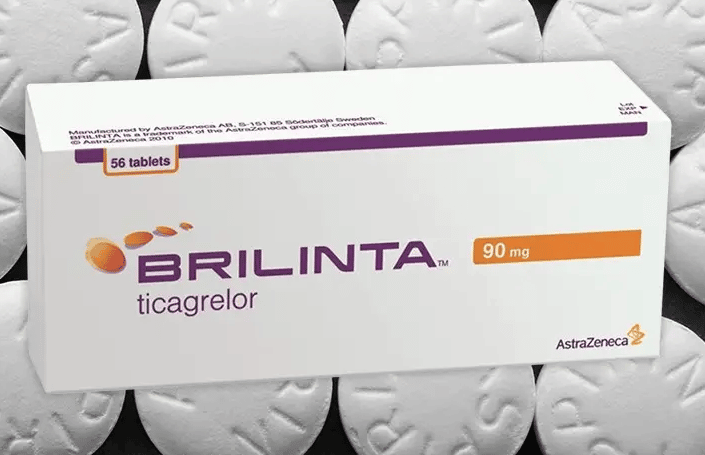
Brilinta and Plavix both lower the chance of harmful blood clots, but they are not identical and they are not the best fit for every person. In plain language, Brilinta vs Plavix is a comparison between two antiplatelet medicines used after a heart attack, acute coronary syndrome, or coronary stent placement. The main differences involve how they block platelets, how often they are taken, how predictable their effect may be, and which side effects matter most.
Why this matters is simple: small differences can affect safety and daily life. A once-daily schedule may be easier to follow. Shortness of breath can make one option hard to tolerate. And if a stent is involved, stopping or switching medication without a plan can be risky.
Key Takeaways
- Both drugs are P2Y12 antiplatelets that help prevent clot formation.
- Ticagrelor works directly, while clopidogrel needs liver activation.
- Brilinta is commonly taken twice daily; Plavix is usually once daily.
- Both can cause bleeding, but Brilinta is more often linked with shortness of breath.
- The best choice depends on the heart condition, bleeding risk, other medicines, and how manageable the routine is.
Brilinta vs Plavix at a Glance
At a high level, both medicines reduce platelet clumping. Platelets are the blood cells that start a clot. That is why both drugs are often called blood thinners in everyday language, even though they are more precisely antiplatelet drugs rather than anticoagulants.
The comparison usually comes up after acute coronary syndrome, often shortened to ACS, or after PCI (angioplasty with stent placement). In many of those settings, one of these drugs is used with aspirin as dual antiplatelet therapy. The right choice depends on the reason for treatment, bleeding risk, and how well the plan fits real life.
| Comparison point | Brilinta | Plavix |
|---|---|---|
| Active drug | Ticagrelor | Clopidogrel |
| Drug class | P2Y12 antiplatelet | P2Y12 antiplatelet |
| How it starts working | Acts directly | Needs liver activation |
| How it binds platelets | Reversible blockade | Irreversible blockade |
| Typical schedule | Commonly twice daily | Usually once daily |
| Common discussion point | Shortness of breath may occur | Response may vary more between people |
| Shared concern | Bleeding | Bleeding |
Another point people often miss is what these drugs do not do. They do not dissolve an existing clot or replace emergency care. Instead, they lower future platelet clumping. That is why they are usually one part of a broader heart-care plan that may also include aspirin, cholesterol treatment, blood pressure control, smoking cessation, and follow-up visits.
Why it matters: A medicine only works well when the clinical fit and the daily routine both make sense.
BorderFreeHealth works with licensed Canadian partner pharmacies.
How the Mechanism Changes Real-World Use
Both drugs block the P2Y12 receptor, a platelet activation signal that helps platelets stick together. Blocking that signal lowers the chance of clots forming in narrowed heart arteries or on a stent. The difference is how each drug reaches that effect.
Direct action with ticagrelor
Ticagrelor, the drug in Brilinta, works directly and does not need to be turned on by the liver first. It also binds reversibly, which means its platelet-blocking effect is not permanent on each platelet. In practice, this direct action is one reason clinicians may consider it in higher-risk settings.
Activation required with clopidogrel
Clopidogrel, the drug in Plavix, is a prodrug. The liver has to convert it into an active form before it can fully block the receptor. Once activated, it binds platelets irreversibly for the life of those platelets. Because that extra step matters, response can be less predictable in some people, and other medicines or genetic factors may affect how well it works.
This is one of the clearest differences in Brilinta vs Plavix: one acts more directly, while the other depends more on metabolism. It is also why medication reviews matter. Surgeons, dentists, and heart specialists usually want the exact drug name before any procedure because the timing of holds or changes is not the same for every antiplatelet medicine.
Where Each Option May Fit Better
Neither drug is universally better. The better choice is the one that matches the current heart problem, the clotting risk, the bleeding profile, and the person's ability to stay on treatment as directed.
After a recent heart attack or certain stent-related situations, clinicians may lean toward ticagrelor when they want direct platelet inhibition. Clopidogrel remains very common after PCI and in many longer-term plans, especially when once-daily dosing, drug tolerance, interaction concerns, or access issues matter. That is one reason the answer to whether Plavix is as good as Brilinta is often: it depends on the situation being treated.
Both drugs are often paired with aspirin for a period of time. The length of treatment varies. It may depend on why therapy was started, how recent the event was, what type of stent was placed, and whether bleeding has become a concern. A person in the first weeks after a heart event may have a different risk balance than someone who is years past it.
Real-world factors matter too. A twice-daily medicine can be perfectly manageable for some people and hard for others. Missing doses after a recent stent can be serious. In Brilinta vs Plavix decisions, convenience is not a minor detail. It can directly affect adherence and therefore safety.
There is also a language issue worth clearing up. People often say stronger, safer, or better as if there is one winner. In practice, those words hide the real question: which option makes the most sense for this person, at this point in care, with this level of clotting risk and bleeding risk?
Safety and Side Effects That Can Change the Conversation
The biggest shared risk is bleeding. That can mean easy bruising and longer bleeding from cuts, but it can also mean more serious bleeding in the stomach, intestines, or brain. Older age, kidney problems, prior ulcers, other blood thinners, and some pain medicines can all make the risk picture more complicated.
Bleeding is the main tradeoff
When clinicians weigh clot protection against bleeding risk, they are balancing two real dangers. Too little platelet inhibition may raise the chance of a clot. Too much can increase bleeding. This is why a person who has just had a heart event may be managed differently from someone who is years out from it.
Other medicines matter here too. Nonsteroidal anti-inflammatory drugs, some antidepressants, and other drugs that affect clotting can increase bleeding risk or change the overall safety picture. Even over-the-counter products and supplements can matter, which is why a full medication list is more useful than trying to remember only prescription names.
Shortness of breath deserves attention
Brilinta is more often associated with dyspnea (shortness of breath). Some people describe it as an air-hunger feeling or the sense that they cannot take a satisfying breath. It may be mild and brief, or it may be bothersome enough to prompt a medication review. Because shortness of breath can also signal a heart or lung problem, new symptoms should be checked rather than assumed to be harmless.
Clopidogrel is less tied to this symptom, but it is not side-effect free. It still needs a careful review of bleeding, drug interactions, and whether it is the right choice for the current stage of care. Stopping either drug on your own after a recent stent can be dangerous, so side effects should lead to a call for guidance rather than a self-directed stop.
Urgent warning signs should not wait for a routine message.
- Vomiting blood or coffee-ground material.
- Black, tarry, or bloody stools.
- Bleeding that does not stop.
- A fall or head injury while taking the drug.
- Sudden weakness, trouble speaking, or severe chest pain.
When required, the pharmacy confirms prescription details with the original prescriber.
Switching, Taking Both, and Long-Term Use
Switching from one medicine to the other can happen, but it should be planned. Common reasons include side effects, bleeding concerns, difficulty with a twice-daily schedule, insurance or formulary changes, interaction concerns, or a shift in risk after the first months following a heart event.
Someone may move from clopidogrel to ticagrelor when a more direct or potentially more consistent antiplatelet effect is desired. Someone may move from ticagrelor to clopidogrel because of shortness of breath, bleeding, or because a once-daily routine is easier to maintain. The Brilinta vs Plavix choice can also change over time as the reason for therapy becomes less acute.
These transitions are not simple swaps you should make from a search result or an old bottle. Timing matters. Any gap, overlap, or incorrect restart can affect both clotting and bleeding risk. If a medication list changes after a hospital stay, discharge summary, or specialist visit, it is worth confirming exactly what should continue and what should stop.
Taking Brilinta and Plavix together is not standard practice. They work on the same platelet pathway, so using both without a very specific medical plan can raise bleeding risk. If both names appear on a medication list, it is worth confirming that the list is current and intentional.
Can a person stay on clopidogrel long term? Sometimes, yes. Long-term clopidogrel use may be appropriate in selected cases, but the duration depends on why it was prescribed, whether a stent was placed, how much time has passed, and how bleeding risk has changed.
Practical Questions to Bring to a Visit
If the comparison still feels abstract, bring it back to your own timeline. The most useful questions are not about which brand sounds stronger. They are about why you were started on an antiplatelet drug, what problem it is protecting against today, and what side effects or routines may make the plan harder to follow.
- Why was this drug chosen for me now?
- Am I still in the highest-risk period after a stent or heart event?
- Would once-daily or twice-daily dosing affect adherence?
- What bleeding signs should trigger a call right away?
- Could any of my other medicines interfere?
- If shortness of breath appears, what should be checked?
- Is this plan being reassessed at future visits?
Quick tip: Bring your full medication list and the date of any stent procedure to each visit.
Access questions can matter too. Generic clopidogrel may shape one conversation, while cash-pay or cross-border options may matter in another. If you want broader heart-health reading, browse our Cardiovascular Articles. If you are comparing related prescription categories on the site, the Cardiovascular Product Hub is a browsing page, not a treatment recommendation.
It also helps to ask who is coordinating the plan. Hospital teams, cardiologists, primary care clinicians, dentists, and surgeons may all need the same medication list. That shared list can prevent duplicate therapy, outdated instructions, or confusion about whether aspirin should still be part of the plan.
Cross-border cash-pay access depends on eligibility and local jurisdiction.
Authoritative Sources
For readers who want label-backed or medical-reference context, these sources can help:
- Official consumer drug information is available at MedlinePlus on ticagrelor.
- Comparable drug details are summarized at MedlinePlus on clopidogrel.
- Published comparison data after PCI can be reviewed in this PubMed Central article.
Brilinta and Plavix target the same clotting pathway, but the practical differences are real. Direct action, dosing schedule, shortness of breath, bleeding history, and the reason for treatment all shape which option fits better. Further reading and a careful medication review can clarify why one plan may make more sense than another.
This content is for informational purposes only and is not a substitute for professional medical advice.


