
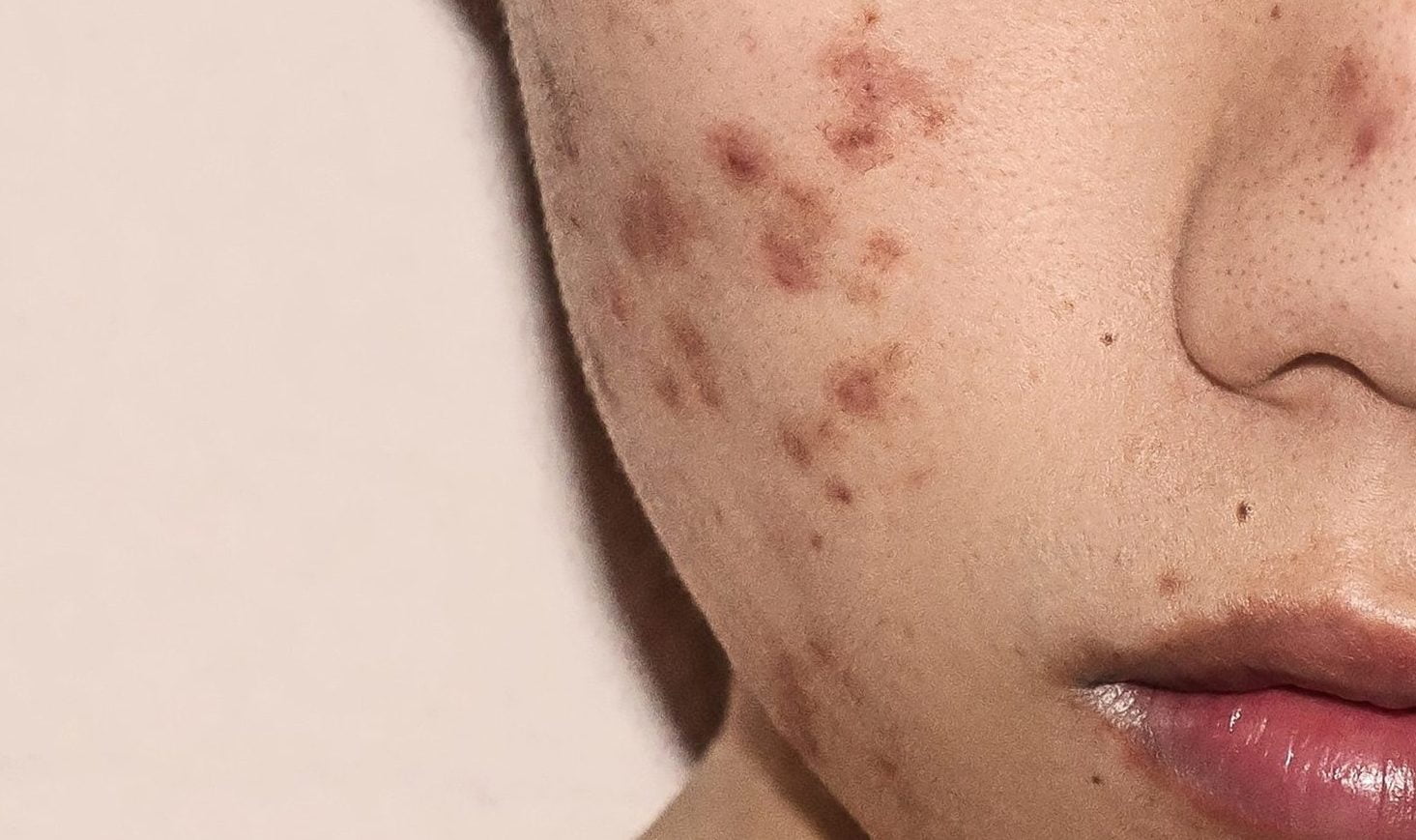
What is acne? Acne is a common inflammatory skin condition that happens when hair follicles become clogged with oil, dead skin cells, and sometimes bacteria. It can cause blackheads, whiteheads, red bumps, pus-filled spots, or deeper painful lumps. Acne is not a hygiene failure, and it is not always something you can simply “wash away.” Understanding the cause matters because the right plan depends on the type of lesions, your triggers, your age, and your risk of scarring.
Key Takeaways
- Clogged follicles start it: Oil and dead cells block pores.
- Types matter: Blackheads, cysts, and pustules need different approaches.
- Gentle care helps: Harsh scrubs often worsen irritation.
- Triggers vary: Hormones, friction, products, stress, and diet may contribute.
- Escalate early: Deep, painful acne can scar without treatment.
What Is Acne Vulgaris, and Is It the Same as Pimples?
Acne vulgaris is the medical name for the most common form of acne. It affects the pilosebaceous unit, which means the hair follicle and its nearby oil gland. A pimple is one visible acne lesion, but acne can include several lesion types at once.
Here is the basic process. Sebaceous glands make sebum, an oily substance that helps protect skin. Skin cells normally shed and clear from the follicle. When oil and sticky cells build up, the follicle can plug. This plug may stay small as a comedone, or it may become inflamed and swollen.
Cutibacterium acnes, a common skin bacterium, can also play a role. It does not mean your skin is dirty. Instead, blocked follicles create an environment where immune activity and inflammation can increase. That is why some spots stay flat, while others become tender, red, or filled with pus.
Acne most often appears on the face, chest, shoulders, and back because these areas have more oil glands. Teenagers often develop acne during puberty, but adults can also have persistent or new breakouts. Adult acne may cluster around the jawline, chin, or lower cheeks, especially when hormones are involved.
Why it matters: Treating acne well starts with identifying which lesion type is most active.
What Acne Looks Like: Common Lesion Types
Acne can look different from person to person. Some people have mostly clogged pores. Others have inflamed bumps, deeper nodules, or a mix of several types. Recognizing the pattern helps you choose safer next steps and know when to seek care.
Non-Inflamed Lesions
Blackheads are open comedones. They look dark because the material in the pore is exposed to air, not because dirt is trapped in the skin. Whiteheads are closed comedones. They often look like small flesh-colored or white bumps under the surface.
Comedonal acne may feel bumpy more than sore. It often responds to routines that reduce clogged pores over time, such as gentle cleansing and ingredients that support skin-cell turnover. Picking or squeezing can turn a quiet clogged pore into an inflamed lesion.
Inflamed Lesions
Papules are small, red, inflamed bumps. Pustules are similar but contain visible pus. These are the spots many people call pimples. They can be tender, and they may leave temporary pink, red, brown, or purple marks after healing.
Nodules are deeper, firm, painful lumps. Cysts are deeper lesions that may feel softer or fluid-filled. Nodular or cystic acne has a higher risk of scarring. If you develop these lesions often, it is reasonable to ask a clinician about prescription options rather than relying only on home care.
Severity Clues
Mild acne usually involves mostly whiteheads and blackheads with a few inflamed spots. Moderate acne often includes more papules and pustules. Severe acne may include nodules, cysts, widespread inflammation, or early scarring.
Severity is not only about the number of spots. Pain, location, skin tone changes, emotional strain, and scarring risk all matter. If acne affects confidence or daily life, that is a valid reason to seek support.
What Causes Acne and Why Breakouts Flare
What causes acne is usually a combination of factors rather than one single trigger. The main drivers include excess oil, clogged follicles, bacteria, inflammation, hormones, and genetics. Daily exposures can then push acne-prone skin toward a flare.
Hormones can increase oil production, especially during puberty, menstrual cycles, pregnancy, or some medical conditions. Androgens, a group of hormones present in all sexes, can make oil glands more active. In some adults, jawline or chin flares may follow a hormonal pattern.
Genetics also matters. If close relatives had acne, your follicles may be more likely to clog or become inflamed. This does not mean acne is inevitable, but it can explain why two people with similar routines have different skin.
Products can contribute when they clog pores or irritate the skin barrier. Heavy oils, waxy hair products, fragranced skincare, and some makeup may worsen breakouts in acne-prone areas. Look for labels such as noncomedogenic, oil-free, or acne-prone skin, while remembering that no label guarantees a perfect match.
Friction and heat can trigger acne mechanica, a form linked to rubbing, pressure, sweat, and occlusion. Masks, helmets, chin straps, tight collars, backpacks, and athletic gear can all contribute. This is common on the face, back, shoulders, and chest.
Some medications and health conditions may worsen breakouts. Examples can include certain corticosteroids, lithium, or hormone-related conditions. If acne appears suddenly, becomes severe, or comes with irregular periods, excess facial hair, or hair thinning, discuss the pattern with a clinician.
Daily Prevention That Protects the Skin Barrier
How to prevent acne starts with a routine you can repeat without irritating your skin. More cleansing is not always better. Over-washing, abrasive scrubs, and harsh toners can damage the skin barrier and make redness or stinging worse.
Use a mild cleanser once or twice daily. Rinse with lukewarm water and pat dry. Add a noncomedogenic moisturizer if your skin feels tight, dry, or flaky. Use sunscreen during the day, especially if you are using products that can increase sun sensitivity or if post-inflammatory marks linger.
Introduce active ingredients slowly. Benzoyl peroxide may help reduce acne-related bacteria and inflammation. Salicylic acid can help loosen clogged pores. Adapalene or other topical retinoids can support cell turnover and reduce comedones over time. These products can irritate if layered too quickly.
Quick tip: Add one new product at a time, then watch your skin for irritation.
Reduce friction when possible. Remove sweaty clothing after workouts, clean helmet padding, wash reusable masks, and avoid tight straps over active breakouts. For body acne, breathable fabrics and prompt rinsing after heavy sweating may help.
Keep hands away from lesions when you can. Popping may feel like a quick fix, but it can push inflammation deeper and increase the chance of discoloration or scarring. Hydrocolloid patches can protect a spot from picking and may absorb surface fluid.
If dark marks or uneven tone remain after acne clears, camouflage and pigment-focused strategies may help while skin heals. For practical coverage options, see Cosmetic Camouflage.
Treatment Options: Home Care, Prescriptions, and Procedures
Acne treatment usually works best when it targets the main drivers: clogged pores, oil, bacteria, and inflammation. Mild acne may improve with consistent over-the-counter care. Moderate or severe acne often needs prescription support, especially if lesions are painful or leaving marks.
At home, benzoyl peroxide, salicylic acid, azelaic acid, and non-prescription retinoids are common options. Start conservatively because irritation can look like worsening acne. If burning, swelling, or intense peeling occurs, stop the irritating product and seek guidance.
Prescription topical retinoids may be used when clogged pores are persistent. They are often applied as part of a broader plan, and they can take patience. To learn how a topical tretinoin product fits into acne care, you can review Retino-A Micro Gel as a product-specific reference.
Azelaic acid may be considered for acne-prone skin and post-inflammatory discoloration in some care plans. For a product example, see Finacea 15% Azelaic Acid Gel. Product pages can help you understand forms and general considerations, but they do not replace individual medical advice.
Antibiotics may be used for inflammatory acne in selected cases. Clinicians often limit duration and combine them with other therapies to reduce antibiotic resistance concerns. For a deeper discussion of this option, see Doxycycline Hyclate Acne.
Hormonal therapies may help some people, especially when flares follow menstrual cycles or appear in a lower-face pattern. Topical antiandrogen therapy is another option a clinician may discuss. For product context, see Winlevi.
Severe acne may require stronger prescription medicines or procedures. Oral isotretinoin can be effective for some severe cases, but it requires careful monitoring and strict pregnancy-prevention safeguards because of serious fetal risk. Dermatology procedures, such as injections for select painful lesions, chemical peels, lasers, or light-based treatments, may be considered depending on the situation.
BorderFreeHealth connects U.S. patients with licensed Canadian partner pharmacies for eligible prescription options. When prescriptions are required, pharmacy partners verify details with prescribers before dispensing. This access context can be useful for adults comparing care pathways, but treatment decisions should stay with your licensed clinician.
Can You Remove Pimples Naturally and Permanently?
No natural method can permanently remove acne for everyone. Acne is influenced by biology, hormones, genetics, and environment, so flares can return even with good habits. Still, skin-friendly routines and trigger management can reduce irritation and support long-term control.
Focus on basics that protect the barrier. Cleanse gently, moisturize when needed, use sunscreen, avoid picking, and remove sweat or pore-clogging residue after workouts. Change pillowcases regularly if hair products or face products transfer onto fabric. Keep phones, hats, and mask liners clean.
Be cautious with “natural” spot treatments. Lemon juice, toothpaste, baking soda, and undiluted essential oils can irritate or burn skin. Irritation may worsen inflammation and leave longer-lasting marks, especially in deeper skin tones.
Diet can play a role for some people, but it is not the same for everyone. Some people notice flares with high-glycemic eating patterns or certain dairy products. Others see no clear link. If you suspect food triggers, keep a simple two-to-four-week journal instead of cutting out whole food groups without support.
Stress does not directly mean you caused acne. It may, however, worsen inflammation, sleep, picking habits, or routine consistency. Practical stress support, sleep regularity, and exercise can help overall health and may make acne care easier to sustain.
Marks, Scars, and When to Get Medical Help
Acne can leave temporary color changes or permanent texture changes. Post-inflammatory hyperpigmentation means darker marks after inflammation. Post-inflammatory erythema means pink or red marks. These marks often fade gradually, but sun exposure can make them last longer.
Scars are different. They change the texture of the skin and may appear as shallow dents, deeper pits, raised areas, or uneven contours. Preventing new inflamed lesions is often the first step before scar-focused procedures. For scar-focused options and timing, see What Helps With Acne Scars.
Seek medical care sooner if acne is deep, painful, widespread, or leaving scars. Also ask for help if acne starts suddenly in adulthood, worsens quickly, or appears with other symptoms such as irregular periods, increased facial hair, or unexplained hair thinning. These patterns may point to hormone-related conditions or medication effects.
Urgent care is not usually needed for routine acne. However, get prompt medical help for severe skin pain, spreading redness, fever, facial swelling, or signs of infection. Also seek timely care if acne or scarring is affecting mood, social life, or self-esteem.
Authoritative Sources
For a patient-friendly medical overview, the National Institute of Arthritis and Musculoskeletal and Skin Diseases explains acne types, causes, and risk factors.
For symptoms and when acne may need care, Mayo Clinic provides a clinical summary of acne.
For dermatology-focused education, the American Academy of Dermatology offers acne information and skin care guidance.
Practical Next Steps
If you are still asking what is acne because your skin keeps changing, start with observation. Note lesion types, locations, cycle timing, product changes, workouts, and friction points. These details can make your next skincare change safer and more targeted.
Choose one main goal at a time. If clogged pores dominate, focus on comedone-friendly care. If red bumps and pustules dominate, inflammation may need more attention. If nodules or cysts appear, do not wait months before asking about medical options.
You can also browse broader skin-care and prescription categories through Dermatology Articles or the Dermatology Product Category when you want to understand related options. Keep the process steady and kind to your skin. Acne is common, treatable, and worth taking seriously.
This content is for informational purposes only and is not a substitute for professional medical advice.


