

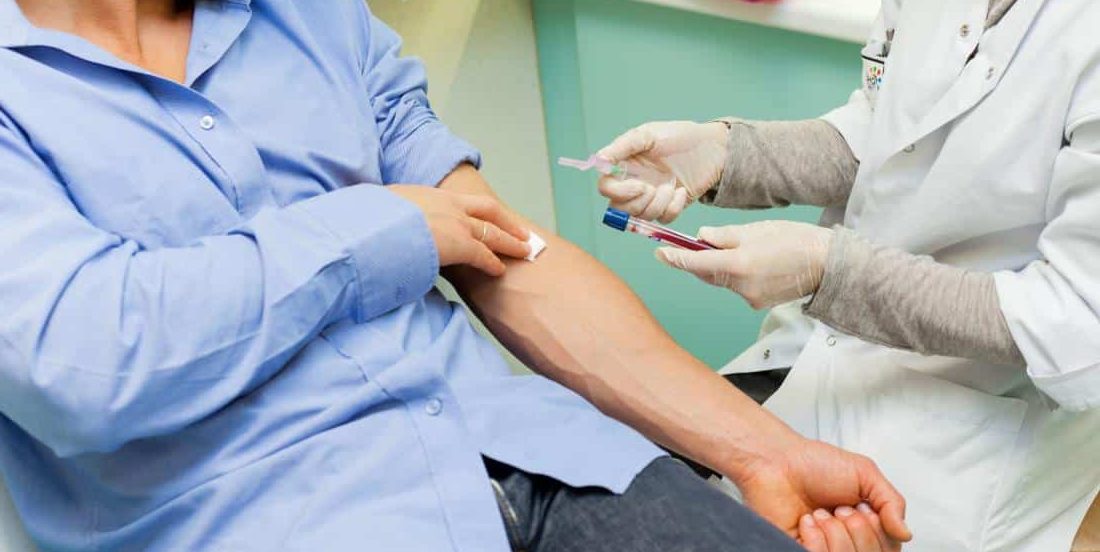
HIV viral load is the amount of HIV genetic material measured in a blood sample, usually reported as copies/mL. It helps show whether treatment is controlling the virus, whether a result needs follow-up, and how transmission risk changes when suppression is durable. A lower number generally means less active virus in the blood, but trends over time matter more than one isolated result.
Key Takeaways
- Viral load measures HIV RNA in blood.
- Results are usually reported as copies/mL.
- Undetectable often means below 200 copies/mL for sexual transmission prevention.
- Small “blips” can happen and usually need repeat testing.
- CD4 count and viral load answer different health questions.
What HIV Viral Load Tells You
HIV viral load tells you how much virus is circulating in the blood at the time of testing. The test looks for HIV-1 RNA, which is the virus’s genetic material. Your report may list the test name as HIV-1 RNA, HIV-1 PCR, or HIV viral load test.
Clinicians use the number to see whether antiretroviral therapy (ART) is working. After starting or changing treatment, the goal is usually a strong downward trend and then sustained suppression. Once results stay suppressed, testing may become less frequent, depending on your care plan and overall health.
This number does not tell the whole story alone. Your care team also looks at CD4 count, symptoms, other infections, medication history, and possible resistance. If you want broader context on HIV progression terms, our page on HIV vs AIDS explains how HIV infection and AIDS are different clinical concepts.
Why it matters: A clear trend helps you and your clinician act before problems become harder to manage.
How to Read Viral Load Test Results
To read viral load test results, start with the date, the value, the unit, and the test’s lower limit. Most reports use copies/mL. Some laboratories can detect very low levels, while others report results as “not detected,” “below the limit of detection,” or “below the limit of quantification.”
A result such as 40 copies/mL may be reported as detectable by one assay but still very low. Another report may say less than 50 copies/mL or less than 20 copies/mL. These differences reflect test design, not necessarily a meaningful change in your health. When possible, compare results from the same lab and assay.
People often search for a “normal range,” but HIV does not have a normal viral load in the way cholesterol or sodium does. For someone living with HIV, the usual treatment goal is viral suppression. Public health guidance commonly uses below 200 copies/mL as the threshold for being virally suppressed for sexual transmission prevention.
| Result Pattern | Common Report Wording | How Clinicians May Interpret It |
|---|---|---|
| Not detected or very low | Not detected, below 20, below 50, or below assay limit | Consistent with strong suppression if repeated over time |
| Suppressed | Below 200 copies/mL | Generally considered virally suppressed for transmission prevention when durable |
| Low-level detectable | About 200–1,000 copies/mL | May need repeat testing, adherence review, or interaction check |
| Higher viremia | Above 1,000 copies/mL | Often prompts closer review, possible resistance testing, or regimen assessment |
| Very high | Often above 100,000 copies/mL | Suggests substantial active replication and needs clinical follow-up |
These ranges are general orientation, not personal targets. A result around 3,000 copies/mL is not usually considered suppressed, but its meaning depends on timing, treatment history, and whether it is confirmed on repeat testing. Ask your clinician what threshold they use for action in your situation.
Undetectable Status, U=U, and Transmission Risk
Undetectable means the test cannot reliably measure HIV in the sample, or the level is below a defined threshold. In prevention messaging, “Undetectable = Untransmittable,” often called U=U, means people who maintain an undetectable viral load through treatment do not transmit HIV through sex.
The practical question is often: can you get HIV from someone who is undetectable? Evidence-based public health guidance says sexual transmission does not occur when a person is taking HIV medicine and has a sustained undetectable viral load. “Sustained” matters because one lab result is only a point in time.
The undetectable HIV viral load number can vary by lab report. Some assays show less than 20 or less than 50 copies/mL. Many prevention guidelines use less than 200 copies/mL because this threshold accounts for normal test variation and brief low-level results.
Condoms may still help prevent other sexually transmitted infections. Some partners also use pre-exposure prophylaxis (PrEP) as part of a shared prevention plan. For a focused discussion of this question, see HIV and Undetectable Status.
Can undetectable HIV become detectable?
Yes, an undetectable result can become detectable if treatment is interrupted, medicines are not absorbed well, resistance develops, or a drug interaction lowers medicine levels. Short “blips” can also happen without a clear cause. Your clinician may repeat the test before changing a regimen, especially when the increase is small.
Why Viral Load Can Rise
Viral load can rise when HIV is able to replicate despite treatment or when treatment has not yet started. Common reasons include missed doses, delayed refills, vomiting or severe diarrhea that affects absorption, drug interactions, and untreated sexually transmitted infections. Sometimes a temporary illness or recent vaccination is considered when interpreting a small change, but your clinician will judge this in context.
Resistance is another important possibility. Resistance means HIV has genetic changes that make one or more medicines less effective. It is more likely when the virus keeps replicating while drug levels are inconsistent. If viral load remains elevated, your care team may order resistance testing before recommending a treatment change.
Some readers ask how fast HIV viral load can increase. The answer varies. Viral levels can rise quickly when effective medication stops, but the rate depends on the person, the regimen, and prior treatment history. Because the pattern is not predictable, missed doses or a sudden detectable result should be discussed early rather than watched for weeks without guidance.
Symptoms are not a reliable way to judge viral load. A high viral load may occur without obvious symptoms. Early HIV can cause fever, sore throat, rash, swollen lymph nodes, fatigue, or muscle aches, but these symptoms can also come from many other infections. If exposure is possible or symptoms are concerning, testing is the safer path.
CD4 Count and Viral Load Together
CD4 count and viral load measure different parts of HIV care. Viral load reflects active virus replication. CD4 count reflects immune system strength, especially the number of CD4 T cells that help coordinate immune responses.
A good pattern is usually an undetectable viral load with a CD4 count that is stable or improving. Many laboratories list CD4 cells per cubic millimeter of blood. A low CD4 count can increase the risk of opportunistic infections, even if viral load is improving. Your prior lowest CD4 count, age, other infections, and medicines all shape interpretation.
There is no single “good” CD4 result for everyone. Some people recover CD4 cells quickly after suppression. Others improve slowly, especially if HIV was diagnosed later. If your CD4 count drops, your clinician may look for recent illness, lab variation, medication effects, or other causes.
For treatment background, our patient-centered Biktarvy Treatment Guide explains how one complete HIV regimen fits into ongoing care. Another page on Biktarvy for HIV-1 covers effectiveness, protection, and tolerability in broader treatment discussions.
Monitoring, Sample Collection, and Timing
Viral load testing uses a blood sample, usually plasma, collected by a laboratory or clinic. The sample must be handled according to lab requirements because RNA testing is sensitive. Your report may include collection date, result date, assay name, copies/mL, and a note about the test’s measuring range.
Testing is often done at diagnosis, before starting treatment, after treatment starts or changes, and during routine follow-up once suppression is stable. Your clinic may test sooner if viral load rises, if medicines change, during pregnancy planning, or when adherence has been difficult. Follow the schedule your clinician gives you, because timing affects interpretation.
Keep a simple log with the date, result, lab, CD4 count, current medicines, and any missed doses or new medications. This makes appointments more productive. It also helps separate one odd result from a pattern that needs attention.
Quick tip: Bring your medication list, supplements, and recent lab reports to each HIV care visit.
Treatment, Lifestyle Supports, and What Not to Rely On
Antiretroviral therapy is the proven way to reduce HIV viral load and maintain suppression. Lifestyle steps can support treatment, but they do not replace HIV medicine. Sleep, nutrition, mental health care, safer substance-use support, and stable routines may make adherence easier. They are supportive measures, not stand-alone viral suppression strategies.
Searches about how to reduce viral load without treatment can be risky if they delay care. No food, supplement, cleanse, or exercise plan has been shown to control HIV replication the way ART does. If side effects, stigma, housing, cost, or refill barriers make treatment difficult, tell your care team. Those barriers are real, and they deserve practical support.
Medication choices depend on resistance history, kidney and liver health, pregnancy plans, other prescriptions, and personal preferences. Some regimens are single-tablet options, while others use more than one medicine. Product pages such as Biktarvy, Descovy, and Lamivudine can help you recognize medication names for discussion with a licensed clinician, but they should not be used to self-select treatment.
BorderFreeHealth connects U.S. patients with licensed Canadian partner pharmacies for eligible prescription options, including some cash-pay pathways for patients without insurance. Where required, prescription details are verified with the prescriber before a partner pharmacy dispenses medication. Access rules can vary by jurisdiction and prescription status.
Hepatitis B and Other Viral Load Terms
Hepatitis B viral load uses a related idea but different interpretation. HBV DNA results are usually reported in IU/mL, not HIV copies/mL. A hepatitis B viral load “normal range” is not a single universal number because treatment decisions depend on liver enzymes, HBeAg status, fibrosis risk, age, pregnancy status, and other clinical factors.
This distinction matters for people living with both HIV and hepatitis B. Some HIV medicines also act against hepatitis B, and stopping them without medical supervision can cause hepatitis B to flare. Your clinician may monitor liver tests and viral loads more closely when both infections are present.
For broader navigation, the Infectious Disease collection includes related educational pages. The Sexual Health collection may also help with prevention, testing, and partner communication topics.
Authoritative Sources
For a plain-language federal explanation of viral load, see the NIH HIVinfo viral load fact sheet.
For U=U and viral suppression guidance, review HIV.gov guidance on viral suppression.
For patient-friendly lab test context, MedlinePlus explains the HIV viral load test and how it is used.
This content is for informational purposes only and is not a substitute for professional medical advice.


