

Please note: a valid prescription is required for all prescription medication.
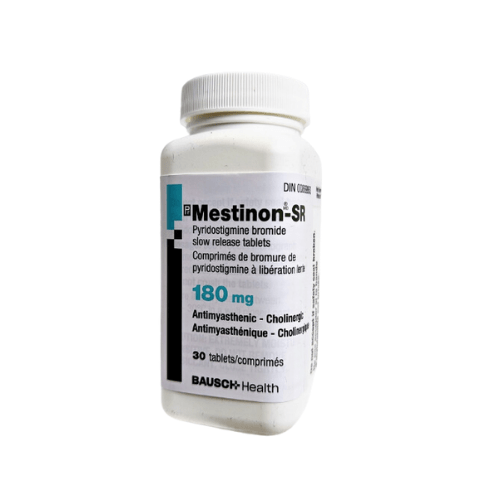
Mestinon SR
Buy Mestinon SR Online
Secure Encrypted Payments
Mestinon SR is a slow release pyridostigmine bromide tablet used for symptomatic treatment of myasthenia gravis. You can buy Mestinon SR online, view the current price, and choose the strength and quantity shown during ordering that match your clinician’s directions. The 180mg SR tablet releases medicine gradually, so the form matters as much as the strength.
Mestinon SR 180mg is different from regular-release pyridostigmine tablets and oral solution. The SR form is often described as a 12 hour tablet because it is designed for longer release, although the effect may not feel identical for every person. Keep your medicine label nearby when choosing strength, form, and quantity so the order matches the directions you were given.
Mestinon SR Price and 180mg Tablet Selection
The Mestinon SR price should be read together with the tablet strength, release type, and total quantity. A lower or higher total can reflect a different tablet count rather than a different medicine. For the 180mg slow release tablet, look for wording such as SR, sustained release, extended release, slow release, or 12 hour tablet before you proceed.
Mestinon SR 180mg price comparisons are most useful when you compare the same form and quantity. Immediate-release pyridostigmine is not the same product experience as a sustained release tablet. If a clinician intended the SR form, changing to a shorter-acting version for cost reasons can alter timing and symptom coverage.
| Order detail | Why it matters |
|---|---|
| Strength | Confirm the 180mg tablet matches the medicine label. |
| Release type | SR or sustained release wording separates it from regular-release pyridostigmine. |
| Quantity | Total price changes when the number of tablets changes. |
| Tablet form | Slow release tablets should not be treated like oral solution or standard tablets. |
| Handling notes | Storage and travel steps help protect the tablet structure. |
If you are looking at Mestinon SR without insurance, focus on the current cash-pay amount, the number of tablets, and any service details shown during checkout. BorderFreeHealth also offers U.S.-from-Canada service context for many cross-border medication purchases, and US delivery from Canada may be shown when it applies to the order. Do not use price alone to decide whether two pyridostigmine products are interchangeable.
Quick tip: Match the strength, release wording, and tablet count before entering payment information.
How to Order Mestinon SR Online
To order Mestinon SR online, choose the slow release 180mg tablet and the quantity that follows your current directions. Enter patient and contact information carefully, then review the name, strength, release wording, and shipping address before completing checkout. Licensed pharmacies supply regulated medications through the ordering process.
Some medicine labels use pyridostigmine bromide SR, pyridostigmine extended release, or pyridostigmine 180mg instead of the brand name. Those terms can refer to the same active ingredient and release concept, but the exact tablet should still match the wording on your label. If the medicine name, strength, or release type looks different from expected, pause and ask a pharmacist or clinician before taking it.
Delivery choices may vary by order. If prompt, express shipping appears during checkout, read the handling and address fields carefully because timing is not determined by the product name alone. Slow release tablets are not usually handled like refrigerated products, but they still need protection from heat, moisture, and damaged packaging.
What Mestinon SR Is Used For
Mestinon SR is used for symptomatic treatment of myasthenia gravis, an autoimmune neuromuscular condition that can cause fluctuating muscle weakness. It does not cure the underlying autoimmune process. Instead, pyridostigmine helps nerve signals reach muscles more effectively at the neuromuscular junction, where nerves communicate with muscle fibers.
Pyridostigmine is an anticholinesterase medicine. That means it slows the breakdown of acetylcholine, a chemical messenger involved in muscle contraction. More available acetylcholine can improve muscle signaling for some people with myasthenia gravis, although response and timing vary from person to person.
The sustained release design may be chosen when longer coverage is wanted within a treatment plan. Some people use more than one pyridostigmine form at different times, while others use immune-directed medicines or specialist procedures. Those choices depend on symptoms, swallowing or breathing concerns, other medicines, and monitoring needs.
For condition background, the Myasthenia Gravis section explains the neuromuscular condition linked with this medicine. The Neurology Products category can also help you browse related therapeutic areas.
How the Slow Release Tablet Differs
Mestinon SR tablets contain pyridostigmine bromide 180mg in a slow release oral tablet. The tablet is made to release medication over a longer period than standard immediate-release tablets. Because the release pattern affects how medicine enters the body, the same active ingredient can behave differently across forms.
The phrase 12 hour tablet describes the intended release design, not a promise that every person will feel benefit for exactly 12 hours. Myasthenia gravis symptoms often fluctuate with activity, infection, sleep, stress, temperature, and other medicines. A clinician may adjust timing or combine therapies based on symptom patterns rather than tablet wording alone.
Do not crush, chew, or break a sustained release tablet unless a pharmacist or clinician specifically says it is appropriate for that exact medicine. Damaging the tablet may change how quickly pyridostigmine is released. If swallowing is difficult, ask about safe alternatives instead of altering the tablet on your own.
- Active ingredient: pyridostigmine bromide.
- Common strength: 180mg slow release oral tablet.
- Therapeutic class: anticholinesterase medicine.
- Primary use: symptomatic treatment of myasthenia gravis.
- Key distinction: SR release differs from regular-release tablets and oral solution.
Timing, Sleep, and Daily Use Questions
People often ask how long Mestinon SR lasts. The SR tablet is designed for gradual release and is commonly described as a longer-acting or 12 hour form, but individual duration can vary. Muscle strength, swallowing, eyelid drooping, speech, and fatigue may change throughout the day for reasons beyond the tablet itself.
Mestinon can affect sleep indirectly for some people. Nighttime dosing, gastrointestinal effects, muscle cramps, sweating, or symptom fluctuation may make rest harder, while improved symptom control may help others function better. If sleep changes start after a schedule change, note the timing and discuss it with the clinician managing your myasthenia gravis.
Do not change dose timing to chase a stronger or longer effect without medical guidance. Too little medication may allow myasthenia symptoms to worsen, while too much cholinergic activity can also cause weakness and other serious symptoms. Keeping a symptom and timing log can help separate medicine effects from disease fluctuation.
Why it matters: SR tablets change release timing, so substitutions can change daily symptom patterns.
Storage, Handling, and Travel Basics
Store Mestinon SR according to the container and pharmacy label. Most oral tablets should be protected from excess heat and moisture, so a bathroom cabinet is often not the best location. Keep the bottle closed tightly and away from children and pets.
Slow release tablets depend partly on physical structure. When your order arrives, make sure the tablets and container do not appear wet, crushed, or damaged. If tablet appearance, labeling, or packaging raises concern, ask a pharmacist before using the medicine.
During travel, keep Mestinon SR in its original labeled container when practical. This can reduce confusion if the tablets need to be identified or replaced. Carry enough information to contact your treating clinician if your routine is interrupted, especially if swallowing, breathing, or muscle weakness has been unstable.
If country-of-origin details are important for your planning, the Canada country-of-origin section groups products identified with Canadian sourcing attributes. Use that information for ordering context, not as a substitute for medicine labeling or clinical direction.
Side Effects, Warnings, and Monitoring
Common pyridostigmine side effects can include nausea, diarrhea, abdominal cramps, increased saliva, sweating, muscle cramps, twitching, and more frequent urination. Some effects can overlap with symptoms of myasthenia gravis or with changes caused by other medicines. New, severe, or confusing symptoms should be discussed promptly with a clinician.
Official labeling lists mechanical intestinal obstruction and mechanical urinary obstruction as contraindications. Tell a clinician about bowel blockage symptoms, urinary retention, asthma, significant heart rhythm problems, peptic ulcer disease, seizures, thyroid disease, kidney problems, or recent surgery. These issues may affect whether pyridostigmine is suitable or how closely symptoms should be followed.
A major safety concern is distinguishing worsening myasthenia from too much cholinergic effect. Cholinergic crisis can involve severe weakness, breathing trouble, heavy sweating, diarrhea, excess saliva, slow heartbeat, or faintness. Myasthenic crisis is dangerous worsening of myasthenia gravis and can also involve breathing or swallowing problems.
Because these conditions can look similar, do not try to self-correct severe symptoms by changing the amount taken. Seek urgent medical help for trouble breathing, choking, fainting, sudden severe weakness, or a serious allergic reaction. A clinician can explain which warning signs are most important for your history.
Interactions and Medicines to Discuss
Before using pyridostigmine, share a complete medicine list with a clinician or pharmacist. Antibiotics, beta-blockers, heart rhythm medicines, magnesium products, anesthetics, muscle relaxants, and medicines that affect neuromuscular transmission may be relevant. Include non-prescription products and supplements because they can still influence symptoms or side effects.
Monitoring becomes especially important when symptoms are changing, another medicine is added, or a procedure is planned. Anesthesia and surgery can affect neuromuscular conditions, and the care team may need to know the pyridostigmine form and schedule. Keep the container or a medication list available for appointments.
Do not switch between Mestinon SR, regular-release Mestinon, pyridostigmine tablets, and pyridostigmine oral solution without clinical direction. The active ingredient may be the same, but release timing, practical use, and symptom coverage can differ. The Neurology Articles section offers broader educational reading for preparing questions about nervous system medicines.
Related Choices to Discuss With a Clinician
Mestinon SR slow release tablets are one pyridostigmine form used in myasthenia gravis care. Regular-release tablets may be used for different timing needs, and oral solution may be chosen when swallowing or dose flexibility is a concern. These products should not be swapped just because they share the pyridostigmine name.
Brand and generic terminology can also vary by market. Mestinon SR names a branded slow release pyridostigmine product, while pyridostigmine bromide describes the active ingredient. Country-specific naming or approval records do not change the practical ordering step: match the medicine name, strength, release type, and quantity to your current directions.
Myasthenia gravis treatment may also include corticosteroids, steroid-sparing immune therapies, monoclonal antibodies, intravenous immune therapies, plasma exchange, or thymus surgery in selected cases. Those options address different parts of the disease process and have different risks. Mestinon SR remains a symptomatic medicine, so any broader treatment change belongs in a clinical conversation.
Authoritative Sources
The following sources support key product, use, and safety information for Mestinon SR and pyridostigmine:
- Official Canadian product monograph for MESTINON-SR describes the 180mg slow-release tablet, indication, contraindications, and safety information.
- DailyMed drug label for MESTINON summarizes pyridostigmine’s mechanism and labeled precautions.
- Cleveland Clinic pyridostigmine patient information explains common uses and side effects in plain language.
This content is for informational purposes only and is not a substitute for professional medical advice.
Express Shipping - from $29.99
Shipping with this method takes 3-5 days
Prices:
- Dry-Packed Products $29.99
- Cold-Packed Products $39.99
Shipping Countries:
- United States (all contiguous states**)
- Worldwide (excludes some countries***)
Standard Shipping - $19.99
Shipping with this method takes 5-10 days
Prices:
- Dry-Packed Products $19.99
- Not available for Cold-Packed products
Shipping Countries:
- United States (all contiguous states**)
- Worldwide (excludes some countries***)
What is Mestinon SR used for?
Mestinon SR is used for symptomatic treatment of myasthenia gravis. It contains pyridostigmine bromide, which helps improve nerve-to-muscle signaling but does not cure the autoimmune condition.
How long does Mestinon SR last?
Mestinon SR is a slow release tablet and is often described as a 12 hour form. The actual duration can vary because myasthenia gravis symptoms fluctuate and each person responds differently.
Is Mestinon SR the same as regular pyridostigmine?
No. Mestinon SR contains pyridostigmine bromide, but the sustained release tablet releases medicine differently from regular-release tablets or oral solution. Match the release form to your current directions.
What are common Mestinon SR side effects?
Common pyridostigmine side effects can include nausea, diarrhea, abdominal cramps, increased saliva, sweating, muscle cramps, twitching, and more frequent urination. Report severe or confusing symptoms promptly.
Who should not take pyridostigmine?
Official labeling lists mechanical intestinal obstruction and mechanical urinary obstruction as contraindications. People with breathing, heart rhythm, seizure, thyroid, ulcer, kidney, or surgery-related concerns should discuss risks with a clinician.
Can Mestinon SR affect sleep?
It may affect sleep for some people through cramps, sweating, digestive effects, nighttime symptoms, or dose timing. Track when sleep changes occur and discuss them with the clinician managing your treatment.
Rewards Program
Earn points on birthdays, product orders, reviews, friend referrals, and more! Enjoy your medication at unparalleled discounts while reaping rewards for every step you take with us.
You can read more about rewards here.
POINT VALUE
How to earn points
- 1Create an account and start earning.
- 2Earn points every time you shop or perform certain actions.
- 3Redeem points for exclusive discounts.
You Might Also Like
Select options
This product has multiple variants. The options may be chosen on the product page
Select options
This product has multiple variants. The options may be chosen on the product page
Select options
This product has multiple variants. The options may be chosen on the product page
Select options
This product has multiple variants. The options may be chosen on the product page