

Please note: a valid prescription is required for all prescription medication.
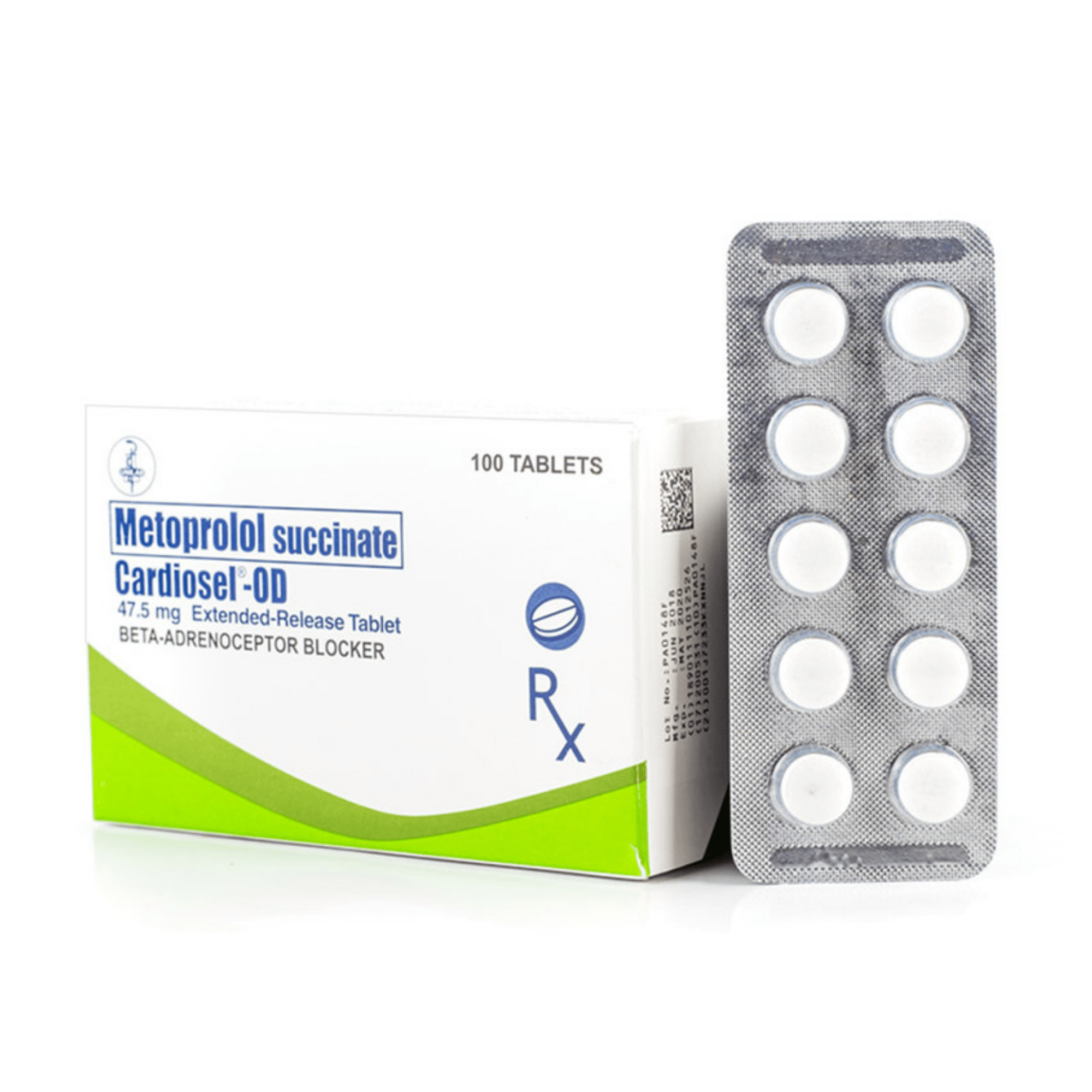
Metoprolol
Buy Metoprolol Online
Secure Encrypted Payments
Metoprolol is a beta blocker used to help manage high blood pressure, angina, and certain heart conditions after a heart attack. It can be bought online through licensed pharmacy channels, with dose and strength choices matched to the directions from your clinician. During ordering, choose the metoprolol strength shown for your treatment plan and review the current cash-pay price before checkout.
Metoprolol Price and Strength Selection
Metoprolol pricing depends on the salt form, tablet strength, quantity, and manufacturer. Many people compare Metoprolol price without insurance because beta blockers are often taken long term. Current cash-pay amounts are shown during ordering, so you can match the prescribed strength with the quantity that fits your refill schedule.
Common immediate-release metoprolol tartrate tablets include 25 mg, 50 mg, and 100 mg strengths. Common extended-release metoprolol succinate tablets include 25 mg, 50 mg, 100 mg, and 200 mg strengths. Your clinician may use lower starting strengths during dose initiation or titrate gradually based on pulse, blood pressure, symptoms, and tolerability.
Quick tip: Confirm whether your directions say tartrate or succinate before selecting a strength, because the forms are not taken the same way.
How to Order Metoprolol From Canada
Metoprolol from Canada is supplied through licensed pharmacies for customers seeking cash-pay access and clear strength selection. We may review order details for accuracy, and pharmacy teams confirm that the medicine, strength, and directions align before supply. US delivery from Canada may be available as part of the ordering process.
Keep your medication name, salt form, strength, and daily schedule together when placing a refill. For example, Metoprolol tartrate 25 mg tablets, Metoprolol tartrate 50 mg tablets, and Metoprolol succinate 50 mg extended release are different selections. If your label says Toprol XL generic, it usually refers to extended-release metoprolol succinate. If it says Lopressor generic, it often refers to immediate-release metoprolol tartrate.
What Metoprolol Treats
Metoprolol is mainly used for high blood pressure, angina, and selected heart conditions that benefit from lowering heart rate and reducing the heart’s workload. Lowering blood pressure can help reduce the risk of cardiovascular complications when metoprolol is used as part of a broader care plan. For people managing hypertension, regular home readings can help the clinician judge whether therapy is meeting treatment goals.
Metoprolol can also help prevent episodes of chest pain caused by reduced oxygen supply to the heart muscle. People using it for angina should ask what symptoms require urgent care, especially if chest pain becomes new, severe, or different from usual. The extended-release succinate form is also used in certain patients with stable, symptomatic heart failure as part of guideline-based treatment.
Some clinicians continue beta blocker therapy after a myocardial infarction to support long-term cardiac protection. Metoprolol is not a rescue treatment for sudden chest pain, and it should not replace emergency care for possible heart attack symptoms.
Tartrate vs Succinate: Why the Form Matters
Metoprolol tartrate is the immediate-release form. It is often taken in divided doses because its effect does not last as long as the extended-release product. Metoprolol tartrate 100 mg tablets, 50 mg tablets, and 25 mg tablets may be used in different schedules depending on the condition being treated.
Metoprolol succinate is the extended-release form. It is designed for once-daily dosing and may appear as Metoprolol ER, Metoprolol XL, or generic for Toprol XL. Strengths such as Metoprolol succinate 25 mg extended release, Metoprolol succinate 100 mg ER, and Metoprolol 200 mg may be used when appropriate for the prescribed regimen.
Do not switch between tartrate and succinate on your own. Even when the active ingredient is metoprolol, release timing changes how the medicine behaves. Your clinician decides whether a once-daily extended-release tablet or divided-dose immediate-release tablet best fits your condition.
How Metoprolol Works
Metoprolol is a beta-1 selective beta blocker. Beta-1 receptors are found mainly in the heart, and blocking them slows the heart rate, reduces force of contraction, and lowers the heart’s oxygen demand. These effects help explain why metoprolol is used for blood pressure control, angina prevention, and certain post-heart-attack care plans.
The medicine can also reduce renin release, which contributes to blood pressure lowering. Although metoprolol is called cardioselective, selectivity is not absolute. Higher exposure or individual sensitivity can still affect the lungs or blood vessels, which is why asthma, COPD, peripheral vascular disease, and diabetes need careful clinical review.
Taking Metoprolol Safely
Follow the directions on your medication label. Immediate-release tartrate is commonly taken with food or consistently in relation to meals, while extended-release succinate is usually taken once daily. Swallow extended-release tablets whole unless your pharmacist or clinician gives specific instructions for a scored tablet.
If you miss a dose, take it when remembered unless it is close to the next scheduled dose. Skip the missed dose if the next dose is due soon. Do not double doses to catch up. A pill organizer, phone reminder, or refill calendar can help prevent missed doses, especially when taking other cardiovascular medicines.
Do not stop metoprolol suddenly unless a clinician tells you to. Abrupt withdrawal can worsen angina or increase cardiac risk in some patients. If treatment needs to end, the dose is usually reduced gradually under clinical supervision.
Side Effects, Warnings, and Monitoring
The major side effect people notice is often a slow heart rate, which may feel like fatigue, dizziness, weakness, or lightheadedness. Other common side effects can include cold hands or feet, nausea, stomach upset, headache, sleep changes, and low energy. Report symptoms that interfere with daily activity or appear after a dose increase.
Serious problems can include severe bradycardia, heart block, fainting, shortness of breath, worsening heart failure, or bronchospasm in susceptible people. Metoprolol may not be suitable for people with sinus bradycardia, second- or third-degree heart block without a pacemaker, cardiogenic shock, or overt decompensated heart failure. Seek urgent care for fainting, severe breathing trouble, worsening chest pain, or signs of a heart attack.
Metoprolol can mask some warning signs of low blood sugar, such as a racing heartbeat. People using insulin or sulfonylureas may need closer glucose monitoring. Those with rhythm concerns can discuss monitoring in the context of conditions such as atrial fibrillation, where heart-rate control decisions are individualized.
Interactions and What to Avoid
Tell your clinician about all medicines, supplements, and over-the-counter products you take. Combining metoprolol with other heart-rate-lowering medicines can increase the risk of very slow pulse or low blood pressure. Important examples include verapamil, diltiazem, digoxin, and certain antiarrhythmics.
Some antidepressants that inhibit CYP2D6, such as paroxetine, fluoxetine, or bupropion, may raise metoprolol levels. Clonidine requires extra care during initiation or withdrawal because rebound blood pressure changes can occur. Alcohol and other blood-pressure-lowering medicines may increase dizziness or lightheadedness.
Avoid driving or hazardous tasks until you know how metoprolol affects you. Stand slowly from sitting or lying positions if dizziness occurs. Ask before using cold remedies, stimulants, or decongestants, because some products may raise blood pressure or affect heart rate.
Storage, Refills, and Travel
Store tablets at room temperature in a dry place away from excess heat and moisture. Keep them in the original child-resistant container, and do not use tablets that are damaged, discolored, or beyond their labeled date. Keep metoprolol away from children and pets.
When traveling, carry tablets in hand luggage with a current medication list. Keep dosing times as consistent as practical across time zones. For longer trips, plan refills early and keep the salt form, strength, and directions visible so the correct product is selected.
Orders may include prompt, express shipping when available during checkout. If your clinician adjusts your dose, update the order strength and quantity to reflect the new directions before your next refill.
When to Contact a Clinician
Contact your clinician if your pulse is much lower than your usual target, if dizziness persists, or if fatigue becomes limiting. Report new shortness of breath, swelling in the legs, rapid weight gain, wheezing, fainting, or worsening exercise tolerance. These symptoms may require dose reassessment or evaluation for heart failure changes.
Ask whether you should track home blood pressure, pulse, symptoms, and missed doses. Bring your log to follow-up appointments so your care team can see how metoprolol is working over time. People with diabetes, lung disease, liver impairment, or peripheral vascular disease should ask which warning signs deserve faster follow-up.
Related Heart and Blood Pressure Options
Metoprolol belongs to the broader group of cardiovascular medicines used to manage blood pressure, heart rate, angina, and heart failure. You can browse related treatments in the cardiovascular category if your clinician discusses alternatives or add-on therapy.
Other beta blockers or heart medicines may be considered when treatment goals, side effects, or other diagnoses differ. The right choice depends on heart rate, blood pressure, kidney and liver function, lung history, diabetes risk, and the reason therapy is being used. For broader background on heart medicines and condition management, the cardiovascular articles section can help frame questions for your appointment.
Questions to Ask Before Your Next Refill
- Is my medicine metoprolol tartrate or metoprolol succinate extended release?
- What pulse and blood pressure range should I track at home?
- Should I take my dose with food or at a specific time?
- Which symptoms mean my dose may be too strong?
- Do any of my medicines increase the risk of low heart rate?
- Should I use a 30-day or longer supply for stable therapy?
- What should I do if I miss more than one dose?
Authoritative Sources
MedlinePlus drug information for metoprolol
Official prescribing information for metoprolol succinate extended-release tablets
This content is for informational purposes only and is not a substitute for professional medical advice.
Blood Pressure Average Calculator
Average home blood pressure readings and show a simple screening range.
Average BP
-
entered readings only
Range
-
screening category
These calculations are for education only and do not replace clinical advice, diagnosis, or treatment. Always confirm medical decisions with a qualified healthcare professional.
Pulse Pressure Calculator
Calculate pulse pressure from systolic and diastolic blood pressure.
Pulse pressure
-
SBP - DBP
These calculations are for education only and do not replace clinical advice, diagnosis, or treatment. Always confirm medical decisions with a qualified healthcare professional.
Target Heart Rate Calculator
Estimate exercise heart-rate zones using age, resting heart rate, and the Karvonen method.
Max HR estimate
-
220 - age
Target zone
-
Karvonen method
These calculations are for education only and do not replace clinical advice, diagnosis, or treatment. Always confirm medical decisions with a qualified healthcare professional.
Express Shipping - from $29.99
Shipping with this method takes 3-5 days
Prices:
- Dry-Packed Products $29.99
- Cold-Packed Products $39.99
Shipping Countries:
- United States (all contiguous states**)
- Worldwide (excludes some countries***)
Standard Shipping - $19.99
Shipping with this method takes 5-10 days
Prices:
- Dry-Packed Products $19.99
- Not available for Cold-Packed products
Shipping Countries:
- United States (all contiguous states**)
- Worldwide (excludes some countries***)
What is metoprolol mainly used for?
Metoprolol is mainly used for high blood pressure, angina, and certain heart conditions that benefit from lowering heart rate and reducing the heart’s workload. The extended-release succinate form is also used in selected patients with stable, symptomatic heart failure.
What is the major side effect of metoprolol?
A slow heart rate is one of the most important side effects. It may feel like dizziness, fatigue, weakness, lightheadedness, or fainting. Contact a clinician promptly if symptoms are severe, new, or occur after a dose change.
What should I avoid while taking metoprolol?
Avoid stopping metoprolol suddenly unless a clinician instructs you to do so. Use caution with alcohol, driving until you know your response, and over-the-counter cold products or stimulants unless your clinician or pharmacist says they are appropriate.
Is metoprolol tartrate the same as metoprolol succinate?
They contain the same active ingredient but release differently. Tartrate is immediate release and is often taken in divided doses. Succinate is extended release and is commonly taken once daily. Do not switch forms without clinical guidance.
Why can metoprolol be considered high risk for some people?
Metoprolol can cause very slow heart rate, low blood pressure, heart block, breathing problems in susceptible people, or worsening heart failure during unstable periods. It also can mask some low-blood-sugar symptoms in people with diabetes.
Rewards Program
Earn points on birthdays, product orders, reviews, friend referrals, and more! Enjoy your medication at unparalleled discounts while reaping rewards for every step you take with us.
You can read more about rewards here.
POINT VALUE
How to earn points
- 1Create an account and start earning.
- 2Earn points every time you shop or perform certain actions.
- 3Redeem points for exclusive discounts.
You Might Also Like
Select options
This product has multiple variants. The options may be chosen on the product page
Select options
This product has multiple variants. The options may be chosen on the product page
Select options
This product has multiple variants. The options may be chosen on the product page
Select options
This product has multiple variants. The options may be chosen on the product page