
Please note: a valid prescription is required for all prescription medication.
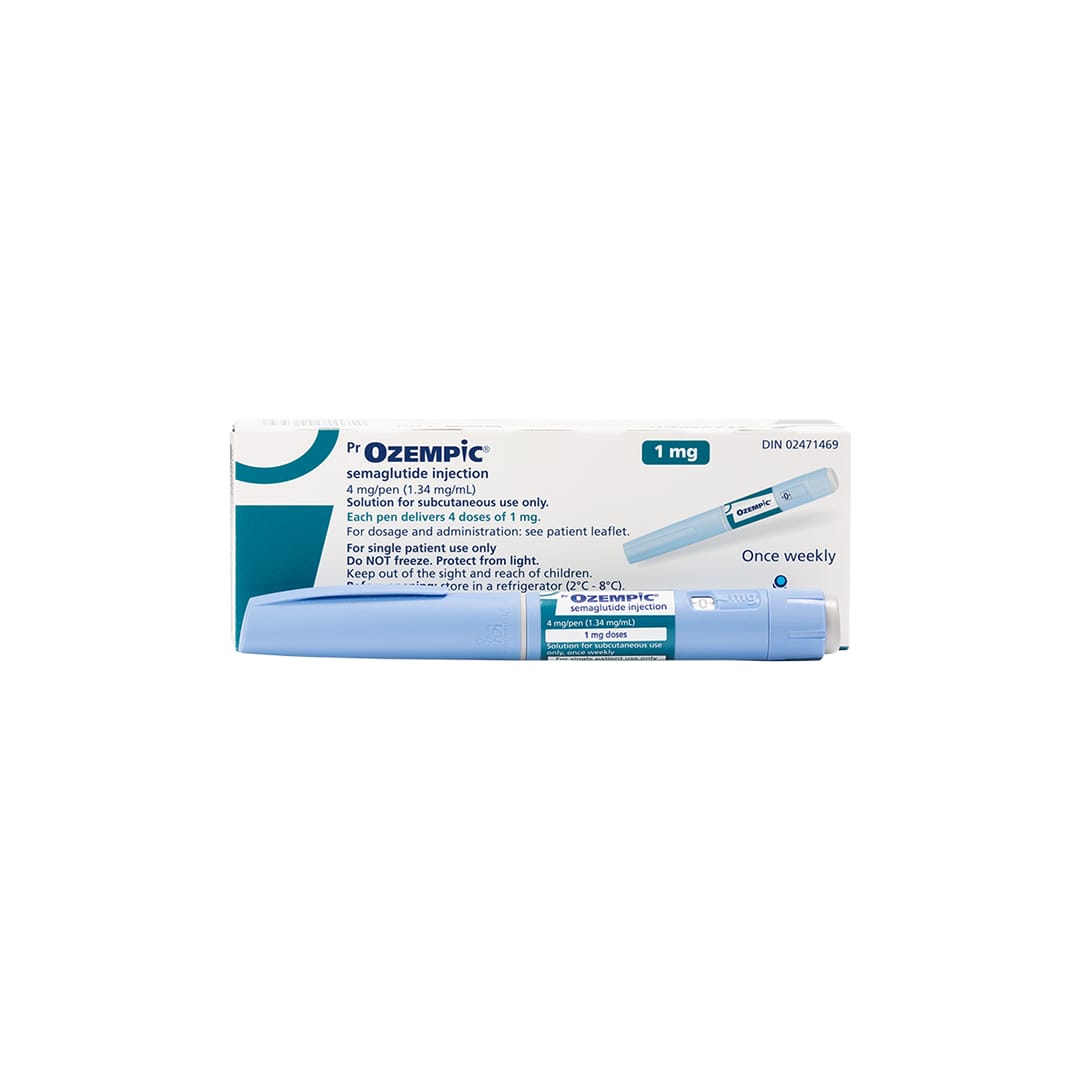
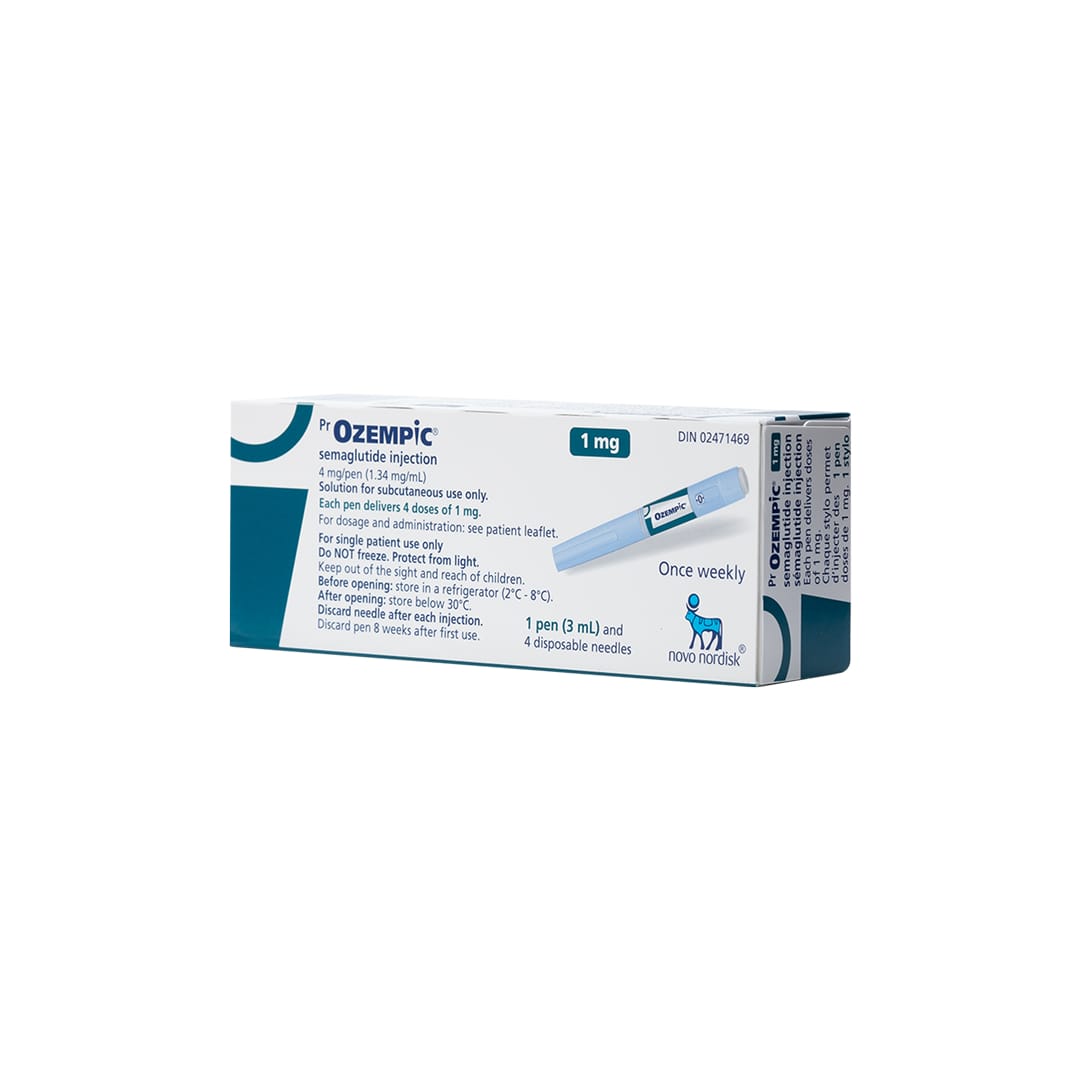
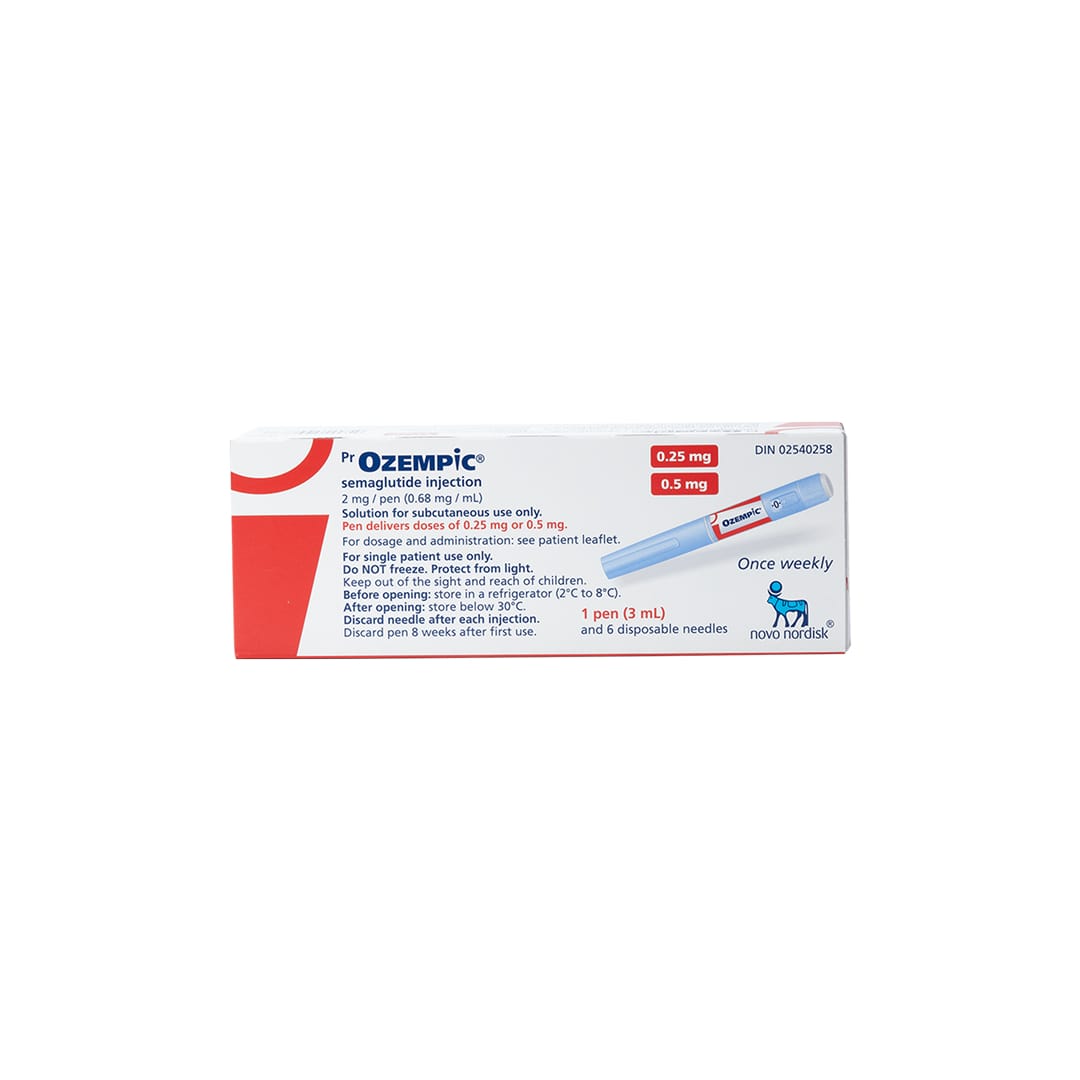
Ozempic
Buy Ozempic Online
Secure Encrypted Payments
Ozempic is a once-weekly semaglutide medicine used to help improve blood sugar in adults with type 2 diabetes. You can buy Ozempic online and choose the dose or pen strength shown during ordering, then match it to the directions from your clinician. BorderFreeHealth offers US delivery from Canada through licensed pharmacy channels for customers using a cash-pay, cross-border medication pathway.
Ozempic is an injectable GLP-1 receptor agonist, meaning it works like an incretin hormone involved in insulin release, appetite signals, and digestion. It is used for type 2 diabetes management, not for type 1 diabetes or diabetic ketoacidosis. It is also not approved under this brand as a general weight-loss medicine, even though weight change is a common question with semaglutide.
Price, Dose, and Pen Strength Selection
Ozempic price can vary by pen strength, quantity, pharmacy supply, and whether you are paying out of pocket or using insurance elsewhere. During ordering, choose the dose or pen strength that matches the directions you have been given, rather than relying only on familiar search terms such as Ozempic 0.25, Ozempic 0.5, Ozempic 1mg, Ozempic 4mg, or Ozempic 8mg 3ml. The weekly dose and the total amount inside a pen are related, but they are not the same thing.
Many customers compare Ozempic cost without insurance because GLP-1 medicines can be expensive in the United States. A cash-pay order may be useful when plan coverage, prior authorization, or local retail pricing creates a barrier. Final out-of-pocket cost still depends on the strength and quantity being purchased, so the safest approach is to match the ordered medicine to the label directions and current pricing shown at checkout.
| Term you may see | What it usually means | Why it matters |
|---|---|---|
| 0.25 mg or 0.5 mg | Weekly dose language | Often linked with starting and early maintenance dosing. |
| 1 mg | Weekly dose language | May be used after dose escalation when clinically appropriate. |
| 2 mg | Weekly dose language | May appear on some labels or in some markets. |
| 4 mg or 8 mg per 3 mL | Total semaglutide content in the pen | This is not the amount injected each week. |
Quick tip: Match the weekly dose first, then confirm the pen description before completing an order.
How to Order Ozempic Safely
Ordering Ozempic should start with the intended diabetes use, the correct pen strength, and a medication history that makes weekly semaglutide appropriate. The medicine is injected once weekly, so practical handling matters as much as the product choice. If you have questions about injection technique, missed doses, or dose changes, ask your healthcare professional before making adjustments.
BorderFreeHealth may review order details to help ensure the requested medicine and strength align with the information provided. Products are supplied through licensed pharmacies, and shipping may include prompt, express shipping when the order is ready to move through the pharmacy process. Keep the medicine name, strength, and directions together so there is less risk of confusing a starter pen with a maintenance pen.
- Confirm the intended use: Ozempic is used for adults with type 2 diabetes.
- Choose the right strength: weekly dose wording and total pen content can look similar.
- Plan the weekly routine: use the same day each week unless directed otherwise.
- Check storage needs: semaglutide pens require temperature-aware handling.
What Ozempic Is Used For
Ozempic semaglutide helps improve blood sugar in adults with type 2 diabetes, usually alongside food choices, physical activity, and other diabetes medicines when needed. It is part of the broader type 2 diabetes treatment category, where therapy often changes over time as glucose patterns, kidney function, weight, and cardiovascular risk evolve.
Semaglutide can help the pancreas release insulin when blood sugar is elevated, reduce glucagon release, slow stomach emptying, and affect appetite signals. Those actions explain why many people notice changes in hunger or weight while using the medicine. Weight loss is not guaranteed, and the amount varies widely based on dose, nutrition, activity, tolerability, and whether treatment continues.
Ozempic is not used to treat type 1 diabetes, and it should not be used for diabetic ketoacidosis. People who are unsure how their diagnosis differs from other forms of diabetes may find the type 2 diabetes articles useful for background before discussing treatment options. If cardiovascular disease is part of your diabetes history, review of cardiovascular disease may also help frame questions about overall risk management.
Dosing Basics and Weekly Use
Ozempic is injected under the skin once weekly, usually in the abdomen, thigh, or upper arm. The day of the week should stay consistent when possible. The medicine can be used without regard to meals because it is an injection, not an oral tablet.
The label commonly begins with a lower introductory weekly dose before moving to a maintenance dose. That gradual approach can help limit stomach side effects during the first weeks. Some adults later use higher weekly doses if their clinician decides additional glucose lowering is needed and the medicine is tolerated.
- Start low: 0.25 mg weekly is commonly used at initiation.
- Step up carefully: 0.5 mg weekly is a common early maintenance dose.
- Reassess response: 1 mg or 2 mg weekly may be considered when appropriate.
- Rotate injection sites: changing sites can reduce irritation.
- Use a new needle: needles should not remain attached between injections.
If a dose is missed, follow the official instructions rather than doubling the next injection. Day changes should follow the spacing rules in the product information. If nausea, vomiting, or poor intake becomes difficult, contact a healthcare professional before the next escalation.
Storage, Travel, and Pen Handling
Unopened Ozempic pens are generally stored in a refrigerator at 2°C to 8°C and should not be frozen. After first use, the label usually allows storage for a limited period either refrigerated or at room temperature, commonly up to 30°C. Pens should be protected from excessive heat and light.
Do not use a pen that has been frozen or exposed to extreme temperatures. Inspect the liquid before injection; it should look clear and colorless, without cloudiness or visible particles. The pen should never be shared with another person, even if a new needle is attached, because sharing injection devices can transmit infections.
Travel is easier when the pen remains in its original carton with the label visible. Keep needles, the pen, and disposal supplies together so the weekly dose is not delayed. If you are browsing broader diabetes care products, consider how storage, testing supplies, and injection routines fit into your usual schedule.
Side Effects, Warnings, and Monitoring
The most common Ozempic side effects are gastrointestinal. Nausea, vomiting, diarrhea, constipation, stomach pain, and decreased appetite can occur, especially during dose increases. These effects may ease, but persistent vomiting or poor fluid intake can lead to dehydration and may worsen kidney problems.
Serious warnings include pancreatitis, gallbladder disease, severe allergic reactions, and low blood sugar when semaglutide is used with insulin or a sulfonylurea. There is also a boxed warning about thyroid C-cell tumors. People with a personal or family history of medullary thyroid carcinoma, or with multiple endocrine neoplasia syndrome type 2, should not use semaglutide products unless their healthcare professional has specifically assessed the risk and product labeling.
Some people with diabetic retinopathy may notice worsening eye symptoms during rapid glucose improvement. New blurred vision, floaters, or sudden visual changes need prompt attention. Severe upper abdominal pain that may spread to the back, repeated vomiting, signs of dehydration, swelling of the face or throat, or trouble breathing are also urgent warning signs.
Why it matters: Ongoing vomiting, dehydration, or severe abdominal pain can turn a common side-effect pattern into a safety issue.
Interactions and Health History to Review
Semaglutide slows stomach emptying, so absorption of some oral medicines may need closer attention. This does not automatically prevent use, but a complete medication list is important. Insulin and sulfonylureas deserve special care because combining them with Ozempic can increase the risk of hypoglycemia, or low blood sugar.
Important health history includes pancreatitis, gallbladder disease, kidney disease, severe stomach-emptying problems such as gastroparesis, diabetic eye disease, pregnancy plans, pregnancy, and breastfeeding. People living with kidney complications may benefit from background on why hydration and medicine changes matter in chronic conditions; broader context is available in type 2 diabetes and diabetes care sections.
Do not combine Ozempic with another GLP-1 receptor agonist unless a healthcare professional gives clear directions. Combining similar medicines may increase side effects without improving safety. Mention any prior trouble using injection pens, severe nausea with related medicines, or episodes of low blood sugar, because these details can influence monitoring.
Weight Change and What Happens If Treatment Stops
Many people ask what Ozempic will do for weight loss. The medicine can reduce appetite and may lead to weight loss in some adults with type 2 diabetes, but response varies. It should not be treated as a stand-alone weight-loss product under the Ozempic brand, and weight expectations should be discussed in the context of diabetes care, nutrition, activity, and other medicines.
If Ozempic is stopped, its glucose-lowering and appetite effects can fade over time. Blood sugar may rise again, and some people regain weight after stopping GLP-1 therapy. Do not stop or restart semaglutide without a plan for glucose monitoring and follow-up, especially if you also use insulin, sulfonylureas, or medicines that affect appetite or digestion.
People exploring weight-related treatment questions can review the site’s weight management category for broader context, while keeping Ozempic’s diabetes indication separate. A different product may be more appropriate when the main treatment goal is weight management rather than type 2 diabetes control.
Ozempic Compared With Related Diabetes Options
No diabetes medicine fits every adult. The best choice depends on glucose goals, kidney function, cardiovascular history, side-effect tolerance, daily routine, and whether an injection is acceptable. Weekly dosing can be convenient for some people, while others prefer a tablet or a different class because of stomach side effects or injection concerns.
| Option type | How it differs | Useful discussion point |
|---|---|---|
| Oral semaglutide | Same active ingredient class in a daily tablet format | May be considered when avoiding injections is a priority. |
| SGLT2 inhibitor tablet | Works through the kidneys rather than GLP-1 pathways | Often discussed when heart or kidney considerations matter. |
| DPP-4 inhibitor tablet | Different incretin-related class with a different tolerability profile | May suit people seeking a simpler oral regimen. |
Browsing diabetes care can help you understand where GLP-1 medicines fit among tablets, injectables, glucose monitoring supplies, and related treatment categories. If your care plan also involves country-of-origin preferences, the Canada-origin product category can support pharmacy selection discussions without changing the clinical decision.
Authoritative Sources
This content is for informational purposes only and is not a substitute for professional medical advice.
BMI Calculator
Estimate adult body mass index from height and weight, with metric and imperial units.
BMI
-
kg/m2 equivalent
Category
-
Adult screening range
These calculations are for education only and do not replace clinical advice, diagnosis, or treatment. Always confirm medical decisions with a qualified healthcare professional.
Weight Loss Timeline Calculator
Estimate a simple timeline from current weight, goal weight, and average daily calorie deficit.
Estimated weekly change
-
based on 3,500 kcal per lb
Estimated time
-
simple arithmetic estimate
Approx. date
-
if average deficit is maintained
These calculations are for education only and do not replace clinical advice, diagnosis, or treatment. Always confirm medical decisions with a qualified healthcare professional.
Weight-Loss Progress Calculator
Track percentage body-weight change and progress toward a target weight.
Weight change
-
current vs starting weight
Body weight change
-
percent of starting weight
Goal progress
-
change achieved toward goal
These calculations are for education only and do not replace clinical advice, diagnosis, or treatment. Always confirm medical decisions with a qualified healthcare professional.
Blood Glucose Unit Converter
Convert glucose readings between mg/dL and mmol/L without changing the clinical value.
mg/dL
-
US reporting unit
mmol/L
-
International reporting unit
These calculations are for education only and do not replace clinical advice, diagnosis, or treatment. Always confirm medical decisions with a qualified healthcare professional.
HbA1c & eAG Calculator
Convert between HbA1c percentage and estimated average glucose using the ADAG relationship.
HbA1c
-
percentage
eAG mg/dL
-
estimated average glucose
eAG mmol/L
-
estimated average glucose
These calculations are for education only and do not replace clinical advice, diagnosis, or treatment. Always confirm medical decisions with a qualified healthcare professional.
Express Shipping - from $29.99
Shipping with this method takes 3-5 days
Prices:
- Dry-Packed Products $29.99
- Cold-Packed Products $39.99
Shipping Countries:
- United States (all contiguous states**)
- Worldwide (excludes some countries***)
Standard Shipping - $19.99
Shipping with this method takes 5-10 days
Prices:
- Dry-Packed Products $19.99
- Not available for Cold-Packed products
Shipping Countries:
- United States (all contiguous states**)
- Worldwide (excludes some countries***)
What is Ozempic used for?
Ozempic is used to help improve blood sugar in adults with type 2 diabetes. It is not used for type 1 diabetes or diabetic ketoacidosis, and it is not approved under this brand as a general weight-loss medicine.
What are the common side effects of Ozempic?
Common side effects include nausea, vomiting, diarrhea, constipation, stomach pain, and reduced appetite. These are often more noticeable during dose increases, but persistent vomiting, dehydration, severe abdominal pain, allergic symptoms, or vision changes need medical attention.
Does Ozempic cause weight loss?
Some adults lose weight while using Ozempic because semaglutide can affect appetite and digestion. The amount varies, and weight loss is not guaranteed. Treatment decisions should stay focused on the approved diabetes use unless a clinician recommends another approach.
What happens if you stop taking Ozempic?
After stopping Ozempic, its effects on blood sugar and appetite may decrease over time. Blood sugar can rise again, and some people regain weight. A clinician can help plan monitoring and alternative treatment if Ozempic is stopped.
How is Ozempic usually taken?
Ozempic is injected under the skin once weekly, usually on the same day each week. Common injection areas include the abdomen, thigh, or upper arm. Dose changes and missed-dose decisions should follow the product label and clinician directions.
How should Ozempic pens be stored?
Unopened pens are generally refrigerated at 2°C to 8°C and should not be frozen. After first use, label instructions usually allow storage for a limited time in the refrigerator or at room temperature, protected from heat and light.
Rewards Program
Earn points on birthdays, product orders, reviews, friend referrals, and more! Enjoy your medication at unparalleled discounts while reaping rewards for every step you take with us.
You can read more about rewards here.
POINT VALUE
How to earn points
- 1Create an account and start earning.
- 2Earn points every time you shop or perform certain actions.
- 3Redeem points for exclusive discounts.
You Might Also Like
Select options
This product has multiple variants. The options may be chosen on the product page
Select options
This product has multiple variants. The options may be chosen on the product page
Select options
This product has multiple variants. The options may be chosen on the product page
Select options
This product has multiple variants. The options may be chosen on the product page