

Shipping with this method takes 3-5 days
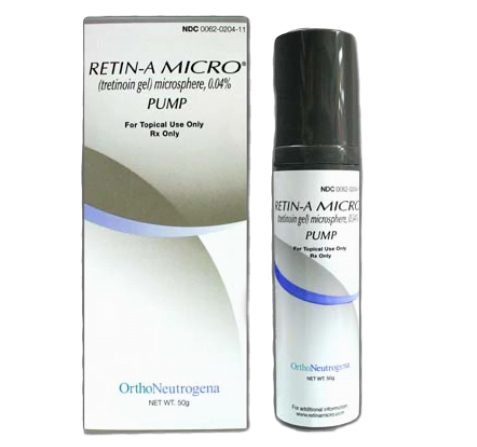
Retin-A Micro Gel Pump
Buy Retin-A Micro Gel Pump Online
Secure Encrypted Payments
Retin-A Micro Gel Pump is a topical tretinoin microsphere gel used in acne treatment. You can buy Retin-A Micro Gel Pump online, view the current price, and choose the strength shown during ordering that matches your clinician’s directions. The pump format helps dispense the gel cleanly while keeping the product focused on acne-prone areas rather than spot-only use.
This product is centered on Retin-A Micro Gel Pump 0.04, a tretinoin microspheres gel 0.04% concentration in a pump container. Match the medication name, gel base, concentration, and total quantity displayed at checkout with the treatment plan you were given. For cross-border service needs, US delivery from Canada may be available for suitable orders.
Retin-A Micro Gel Pump Price and Strength Selection
Retin-A Micro Gel Pump price should be read together with the exact form and concentration. The 0.04% pump is not the same as a standard tretinoin cream, a standard tretinoin gel, or a different Retin-A Micro strength. Those distinctions matter because tretinoin products can vary in feel, release design, and how they fit into an acne routine.
Retin-A Micro Gel Pump cost is influenced by the pump device, gel base, concentration, and total quantity shown during checkout. If you are comparing Retin-A Micro Pump price information across pharmacies, keep the comparison narrow. A cash total for a cream or non-microsphere gel does not describe the same customer-facing product as a tretinoin microsphere gel pump.
When paying without insurance, the most useful comparison is the complete checkout amount for the exact medication and quantity. Avoid comparing only the lowest number on a search result. A practical comparison matches active ingredient, microsphere gel design, 0.04% strength, pump container, and total grams when shown.
| Ordering detail | Why it matters |
|---|---|
| Concentration | Retin-A Micro Gel Pump 0.04 means 0.04% tretinoin in the gel. |
| Form | Microsphere gel differs from cream and immediate-release gel bases. |
| Container | The pump can support cleaner, more consistent dispensing. |
| Quantity | Total contents are separate from the amount applied each time. |
| Cash-pay total | The final amount should reflect the same form, strength, and quantity. |
Quick tip: Match the medication name, 0.04% strength, gel form, and pump wording before checkout.
How to Order Retin-A Micro Pump Online
To order Retin-A Micro Gel Pump online, choose the 0.04% tretinoin microsphere gel pump when that is the strength and form directed for your acne plan. Enter the requested checkout information carefully, including the patient name, contact details, quantity, and any pharmacy directions already provided to you.
Before submitting, compare the order against the tube, carton, treatment record, or medication list you already have. Small wording differences can point to different products. Retin-A Micro tretinoin gel, tretinoin gel pump, tretinoin cream, and tretinoin microsphere gel may not be interchangeable for every person.
Our team may review order details for completeness before the medicine is supplied through licensed pharmacy channels. When handling choices appear during checkout, prompt, express shipping may be offered for orders that can use that service. If supply route is part of your comparison, the Canada-origin products collection can help you recognize items associated with Canadian sourcing.
What Retin-A Micro Gel Pump Is Used For
Retin-A Micro is a brand form of tretinoin, a topical retinoid. Official labeling describes Retin-A Micro as a medicine used on the skin to treat acne vulgaris in adults and pediatric patients 12 years of age and older. Acne vulgaris includes clogged pores, blackheads, whiteheads, inflamed bumps, and lesions that often appear on the face, chest, shoulders, or back.
Tretinoin helps normalize the way skin cells turn over inside follicles. In plain language, it helps reduce the buildup that can plug pores and contribute to comedones. It is usually used as a thin layer over acne-prone skin, not as a thick spot treatment for every new blemish.
The microsphere delivery system contains tretinoin in tiny particles that release the medicine gradually after application. This design does not eliminate irritation, but it helps explain why Retin-A Micro gel may feel different from immediate-release tretinoin products. The Acne collection can support broader browsing when you are comparing acne therapies already discussed with a healthcare professional.
Retin-A Micro Gel Pump is for external skin use only. It should not be applied to the eyes, lips, inside the nose, mucous membranes, cuts, abrasions, or very irritated skin. If the skin is sunburned, eczematous, or actively peeling from another product, tolerability may need attention before continuing a retinoid routine.
Retin-A Micro Gel vs Standard Tretinoin Gel
The key difference between Retin-A Micro gel and some standard tretinoin gels is the microsphere system. Standard tretinoin gels are generally immediate-release formulations, while Retin-A Micro uses microspheres designed to release tretinoin gradually on the skin. Both contain tretinoin, but the base and release design can affect texture, dryness, and individual tolerability.
Retin-A Micro Pump 0.04 gel also uses a pump container. The device can reduce repeated contact with the gel and may make the amount dispensed more consistent. The pump does not mean that using extra gel improves results. Applying more than directed may increase redness, burning, peeling, or stinging.
Brand and generic naming can differ by market, and product substitutions should be handled carefully. A product described as tretinoin microsphere gel should still be matched by concentration, form, and container when the pump matters. If your routine was built around a microsphere gel, switching to a cream or immediate-release gel can change the way the medication feels on your skin.
- Active ingredient: tretinoin, a vitamin A-related topical retinoid.
- Release design: microsphere gel designed for gradual release.
- Container: pump format for measured dispensing.
- Strength focus: 0.04% for this Retin-A Micro Gel Pump.
- Use context: acne vulgaris treatment when suitable for the person using it.
How to Use the Pump in an Acne Routine
Follow the directions on your medication label and the plan provided by your healthcare professional. Labeling for topical tretinoin products commonly describes application to clean, dry skin, often in the evening. A thin layer is typically used over the affected area rather than a large amount on individual spots.
- Wash with a gentle cleanser and pat skin dry.
- Wait as directed if your routine includes a drying period.
- Dispense only the amount you were told to use.
- Spread a thin, even layer over acne-prone skin.
- Wash your hands after applying the gel.
- Use sunscreen as part of your daytime routine.
Evening use is common because tretinoin can make skin more sensitive to sunlight and irritation. If your label gives a specific time of day, use that instruction. Keep the gel away from the eyes, eyelids, corners of the nose, lips, and broken skin.
Early dryness can tempt people to stop and restart frequently. That pattern can make irritation harder to interpret. A simple routine with a mild cleanser, moisturizer, and sunscreen may make it easier to see how the tretinoin microsphere gel is affecting your skin.
Why it matters: A steady, gentle routine makes retinoid irritation easier to manage and discuss.
What to Expect During the First Weeks
Topical tretinoin often requires patience. Some people notice dryness, peeling, or a temporary increase in visible blemishes after starting. This can happen as clogged pores come to the surface, although painful, severe, or rapidly worsening acne should be discussed with a clinician.
Results vary by skin type, acne pattern, other products in the routine, and consistency of use. Retin-A Micro acne treatment is usually part of a broader plan, which may include gentle cleansing, non-comedogenic moisturizer, sunscreen, or other acne medicines. Avoid adding multiple new active products at once unless directed, because it becomes harder to identify the cause of irritation.
Do not use the pump more often or apply a thicker layer to speed results. More tretinoin can overwhelm the skin barrier without providing a predictable benefit. If dryness or burning interferes with normal activities, ask a healthcare professional how to adjust the routine safely.
Side Effects, Warnings, and Skin-Care Cautions
The most common side effects are local skin reactions. Dryness, peeling, redness, stinging, burning, itching, warmth, or a tight feeling may occur, especially near the start of treatment. These effects are often most noticeable in sensitive areas or when the skin barrier is already irritated.
Stop using the gel and seek urgent medical help for signs of a serious reaction, such as marked swelling, blistering, severe pain, hives, or trouble breathing. Retin-A Micro Gel Pump should not be used by someone with known hypersensitivity to tretinoin or another ingredient in the formulation. Tell a healthcare professional if you are pregnant, planning pregnancy, or breastfeeding, because retinoid use requires individualized risk discussion.
Sun protection is important with tretinoin. Limit avoidable ultraviolet exposure, use broad-spectrum sunscreen during the day, and consider hats or protective clothing when outdoors. Tanning beds and intentional sun exposure can increase irritation and sunburn risk.
Skin-care interactions are usually local rather than whole-body. Be cautious with abrasive scrubs, alcohol-heavy toners, astringents, sulfur, resorcinol, salicylic acid, frequent exfoliating acids, and other products that dry or peel the skin. Benzoyl peroxide, topical antibiotics, oral medicines, or hormonal acne treatments may still be appropriate for some people, but timing and layering should be discussed when irritation occurs.
Procedures that disturb the skin barrier can feel harsher while using a retinoid. Waxing, chemical peels, laser treatments, dermabrasion, and aggressive facials may require a specific plan before and after the procedure. The Dermatology articles section offers additional skin-care reading separate from choosing a medication.
Storage, Handling, and Travel
Check the carton and pharmacy label for storage directions. Topical tretinoin gels are generally stored at controlled room temperature, away from excessive heat, freezing, direct light, and high humidity. Close the cap after each use and keep the pump nozzle clean.
Bathrooms and cars can become hot or humid, so they are often poor storage locations. Keep the container away from children, pets, cosmetics, and other household skin products. A prescription-strength retinoid can be mistaken for a cosmetic gel if it is stored casually.
For travel, keep the pump in its original carton when practical. A sealed bag can help contain leakage if luggage pressure changes or the container is compressed. Do not use the gel if it changes color, develops an unusual odor, or the pump mechanism no longer works as expected.
Related Dermatology and Acne Choices
Retin-A Micro tretinoin gel is one option within prescription-style acne care, but product choice depends on the active ingredient, strength, base, release design, and skin tolerance. A cream may feel more moisturizing, a gel may feel lighter, and a microsphere gel adds a gradual-release design. Those practical differences can matter as much as the active ingredient name.
The Dermatology category helps organize skin treatments by product type and use area. It can be useful when your clinician has discussed other topical or oral options and you want to keep product browsing within skin-care medications.
When comparing retinoids, ask what role the medicine is meant to play. It may be used for comedone control, maintenance after improvement, or combination treatment with another acne therapy. That conversation can help determine whether the 0.04% microsphere gel pump fits your acne pattern and skin sensitivity.
Authoritative Sources
Official labeling gives product-specific use, administration, warnings, and adverse reaction information. See the DailyMed Retin-A Micro label for detailed prescribing information.
Patient-friendly drug information can help explain common precautions and side effects. The MedlinePlus topical tretinoin information summarizes safe-use points in plain language.
Dermatology-reviewed acne education is available from the American Academy of Dermatology acne resource.
This content is for informational purposes only and is not a substitute for professional medical advice.
Affected Body Surface Area Calculator
Estimate affected body surface area using palm units and optional entered body-region percentages.
Estimated affected BSA-one palm approximates 1%
Check-screening estimate only
These calculations are for education only and do not replace clinical advice, diagnosis, or treatment. Always confirm medical decisions with a qualified healthcare professional.
Express Shipping - from $29.99
Prices:
- Dry-Packed Products $29.99
- Cold-Packed Products $39.99
Shipping Countries:
- United States (all contiguous states**)
- Worldwide (excludes some countries***)
Standard Shipping - $19.99
Shipping with this method takes 5-10 days
Prices:
- Dry-Packed Products $19.99
- Not available for Cold-Packed products
Shipping Countries:
- United States (all contiguous states**)
- Worldwide (excludes some countries***)
What is Retin-A Micro Gel Pump used for?
Retin-A Micro Gel Pump is used on the skin to treat acne vulgaris. It contains tretinoin, a topical retinoid that helps reduce pore-clogging cell buildup involved in blackheads, whiteheads, and acne lesions.
What is the difference between Retin-A gel and Retin-A Micro gel?
Retin-A Micro uses a microsphere gel system designed to release tretinoin gradually on the skin. Some standard tretinoin gels are immediate-release formulations. The base, release design, strength, and container can affect how the product feels and how well your skin tolerates it.
What is the best time to apply Retin-A Micro gel?
Many topical tretinoin routines use evening application to clean, dry skin, but you should follow the directions on your medication label. Keep it away from eyes, lips, nostrils, broken skin, and mucous membranes.
Can Retin-A Micro Gel Pump make acne look worse at first?
Some people notice dryness, peeling, or a temporary increase in visible blemishes early in treatment. Severe, painful, blistering, or rapidly worsening irritation should be discussed with a healthcare professional promptly.
How should Retin-A Micro Gel Pump be stored?
Store it according to the carton and label directions, generally at controlled room temperature away from heat, freezing, direct light, and humidity. Keep the pump closed and out of reach of children and pets.
Rewards Program
Earn points on birthdays, product orders, reviews, friend referrals, and more! Enjoy your medication at unparalleled discounts while reaping rewards for every step you take with us.
You can read more about rewards here.
POINT VALUE
How to earn points
- 1Create an account and start earning.
- 2Earn points every time you shop or perform certain actions.
- 3Redeem points for exclusive discounts.
You Might Also Like
Select options
This product has multiple variants. The options may be chosen on the product page
Select options
This product has multiple variants. The options may be chosen on the product page
Select options
This product has multiple variants. The options may be chosen on the product page
Select options
This product has multiple variants. The options may be chosen on the product page