
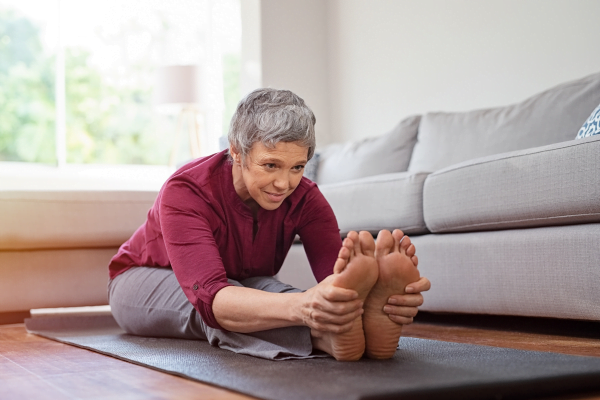
Weight loss exercises for seniors work best when they combine low-impact cardio, strength training, balance practice, and planned recovery. The safest starting point is not the hardest workout. It is a repeatable routine that protects joints, supports muscle, and helps you move more often during the week. If you manage heart disease, diabetes, neuropathy, arthritis, recent surgery, osteoporosis, or repeated falls, ask a clinician or physical therapist how to adapt exercise before increasing intensity.
Key Takeaways
- Start low-impact: walking, water exercise, cycling, or chair movement can reduce joint stress.
- Protect muscle: strength training supports daily function during weight loss.
- Add balance work: steadier movement lowers fall risk during activity.
- Progress slowly: change duration, frequency, or resistance one step at a time.
- Get help early: chest pain, fainting, new weakness, or unsafe dizziness need prompt care.
How Weight Loss Exercises for Seniors Should Be Built
A safe routine usually blends three movement types: aerobic activity, strength work, and balance practice. This mix matters because weight loss is not only about burning calories. Older adults also need to preserve lean muscle, keep mobility, and lower injury risk.
Public health guidance generally encourages older adults to do regular aerobic and muscle-strengthening activity when they can. People with chronic conditions should be as active as their abilities allow, with suitable adjustments. That is why exercise for weight loss for seniors should feel sustainable, not punishing.
A good starting plan should answer four questions. Can you do it safely? Can you repeat it most weeks? Does it protect strength? Does it leave you able to function the next day? If the answer is no, the plan may need to be gentler.
Low-impact cardio
Low-impact cardio raises your breathing rate without heavy pounding. Walking, indoor cycling, water aerobics, dancing, and swimming are common options. A short walk after meals may feel more realistic than one long session. Water exercise can be useful when knees, hips, or feet hurt on land.
Walking for weight loss in seniors works best when it becomes routine. Speed matters less at first than consistency, posture, and safe surfaces. Choose supportive shoes, clear pathways, and enough light. If balance feels uncertain, walk with a partner or use an approved assistive device.
Strength training
Strength work helps counter sarcopenia, which means age-related muscle loss. It can include sit-to-stand practice, wall pushups, resistance bands, light hand weights, heel raises, or carefully coached machines. These movements train the muscles used for stairs, chairs, carrying groceries, and steady walking.
Why it matters: Preserving muscle helps daily tasks feel less demanding while weight changes.
Strength training for seniors and weight loss should focus on control. Move through a comfortable range. Avoid holding your breath. Stop if pain feels sharp, sudden, or joint-based. If you have osteoporosis, a recent fracture, severe arthritis, or a joint replacement history, ask for exercise instructions specific to your condition.
Balance and mobility
Balance exercises help make the rest of the plan safer. They can include heel-to-toe walking near a counter, gentle tai chi, supported single-leg stands, or slow weight shifts. Mobility work keeps joints moving comfortably. It is not a warm-up afterthought; it supports every walk, class, and home workout.
Tai chi and gentle yoga may help some older adults improve body awareness and confidence. Choose beginner-level classes that welcome modifications. Avoid positions that cause strain, dizziness, or breath-holding.
A Starter Week You Can Adapt
A starter week for weight loss exercises for seniors should feel almost too easy at first. That gives your joints, balance, and confidence time to adjust. The example below is not a prescription. It is a framework to discuss with a clinician, trainer, or physical therapist if you have medical concerns.
| Day | Main Focus | Gentle Example | Safety Note |
|---|---|---|---|
| Day 1 | Low-impact cardio | Comfortable walk or stationary cycling | Use a pace that allows short sentences. |
| Day 2 | Strength basics | Sit-to-stand, wall pushups, band rows | Use support and avoid sharp joint pain. |
| Day 3 | Recovery movement | Light stretching or easy household activity | Keep movement gentle, not exhausting. |
| Day 4 | Cardio plus balance | Short walk, then supported weight shifts | Stay near a sturdy surface. |
| Day 5 | Strength basics | Heel raises, seated marches, light carries | Stop if dizziness or chest pressure appears. |
| Day 6 | Enjoyable activity | Water aerobics, dancing, or tai chi | Choose a beginner-friendly setting. |
| Day 7 | Rest or mobility | Gentle stretching or relaxed walking | Use rest to recover, not to quit. |
Pair movement with goals that do not demand rapid change. If you need help setting a practical target, read more about Realistic Senior Weight Loss Goals.
The calculator below can compare a planned weekly pace with a rough timeline. It helps estimate how long a target may take at a chosen weekly rate, but it does not decide whether a goal is medically appropriate.
Weight Loss Timeline Calculator
Estimate a simple timeline from current weight, goal weight, and average daily calorie deficit.
These calculations are for education only and do not replace clinical advice, diagnosis, or treatment. Always confirm medical decisions with a qualified healthcare professional.
Progress usually works better when you adjust one variable at a time. Add a few minutes, add one weekly session, or slightly increase resistance. Do not increase all three in the same week. That approach lowers the chance of soreness that disrupts the whole routine.
What Is the 3-3-3 Rule for Fat Loss?
The 3-3-3 rule is not one universal medical standard. Online, it can mean different things depending on the person using it. For older adults, a safer interpretation is simple: use three kinds of movement, begin with three manageable activity days, and progress in three ways only when ready.
Those three progress options are duration, frequency, and resistance. For example, you might extend a walk, add another short session, or use a slightly stronger resistance band. Pick one. Then watch how your body responds for several days.
This matters because older adults may need more recovery after a new activity. Muscle soreness that fades is common. Joint swelling, worsening pain, new numbness, or severe fatigue are not signals to push harder.
Age-Appropriate Options for Different Starting Points
Age-appropriate exercise depends more on function than age alone. Two people in their 70s can have very different needs. One may enjoy hiking. Another may need chair-based movement after a fall or illness. The right plan meets you where you are today.
Chair exercises and home workouts
Chair exercises can help when standing exercise feels unsafe. Seated marches, arm circles, seated knee extensions, and gentle band pulls can raise activity while lowering fall risk. They also help build confidence. For many people, chair work becomes a bridge toward standing strength and short walks.
At-home exercises for seniors should use stable furniture and clear floors. Avoid rolling chairs. Keep pets, cords, and loose rugs away from the exercise space. If you use oxygen, a walker, or a cane, ask a clinician how to arrange exercise safely.
Quick tip: Use a sturdy chair or countertop for support until balance improves.
Water aerobics, cycling, and group classes
Water aerobics can be helpful when body weight stresses painful joints. The water provides support and gentle resistance. Indoor cycling may also work well because it reduces impact. Seat height and posture matter, so ask for help setting up the bike if you are unsure.
Some older adults stay more consistent in a group. Look for beginner classes that include warm-ups, modifications, and fall-prevention awareness. A class should not shame you for slowing down. The safest instructor asks about comfort, balance, and medical limits before pushing intensity.
If chronic illness affects energy, breathing, pain, or blood sugar, exercise may need closer planning. The post on Diet and Exercise With Chronic Illness offers more context for balancing movement with long-term conditions.
Safety Adjustments for Joints, Nerves, and Heart Health
Safety adjustments are not signs of failure. They are what make a routine last. Weight loss exercises for seniors should reduce barriers, not create new injuries.
For arthritis or joint pain, low-impact choices often feel better than jumping or fast direction changes. Warm up gradually. Use shorter sessions if joints stiffen. Pain that changes your gait, meaning your walking pattern, deserves attention because it can strain other joints.
Exercise can help some people with neuropathy by supporting strength, balance, circulation, and glucose management. It does not replace medical care for nerve symptoms. If your feet are numb, inspect them after activity, wear well-fitting shoes, and avoid high-impact moves that make foot injuries easier to miss.
People with diabetes should ask their care team about blood sugar monitoring around exercise, especially if they use insulin or medicines that can cause hypoglycemia, which means low blood sugar. Carry fast-acting carbohydrate if your clinician has advised it. Repeated lows, severe highs, foot wounds, or new numbness need medical review.
For heart or lung conditions, intensity should stay within a safe range set by your care team. Stop exercise and seek urgent help for chest pain, fainting, severe shortness of breath, sudden weakness, new confusion, or symptoms that feel alarming. Do not restart hard activity until you have been assessed.
Belly Fat, Body Composition, and Realistic Progress
No exercise can choose exactly where fat comes off first. Belly fat exercises for seniors often promise targeted results, but spot reduction is not how the body usually works. Core exercises can strengthen the trunk. They do not guarantee waist loss by themselves.
The better target is body composition: less excess fat, preserved muscle, and better function. A routine that includes walking, strength work, balance, sleep, and nutrition tends to support that goal more safely than hundreds of crunches. Waist size may change gradually as overall habits change.
Weight loss after 65 also needs a careful balance. Losing weight too quickly can increase the risk of muscle loss, weakness, or nutrient shortfalls. If appetite is low, weight is dropping without trying, or you feel frail, speak with a clinician before aiming for more weight loss.
For broader lifestyle planning, Safe Weight Loss Strategies explains how food, movement, sleep, and medical factors can work together. You can also browse the Weight Management collection for related education.
Food, Recovery, and Medication Context
Exercise works better when recovery and nutrition support it. Older adults often need enough protein, fluids, and nutrient-dense meals to protect strength. Exact needs vary by kidney function, appetite, medical conditions, and medications. A registered dietitian can help if you have diabetes, kidney disease, swallowing issues, poor appetite, or unplanned weight loss.
Simple meals can make exercise easier. Aim for regular eating patterns, fiber-rich foods, and protein spread through the day when appropriate for your care plan. The term superfood can be overused, but Nutrient-Rich Foods for Weight Loss can help you think about food quality without relying on one magic ingredient.
Medication side effects can also affect exercise. Nausea, dizziness, dehydration, low blood sugar, or fatigue may change what feels safe on a given day. Do not stop or change a prescribed medicine because of an exercise plan without clinical guidance. If you are reviewing treatment choices with a clinician, Weight Loss Treatment Options gives a broader starting point.
Rest is part of training. Sleep, gentle movement, and recovery days help the body adapt. If soreness lasts several days or limits normal walking, reduce intensity and consider professional guidance.
How to Keep the Routine Going
The most effective weight loss exercises for seniors are the ones that become part of normal life. Build cues into your day. Put walking shoes by the door. Keep a resistance band near a favorite chair. Schedule movement after a regular meal or phone call.
Track more than body weight. Notice how far you can walk, how easily you rise from a chair, how steady you feel, and how often you complete planned sessions. These measures often show progress before the scale changes.
Support also helps. A walking partner, beginner class, physical therapist, or family member can make exercise feel safer. If you want more older-adult wellness topics, browse the Geriatrics collection.
Authoritative Sources
- CDC Physical Activity Guidelines for Older Adults: outlines aerobic, strengthening, balance, and ability-based activity guidance.
- National Institute on Aging Exercise Resources: explains endurance, strength, balance, and flexibility for older adults.
- Physical Activity Guidelines for Americans: provides national guidance on movement, intensity, and health considerations.
Start with movements you can repeat safely, then progress with patience. A balanced routine can support weight management, confidence, and daily function when it respects your health history.
This content is for informational purposes only and is not a substitute for professional medical advice.


