It is reasonable to ask how long has ozempic been studied before you commit to a medication. Many people want more than headlines. They want a clear timeline, what researchers measured, and what is still uncertain. This guide explains how evidence is built over time, what “long-term” can mean, and how to read safety information with less fear and more context.
Key Takeaways
- “Studied” includes trials, follow-up, and real-world safety monitoring.
- Weight-loss outcomes and diabetes outcomes are not the same evidence.
- Side effects range from common stomach symptoms to rare serious risks.
- Long-term use decisions usually depend on goals and tolerability.
- Bring specific questions to your clinician and pharmacist.
Overview
Ozempic is a brand of semaglutide, a GLP-1 receptor agonist (a hormone-mimicking medicine that affects appetite and blood sugar). If you are sorting through social media claims, it can be hard to separate real data from loud opinions. You may also be juggling stigma, cost stress, and mixed messages about “quick fixes.” Those pressures are real, and they can distort decision-making.
This update focuses on the evidence journey: early clinical development, pivotal trials, post-approval monitoring, and newer questions raised by broader use. You will also see practical steps for discussing risk, expectations, and follow-up with your care team. For a deeper look at mechanisms, see Appetite Control Explained.
We coordinate with licensed Canadian partner pharmacies for dispensing.
Why it matters: Clear timelines help you weigh benefits against uncertainty.
how long has ozempic been studied
People often treat this as a single number, but it is really a timeline with phases. Semaglutide was evaluated in controlled clinical trials before regulators authorized Ozempic in the U.S. Those trials typically follow a staged path: smaller dose-finding studies, then larger phase 3 trials designed to measure safety and effectiveness in defined groups. After approval, additional research continues through extensions, registries, and observational studies in routine care.
It also helps to separate “studied for diabetes care” from “studied for weight management.” Even when the active ingredient is the same, the trial populations, endpoints, and risk-benefit framing can differ. If you are also asking how long has ozempic been around, you are usually trying to estimate how much post-approval safety experience exists. That is a reasonable proxy, but it is not the whole story.
Core Concepts
What counts as “studied” in medicine?
When people ask about a medication’s history, they may picture one big experiment. In reality, evidence comes from many layers. Randomized controlled trials can show patterns under strict rules, with careful monitoring and defined outcomes. Extension studies follow participants longer, but often with fewer controls. Real-world studies use health records to detect uncommon problems or trends in broader groups. Regulators also use post-marketing surveillance, where clinicians and patients report adverse events. Each layer answers different questions, and each has blind spots.
This distinction matters because “long-term” can mean different things. A year-long trial can be long in research terms, yet still short compared with lifelong chronic disease management. When you read summaries of semaglutide clinical trials, check who was included, how outcomes were measured, and how dropouts were handled. Those details shape how confidently you can apply findings to your own situation.
GLP-1 history and why timelines feel confusing
Many readers ask how long has glp-1 been around because the drug class seems to have “appeared overnight.” The science is older than the trend cycle. GLP-1 is a natural gut hormone involved in glucose regulation and satiety signals. Medicines that target GLP-1 pathways evolved over time, starting with earlier GLP-1 receptor agonists and then newer agents with longer action. That is why you may see a large body of research on the class, even if a specific brand name is newer.
Another source of confusion is that brands are not interchangeable with ingredients. You might hear semaglutide discussed alongside other incretin-based medicines, and timelines get blended. If you want a quick sanity check, anchor yourself to regulatory milestones and labeling, then work outward to the broader research base.
Semaglutide weight-management trials and the STEP program
For readers focused on weight outcomes, the STEP trial semaglutide program is often the reference point. The step 1 trial semaglutide is frequently cited in media because it studied adults with overweight or obesity in a structured trial setting. These studies typically evaluate weight change, cardiometabolic markers, side effects, and adherence over many months. They can show what may happen when dosing, follow-up, and lifestyle guidance are consistent.
Still, trial settings can differ from daily life. Work schedules, food access, stress, sleep, and other medications all influence results. If you are looking for a grounded expectations framework, the article 6-Week Plan Expectations discusses early patterns people notice, without turning the process into a promise. It also puts the phrase 6 week plan ozempic weight loss results into context: early weeks can be informative, but they are not the whole story.
How to read ozempic clinical trial results without overinterpreting
Trial reports are easy to misread when you are scanning for a simple answer. Start with the basics: the studied population, the primary endpoint, and the duration. Then look for how safety was tracked, including why people stopped the medication. Adverse event tables can look alarming, but they often include mild symptoms. A more useful question is whether serious events were uncommon, how they were defined, and whether there were clear risk factors.
It also helps to recognize that “headline outcomes” are averages. Some people respond strongly, some modestly, and some do not tolerate therapy. If you are browsing summaries of ozempic study weight loss, pay attention to whether results came from diabetes-focused trials, obesity-focused trials, or mixed real-world data. In 2024, many updates you see under ozempic studies 2024 are not new approvals, but deeper analyses, longer follow-up, and safety monitoring in larger populations.
Semaglutide long-term safety and what remains uncertain
Semaglutide long-term safety is not a single yes-or-no answer. It is a moving picture built from trial follow-up, real-world reporting, and ongoing research. Some concerns are well described on official labels, including common gastrointestinal effects and guidance around certain risks. Other questions emerge as use expands to people with different medical histories, or as more people stay on therapy longer.
When people ask how long can you be on semaglutide for weight loss, they are often asking about two separate issues: medical safety and practical sustainability. Long-term management also includes nutrition quality, muscle mass preservation, mental health, and access to follow-up care. A responsible conversation includes what is known, what is unknown, and how monitoring plans reduce risk without creating panic.
Side effects, rare risks, and the “can ozempic kill you” question
Some search terms are blunt because anxiety is blunt. You may have seen the phrase can ozempic kill you, and it can feel frightening. In general, any prescription medication can be dangerous if misused, taken by the wrong person, or combined with contraindicated drugs. That does not mean severe outcomes are common. It does mean you should take symptoms seriously, read the official label, and avoid casual sharing of prescriptions.
Most ozempic side effects discussed publicly are gastrointestinal, such as nausea, vomiting, diarrhea, constipation, or abdominal discomfort. People also report reduced appetite, which can be helpful for some and disruptive for others. Rare but serious issues are addressed in prescribing information and may include pancreatitis (inflammation of the pancreas) or gallbladder problems, among others. If you are considering therapy, discuss your history and warning signs with a clinician who can personalize the risk conversation.
The rise of ozempic and ethical issues people are naming
The rise of ozempic has created real ethical issues. Some are about stigma: people are judged for using medication, and also judged for not losing weight “the right way.” Some are about access: shortages, uneven coverage, and inequities in who can get consistent follow-up. Others are about off-label use, including pressure to use a diabetes medication for cosmetic goals. These concerns are not abstract. They affect patient trust and can lead to unsafe behaviors.
One practical response is to bring ethics back to basics: informed consent, realistic expectations, and continuity of care. That includes acknowledging that weight is influenced by biology, environment, trauma, and socioeconomic factors. It also means supporting people with diabetes who may depend on stable access, while still recognizing that obesity is a serious, chronic condition for many patients.
Practical Guidance
If you are researching how long has ozempic been studied, you are already doing an important part of self-advocacy. The next step is to convert “internet research” into a short list of questions your clinician can answer. Bring your medication list, your health history, and your priorities. Priorities might include appetite control, A1C goals, weight outcomes, or avoiding certain side effects. Each priority changes the risk-benefit lens.
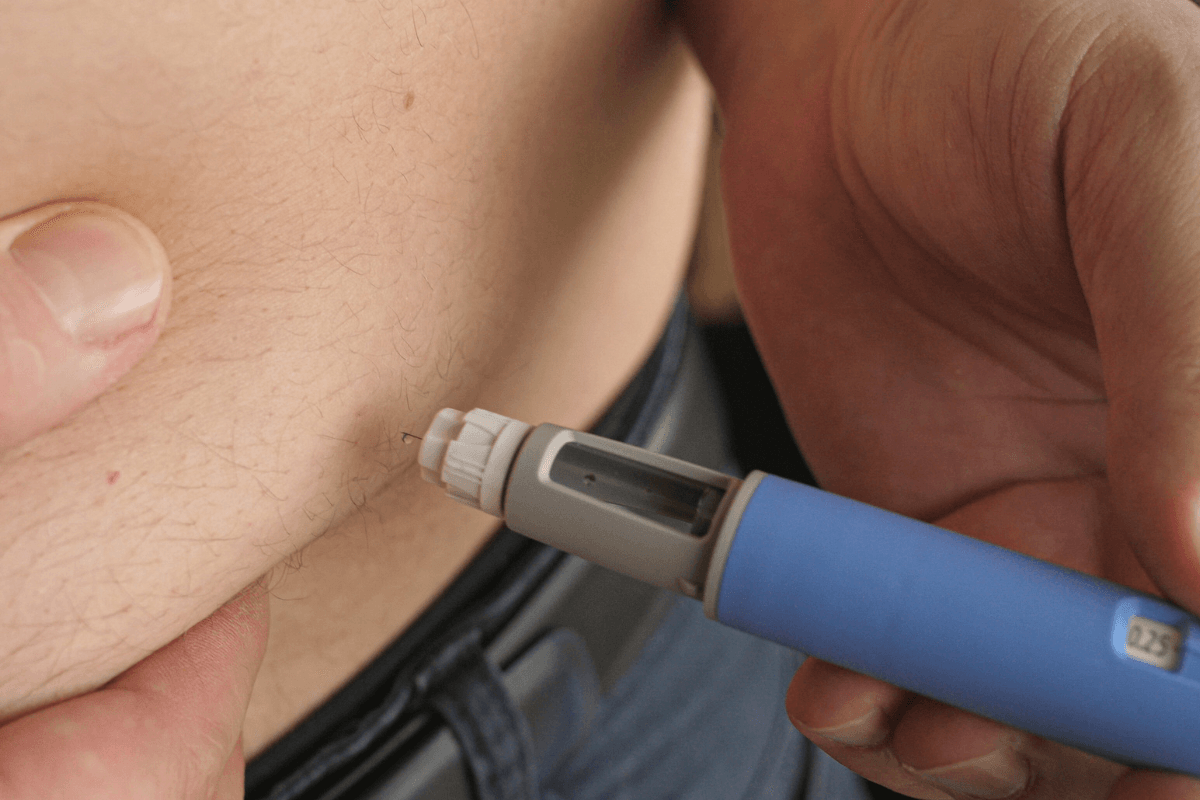
It can also help to plan around logistics. Many people do better when they anticipate common GI symptoms and build routines that support hydration, fiber, and regular meals. Avoid extreme restriction, which can worsen nausea and fatigue. If injections are part of your regimen, consider learning technique basics from Injection Sites Tips.
Quick tip: Keep a simple symptom log for the first month.
Here is a neutral checklist to bring to a visit or pharmacist conversation:
- Your goal and timeframe: health outcomes, not aesthetics.
- Your history: pancreatitis, gallbladder, kidney issues, GI disease.
- Current meds: insulin, sulfonylureas, or appetite suppressants.
- Side effect plan: nausea strategies and when to call.
- Follow-up plan: labs, weight, and tolerability check-ins.
People also ask about the maintenance dose of ozempic after weight loss. The important point is not a number. It is the concept of maintenance and whether stopping leads to rebound appetite or weight regain for some people. That is a clinical conversation about long-term management, not a DIY adjustment.
Before any dispensing, prescriptions are confirmed directly with prescribers.
If your next step is understanding how prescriptions are typically evaluated and documented, you can read Get Prescribed Ozempic Safely. Nutrition questions also come up early, and Foods To Avoid can support more informed meal planning discussions.
Compare & Related Topics
Comparisons can help you ask better questions, but they can also invite oversimplification. Ozempic and Wegovy contain semaglutide, yet they are approved for different indications and have different labeling. Tirzepatide is a different molecule, often discussed under brand names like Mounjaro and Zepbound. If you are trying to orient yourself, questions like how long has semaglutide been around and how long has tirzepatide been around are really about maturity of evidence and post-approval experience.
Market timing questions show up in searches too, including how long has mounjaro been on the market, how long has wegovy been on the market, and how long has zepbound been on the market. Those dates can be verified on regulator sites, but remember that “on the market” is not the same as “fully understood.” Real-world safety signals often take time to clarify, especially for rare events.
Cash-pay access may help some people who are without insurance.
If you want structured reading on options, these comparisons can help frame discussions with your clinician: Mounjaro vs Ozempic and Zepbound vs Ozempic. If you are browsing medication options, you can also review product background pages for Ozempic, Wegovy, and Mounjaro. These are not substitutes for medical advice, but they can help you track names and formulations.
Authoritative Sources
To keep your research grounded, prioritize original documents over screenshots and summaries. When you see debates about how long has ozempic been studied, the most reliable starting point is the prescribing information and regulator communications. These sources describe approved uses, known risks, and monitoring notes in plain, standardized language.
Clinical trial publications add nuance, especially around study design and participant characteristics. But for safety basics, official labeling is often the most direct reference. For additional site reading, the All Articles archive can help you explore related topics at your pace.
- For FDA-approved labeling context, see FDA drug label database and approval documents.
- For public safety reporting context, see FDA FAERS safety reporting overview.
Recap
The most empowering answer to how long has ozempic been studied is not just a date. It is understanding how trials, follow-up, and real-world monitoring work together. If you feel overwhelmed by conflicting claims, narrow your focus to three areas: what the label says, what the major trials actually measured, and what your own risk factors may be. That approach supports safer, calmer decision-making.
This content is for informational purposes only and is not a substitute for professional medical advice.
________________________________________________________________________________________
Medically Reviewed by: Ma Lalaine Cheng.,MD.,MPH