

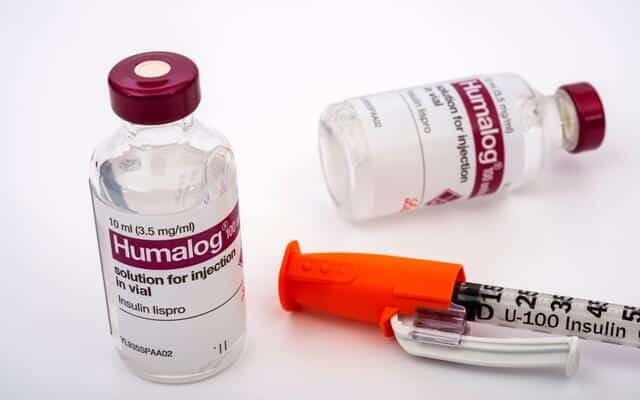
If you are comparing Humalog vs Novolog, the practical answer is that both are rapid-acting mealtime insulins, but they should not be swapped casually without clear instructions. Humalog is insulin lispro. NovoLog is insulin aspart. Both can help cover meals and correction doses, yet timing instructions, devices, insurance formularies, pump settings, and glucose monitoring plans can differ. That matters because even a small change in insulin routine can affect post-meal highs or low blood sugar.
The better question is rarely which one is universally better. It is whether the insulin, device, written dose plan, and follow-up monitoring fit your current diabetes care. This page explains insulin lispro vs insulin aspart in plain language, with a focus on dosing logic, meal timing, switching basics, pump use, and warning signs that need faster follow-up.
Key Takeaways
- Same broad role: both are rapid-acting insulin analogs used around meals.
- Different molecules: Humalog is lispro, while NovoLog is aspart.
- Dosing stays personal: ratios, correction factors, and glucose trends matter more than brand names.
- Switching needs review: devices, pump settings, and meal timing can change the real-world effect.
- Safety comes first: repeated lows, sustained highs, ketones, vomiting, or confusion need prompt medical guidance.
Humalog vs Novolog in Everyday Diabetes Care
Humalog and NovoLog are both designed to work faster than older regular insulin. They sit in the group often called Rapid-Acting Insulin, which is usually used to cover meals, snacks, or correction doses when prescribed. For broader context, Types Of Insulin explains how mealtime and background insulin roles differ.
The main clinical distinction is the active ingredient. Humalog contains insulin lispro. NovoLog contains insulin aspart. These are insulin analogs, meaning their structures are modified from human insulin so they can act more quickly after injection. For many people, that chemical difference is less noticeable than the practical details: when the dose is taken, which pen or vial is used, and how glucose responds after meals.
Either product may be used in people with type 1 diabetes or in some people with type 2 diabetes who need mealtime insulin. The surrounding regimen can look very different from person to person. Someone using a pump has different safety concerns than someone using a long-acting insulin plus injections at meals. People who are new to insulin also need different support than those adjusting a long-standing routine.
Why it matters: A familiar insulin name does not replace a clear, current dosing plan.
If you want background on condition differences, the Type 1 Diabetes and Type 2 Diabetes collections can help you navigate related topics.
How Dosing Compares Without Using a Conversion Chart Alone
Humalog vs Novolog dosing follows the same general idea: the insulin is used for meals and corrections, not as the main background insulin. The actual dose depends on your prescribed insulin-to-carbohydrate ratio, correction factor, meal size, recent activity, illness, kidney function, and recent patterns of low or high glucose. A brand comparison cannot safely replace those individual instructions.
Some emergency switching references describe rapid-acting insulin analogs as similar on a unit basis. That does not mean every person should make a one-for-one switch without review. A prescriber may change instructions when there have been frequent lows, appetite changes, pregnancy, steroid use, kidney disease, gastroparesis (delayed stomach emptying), recent hospital discharge, or major changes in activity.
Be cautious with any generic insulin conversion chart. It cannot know whether your high readings come from meal timing, missed doses, infusion-site problems, carbohydrate estimates, background insulin, illness, or exercise. It also cannot check whether your written instructions use fixed mealtime doses, carb ratios, sliding scales, or pump settings.
For example, a person using a fixed dose before breakfast may need a different switching conversation than someone using a carb ratio at every meal. A person using a pump may need settings reviewed before the first reservoir fill. The insulin name is only one part of the system.
What usually drives the dose
- Carbohydrate plan: how meal carbs are counted or estimated.
- Correction factor: how prescribed corrections are calculated.
- Glucose pattern: repeated lows or highs over several days.
- Meal timing: how soon food follows the dose.
- Other insulin: basal insulin or pump basal settings.
- Health changes: illness, steroids, kidney disease, or pregnancy.
If you track glucose in different units, a simple converter can help you compare readings from labels, meters, or international sources. It only converts units and does not provide dosing advice.
Blood Glucose Unit Converter
Convert glucose readings between mg/dL and mmol/L without changing the clinical value.
These calculations are for education only and do not replace clinical advice, diagnosis, or treatment. Always confirm medical decisions with a qualified healthcare professional.
Timing Before Meals: Small Differences Can Matter
Both products are taken close to meals, but timing instructions should come from the label and your care plan. NovoLog labeling describes use shortly before a meal, while Humalog labeling allows dosing within a short window before eating or soon after starting a meal. Your prescriber may give different instructions based on glucose patterns, meal habits, and hypoglycemia risk.
This is where Humalog vs Novolog can feel different in daily life. If meals are predictable, the difference may be subtle. If meals are delayed, skipped, smaller than expected, or followed by exercise, timing becomes more important. Taking rapid-acting insulin too early can increase low-glucose risk if food is delayed. Taking it too late can allow post-meal glucose to rise.
Ask for specific instructions about common real-life situations. What if the meal is late? What if you are unsure how much you will eat? What if your pre-meal glucose is already low or much higher than usual? Those answers are more useful than a general comparison of onset or duration.
Symptoms can also guide follow-up. Learn the basics of low glucose, including shakiness, sweating, confusion, fast heartbeat, or weakness. Also watch for persistent high glucose symptoms such as thirst, frequent urination, fatigue, or blurred vision. If patterns change after a switch, share the trend rather than only reporting one reading.
Device and Pump Details That Change the Experience
Device differences can matter as much as the insulin itself. A vial, prefilled pen, cartridge, or pump reservoir changes the steps needed to prepare and deliver a dose. Even when the insulin dose is unchanged, a new device can affect priming habits, dose-window visibility, needle attachment, cartridge loading, and confidence with injections.
For example, someone moving from a vial to a prefilled pen may need to review priming and needle disposal. Someone moving from one pen system to another may need to check cartridge compatibility and training steps. If your prescription changes from a Humalog KwikPen to another format, the workflow may change even when the prescribed insulin role stays familiar.
Vial users should also avoid assuming that two vials are handled identically in every care plan. Product labels and pharmacy instructions may differ for storage, in-use handling, or pump compatibility. Relevant product pages such as Insulin Humalog Vial and Insulin NovoRapid Vial can help readers recognize product formats, but dosing decisions still belong with the prescribing plan.
Pump use adds another layer. Rapid-acting insulin in a pump is not just a vial swap. Basal rates, insulin-to-carb ratios, correction factors, active insulin time, infusion-site changes, and backup injection plans all need review. If pump delivery is interrupted, glucose can rise quickly because there may be no long-acting insulin on board.
Quick tip: Bring your current device and written instructions to any switching discussion.
Are These Insulins Interchangeable?
Humalog and NovoLog are close therapeutic alternatives, but “interchangeable” can mean different things. In casual conversation, people may use it to mean the products do the same broad job. In clinical care, the safer meaning is that a qualified professional has reviewed the switch, the instructions, and the monitoring plan.
Insulin lispro vs insulin aspart is not only a molecule comparison. It is also a device, supply, and routine comparison. A switch may involve a new pen, new cartridges, a different vial, new pharmacy documentation, or a changed insurance preference. It may also require updated labels for carb ratios, correction scales, pump settings, or sick-day instructions.
Access issues can also drive switching. A formulary change does not prove that one product is stronger or weaker. It often means the person needs a safe way to continue mealtime insulin with clear instructions. BorderFreeHealth connects U.S. patients with licensed Canadian partner pharmacies, and prescription details may be verified with the prescriber when required before a pharmacy dispenses medication.
If you are considering switching from Humalog to Novolog, or switching from Novolog to Humalog, avoid making the change from leftover supplies or a borrowed pen. Confirm the exact product, concentration, device, prescription directions, monitoring plan, and what to do if readings move outside your usual range.
What to Review Before a Switch
A safe switching conversation starts with your current routine, not the new brand name. Bring enough information for your care team to see the full pattern. A few days of glucose data can be more useful than a single high or low reading, especially when meals, exercise, or illness have changed.
Use this checklist as a preparation tool, not as a self-directed switching plan.
- Current insulin: brand, generic name, and device.
- Written directions: fixed dose, ratio, scale, or pump settings.
- Meal pattern: timing, carb counting, and missed meals.
- Recent readings: pre-meal, post-meal, overnight, and exercise-related trends.
- Low events: timing, severity, and possible triggers.
- High events: duration, ketones, illness, or site problems.
- Backup plan: supplies for injections, monitoring, and sick days.
Monitoring is the other half of Humalog vs Novolog switching. Some people use fingerstick checks. Others use continuous glucose monitoring. Either approach should focus on trends before meals, after meals, overnight, and during activity. If you use CGM reports, time in range, frequent lows, and post-meal spikes may help guide a clinician’s review.
People without insurance may also be comparing access pathways. BorderFreeHealth supports cash-pay, cross-border prescription options when eligible and permitted by jurisdiction, but the clinical decision about whether a switch is appropriate remains separate from access logistics.
When to Contact a Clinician Sooner
Most mealtime insulin changes are manageable with clear instructions, but some patterns deserve faster help. Contact your care team promptly for repeated low glucose readings, sustained high readings that do not respond as expected, moderate or large ketones, vomiting, trouble keeping fluids down, fever with rising glucose, or confusion about when to dose.
Seek urgent care for severe hypoglycemia, loss of consciousness, seizure, symptoms of diabetic ketoacidosis (dangerous acid buildup), trouble breathing, severe dehydration, or ongoing vomiting. Pump users should act quickly if insulin delivery may have stopped, because rapid-acting insulin leaves little backup once delivery is interrupted.
Extra caution is reasonable during pregnancy, after a hospital stay, during steroid treatment, with kidney disease, or when appetite is unpredictable. In those situations, even a familiar rapid-acting insulin comparison needs closer clinical review.
Viewed this way, Humalog vs Novolog is less about declaring a winner. It is about matching the chosen insulin to the full routine, the device, the timing instructions, and the monitoring plan.
Authoritative Sources
For label-backed details and switching context, these sources are useful starting points:
- FDA prescribing information for Humalog insulin lispro
- FDA prescribing information for NovoLog insulin aspart
- American Diabetes Association insulin switching reference
This content is for informational purposes only and is not a substitute for professional medical advice.


