

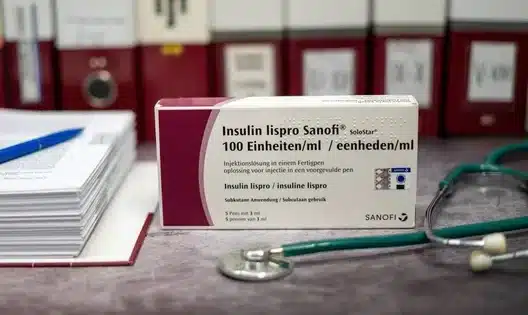
The lispro insulin peak time is usually about 30 to 90 minutes after a dose, although the exact pattern can vary. Lispro is a rapid-acting mealtime insulin. It often starts lowering blood sugar within about 15 minutes and may keep working for roughly 3 to 5 hours. Knowing that timeline matters because meal delays, extra activity, or a second correction dose can overlap with insulin that is still active.
Key Takeaways
- Lispro works quickly and is designed for meals.
- Peak effect usually happens within about 30 to 90 minutes.
- Total action often lasts several hours, not just the meal itself.
- The same dose can feel different when food, exercise, or digestion changes.
- Charts are useful starting points, but a written care plan matters most.
Understanding Lispro Insulin Peak Time
Lispro is one of the rapid-acting insulin analogs used to cover meals and correct high glucose. When people ask about onset, peak, and duration, they are really asking three different questions: how soon it starts working, when it is strongest, and how long some effect can still remain. Those numbers help explain why lispro is usually grouped with mealtime insulin rather than background, or basal, insulin.
Most general references describe lispro this way: it begins acting in about 5 to 15 minutes, reaches its strongest effect at roughly 30 to 90 minutes, and may continue to lower glucose for around 3 to 5 hours. Official labeling also notes that these numbers are only general guides. Real-life response can shift based on the dose, injection site, blood flow, recent exercise, the size and type of meal, and even how quickly your stomach empties food into the bloodstream.
Onset, peak, and duration are not the same thing
Onset does not mean full strength right away. Peak does not mean the insulin suddenly turns off after that point. Duration also does not mean the insulin is equally strong for the entire window. Think of the action profile as a curve: it rises, reaches its strongest point, and then tapers. That taper matters because glucose can still be affected even after the most noticeable part of the dose has passed.
| Term | Typical timing | What it means |
|---|---|---|
| Onset | About 5 to 15 minutes | When glucose-lowering begins |
| Peak | About 30 to 90 minutes | When the effect is strongest |
| Duration | About 3 to 5 hours | How long some effect may remain |
One point often gets missed: onset, peak, and duration describe tendencies, not promises. Two readings taken at the same clock time on different days can look different because the meal, hydration, activity, and stress level were different.
Why it matters: Fast insulin can still be active long after the first bites of a meal.
BorderFreeHealth works with licensed Canadian partner pharmacies.
Why Meal Timing Matters With Lispro
Lispro is meant to match the rise in glucose after eating. Because it works quickly, timing around meals matters more than with older short-acting insulin. Many people are told to use lispro shortly before eating, but the exact timing in a personal care plan can differ. What matters here is the logic: if insulin arrives much earlier than food, blood sugar may fall sooner than expected. If the meal is delayed or the food absorbs slowly, the mismatch can feel even bigger.
The reverse can also happen. If food is eaten first and insulin comes much later, glucose may rise early, then drop later. That pattern can be especially noticeable after large meals, very high-carbohydrate meals, or meals that combine carbs with a lot of fat, which can delay digestion. People with gastroparesis, or slow stomach emptying, may notice this even more.
Before or after meals?
Many patient education materials describe lispro as a pre-meal insulin because it is designed to act quickly. But real-life instructions can vary. Some people are told to dose right before eating. Others may have a plan that accounts for uncertain appetite, delayed meals, or digestion problems. The safest takeaway for an educational page is this: lispro works on a faster clock than regular insulin, so meal timing questions deserve specific instructions in the written care plan.
A timing question is often part of a bigger diabetes picture. If you are sorting through new symptoms, it may help to review Signs Of Hyperglycemia, How To Test For Diabetes, or the broader Diabetes Hub. If you are still learning the basics, Types Of Diabetes and Type 1 Vs Type 2 Diabetes can help put mealtime insulin in context.
That context matters because lispro timing is not just a math problem. It is part of how meals, glucose patterns, and treatment goals fit together in daily life.
What the 3-Hour Rule Can and Cannot Tell You
The 3-hour rule is a shorthand some people use to remember that rapid-acting insulin may still be working for several hours after a dose. The idea is simple: if you add more insulin too soon, you may be stacking insulin that has not finished working. That can matter whether you use injections or a pump, but it is not a universal rule that fits every person, every product, or every device setting.
For lispro, the broader point is more useful than the slogan. Even after the peak has passed, some glucose-lowering effect may still remain. That is why a number that looks high at one moment does not always tell the full story. Timing, trend direction, recent food, and active insulin all matter.
People who use pumps or smart pens may also see terms like insulin on board or active insulin time. Those settings are meant to estimate how much bolus insulin may still be working. They are useful concepts, but the exact numbers are device- and person-specific. That is another reason the 3-hour rule should be treated as a rough memory aid, not a universal command.
Quick tip: Keep a simple log of dose time, meal time, and symptoms when patterns feel hard to read.
If you have type 2 diabetes and are reviewing where insulin fits alongside other therapies, the Type 2 Diabetes Hub and the Type 2 Diabetes Options Hub can help you browse related topics.
Lispro Compared With Regular Insulin and Other Mealtime Options
Lispro works faster than regular insulin. That is the biggest practical difference. Regular insulin is a short-acting insulin, not a rapid-acting analog. It typically starts later, peaks later, and keeps working longer. So when someone describes an insulin that begins around 30 minutes, peaks around 2 to 4 hours, and lasts longer into the day, they are usually describing regular insulin more than lispro.
This difference helps explain meal timing advice. Rapid-acting options like lispro are designed to work closer to the start of a meal. Regular insulin usually needs more lead time because its onset is slower. Some people also compare lispro with other rapid-acting insulins, such as aspart. Those drugs are often discussed in a similar mealtime category, but labeling, delivery devices, and personal plans can differ, so one chart never tells the whole story.
Humalog and Admelog are brand names for insulin lispro. Because they share the same active ingredient, people often talk about their timing using the same broad rapid-acting ranges. Even so, the official labeling still presents onset, peak, and duration as general guides rather than guarantees.
If you live with type 2 diabetes, mealtime insulin may be only one part of treatment. Background reading on Type 2 Diabetes Symptoms, Insulin Resistance, and Insulin Resistance Treatment can make the bigger treatment picture easier to follow. Some people also use non-insulin medicines at the same time, which is why broader treatment conversations often include tools beyond mealtime insulin alone.
This is also why the lispro insulin peak time matters so much around meals and correction doses. The effect arrives quickly, but leftover action can still remain later than many people expect.
When needed, the pharmacy confirms prescription details with the prescriber.
Why Timing Can Feel Different From One Dose to the Next
Even when you use the same insulin, the same number of units can feel different on different days. That does not always mean the insulin changed. More often, the surrounding conditions changed. A timing chart is useful, but it is not a promise.
Several factors can shift how lispro behaves in real life:
- Meal composition: high-fat or high-protein meals may delay the glucose rise.
- Injection site: absorption can vary between abdomen, thigh, and arm.
- Activity level: exercise can increase insulin sensitivity and change timing.
- Illness or stress: hormones can push glucose higher and blunt the expected effect.
- Active insulin: a prior correction or meal dose may still be working.
- Digestion issues: slow stomach emptying can delay when food shows up in the bloodstream.
This is also why the lispro insulin peak time should be treated as a range, not a stopwatch. A continuous glucose monitor, if you use one, or a written log can show whether highs or lows tend to appear before the meal, about an hour later, or several hours later. That pattern is often more useful than focusing on one isolated reading.
People sometimes assume a late spike means the insulin failed, or a low means the dose was wrong. Sometimes the simpler answer is a timing mismatch between food absorption and insulin action. Identifying that mismatch is a conversation starter, not a do-it-yourself dose change.
If you are trying to spot a pattern, compare similar days rather than random ones. A breakfast dose on a workday may behave differently from a restaurant dinner, a day with strenuous exercise, or a sick day. Looking at two or three matched examples can make the true timing issue easier to see.
Questions to Bring to Your Diabetes Visit
If timing feels unpredictable, a structured review can be more helpful than guessing. Bring a few recent examples and focus on what happened before, during, and after the meal.
Useful notes include the clock time of the dose, what you ate, when you started eating, whether you finished the meal, and what your glucose did over the next few hours. That level of detail can be more informative than saying a dose simply worked or did not work.
- What time was the dose taken relative to the meal?
- What kind of meal was it, and was it delayed?
- Were there symptoms of a low or high later on?
- Was there exercise, illness, or unusual stress that day?
- Was any earlier dose still active?
- Does the written plan say anything specific about pre-meal timing?
It can also help to ask how your clinician thinks about active insulin time, correction timing, and when a reading is still being influenced by a previous dose. Those questions are especially useful if the phrase lispro insulin peak time keeps coming up, but the numbers on your meter or CGM do not seem to match the chart.
A simple way to remember the timeline
Think of lispro as meal-speed insulin: it starts fast, peaks early, and fades sooner than regular insulin. If you remember only one distinction, remember that rapid-acting insulin is built to work closer to the meal than older short-acting insulin.
A simple memory cue is rapid equals early. Lispro starts sooner, peaks sooner, and fades sooner than regular insulin. That is not a dosing rule, but it is a useful way to organize the chart in your head.
Some eligible patients use cash-pay cross-border options when they do not have insurance.
Authoritative Sources
- For a plain-language insulin overview, see the CDC page on insulin types.
- For label-backed timing details, review the FDA Humalog prescribing information.
- For a concise comparison table, the Merck Manual insulin action chart is useful.
In short, lispro works quickly, reaches its strongest effect early, and can keep influencing glucose for several hours. Knowing the general lispro insulin peak time can help you ask better questions about meal timing, active insulin, and patterns that deserve a closer look.
This content is for informational purposes only and is not a substitute for professional medical advice.


