Key Takeaways
- Keep it welcoming: Options should fit many abilities and comfort levels.
- Focus on function: Strength, balance, and walking support daily independence.
- Make safety simple: Clear cues, hydration breaks, and rest spots help.
- Build community: Buddy systems and local partners improve follow-through.
- Think beyond one day: Small weekly habits can add up.
It can be hard to stay active with aches, fear of falling, or a busy schedule. National senior health and fitness day is a helpful reminder that movement can be gentle, social, and doable. It is also a chance to learn safe options and find support.
You’ll find practical ways to participate, whether alone or with a group. You’ll also see how to plan inclusive events, choose safer activities, and keep motivation going afterward.
National Senior Health and Fitness Day: Move for Wellness, Explained
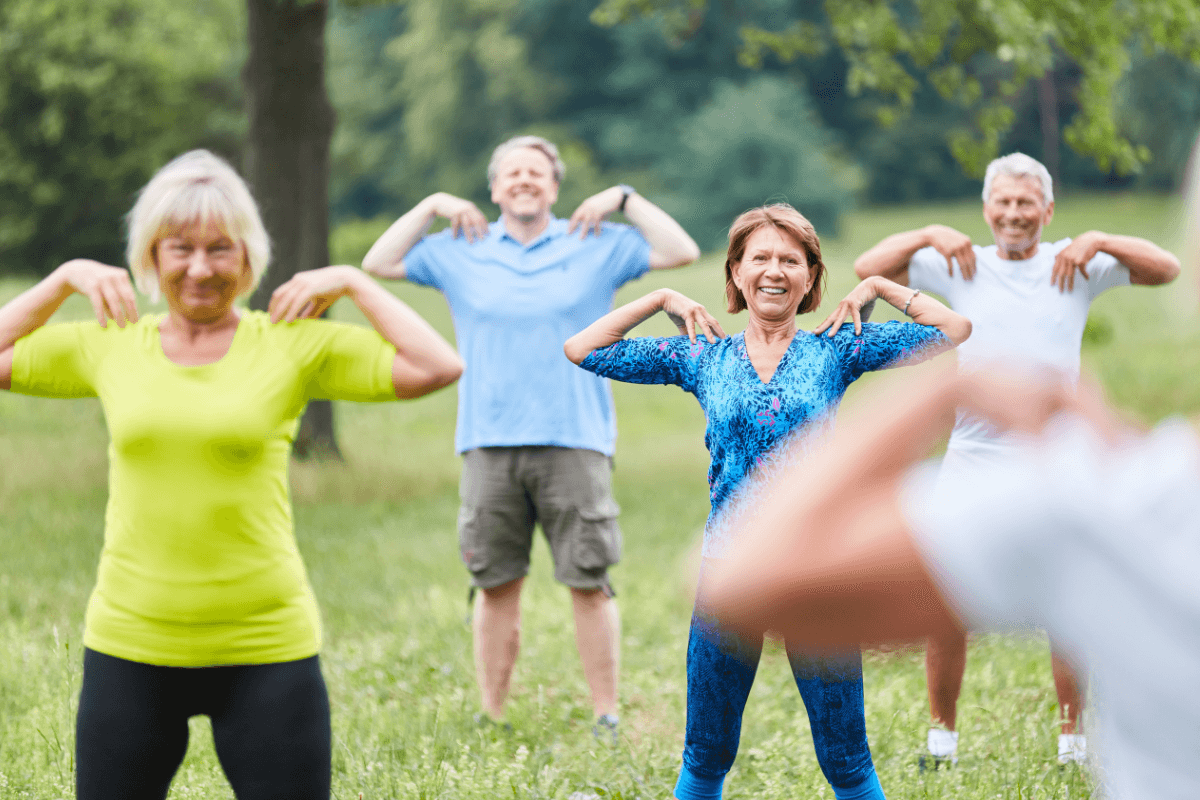
The day is a nationwide observance that celebrates movement and healthy aging. Many communities mark it with classes, walking groups, and wellness education. Some events feel like a mini health fair, while others are simple meetups at a park or senior center.
Why this matters is straightforward. Regular activity supports heart health, bone strength, balance, and mood. It can also make everyday tasks easier, like carrying groceries or getting up from a chair. If you want the formal event background, the NCOA event page offers basic details in plain language.
It may help to think of this observance as a “practice day,” not a performance. The goal is to explore options you can repeat. That can include gentle stretching, water exercise, tai chi, or short walks with rest breaks. Many people also use it to reconnect with friends and reduce isolation.
Senior health awareness day is sometimes used informally to describe this same idea. The name varies, but the message is consistent: movement can support quality of life at any age. If you have a health condition or take medicines that affect balance, it is reasonable to ask a clinician what activities are best for you.
Date, History, and Local Proclamations
This observance is typically held on the last Wednesday in May. That timing helps many sites use spring weather for outdoor walks and group classes. Still, local programs may shift dates due to space, staff, or climate. Checking your city, county, or senior center calendar can prevent surprises.
If you are looking ahead to the 2025 or 2026 observance, planning early can help with transportation and accessibility needs. Some communities coordinate with transit services or volunteer drivers. Others offer hybrid options like a short in-person session plus a recorded class for later.
The history of the day is rooted in community-based health promotion for older adults. Over time, it has grown into a coordinated set of events across the U.S. Many local leaders also issue proclamations that recognize healthy aging efforts. If you enjoy civic participation, you can ask a community center or aging services office whether a proclamation is planned.
Social sharing can also build momentum, especially for people who cannot attend in person. Keep it respectful and privacy-minded. A simple photo of walking shoes or a step-tracking screenshot can be enough. If you want general movement targets from a public health source, the CDC guidance for older adults summarizes common recommendations without hype.
Planning Inclusive Community Events That Support Healthy Aging
Great events feel safe, flexible, and free of pressure. A good first step is to ask participants what would help them show up. Common answers include clear directions, nearby parking, seating, and options for different mobility levels. When people can choose their intensity, they are more likely to return.
Try to offer more than one “entry point.” For example, provide a standing version and a seated version of the same movement. Include breaks every 10–15 minutes, plus water access. If you are planning screenings or education booths, keep them optional and non-judgmental.
To support senior fitness activities for older adults, many organizers use simple stations. Each station can teach one skill and one safety cue. That format also reduces crowding and helps staff notice if someone needs assistance.
| Station | What it teaches | Safety cue |
|---|---|---|
| Warm-up and breathing | Gentle range of motion | Move within comfortable limits |
| Strength basics | Functional pushing and pulling | Exhale on effort, avoid breath-holding |
| Balance practice | Steady stance and weight shifts | Stand near a wall or sturdy chair |
| Walking loop | Pacing and rest breaks | Use supportive shoes, choose shaded routes |
| Health education corner | Questions for clinicians | Encourage follow-up for personal advice |
Partnerships can add value without making the day complicated. For broader aging topics, explore the Geriatrics category for context and education-focused reading. If blood pressure is a concern for many attendees, Managing High Blood Pressure can help frame activity-friendly lifestyle questions. If diabetes comes up often, Diabetes Management Strategies may help people plan movement around meals and monitoring.
Accessibility details matter as much as the activity list. Consider quiet spaces for rest, clear signage, and microphones for instructors. If you provide mats, offer chair-based alternatives too. A calm, supportive environment helps people feel safe trying something new.
Chair Exercises for Seniors: A Gentle, Adaptable Start
Seated movement can be a smart option when balance is shaky or endurance is low. A stable chair (not a wheeled chair) can support posture and confidence. Many group classes start with ankle pumps, gentle knee lifts, shoulder rolls, and easy arm reaches. These moves may help warm joints and wake up muscles without overloading them.
The safest approach is to keep motions controlled and pain-aware. Aim for smooth breathing and a relaxed jaw. If dizziness, chest pressure, or unusual shortness of breath occurs, it is a good reason to pause and seek medical help. People with arthritis or osteoporosis may prefer smaller ranges of motion and slower transitions.
Tip: Put the chair against a wall for extra stability.
Medicines can also affect coordination, blood pressure, or alertness. If you use a muscle relaxant or other medicines that can cause sleepiness, ask a pharmacist or clinician how that may affect exercise safety. For a plain-language overview you can discuss at an appointment, see Baclofen for basic medication context.
If you are organizing a class, cue participants to use support without embarrassment. Normalize rest breaks and water breaks. Also remind the group that progress can be quiet and steady. For many people, the first win is simply showing up.
Balance Exercises for Seniors and Fall-Prevention Confidence
Balance work is not only about “not falling.” It is about feeling steadier during everyday moments. That includes turning in a kitchen, stepping off a curb, or reaching into a closet. Balance practice may also support confidence, which can reduce activity avoidance over time.
Start with safety first. A sturdy counter, rail, or heavy chair can serve as a support point. Many people do well with simple weight shifts, heel-to-toe stands near a wall, or slow marching in place. Shoes should fit well and have non-slip soles. If vision changes or neuropathy (reduced sensation in the feet) is present, extra support is wise.
Home setup can help as much as the exercises. Clear clutter, secure rugs, and add good lighting. If falls are a concern, Preventing Falls And Fractures offers a practical checklist for safer routines. It can also help families talk about support without taking away independence.
Balance can fluctuate day to day. Poor sleep, dehydration, or an illness can make a big difference. That is why it helps to plan options: do a seated routine on “low energy” days, and do standing practice when you feel steadier. Flexibility keeps people moving safely, even when life is messy.
Strength Training for Seniors for Daily Function
Muscle strength supports the movements people rely on every day. Standing from a chair, climbing stairs, and carrying bags all require leg, hip, and core strength. Resistance work can also support joint stability, which may ease worry about activity. Many programs use bands, light weights, or bodyweight movements.
Technique matters more than intensity. Slow, controlled repetitions often feel safer than fast motions. Common functional exercises include sit-to-stands, wall push-ups, and gentle rowing motions with a band. It is also fine to work one side at a time if coordination is challenging.
Bone health is part of this picture, especially after menopause or with osteoporosis risk. Weight-bearing activity and strengthening can support bone maintenance, along with nutrition and medical care. For a deeper explanation of how movement supports bones, read Exercise And Bone Health for context and practical ideas.
Rest is a training tool, too. Muscles need time to recover, especially after long periods of inactivity. Soreness can happen, but sharp or worsening pain is a reason to stop and reassess. If you have a heart condition, joint replacement, or neurologic condition, it is reasonable to ask a clinician or physical therapist for a tailored plan.
Walking Program for Seniors: Build Stamina at Your Pace
Walking is one of the most accessible ways to move. It can be done indoors, outdoors, or even in short loops at home. It also scales well: you can change speed, distance, terrain, and rest breaks. Many people find it easier to stick with walking when it is tied to a routine, like after breakfast or before an afternoon phone call.
Comfort and safety make walking more sustainable. Supportive shoes and a predictable route reduce stress. If you use a cane or walker, practice on flat surfaces first. In hot or icy weather, indoor options like mall walking can be a safer substitute.
Note: If you feel unsteady, walk with a partner when possible.
If weight changes are part of your goals, walking may help as one piece of the puzzle. It also supports sleep and mood for many people. For pacing ideas that respect changing joints and energy, Exercise For Weight Loss shares age-aware strategies without extreme rules.
Progress can be measured in many ways. Maybe you recover faster after a short hill. Maybe you need fewer stops. Those are meaningful wins. If you have new swelling, chest discomfort, or fainting, it is important to seek medical evaluation before pushing further.
Motivation, Social Media, and Keeping the Momentum Going
Motivation often improves when activity feels connected to life, not separated from it. Some people do better with a buddy. Others like a simple calendar check mark. Music, audiobooks, and phone calls during a walk can also make the time pass more easily.
If you post online, keep it simple and safe. Share encouragement, not comparisons. Consider privacy settings, and avoid posting real-time location details. Community pages can spotlight accessible options, like seated classes or beginner-friendly sessions, which helps more people feel included.
Healthy aging is not only physical. Cognitive and emotional health matter, too. Pair movement with brain-friendly habits, like learning a new route or adding a light coordination challenge. For ideas that blend activity with attention and memory, Mental Stimulation Activities can help you build a well-rounded routine.
It also helps to plan for barriers before they hit. If pain flares, have a seated backup routine. If weather changes, have an indoor loop. If mood is low, shorten the plan rather than quitting. For many people, the long-term goal is not a perfect streak. It is a dependable habit that fits real life.
Recap
National Senior Health and Fitness Day can be a supportive reset, whether you join a public event or move at home. Choose options that feel safe, adaptable, and enjoyable. Over time, small steps in strength, balance, and walking can support daily function and confidence.
This content is for informational purposes only and is not a substitute for professional medical advice for your personal situation.