
Please note: a valid prescription is required for all prescription medication.
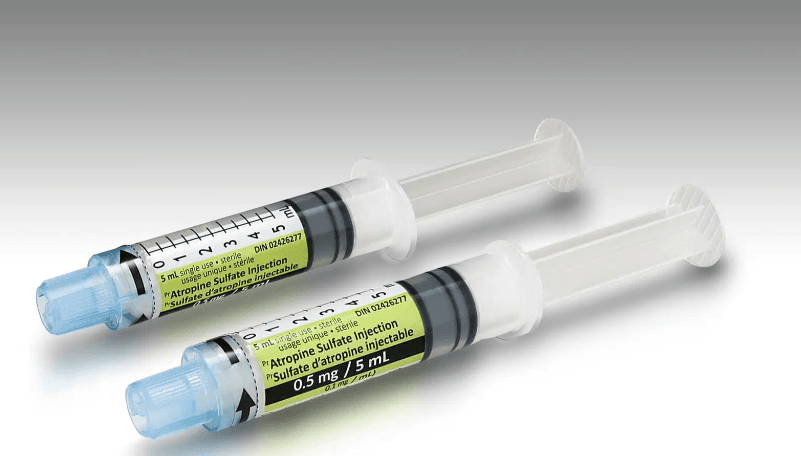
Atropine Sulfate Injection
Buy Atropine Sulfate Injection Online
Secure Encrypted Payments
Atropine Sulfate Injection is an injectable anticholinergic medicine used in supervised healthcare settings. You can buy Atropine Sulfate Injection online, view current pricing, and choose the strength and vial presentation available for the product. Match the concentration, total volume, and quantity to the written clinical directions for the intended setting.
Atropine blocks muscarinic acetylcholine signals, which can affect heart rate, airway secretions, pupil size, sweating, urination, bowel activity, and mental status. Because these effects can happen quickly, injectable atropine is typically handled by trained healthcare professionals in monitored environments. The most important ordering step is choosing the concentration and presentation that match the intended clinical protocol.
Atropine Sulfate Injection Price and Strength Selection
The atropine sulfate injection price should be read alongside concentration, vial format, total volume, and quantity. A lower visible cost may not represent the same total amount of medicine if one vial contains a different mg/mL concentration or volume. For injectable atropine, concentration is central because it determines how much liquid contains a stated amount of atropine sulfate.
Common label strengths include atropine sulfate 0.5 mg/mL and atropine sulfate 1 mg/mL injection. Some catalog wording may show atropine 1 mg/mL, atropine sulfate 1 mg, atropine injection, atropine inj, or atropine sulfate injection USP. Those terms can point to the same active ingredient, but they do not replace careful reading of the full label, vial size, preservative status, and total contents.
Single-dose and multi-dose formats can carry different handling expectations. Facility policy may also specify a particular vial type for emergency carts, procedural areas, or toxic exposure response. Choose concentration first, then compare total mL and quantity so the order aligns with the clinical use.
Quick tip: Match mg/mL first, then compare vial volume and total units.
| Detail to compare | Why it matters | What to verify |
|---|---|---|
| Concentration | Shows atropine sulfate amount per mL | 0.5 mg/mL or 1 mg/mL label |
| Vial presentation | Affects storage, handling, and stocking | Single-dose, multi-dose, or facility-specified format |
| Total volume | Changes total contents in the container | mL per vial or container |
| Quantity | Changes the final order total | Number of vials or units |
| Clinical setting | May determine the required format | Emergency, procedural, or poisoning-response protocol |
How to Order Atropine Sulfate Injection Online
To order Atropine Sulfate Injection from Canada, choose the vial presentation that matches the written order, then verify strength and quantity before checkout. BorderFreeHealth may review order details when required by the medicine and order type. Products are supplied through licensed pharmacies, and documentation requirements can vary by product and customer profile.
Accuracy matters more than speed with injectable atropine because products with similar names may not be interchangeable. Atropine sulphate injection, atropine sulfate injectable, injectable atropine, and inj atropine are common ways the medicine may be described. The label concentration, container type, and total volume still need to match the intended use.
Cash-pay ordering can help when insurance is not being used, but the right item should come before the lowest displayed amount. Compare the current atropine sulfate injection cost against the strength and total contents. If logistics information mentions US delivery from Canada, treat that as service context and still inspect the medicine label after arrival.
What Atropine Sulfate Injection Is Used For
Atropine Sulfate Injection is a muscarinic receptor antagonist. Clinicians may use it to reduce saliva and airway secretions in certain procedural settings, manage some cases of symptomatic bradycardia, and treat poisoning from organophosphates, carbamates, or other cholinergic exposures. These are supervised-care uses rather than self-directed home treatment uses.
The atropine sulfate injection indication depends on the clinical situation. In symptomatic bradycardia, atropine may be used when excessive vagal activity contributes to a dangerously slow heart rate. In cholinergic poisoning, treatment may focus on drying severe secretions, supporting breathing, and addressing the toxic exposure with other measures when appropriate.
For browsing related care areas, the Bradycardia collection organizes heart-rate-related products and information. Poisoning-related browsing may fit the Organophosphate Poisoning collection. These links can help organize product research, but clinical selection should follow the protocol used by the treating team.
Dosage Form, Concentration, and Label Details
The atropine sulfate injection dosage form is a sterile injectable solution. Trained healthcare professionals may administer it by intravenous, intramuscular, or subcutaneous injection depending on the setting, urgency, and protocol. Preparation, inspection, route, and discard instructions should follow the product label and facility policy.
Atropine injection labels usually emphasize mg per mL. Atropine sulfate 1 mg/mL injection means each mL contains 1 mg of atropine sulfate, while atropine sulfate 0.5 mg/mL contains half that amount per mL. That difference changes the volume needed for a protocol-specific amount, so the strength should be verified at ordering and again before use.
The atropine sulfate injection brand name may vary by supplier, country, or catalog. Generic and branded presentations can use different naming conventions while still requiring the same careful label review. Do not assume two items are the same because both include the words atropine sulfate injection.
- Verify the active ingredient: atropine sulfate.
- Confirm concentration in mg per mL.
- Read the total volume on the vial.
- Separate different strengths during storage.
- Keep cartons and labels visible when possible.
Administration and Monitoring Context
Injectable atropine is used in settings where clinicians can monitor response and adverse effects. Heart rhythm, blood pressure, breathing, oxygenation, pupil size, secretions, temperature, urination, and mental status may all matter. Monitoring helps distinguish the intended anticholinergic effect from excessive or unsafe response.
In slow-heart-rate emergencies, professional algorithms may describe intravenous bolus dosing with repeat limits when clinically appropriate. Pediatric use is weight-based and requires careful calculation. For toxic exposures, clinicians may titrate treatment based on airway secretions, oxygenation, heart rhythm, and the response to supportive care.
This information is not a dosing instruction. It is meant to support safe product selection and label verification. If a written protocol calls for atropine sulfate 1 mg/mL injection, a 0.5 mg/mL vial should not be substituted unless the supervising clinician or protocol accounts for that concentration difference.
The Cardiovascular product category may be useful when browsing therapies used in heart-rate and monitored-care workflows. Products in that category can have different routes, effects, and monitoring requirements.
Storage, Handling, and Arrival Checks
Storage directions come from the manufacturer’s label and should be followed exactly. Many atropine injectable products are kept at controlled room temperature and protected from excessive heat and light, but the specific label controls the final instruction. Keep the carton when possible because it carries concentration, lot, expiry, and handling information.
Before administration, healthcare staff generally inspect injectable solutions for particles, cloudiness, discoloration, container damage, and expiration status. A vial that has been frozen, overheated, stored outside labeled conditions, or handled in a way that raises sterility concerns may need replacement under facility policy. These checks protect patient safety and help avoid wasting a clinically important medicine.
If the order uses prompt, express shipping, handling still continues after arrival. Store the product under labeled conditions, preserve label visibility, and avoid mixing loose vials of different concentrations. Clear separation is especially important in emergency or procedural areas where rapid access can increase the risk of strength mix-ups.
Why it matters: Clear labels help prevent concentration and volume errors.
Side Effects, Warnings, and Monitoring
Atropine’s anticholinergic effects explain many of its common side effects. Dry mouth, blurred vision, light sensitivity from dilated pupils, constipation, reduced sweating, flushing, and a faster pulse can occur. Some people may have difficulty urinating, particularly when bladder outlet obstruction or prostate enlargement is already present.
Serious reactions need prompt clinical attention. Atropine can contribute to significant tachycardia, rhythm changes, chest discomfort, severe agitation, confusion, hallucinations, overheating, or worsening urinary or eye problems. Older adults may be more sensitive to confusion and delirium from anticholinergic medicines.
Contraindication and caution decisions depend on the clinical context. Narrow-angle glaucoma risk, urinary retention, certain gastrointestinal obstruction concerns, tachyarrhythmias, and known hypersensitivity require careful professional assessment. Emergency poisoning treatment, procedural secretion control, bradycardia care, and veterinary use can each involve different risk-benefit decisions.
- Common effects include dry mouth and blurred vision.
- Heart effects may include faster pulse or rhythm changes.
- Reduced sweating can raise overheating risk.
- Confusion or agitation may occur, especially in older adults.
- Allergic symptoms require urgent evaluation.
Interactions and Medication-List Cautions
Medication lists are important because many therapies can add to anticholinergic burden. Examples include some antihistamines, tricyclic antidepressants, antipsychotics, bladder medicines, and Parkinson’s therapies. Combining several anticholinergic medicines can increase dry mouth, constipation, urinary retention, blurred vision, overheating risk, or delirium.
Heart-rate medicines may also matter when atropine is considered for symptomatic bradycardia. Clinicians often review beta-blockers, calcium channel blockers, digoxin, sedatives, and other agents that may contribute to a slow pulse or affect treatment response. That review can influence monitoring and whether another intervention is needed.
Inhaled anticholinergic medicines used for lung conditions act mainly in the airways, but they can still be relevant to the overall medication picture. Share prescription medicines, over-the-counter products, supplements, patches, eye drops, and recent exposures with the treating team. A complete list helps clinicians assess additive effects and avoid preventable complications.
How It Differs From Related Anticholinergic Products
Atropine Sulfate Injection is selected when rapid systemic muscarinic blockade is needed in a supervised setting. It is not the same as a maintenance inhaler, a long-term heart medication, or an oral secretion-control therapy. The appropriate choice depends on the clinical goal, route, onset needs, monitoring environment, and cause of symptoms.
For secretion-related care, glycopyrrolate may be considered in some non-emergency situations because it has different distribution and side-effect characteristics. Cuvposa is a glycopyrrolate product and should not be treated as a direct substitute for emergency injectable atropine. For airway-focused anticholinergic therapy, Atrovent Inhaler and Ipravent Inhaler 20mcg are inhaled products with different use contexts.
Other respiratory products may combine bronchodilator mechanisms rather than provide systemic atropine effects. Duolin Inhaler 20/50mcg and Spiriva HandiHaler illustrate why route and indication matter. A medicine used in an inhaler workflow does not replace injectable atropine in bradycardia or poisoning protocols.
Cash Pay, Without Insurance, and Order Accuracy
Atropine sulfate injection cash pay access can be useful when insurance is not part of the purchase. The ordering decision should still be based on active ingredient, concentration, vial presentation, and quantity. A similar name is not enough when the strength, total volume, or handling instructions differ.
When buying atropine sulfate injection without insurance, view the displayed amount in the context of the medicine’s total contents. Multi-dose vials, single-dose vials, and different mg/mL strengths can create different totals. If two products look similar, use the concentration and total mL to decide which one matches the written requirements.
US shipping from Canada does not change professional handling duties after the package arrives. Inspect the carton, verify the active ingredient and concentration, and store the injectable according to the manufacturer’s directions. If the label, vial, or solution looks inconsistent with expected quality, follow facility policy before use.
Authoritative Sources
Official labeling is the best source for indications, contraindications, warnings, administration, and storage instructions. Facility protocols may be more specific than general medication information, especially for emergency care, pediatric use, procedural use, and toxic exposure management. When a question affects clinical use, compare the product label with the protocol used by the treating facility.
FDA prescribing information for atropine sulfate injection describes labeled indications, warnings, and administration details. DailyMed labeling for atropine sulfate injection provides federal label text for a listed product presentation. HHS CHEMM atropine sulfate countermeasure information summarizes use in chemical and pesticide exposure response.
This content is for informational purposes only and is not a substitute for professional medical advice.
Research & Education Tool
Atropine Sulfate Injection Dosage Calculator
Enter the vial amount, diluent volume, and target amount to estimate concentration, draw volume on a 1 mL U-100 syringe, and approximate vial yield.
For research and educational use only. Check all values against the product label, certificate of analysis, and any applicable professional guidance before relying on the result.
mg
Concentration
-
mcg / mL
Volume per Dose
-
-
Estimated Draws / Vial
-
rounded down to whole draws
Draw Reference
Enter values to estimate the syringe mark.
0
-
-
-
-
Express Shipping - from $29.99
Shipping with this method takes 3-5 days
Prices:
- Dry-Packed Products $29.99
- Cold-Packed Products $39.99
Shipping Countries:
- United States (all contiguous states**)
- Worldwide (excludes some countries***)
Standard Shipping - $19.99
Shipping with this method takes 5-10 days
Prices:
- Dry-Packed Products $19.99
- Not available for Cold-Packed products
Shipping Countries:
- United States (all contiguous states**)
- Worldwide (excludes some countries***)
What is Atropine Sulfate Injection used for?
Atropine Sulfate Injection is used in supervised healthcare settings for situations such as symptomatic bradycardia, reduction of certain procedural secretions, and treatment of organophosphate or carbamate poisoning. The clinical use determines the needed concentration, route, and monitoring plan.
What strengths are commonly referenced for atropine injection?
Commonly referenced concentrations include atropine sulfate 0.5 mg/mL and atropine sulfate 1 mg/mL injection. Always match the mg/mL concentration, vial volume, and quantity to the written clinical directions before ordering or using the medicine.
Can atropine sulfate 0.5 mg/mL and 1 mg/mL be substituted?
They should not be treated as automatically interchangeable. The concentration changes the volume needed to provide a given amount of medicine, so any substitution must be addressed by the supervising clinician or the applicable facility protocol.
What side effects can Atropine Sulfate Injection cause?
Common anticholinergic effects may include dry mouth, blurred vision, light sensitivity, flushing, constipation, reduced sweating, and faster pulse. More serious concerns include rhythm changes, severe confusion, agitation, overheating, urinary retention, or allergic symptoms.
How should Atropine Sulfate Injection be stored?
Follow the manufacturer’s label for the exact storage instructions. Many atropine injectable products are stored at controlled room temperature and protected from excessive heat and light, but the specific label for the supplied vial controls final handling.
Rewards Program
Earn points on birthdays, product orders, reviews, friend referrals, and more! Enjoy your medication at unparalleled discounts while reaping rewards for every step you take with us.
You can read more about rewards here.
POINT VALUE
How to earn points
- 1Create an account and start earning.
- 2Earn points every time you shop or perform certain actions.
- 3Redeem points for exclusive discounts.
You Might Also Like
Select options
This product has multiple variants. The options may be chosen on the product page
Select options
This product has multiple variants. The options may be chosen on the product page
Select options
This product has multiple variants. The options may be chosen on the product page
Select options
This product has multiple variants. The options may be chosen on the product page