

Please note: a valid prescription is required for all prescription medication.
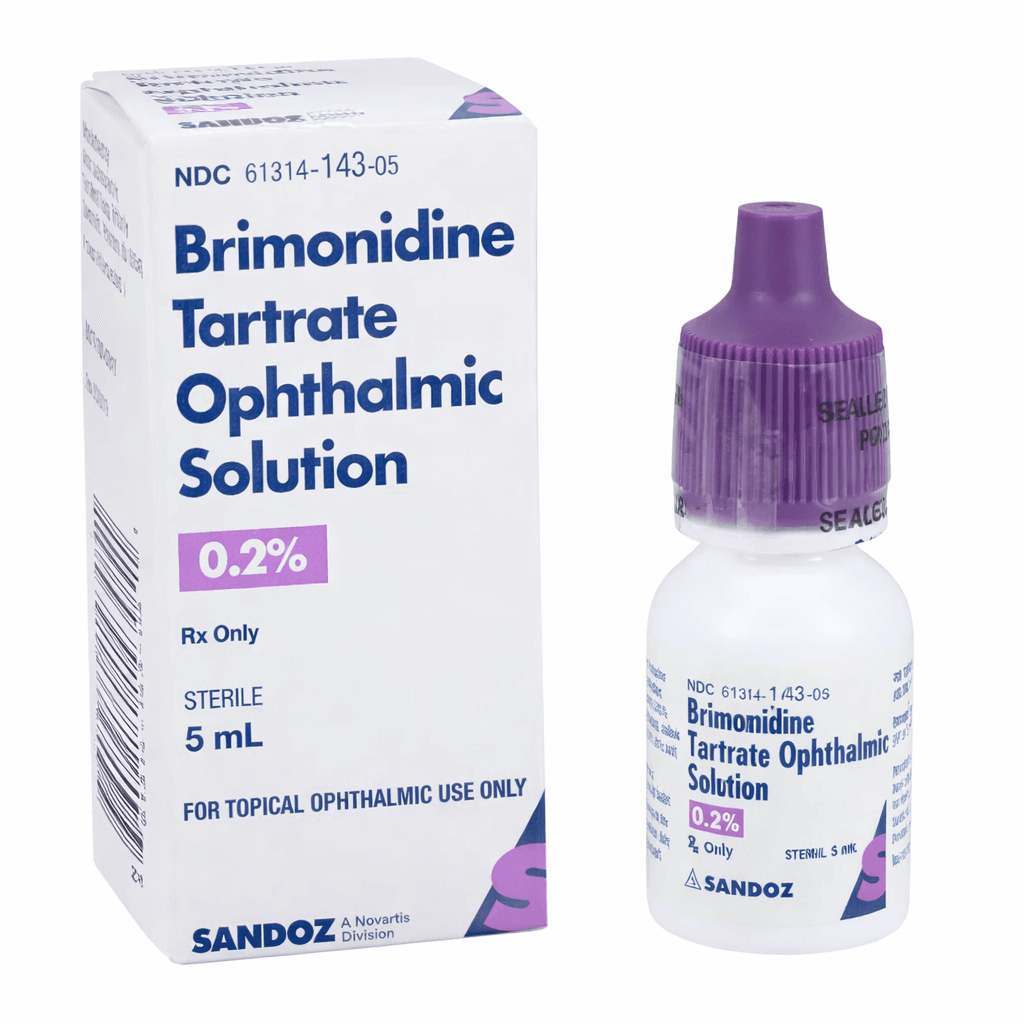
Brimonidine Tartrate Ophthalmic Solution
Brimonidine Tartrate Ophthalmic Solution: Buy Safely
Price:
Price range: $29.99 through $49.99
Secure Encrypted Payments
Brimonidine Tartrate Ophthalmic Solution is a prescription eye drop used to lower eye pressure in conditions like glaucoma and ocular hypertension. It is commonly prescribed as part of a long-term plan to protect the optic nerve. This page summarizes practical basics—how the medicine works, how it is typically used, and key safety points to review with a clinician.
Information here is meant to support careful, informed use and smoother pharmacy coordination. For those managing refills without insurance, it also outlines access steps and what to double-check on the label. For condition background and related options, browse the Ophthalmology hub.
What Brimonidine Tartrate Ophthalmic Solution Is and How It Works
This medicine is a sterile ophthalmic solution (eye drop) in the alpha-2 adrenergic agonist class (a receptor-targeting medicine). It works inside the eye to reduce intraocular pressure (pressure inside the eye), mainly by decreasing fluid production and improving fluid drainage. Lowering pressure is an important part of reducing risk from progressive optic nerve damage, especially in open-angle glaucoma.
Prescriptions are confirmed with the prescriber before the pharmacy dispenses. The fulfillment model may include US shipping from Canada when clinically appropriate and legally permitted.
Why it matters: Consistent pressure control often depends on steady routines and refills.
Who It’s For
This therapy is generally prescribed for adults with open-angle glaucoma or ocular hypertension (higher-than-normal eye pressure), either alone or with other eye drops. People may be directed to a condition hub such as Glaucoma or Ocular Hypertension to review commonly used medication classes and monitoring topics. For an overview of symptoms, testing, and why pressure matters, see What Is Glaucoma.
Contraindications and key exclusions can vary by label and individual history. In general, brimonidine products should not be used by anyone with a known allergy to brimonidine or other ingredients in the bottle. Many product labels also warn against use in very young children due to risk of severe sleepiness and breathing problems. A clinician should also weigh risks in people with certain cardiovascular conditions, low blood pressure, or a history of fainting.
Dosage and Usage
Label directions for brimonidine are commonly written as one drop in the affected eye(s) three times daily, spaced about 8 hours apart, but the prescriber’s instructions and the specific product label should be followed. If more than one eye drop is used, separating them by several minutes can help prevent the second drop from washing out the first. For readers comparing branded references such as Alphagan and related formulations, the Alphagan Eye Drops Guide provides additional context.
Administration technique matters for both comfort and safety. Wash hands first, avoid touching the bottle tip to the eye or skin, and recap promptly after use. If contact lenses are worn, the label may require removing them before dosing and waiting before reinsertion, because some solutions contain preservatives that can be absorbed by lenses. Brimonidine Tartrate Ophthalmic Solution should be used only in the eye unless otherwise directed.
Quick tip: Keep a simple checklist near the bottle to avoid missed doses.
Strengths and Forms
Brimonidine is supplied as an ophthalmic solution in different concentrations; availability can vary by pharmacy and manufacturer. Commonly referenced strengths include 0.2%, 0.15%, and 0.1%. Some patients recognize these strengths through brand families (for example, Alphagan and Alphagan P) rather than by concentration. When a prescription is written, the exact strength, bottle size, and substitution rules should be checked against the prescriber’s order.
The product is generally packaged in small multi-dose dropper bottles; sizes such as 5 mL or 10 mL are common in the market, but specific presentations depend on the supplier and label. For a broader view of eye-care categories, browse Ophthalmology and confirm the final dispensed item on the carton and bottle.
| Concentration | How it’s often described | What to verify on label |
|---|---|---|
| 0.2% | Brimonidine 0.2% drops | Preservative, directions, expiration |
| 0.15% | Lower-strength brimonidine option | Exact concentration and inactive ingredients |
| 0.1% | Lowest-strength brimonidine option | Formulation differences by manufacturer |
Storage and Travel Basics
Most brimonidine eye drops are stored at controlled room temperature and kept tightly closed when not in use. Avoid freezing and protect the bottle from excessive heat. Do not use the drops if the seal is broken, the solution changes color, or particles appear. If more than one bottle is kept (for example, a home bottle and a travel bottle), rotating by expiration date helps reduce waste.
When traveling, keep the bottle in a clean bag to reduce contamination risk. If flying, placing eye drops in a carry-on can help avoid temperature extremes in checked luggage. A paper copy of the prescription or pharmacy label can simplify security screening and refill coordination. Why it matters: contaminated drops can trigger irritation or infection that complicates glaucoma care.
Side Effects and Safety
Like many prescription eye drops, brimonidine can cause both local eye effects and whole-body symptoms. Commonly reported issues include burning or stinging, redness, watery eyes, dry mouth, headache, blurred vision, or fatigue. Some people develop an allergic-type reaction of the eye (itching, redness, swelling), which may appear after weeks or months of use rather than immediately.
Medicines are dispensed through licensed Canadian partner pharmacies when routed cross-border. Seek urgent care for severe eye pain, sudden vision changes, signs of a serious allergic reaction (swelling of face or throat), or extreme sleepiness—especially in children. Caution is also advised if dizziness or low blood pressure symptoms occur. For a general look at side-effect patterns in related combination drops, see Combigan Side Effects Overview. Brimonidine Tartrate Ophthalmic Solution should be reviewed with a clinician if new symptoms appear after starting therapy.
- Common: brief stinging or redness
- Sometimes: dry mouth, fatigue
- Serious: swelling, severe sleepiness, breathing issues
Drug Interactions and Cautions
Brimonidine may interact with medicines that affect the central nervous system or blood pressure. Important categories to review with a prescriber include monoamine oxidase inhibitors (MAOIs), certain antidepressants (such as tricyclics), sedatives, alcohol, and some blood pressure medications. Using multiple glaucoma drops together is common, but the regimen should be coordinated so the dosing schedule remains clear and side effects can be attributed correctly.
Extra caution may be needed in people with significant cardiovascular disease, circulation problems, depression, or a history of orthostatic hypotension (blood pressure drops when standing). If the care plan includes combination therapy, the overview in Combigan Uses And Safety can help frame questions to bring to an eye-care clinician. Always provide a complete medication list, including non-prescription sleep aids and antihistamines.
Compare With Alternatives
Clinicians often choose glaucoma medicines based on target pressure, side-effect tolerance, dosing frequency, and other health conditions. Options may include prostaglandin analogs (often dosed once daily), carbonic anhydrase inhibitors, beta-blocker drops, or combination products. Each class has distinct cautions, so switching is typically guided by pressure checks and symptom review rather than trial-and-error alone.
Examples that may be discussed include Combigan (a brimonidine/timolol combination) and Latanoprost (a prostaglandin analog). For a structured comparison discussion, the resource Alternatives To Combigan outlines common reasons a regimen changes. Brimonidine Tartrate Ophthalmic Solution is one option among several, and the best fit depends on individualized risks and monitoring results.
Pricing and Access
Out-of-pocket costs can vary based on strength, manufacturer, and the dispensing pathway. Many people use a cash-pay approach when coverage is limited, and refill timing can matter for avoiding gaps in therapy. Cash-pay access can help when coverage is limited. If available, Current Promotions may reduce the final total, but the prescription details must match what the clinician ordered.
BorderFreeHealth helps coordinate prescriptions with partner pharmacies and required verification steps before dispensing. When applicable, the service may include Ships from Canada to US as part of cross-border fulfillment. For more educational reading while managing an eye-care regimen, browse Ophthalmology Posts. To start a new request or manage a refill, place the prescription order through the site with prompt, express shipping.
Authoritative Sources
For official labeling language and prescribing details, consult this regulatory reference: DailyMed (U.S. National Library of Medicine).
For patient-friendly medication guidance, see this drug information resource: MedlinePlus brimonidine ophthalmic.
This content is for informational purposes only and is not a substitute for professional medical advice.
Express Shipping - from $25.00
Shipping with this method takes 3-5 days
Prices:
- Dry-Packed Products $25.00
- Cold-Packed Products $35.00
Shipping Countries:
- United States (all contiguous states**)
- Worldwide (excludes some countries***)
Standard Shipping - $15.00
Shipping with this method takes 5-10 days
Prices:
- Dry-Packed Products $15.00
- Not available for Cold-Packed products
Shipping Countries:
- United States (all contiguous states**)
- Worldwide (excludes some countries***)
What is brimonidine tartrate used for?
Brimonidine tartrate ophthalmic (eye drops) is commonly prescribed to lower intraocular pressure (pressure inside the eye). It is often used for open-angle glaucoma and for ocular hypertension, where pressure is elevated without clear glaucoma damage yet. Lowering pressure can be an important part of protecting the optic nerve over time. A clinician determines whether it’s used alone or alongside other glaucoma drops based on eye pressure readings, exam findings, and how well other treatments have been tolerated.
How quickly do brimonidine eye drops start lowering eye pressure?
Brimonidine can begin lowering eye pressure within hours of a dose, but the meaningful question is whether the pressure stays controlled over days to weeks on the prescribed schedule. Eye pressure can fluctuate during the day, so follow-up measurements are usually needed to see how well a regimen is working. If a dose is missed or the routine changes, pressure may rise again. Any concerns about effectiveness are best addressed with scheduled checks rather than symptom-based guessing.
Can I use brimonidine eye drops with contact lenses?
Many brimonidine products include preservatives that can be absorbed by soft contact lenses. For that reason, labels often instruct removing contacts before instilling the drops and waiting a period of time before reinserting them. The exact wait time varies by product label, so it’s important to read the carton and pharmacy label. If lenses are needed for daily activities, discussing lens-wear timing with an eye-care clinician can prevent irritation and help keep dosing routines consistent.
What side effects should be monitored while using brimonidine?
Common effects can include brief burning or stinging, redness, watery eyes, dry mouth, headache, or fatigue. Monitoring matters if symptoms persist, worsen, or interfere with daily tasks such as driving, because blurred vision or sleepiness can occur. Urgent evaluation is appropriate for severe eye pain, sudden vision changes, signs of a serious allergic reaction (face or throat swelling, trouble breathing), or extreme drowsiness—especially in children. Report new or unexpected symptoms to a clinician promptly.
How should brimonidine be spaced from other eye drops?
When multiple eye drops are part of a glaucoma plan, spacing them helps each medication stay on the eye surface long enough to work. A common approach is to wait several minutes between different drops, but the prescriber or product label should guide the exact timing. Using drops back-to-back can cause overflow and reduce the intended dose. If both drops and ointment are used, ointments are often applied last, since they can form a barrier.
What should I ask my clinician before starting brimonidine?
Helpful questions include: which eye(s) to treat, how often to use it, and what follow-up pressure checks are planned. It’s also important to review other medications and conditions that may increase side-effect risk, such as low blood pressure, fainting history, depression, or use of MAO inhibitors or sedating medicines. Ask what symptoms should trigger an urgent call, and whether contact lens use changes the dosing routine. Clarifying these points early can reduce confusion and missed doses.
Rewards Program
Earn points on birthdays, product orders, reviews, friend referrals, and more! Enjoy your medication at unparalleled discounts while reaping rewards for every step you take with us.
You can read more about rewards here.
POINT VALUE
How to earn points
- 1Create an account and start earning.
- 2Earn points every time you shop or perform certain actions.
- 3Redeem points for exclusive discounts.
How to book an appointment
- 1Create Begin by completing a profile or log into your existing account. This step ensures we have the necessary information to provide you with a service that's tailored to your needs. account and start earning.
- 2Scheduling an appointment with our online booking system is easy. Pick a day and time that suits you. You’ll receive an immediate confirmation, without the wait.
- 3Discuss your concerns and symptoms and receive a thorough diagnosis from one of our licensed doctors during a confidential video appointment.
- 4If you've been prescribed medication, your Rx is sent directly to one of our licensed pharmacies and delivered right to your door.
Get Started
To book an online doctor appointment, register for an account or login. After doing so, you can book your visit on this page.
You Might Also Like
Select options
This product has multiple variants. The options may be chosen on the product page
Select options
This product has multiple variants. The options may be chosen on the product page
Select options
This product has multiple variants. The options may be chosen on the product page
Select options
This product has multiple variants. The options may be chosen on the product page