
Please note: a valid prescription is required for all prescription medication.
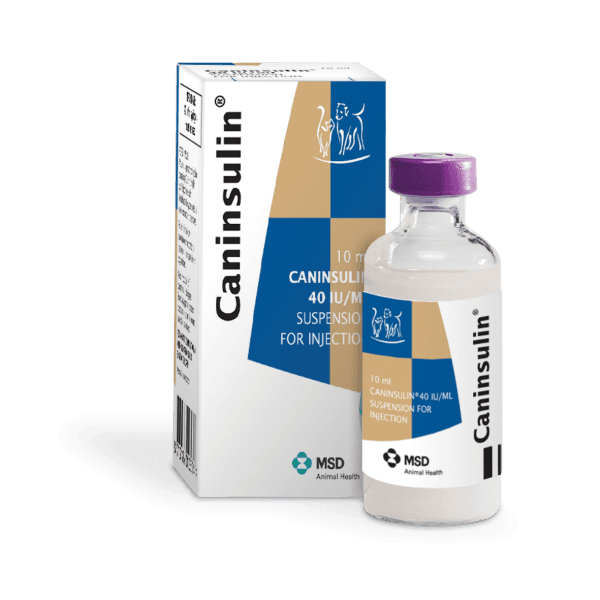
Caninsulin Vial
Buy Caninsulin Vial Online
Secure Encrypted Payments
Caninsulin Vial is a veterinary porcine insulin zinc suspension used to help manage diabetes mellitus in dogs and cats. It can be bought online for an animal already assessed by a veterinarian, with the vial size and 40 IU/mL strength matched to the directions on the animal’s treatment plan. Store medications are supplied through licensed pharmacy channels, and product handling should protect the insulin from heat, freezing, and rough shaking.
Caninsulin is not a casual swap for another insulin. The concentration, syringe markings, feeding routine, and monitoring plan all affect safe use. If your dog or cat has new collapse, repeated vomiting, severe weakness, or suspected diabetic ketoacidosis, urgent veterinary care is more appropriate than routine ordering.
Caninsulin Vial Price, Size, and Strength Selection
Caninsulin Vial price can vary with the vial size, pharmacy handling needs, and related supplies such as compatible syringes. During ordering, choose the vial presentation shown and match it to the veterinarian’s written directions for your pet. The key label detail is the 40 IU/mL concentration, because it determines how each dose is measured.
Commonly referenced Caninsulin presentations include 2.5 mL and 10 mL vials, depending on market and supply. A Caninsulin 2.5 mL vial contains 100 IU total at 40 IU/mL, while a Caninsulin 10 mL vial contains 400 IU total at the same concentration. The bottle volume affects how long a vial may last, but it does not change the concentration used for measuring each injection.
| Vial presentation | Concentration | Total insulin | Practical note |
|---|---|---|---|
| 2.5 mL vial | 40 IU/mL | 100 IU | May suit smaller animals or shorter supply needs when available. |
| 10 mL vial | 40 IU/mL | 400 IU | Common bottle size; make sure the label matches the animal’s directions. |
Cash-pay cost questions are common for veterinary medicines because many pet owners pay directly for insulin and monitoring supplies. The final amount can also depend on whether you need insulin syringes, glucose-monitoring items, cold-chain handling, or updated veterinary assessment before continuing treatment. For broader browsing, the pet medications category can help place Caninsulin alongside other animal-care products.
Why it matters: A 40 IU/mL veterinary insulin vial should be paired with the measuring device intended for that concentration.
How to Order This Veterinary Insulin Vial
Order Caninsulin Vial only for the animal named in the treatment plan, and keep the product choice aligned with the specific strength, vial size, and injection schedule provided by the veterinary team. We may review order details to help reduce product, quantity, and handling errors before a pharmacy supplies the medication.
Before checkout, have the pet’s current weight, usual feeding schedule, recent glucose-monitoring notes, and current medication list available. These details matter because appetite changes, steroid use, infection, pancreatitis, dental disease, and other illnesses can affect how a dog or cat responds to insulin. If your veterinarian recently adjusted the dose, use the newest written directions rather than an older bottle label.
Some U.S. pet owners use US delivery from Canada when arranging cash-pay veterinary medication through licensed pharmacy channels. Because insulin is temperature sensitive, order planning should also account for storage on arrival and compatible supplies already in the home. For approved orders that require cold-chain handling, prompt, express shipping may be used depending on product and destination requirements.
What Caninsulin Treats in Dogs and Cats
Caninsulin is used for diabetes mellitus in dogs and cats when a veterinarian decides this intermediate-acting porcine insulin is suitable. Diabetes mellitus causes high blood glucose because the body cannot make enough insulin, cannot use insulin properly, or both. Signs often include increased thirst, frequent urination, weight loss, hunger changes, and tiredness.
Insulin treatment aims to reduce excessive blood glucose and improve diabetes signs while avoiding hypoglycemia, which means blood sugar has fallen too low. The daily routine is as important as the vial: feeding times, meal size, injection timing, activity, and monitoring all influence glucose control. Pet owners new to the condition may find the article on pet diabetes symptoms, causes, and care useful for understanding the broader care picture.
Caninsulin should not replace diagnostic workup for unexplained thirst, urination, or weight loss. A dog or cat with severe dehydration, ketones, collapse, repeated vomiting, or rapid breathing may need emergency treatment before any home insulin plan is appropriate. Veterinary diabetes care often includes blood glucose curves, fructosamine testing, weight checks, and review of appetite and urination patterns.
How the Vial Is Used With a Daily Routine
Caninsulin Vial is given by subcutaneous injection, which means under the skin. The veterinarian sets the starting dose, timing, and follow-up plan for the specific animal. Do not increase, skip, or repeat insulin based only on a single unusual reading or one abnormal day unless the veterinary team has given clear instructions for that situation.
Because Caninsulin is a suspension, the liquid usually needs gentle mixing before each dose so it appears evenly milky. Avoid hard shaking, which can create foam and make accurate measuring harder. Inspect the vial after mixing; do not use it if the liquid contains unusual clumps, particles, or a changed appearance that does not resolve with gentle handling.
- Use only syringes intended for 40 IU/mL insulin.
- Measure the dose at eye level to reduce marking errors.
- Keep feeding times as consistent as possible.
- Record dose, appetite, thirst, urination, and behavior each day.
- Ask the veterinarian what to do if a meal is missed.
Syringe markings are not interchangeable across insulin concentrations. A syringe designed for a different strength can deliver the wrong amount even when the number on the barrel looks familiar. If you need compatible injection supplies, BD UltraFine II syringes may be relevant to discuss with your veterinary team and to match carefully with the insulin concentration.
Storage, Handling, and Travel
Caninsulin Vial is temperature sensitive. Store it refrigerated according to the product label, protect it from direct heat and sunlight, and do not freeze it. Insulin that has been left in a hot car, placed against a freezer wall, or stored on a counter for long periods may not perform reliably.
Keep the vial in its original carton when possible to protect it from light and reduce mix-ups with other medications. Track the opening date and follow the label or pharmacy instructions for how long an opened vial should be used. If the animal’s glucose control suddenly changes after a storage problem, contact the veterinarian before assuming the dose is wrong.
- Carry insulin in hand luggage when traveling.
- Use an insulated pouch, but avoid direct contact with frozen packs.
- Keep syringes, food notes, and glucose records together.
- Do not use a vial that has frozen.
- Call the veterinary team if appearance or handling history is concerning.
Quick tip: Store a written feeding and injection routine near the refrigerator so caregivers follow the same steps.
Side Effects, Warnings, and Monitoring
The most important safety risk with any insulin is hypoglycemia. Early signs in dogs and cats may include unusual hunger, restlessness, weakness, trembling, wobbliness, disorientation, staring, sudden sleepiness, or behavior that feels out of character. Severe low blood sugar can cause collapse, seizures, coma, or death without urgent care.
Have an emergency plan before the first home dose. Ask the veterinarian what signs should trigger immediate treatment, what to do if the pet refuses food, and how to handle a suspected overdose. Small animals can worsen quickly, and a mild-looking episode can become serious if insulin continues without adequate food intake.
Ongoing hyperglycemia can also signal a problem. Excessive thirst, frequent urination, weight loss, lethargy, recurrent infections, or a return of diabetes signs may occur if the dose is too low, if insulin handling has failed, or if another illness has changed insulin needs. The human-focused explanation of intermediate-acting insulin can help with general terminology, but veterinary dosing remains species-specific.
Injection-site soreness, day-to-day glucose swings, vomiting, and appetite changes should be discussed with a veterinary professional. Monitoring may include home observations, blood glucose curves, urine or blood ketone checks when directed, and fructosamine testing. Any dose change should be supervised because both under-treatment and over-treatment can harm the animal.
Medicines, Illnesses, and Situations That Can Change Response
Many factors outside the vial can affect glucose control. Corticosteroids, certain hormone medicines, infection, pancreatitis, dental disease, kidney disease, liver disease, thyroid or adrenal conditions, weight change, and irregular meals may alter insulin requirements. A pet recovering from surgery or illness may need closer monitoring than usual.
Tell the veterinary team about every prescription medicine, over-the-counter product, supplement, flea or tick treatment, and diet change. This prevents a glucose problem from being blamed on Caninsulin alone when another factor is driving the change. If a new medicine is started, ask whether extra glucose checks or symptom monitoring are needed for a period of time.
Never share insulin between animals. Even two pets using the same insulin may need different doses, syringes, food schedules, and recheck timing. If you care for more than one diabetic pet, label supplies clearly and keep each animal’s records separate.
Caninsulin Vial Compared With Other Insulin Choices
The main question is often which insulin format and action profile best fits the animal and caregiver routine. Caninsulin Vial suits owners who can draw up doses manually, keep injections on a consistent schedule, and store a refrigerated suspension properly. Some caregivers may prefer a matched cartridge or pen-style system when dexterity, measuring precision, or confidence with syringes is a concern.
Caninsulin cartridges are a related format that may be discussed when a device-based approach is preferred. Other veterinary insulin choices may be considered if the animal’s response, species, schedule, or monitoring results do not fit well with the current plan. A veterinarian may also discuss ProZinc Vial in certain feline or canine diabetes cases, depending on the animal’s needs.
| Choice | What changes | Why it may matter |
|---|---|---|
| Caninsulin Vial | Dose is drawn manually from a 40 IU/mL bottle. | Useful when syringe dosing fits the home routine. |
| Caninsulin cartridges | Used with a compatible device system. | May help some caregivers with handling consistency. |
| Other veterinary insulin | Different insulin type or action profile. | Considered when glucose response or routine requires reassessment. |
In U.S. discussions, veterinarians may refer to Vetsulin for a related porcine insulin product. Names and market presentations can differ by country, so the practical decision should focus on the animal, concentration, measuring device, and current veterinary directions. Do not switch between insulin products or concentrations without direct veterinary guidance.
What to Have Ready Before a Refill
Refills are easier when the daily log is current. Record the insulin dose, injection time, food intake, water drinking, urination, appetite, body weight changes, and any low-glucose warning signs. These notes help the veterinary team decide whether the current plan still fits before another vial is used.
Make sure the vial size, concentration, and syringe type still match the most recent instructions. If the pet’s food has changed, meals are being skipped, weight has shifted, or another medication has been added, seek veterinary input before continuing as if nothing changed. Insulin plans often need adjustment as diabetes stabilizes or as other illnesses appear.
For broader insulin background, the article on different types of insulin explains action-profile terms in plain language. Human insulin articles can support vocabulary, but they should not be used to design a dog or cat dosing schedule.
Authoritative Sources
Manufacturer product information is available from the MSD Animal Health Caninsulin page.
A Canadian veterinary monograph summary is available through Drugs.com Vet Caninsulin Vial information.
Handling and mixing guidance appears in the official Caninsulin detailer PDF.
This content is for informational purposes only and is not a substitute for professional medical advice.
Blood Glucose Unit Converter
Convert glucose readings between mg/dL and mmol/L without changing the clinical value.
mg/dL
-
US reporting unit
mmol/L
-
International reporting unit
These calculations are for education only and do not replace clinical advice, diagnosis, or treatment. Always confirm medical decisions with a qualified healthcare professional.
HbA1c & eAG Calculator
Convert between HbA1c percentage and estimated average glucose using the ADAG relationship.
HbA1c
-
percentage
eAG mg/dL
-
estimated average glucose
eAG mmol/L
-
estimated average glucose
These calculations are for education only and do not replace clinical advice, diagnosis, or treatment. Always confirm medical decisions with a qualified healthcare professional.
HOMA-IR Calculator
Estimate insulin resistance from fasting glucose and fasting insulin values collected from the same blood draw.
HOMA-IR
-
screening estimate, not a diagnosis
Formula used
-
depends on glucose unit
These calculations are for education only and do not replace clinical advice, diagnosis, or treatment. Always confirm medical decisions with a qualified healthcare professional.
Express Shipping - from $29.99
Shipping with this method takes 3-5 days
Prices:
- Dry-Packed Products $29.99
- Cold-Packed Products $39.99
Shipping Countries:
- United States (all contiguous states**)
- Worldwide (excludes some countries***)
Standard Shipping - $19.99
Shipping with this method takes 5-10 days
Prices:
- Dry-Packed Products $19.99
- Not available for Cold-Packed products
Shipping Countries:
- United States (all contiguous states**)
- Worldwide (excludes some countries***)
What is Caninsulin Vial used for?
Caninsulin Vial is a veterinary porcine insulin suspension used to help manage diabetes mellitus in dogs and cats. It should be used as part of a veterinarian-directed plan that includes feeding consistency, injection timing, monitoring, and follow-up checks.
What strength is Caninsulin Vial?
Caninsulin Vial is commonly described as a 40 IU/mL suspension for injection. The 40 IU/mL concentration is important because it must be measured with a compatible syringe intended for that insulin strength.
How should Caninsulin Vial be stored?
Store Caninsulin Vial refrigerated, protect it from heat and direct sunlight, and do not freeze it. Keep it in the original carton when possible, and contact the veterinarian or pharmacy if the vial was frozen, overheated, or looks abnormal after gentle mixing.
What are signs of low blood sugar in dogs or cats using insulin?
Possible signs include weakness, wobbliness, shaking, unusual hunger, restlessness, disorientation, sudden sleepiness, collapse, or seizures. Severe or worsening signs require urgent veterinary attention.
Can Caninsulin be switched with another insulin?
Do not switch Caninsulin with another insulin product or concentration unless the veterinarian directs the change. Different insulins can have different action profiles, concentrations, measuring devices, and monitoring needs.
What should I do if my pet misses a meal before insulin?
Ask the veterinarian for a written missed-meal plan before it happens. Food intake affects insulin safety, and giving the usual dose when a pet will not eat may increase the risk of hypoglycemia.
Rewards Program
Earn points on birthdays, product orders, reviews, friend referrals, and more! Enjoy your medication at unparalleled discounts while reaping rewards for every step you take with us.
You can read more about rewards here.
POINT VALUE
How to earn points
- 1Create an account and start earning.
- 2Earn points every time you shop or perform certain actions.
- 3Redeem points for exclusive discounts.
You Might Also Like
Select options
This product has multiple variants. The options may be chosen on the product page
Select options
This product has multiple variants. The options may be chosen on the product page
Select options
This product has multiple variants. The options may be chosen on the product page
Select options
This product has multiple variants. The options may be chosen on the product page