
Please note: a valid prescription is required for all prescription medication.
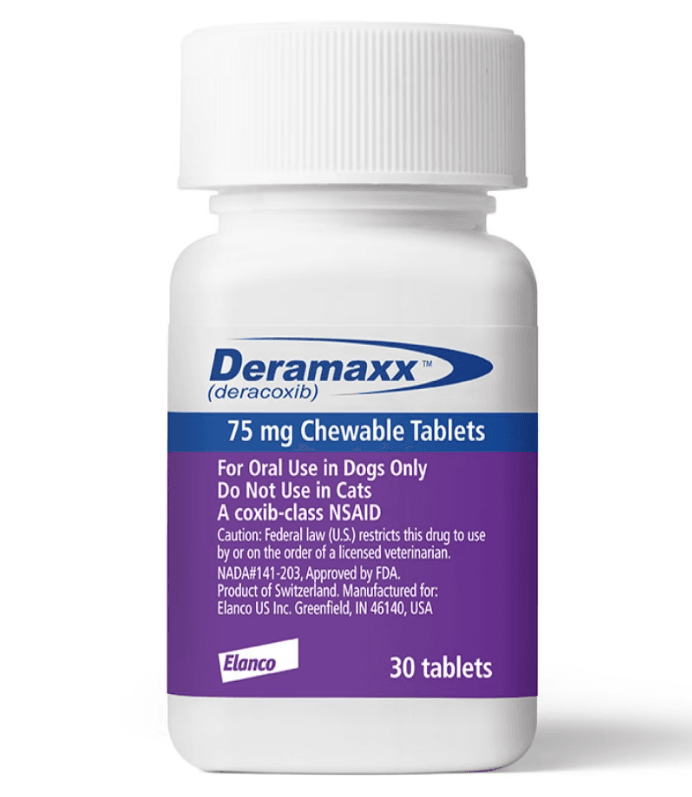
Deramaxx
Buy Deramaxx Online
Secure Encrypted Payments
Deramaxx is a canine pain and inflammation medicine containing deracoxib, a coxib-class nonsteroidal anti-inflammatory drug. It can be ordered for dogs through licensed pharmacy channels, with available strengths selected to match your veterinarian’s directions. Many dog owners use Deramaxx chewable tablets for dogs as part of an osteoarthritis plan or for short-term surgical recovery comfort.
This medication is for dogs only and should be used exactly as directed by a veterinarian. Choose the strength shown during ordering that aligns with your dog’s weight-based plan, tablet instructions, and treatment duration. US delivery from Canada is available for customers arranging cross-border medication access.
Deramaxx Price, Strengths, and Ordering Choices
Deramaxx price can vary by strength, quantity, and current supply. During ordering, you can view the current cash price and choose the available tablet strength that matches the directions your veterinarian provided. Commonly published Deramaxx strengths include 12 mg, 25 mg, 75 mg, and 100 mg chewable tablets, though inventory can vary by market.
Strength selection matters because deracoxib dosing is weight based and indication dependent. Deramaxx 25mg for dogs, Deramaxx 75mg for dogs, and Deramaxx 100mg for dogs are not interchangeable without veterinary direction. A larger tablet may not be suitable for a smaller dog, and splitting or combining tablets should only follow the plan written for your pet.
Cash-pay customers often look at Deramaxx Canadian pricing when managing ongoing osteoarthritis therapy. If your dog uses this medicine long term, ask your veterinarian whether the lowest effective dose, an appropriate refill interval, and routine monitoring are reasonable for your dog’s condition. For broader joint-disease education, visit our osteoarthritis section.
What Deramaxx Treats in Dogs
Deramaxx is used in dogs for pain and inflammation related to osteoarthritis and for control of postoperative pain after certain orthopedic and dental procedures. Osteoarthritis can cause stiffness, reluctance to climb stairs, slower rising, limping, and reduced interest in activity. Surgical pain control is usually short term and may be combined with rest, wound care, activity limits, and follow-up examinations.
Deracoxib for dogs belongs to the NSAID family. NSAIDs reduce inflammatory signals that contribute to pain and swelling. Deramaxx is not intended for cats, and it should not be used in animals with known hypersensitivity to deracoxib. Dogs with stomach ulcers, bleeding disorders, significant kidney disease, significant liver disease, dehydration, or past NSAID intolerance may need a different treatment plan.
Because mobility problems can have several causes, a veterinary diagnosis is important before starting or continuing therapy. Arthritis, ligament injury, spinal pain, infection, dental disease, and postoperative discomfort can look similar at home. Our inflammation information can help explain why controlling swelling is often part of a broader pain plan.
Active Ingredient and How It Works
Deramaxx contains deracoxib. Deracoxib is a coxib NSAID, meaning it is designed to inhibit cyclooxygenase enzymes involved in inflammatory prostaglandin production. In plain terms, it helps reduce chemical signals that drive pain and swelling after tissue injury or in arthritic joints.
The chewable tablet format can make daily administration easier for many dogs. Some dogs will take the tablet as a treat, while others may need it placed with food if your veterinarian approves. Keep the medication away from other pets, because flavored chewables can be attractive and accidental ingestion may be dangerous.
NSAIDs can improve comfort, but they do not rebuild damaged cartilage or cure osteoarthritis. Weight control, controlled exercise, physical rehabilitation, joint-friendly home changes, and other medications may also be part of care. For additional pain-management context, see our article on gabapentin for dogs.
How to Use Deramaxx Safely
Give Deramaxx exactly as your veterinarian instructed. For osteoarthritis, deracoxib is commonly used once daily according to a label-based mg-per-kg plan. For postoperative pain, it is generally used for a limited number of days, sometimes beginning before surgery when directed. Do not adjust the amount, extend treatment, or restart leftover tablets without veterinary guidance.
Use a consistent dosing routine so missed or repeated doses are less likely. Fresh water should always be available. If your dog vomits after a dose, do not automatically give another tablet; call your veterinarian for instructions. If you miss a dose, give it when remembered unless it is close to the next scheduled time. Do not double the next dose.
Quick tip: Keep the bottle label visible and record each dose on a calendar or phone reminder.
Do not combine Deramaxx with another NSAID unless your veterinarian specifically directs it. Products such as carprofen, meloxicam, robenacoxib, aspirin, and corticosteroids can increase the chance of gastrointestinal bleeding or kidney complications when used too closely together. Washout periods between anti-inflammatory medicines may be needed.
Side Effects, Warnings, and Monitoring
Common side effects can include vomiting, diarrhea, soft stools, decreased appetite, tiredness, and changes in thirst or urination. Mild stomach upset can still be important because NSAID reactions may worsen quickly in some dogs. Stop the medicine and contact a veterinarian promptly if your dog seems unwell after starting therapy.
Serious warning signs include black or bloody stools, bloody vomit, yellowing of the eyes or gums, severe lethargy, collapse, seizures, marked behavior change, severe abdominal pain, or refusal to eat. These symptoms may signal gastrointestinal bleeding, liver injury, kidney problems, or another urgent condition. Emergency care may be needed if symptoms are severe or sudden.
Tell your veterinarian about all medicines, supplements, flea and tick products, heart medications, antibiotics, and pain relievers your dog receives. Caution may be needed with diuretics, ACE inhibitors, drugs that affect kidney blood flow, corticosteroids, and other NSAIDs. Dogs on longer courses may need baseline and follow-up bloodwork to monitor liver and kidney function. For dogs taking heart-related therapy, our enalapril for dogs article explains why medication combinations deserve careful review.
Storage, Handling, and Travel
Store Deramaxx chewable tablets at room temperature as directed on the bottle label. Keep the container tightly closed, away from moisture and direct light, and out of reach of children and pets. Because chewable veterinary medicines can smell appealing, use a secure cabinet rather than a counter, bag, or open shelf.
When traveling, keep tablets in the original labeled container so dosing instructions remain clear. Pack the medication in a carry-on bag if flying, and avoid leaving it in a hot car. If another caregiver will dose your dog, provide written timing instructions and a clear warning not to give other pain relievers unless the veterinarian has approved them.
Orders may use prompt, express shipping when appropriate for the medication and service route. Plan refills before the bottle is empty, especially if your dog takes Deramaxx long term. Rushed decisions can make it harder to confirm the correct strength and avoid gaps in therapy.
Deramaxx Generic and Deracoxib Alternatives
Many customers ask about Deramaxx generic options because deracoxib is the active ingredient. Brand and generic availability can differ by country and supply channel. If a deracoxib generic for dogs is available and appropriate, your veterinarian can tell you whether substitution fits your dog’s diagnosis, dose, tolerance history, and monitoring plan.
Do not switch between veterinary NSAIDs on your own. Even medicines in the same class can have different labeled uses, dosing ranges, safety information, and tablet formats. Your dog’s age, kidney and liver health, gastrointestinal history, hydration status, and other medications all affect the choice.
Related veterinary NSAIDs include Rimadyl, which contains carprofen, Metacam oral suspension for dogs, which contains meloxicam, and Onsior Dog, which contains robenacoxib. These are not automatic replacements for Deramaxx. They are useful discussion points when your veterinarian is balancing pain control, administration preferences, and safety.
Comparing Pain-Control Plans
Deramaxx may be one part of a broader arthritis or postoperative plan. Some dogs need weight management, controlled leash walks, joint supplements, physical therapy, environmental changes, or other medicines. Surgery-related pain plans may include strict rest, incision checks, activity restriction, and recheck appointments.
For osteoarthritis, improvement may show as easier rising, more comfortable walking, better stair use, or renewed willingness to play. Response varies by disease severity, muscle condition, body weight, and other health issues. If comfort does not improve, or if side effects appear, your veterinarian may reassess the diagnosis, dose, treatment duration, or supporting therapies.
Acute injuries and postoperative pain can require different decisions from chronic arthritis. Our acute pain section explains how short-term pain differs from ongoing joint disease. You can also browse broader pet medications when discussing treatment categories with your veterinarian.
Questions to Ask Your Veterinarian
- What diagnosis is Deramaxx treating in my dog?
- Which strength matches my dog’s current weight and dosing plan?
- How long should treatment continue before reassessment?
- Should I give the chewable tablet with food?
- Which side effects mean I should stop and call immediately?
- Do we need baseline or follow-up bloodwork?
- How should we handle other NSAIDs, steroids, or pain medicines?
- What non-drug steps can support my dog’s mobility?
These questions are especially useful for older dogs, dogs with chronic arthritis, and dogs recovering from surgery. Bring a current medication list to each appointment, including supplements and over-the-counter products. A simple list can prevent accidental duplication of anti-inflammatory therapy.
Authoritative Sources
Elanco Deramaxx product information
FDA deracoxib Freedom of Information summary
Health Canada Deramaxx product record
Deramaxx can be a practical chewable NSAID choice when a veterinarian has determined that deracoxib fits your dog’s pain plan. View the current strength and cash-pay choices, match the medication to the written directions, and keep monitoring notes so your veterinarian can judge comfort and safety over time.
This content is for informational purposes only and is not a substitute for professional medical advice.
Express Shipping - from $29.99
Shipping with this method takes 3-5 days
Prices:
- Dry-Packed Products $29.99
- Cold-Packed Products $39.99
Shipping Countries:
- United States (all contiguous states**)
- Worldwide (excludes some countries***)
Standard Shipping - $19.99
Shipping with this method takes 5-10 days
Prices:
- Dry-Packed Products $19.99
- Not available for Cold-Packed products
Shipping Countries:
- United States (all contiguous states**)
- Worldwide (excludes some countries***)
What is Deramaxx used for in dogs?
Deramaxx is used in dogs for pain and inflammation associated with osteoarthritis and for control of postoperative pain after certain orthopedic and dental procedures. It is not for cats, and a veterinarian should determine whether it fits your dog’s condition.
What strengths does Deramaxx come in?
Commonly published Deramaxx chewable tablet strengths include 12 mg, 25 mg, 75 mg, and 100 mg. Choose the available strength that matches your veterinarian’s weight-based directions, and do not change tablet strength or amount without veterinary guidance.
Is there a generic Deramaxx for dogs?
Deracoxib is the active ingredient in Deramaxx, and generic availability can vary by market and supply channel. Ask your veterinarian whether a deracoxib generic or another veterinary NSAID is suitable for your dog before substituting.
What side effects should I watch for with Deramaxx?
Possible side effects include vomiting, diarrhea, decreased appetite, tiredness, and changes in thirst or urination. Stop the medicine and contact a veterinarian promptly for black stools, bloody vomit, yellow gums or eyes, collapse, seizures, or severe lethargy.
Can Deramaxx be given with other pain medicines?
Do not combine Deramaxx with another NSAID, aspirin, or a corticosteroid unless your veterinarian specifically directs it. Combining anti-inflammatory medicines can increase the risk of stomach bleeding, kidney problems, or other serious reactions.
How should Deramaxx chewable tablets be stored?
Store Deramaxx at room temperature as directed on the label, with the bottle tightly closed and protected from moisture and direct light. Keep it out of reach of children and pets because flavored chewable tablets may be attractive to animals.
Rewards Program
Earn points on birthdays, product orders, reviews, friend referrals, and more! Enjoy your medication at unparalleled discounts while reaping rewards for every step you take with us.
You can read more about rewards here.
POINT VALUE
How to earn points
- 1Create an account and start earning.
- 2Earn points every time you shop or perform certain actions.
- 3Redeem points for exclusive discounts.
You Might Also Like
Select options
This product has multiple variants. The options may be chosen on the product page
Select options
This product has multiple variants. The options may be chosen on the product page
Select options
This product has multiple variants. The options may be chosen on the product page
Select options
This product has multiple variants. The options may be chosen on the product page