
Please note: a valid prescription is required for all prescription medication.
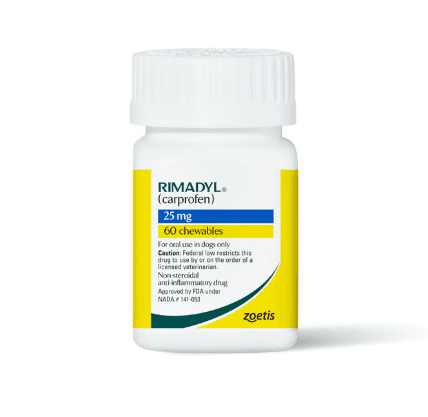
Rimadyl
Buy Rimadyl Online
Secure Encrypted Payments
Rimadyl is a carprofen dog medication used to help control pain and inflammation in dogs when a veterinarian considers it appropriate. Rimadyl can be bought online in the strengths and forms shown during ordering, so match the chewable tablet or caplet choice to your dog’s veterinary directions. Choose the strength, quantity, and format carefully, especially if your dog has an ongoing osteoarthritis plan or a short course after surgery.
Rimadyl for dogs is not a human over-the-counter pain reliever. It belongs to a veterinary nonsteroidal anti-inflammatory drug class, often shortened to NSAID, and it requires a safety plan that fits your dog’s age, weight, health history, and other medicines. BorderFreeHealth offers US delivery from Canada for customers purchasing pet medications through licensed pharmacy channels.
Rimadyl Price, Strengths, and Form Selection
The rimadyl for dogs price should be read together with the form, strength, and total tablet count. A larger bottle may have a higher total amount while changing the per-tablet value, so the best fit is the supply that matches your veterinarian’s current plan. Focus on the full treatment instruction rather than choosing only by the lowest total at checkout.
Common Rimadyl choices include chewable tablets and caplets. Strengths commonly used for dogs include rimadyl 25 mg for dogs, rimadyl 75 mg for dogs, and rimadyl 100mg for dogs, although the exact strength and quantity must come from the product choices shown during ordering. If your dog has been stable on one form, ask the clinic before changing to another format.
Rimadyl tablets for dogs are selected by veterinary direction, not by guessing from body size or pain level. The number on the label is the amount of carprofen per tablet or caplet. Some dogs may use one strength, while others may need a different tablet count or schedule based on the clinic’s instructions.
Quick tip: Match the active ingredient, form, strength, and quantity before you place the order.
| Order Detail | What to Match | Why It Matters |
|---|---|---|
| Form | Chewable tablet or caplet | Palatability and swallowing comfort can affect daily use. |
| Strength | 25 mg, 75 mg, or 100 mg when shown | The strength should align with veterinary directions. |
| Quantity | Total tablets or caplets | The count affects refill timing and total value. |
| Active ingredient | Carprofen | Brand and generic products may look or taste different. |
How to Buy Rimadyl Online
To buy rimadyl online, choose the form your dog can take reliably, then select the strength and quantity that fit the clinic’s instructions. Keep your dog’s current weight, medication schedule, and veterinarian contact information nearby in case any details need clarification. A careful order helps avoid delays caused by mismatched strengths or unclear directions.
Before checkout, make sure the cart reflects rimadyl chewable for dogs, rimadyl caplets, or another appropriate carprofen format. Confirm whether the quantity is enough for the planned course or refill interval. If your dog is also taking other pain medicines, steroids, diuretics, heart medicines, or supplements, contact the clinic before giving the first tablet from a new supply.
Customers paying cash can view current pricing and choose the strength shown during ordering. When prompt, express shipping appears for the order, review the address, handling details, and product quantity before submitting. The order process should support the veterinary plan, not replace a clinic exam or monitoring decision.
What Rimadyl Treats in Dogs
Rimadyl is the brand name for carprofen, a veterinary NSAID used in dogs for pain and inflammation associated with osteoarthritis and for pain after soft tissue or orthopedic surgery. Osteoarthritis can make movement stiff, slow, or uncomfortable. Dogs may hesitate on stairs, rise slowly, shorten walks, or stop enjoying activities they used to tolerate.
When a veterinarian uses carprofen for dogs arthritis, the goal is usually better comfort and mobility while also managing weight, activity, muscle strength, and joint-friendly routines. Medicine alone may not solve every mobility problem. Your observations at home, such as walking distance, sleep quality, appetite, and stair use, help the clinic judge whether the plan is helping.
Rimadyl is not ibuprofen, naproxen, or acetaminophen. Human pain relievers can be dangerous for dogs, even when the symptoms appear similar. For broader browsing by condition, the Osteoarthritis category groups joint-related therapies, while Pain includes products commonly associated with pain management.
Chewable Tablets, Caplets, and Generic Carprofen
Rimadyl chewable tablets are made to be palatable for many dogs, which can make routine administration easier. Caplets may suit dogs that swallow tablets well or dogs that should avoid flavored chewables because of sensitivity or preference. If your dog spits out medicine, hides pills, or has food allergies, discuss the form choice with the clinic.
Some products may be described as rimadyl generic or generic rimadyl for dogs. In practical terms, these are carprofen medication for dogs, but the manufacturer, appearance, flavoring, and markings can differ. A dog that accepts one chewable may refuse another, so watch acceptance closely after a brand or format change.
Strength language can also vary. You may see carprofen 25 mg for dogs, carprofen 75 mg for dogs, or carprofen 100mg for dogs used when discussing equivalent active ingredient options. Do not split, combine, or substitute strengths unless your veterinary team has told you exactly how to do it.
- Chewables may help dogs that resist tablets.
- Caplets may work well for pill-tolerant dogs.
- Strength should follow the clinic’s instructions.
- Quantity should fit the planned refill interval.
- Brand changes may need veterinary input.
How Carprofen Works and What to Watch For
Carprofen helps reduce inflammatory signals called prostaglandins. These chemical messengers contribute to pain, swelling, and stiffness. By reducing those signals, Rimadyl can help some dogs move more comfortably after surgery or during osteoarthritis management.
Response can vary. Some dogs look more comfortable quickly, while others need steady routines, weight support, controlled exercise, and follow-up care. Track practical changes such as easier rising, steadier walks, improved rest, and willingness to climb into the car. Those details are often more useful than a single good or bad day.
Do not use extra doses to chase faster relief. More carprofen can increase the risk of stomach, kidney, or liver problems. If your dog remains painful, restless, lame, or unwilling to move, contact the clinic rather than adjusting the amount at home.
Why it matters: Appetite, stool, thirst, urination, energy, and mobility changes can reveal early safety concerns.
Giving Rimadyl Tablets at Home
Follow the directions from your veterinarian and the product label. Many dogs take Rimadyl with food, which may reduce stomach upset. Keep fresh water available, give the medicine at the instructed time, and use a simple chart if multiple family members help with pet care.
If a dose is missed, follow the label or clinic instructions. In many medication routines, a missed amount is skipped when the next scheduled dose is close. Do not double the next amount unless your veterinarian specifically tells you to do so.
Never combine Rimadyl with another NSAID or a corticosteroid unless the veterinarian has planned that combination. Examples of other NSAIDs can include medicines used after surgery, dental care, or injury. If your dog recently took another anti-inflammatory drug, the clinic may recommend a pause before starting carprofen.
Keep the bottle away from dogs that chew containers or raid counters. Flavored chewables can smell like treats, so accidental ingestion is a real concern. If your dog eats extra tablets, call a veterinarian or emergency clinic right away and keep the bottle available for identification.
Storage, Travel, and Handling
Store Rimadyl tablets in the original container with the label intact. Keep the bottle closed tightly, dry, and away from heat, moisture, and direct sunlight. The original packaging also helps a sitter, boarding kennel, or emergency clinic identify the medicine quickly.
For travel, carry enough tablets for the full trip plus a small reserve for delays. Keep the labeled container with your dog’s other veterinary information. Avoid mixing tablets into unmarked organizers, especially if your dog takes several medicines that look similar.
If your dog stays with a sitter or kennel, leave written directions. Include the dosing time, whether food should be given, who to call with concerns, and which warning signs require urgent help. A simple medication log can prevent missed or repeated doses.
When an order ships from Canada to US, inspect the package after arrival. Verify the product name, strength, quantity, and tablet condition before giving a dose from the new supply. Do not use tablets that appear damp, damaged, or different from what your veterinarian expected until the concern is resolved.
Side Effects, Warnings, and Monitoring
Most safety planning happens before and during treatment. Tell your veterinarian if your dog has a history of stomach ulcers, black stools, vomiting, kidney disease, liver problems, bleeding disorders, dehydration, or a past reaction to an NSAID. Rimadyl is for dogs and should not be given to cats.
Common side effects can include vomiting, diarrhea, soft stool, reduced appetite, increased thirst, and tiredness. Sleepiness can have several causes, including pain, recovery from surgery, another medicine, or an adverse reaction. If your dog becomes unusually weak, disoriented, very lethargic, or unwilling to eat, contact the clinic promptly.
Serious warning signs include bloody stool, black stool, persistent vomiting, yellow gums or eyes, seizures, facial swelling, hives, unusual bruising, collapse, or a sudden change in urination. These signs need urgent veterinary attention. When a reaction is suspected, follow the veterinarian’s instructions about stopping the medicine and seeking care.
Longer-term use may involve baseline and follow-up bloodwork. Testing can help the clinic monitor liver enzymes, kidney values, and overall tolerance. Bloodwork cannot remove every risk, but it can identify problems earlier than waiting for severe symptoms.
- Stomach signs: vomiting, diarrhea, appetite loss, dark stools.
- Liver signs: yellow gums, yellow eyes, marked tiredness.
- Kidney signs: thirst changes or urination changes.
- Allergy signs: swelling, hives, breathing trouble, collapse.
- Behavior signs: weakness, confusion, severe lethargy.
Interactions and Medicine Review
Your dog’s full medication list matters before starting or refilling Rimadyl. Include routine prescriptions, occasional pain medicines, flea and tick products, joint supplements, fish oil, herbal products, and medicines used after procedures. Even products described as natural can affect bleeding risk, stomach comfort, or medication timing.
Carprofen should not usually overlap with other NSAIDs or corticosteroids unless a veterinarian has created a specific plan. It may also require caution with anticoagulants, some diuretics, medicines that affect kidney blood flow, and drugs that can irritate the stomach. Senior dogs and dogs with chronic illness may need closer monitoring.
If your dog also receives medication for nerve-related discomfort, Gabapentin For Dogs explains questions that may help frame a conversation with the clinic. For inflammation-related browsing, Inflammation groups products by a broader symptom and treatment category.
Compare Related Veterinary Pain Options
Veterinarians may choose different pain and inflammation medicines based on diagnosis, age, response, other diseases, and past tolerance. Rimadyl is a carprofen option. Other veterinary NSAIDs can use different active ingredients, forms, and dosing schedules, so they are not interchangeable without clinic direction.
If your veterinarian discusses alternatives, Deramaxx and Metacam Oral Suspension For Dogs can help you understand nearby product formats. Onsior Dog is another veterinary pain-related product that may be discussed for specific situations. Do not switch between these medicines on your own.
Rimadyl Injectable is a separate carprofen format typically associated with veterinary clinical use and should not be confused with home tablet routines. If your clinic references that form, see Rimadyl Injectable for product-specific context. The broader Pet Medications category can help you browse animal health products without treating them as substitutes.
Questions to Ask Your Veterinarian Before Ordering
A short clinic conversation can make your Rimadyl order safer and more practical. Ask which form is best for your dog, which strength is intended, how long the supply should last, and whether any bloodwork is recommended. Clear instructions reduce the chance of ordering the wrong tablet count or giving medicine incorrectly.
Also ask what to do if your dog vomits, becomes dehydrated, needs surgery, has dental work, starts a new medicine, or develops diarrhea during treatment. Those situations can change the safety picture. Written directions help family members, sitters, and boarding staff respond consistently.
- Is carprofen appropriate for this diagnosis?
- Should the dose be given with food?
- Which strength and form should be used?
- How long should the current supply last?
- Are blood tests recommended before refills?
- Which side effects require urgent care?
- Are other medicines or supplements safe with it?
Authoritative Sources
FDA DailyMed label for Rimadyl
Authoritative labeling should be used for general safety context, while your veterinarian should make decisions for your dog’s individual diagnosis, dose schedule, monitoring, and medicine combinations.
This content is for informational purposes only and is not a substitute for professional medical advice.
Express Shipping - from $29.99
Shipping with this method takes 3-5 days
Prices:
- Dry-Packed Products $29.99
- Cold-Packed Products $39.99
Shipping Countries:
- United States (all contiguous states**)
- Worldwide (excludes some countries***)
Standard Shipping - $19.99
Shipping with this method takes 5-10 days
Prices:
- Dry-Packed Products $19.99
- Not available for Cold-Packed products
Shipping Countries:
- United States (all contiguous states**)
- Worldwide (excludes some countries***)
What is Rimadyl used for in dogs?
Rimadyl is carprofen, a veterinary NSAID used in dogs for pain and inflammation associated with osteoarthritis and for pain after certain surgeries when a veterinarian considers it appropriate.
Is Rimadyl the same as carprofen?
Rimadyl is a brand name for carprofen. Generic carprofen products contain the same active ingredient, but appearance, flavoring, manufacturer, and tablet markings may differ.
What side effects should I watch for with Rimadyl?
Watch for vomiting, diarrhea, reduced appetite, tiredness, increased thirst, dark or bloody stools, yellow gums or eyes, swelling, weakness, or urination changes. Contact a veterinarian promptly for concerning symptoms.
Can Rimadyl be given with other pain medicines?
Do not combine Rimadyl with another NSAID, a corticosteroid, or other pain medicine unless your veterinarian has planned that combination. Overlapping medicines can raise stomach, kidney, liver, or bleeding risks.
How should Rimadyl tablets be stored?
Store Rimadyl in the original labeled container, tightly closed, dry, and away from heat, moisture, sunlight, children, and pets. Flavored chewables should be secured because some dogs may treat them like snacks.
Rewards Program
Earn points on birthdays, product orders, reviews, friend referrals, and more! Enjoy your medication at unparalleled discounts while reaping rewards for every step you take with us.
You can read more about rewards here.
POINT VALUE
How to earn points
- 1Create an account and start earning.
- 2Earn points every time you shop or perform certain actions.
- 3Redeem points for exclusive discounts.
You Might Also Like
Select options
This product has multiple variants. The options may be chosen on the product page
Select options
This product has multiple variants. The options may be chosen on the product page
Select options
This product has multiple variants. The options may be chosen on the product page
Select options
This product has multiple variants. The options may be chosen on the product page