
Please note: a valid prescription is required for all prescription medication.

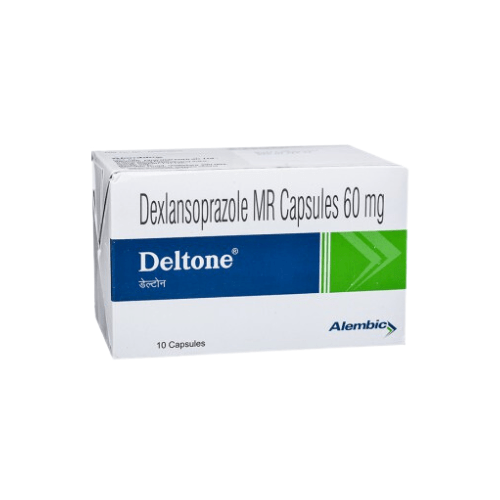
Deltone
Buy Deltone Online
Secure Encrypted Payments
Deltone is an acid-reducing medicine used for gastroesophageal reflux disease and healing or maintenance of erosive esophagitis when a clinician recommends proton pump inhibitor therapy. You can buy Deltone online, view the current Deltone cost during checkout, and choose the displayed dose or strength that matches your clinician’s directions.
Deltone contains dexlansoprazole, a proton pump inhibitor, or PPI. PPIs reduce the amount of acid made by pumps in the stomach lining, which can help control heartburn and allow irritated esophageal tissue to heal over time.
Deltone Price, Strength, and Ordering Details
Deltone price can vary by strength, quantity, manufacturer, and sourcing. During ordering, match the Deltone strength shown with the directions you received from your clinician. If your treatment plan names a specific strength, do not substitute a different one unless a healthcare professional confirms it is appropriate.
Many people compare Deltone cash price because GERD treatment may be needed for a defined course or for longer maintenance. The out-of-pocket cost may differ from insurance-based pharmacy pricing, so it is useful to review the current cart total before completing payment. If you use recurring acid-reducing therapy, ask your clinician whether a larger quantity is suitable for your treatment plan.
Quick tip: Keep the medicine name, strength, and directions together in your medication list so reorders stay consistent.
BorderFreeHealth supplies medications through licensed pharmacies and may review order details before the medicine is prepared. Some orders may include US delivery from Canada, and logistics may include prompt, express shipping when supported for the item.
What Deltone Is Used For
Deltone is used in the care of acid-related conditions such as gastroesophageal reflux disease, often called GERD, and erosive esophagitis. GERD happens when stomach contents move back into the esophagus and cause symptoms such as burning, regurgitation, throat irritation, or chest discomfort after meals. Erosive esophagitis means acid has inflamed or damaged the esophageal lining.
Dexlansoprazole is approved in official labeling for healing erosive esophagitis, maintaining healed erosive esophagitis, and treating heartburn associated with non-erosive GERD in adults. The right duration depends on diagnosis, symptom pattern, response, and safety considerations. If symptoms are new, severe, or different from your usual reflux, medical evaluation is important before relying on acid suppression alone.
For condition-specific background, the gastroesophageal reflux disease section explains how GERD is commonly evaluated and managed. Related acid reflux information is also available under acid reflux, including lifestyle factors that may affect symptoms.
How Dexlansoprazole Works
Deltone contains dexlansoprazole, a PPI that blocks the final step of stomach acid production. By lowering acid exposure, it can reduce burning symptoms and create a less irritating environment for the esophagus. This is different from antacids, which neutralize acid already present in the stomach for shorter-term relief.
Dexlansoprazole capsules are known for a dual delayed-release design in official product information. One portion of the medicine releases earlier, and another releases later. This design supports acid control across more of the day and allows flexible timing with or without food, according to labeling for dexlansoprazole.
Deltone is not a steroid. It does not work by suppressing inflammation the way corticosteroids do. Its benefit comes from reducing gastric acid production, which can indirectly help inflamed esophageal tissue recover when acid exposure is the driving problem.
How to Take This Acid-Reducing Medicine
Use Deltone exactly as directed by your clinician and the product label. Many dexlansoprazole regimens use once-daily dosing, but the correct schedule and duration depend on the condition being treated. Do not take more often or for longer than advised unless your healthcare professional changes the plan.
The capsule is usually swallowed whole. Do not crush or chew the granules, because the delayed-release design is part of how the medicine works. Official instructions allow the capsule to be opened and the granules sprinkled on a small amount of applesauce for people who cannot swallow the capsule whole. The mixture should be swallowed right away without chewing.
If you miss a dose, take it when remembered unless it is close to the next scheduled dose. When the next dose is near, skip the missed dose and continue the usual schedule. Do not double up. A pill organizer, phone reminder, or refill calendar can help keep therapy consistent.
Strengths, Forms, and Sourcing
Deltone is typically supplied as delayed-release capsules. Published dexlansoprazole strengths commonly include 30 mg and 60 mg, though the strength available for ordering may depend on current supply and country of origin. Choose the strength displayed for Deltone only when it matches the directions from your clinician.
Some search terms mention Deltone tablets or 10 mg strengths, but the product information used for acid reflux therapy centers on dexlansoprazole delayed-release capsules. If a label, carton, or pharmacy document does not match what your clinician intended, pause and ask a healthcare professional to verify the medicine before taking it.
Country of origin can matter for packaging, manufacturer presentation, and labeling format. If sourcing details are part of your decision, the India country-of-origin section can help you understand how some products are grouped by source market.
Storage, Handling, and Travel
Store Deltone at room temperature as directed on the package. Keep capsules in the original container, away from moisture, excessive heat, children, and pets. Do not place capsules in a bathroom cabinet if humidity is high, and avoid transferring them into unlabeled bags.
For travel, carry the labeled container in your hand luggage when possible. Keep a medication list with the product name, strength, and directions. If you cross borders, having clear labeling helps healthcare professionals or security staff identify the medicine quickly.
Do not use capsules that appear damaged, wet, or altered. If the medicine has been exposed to unusual heat or moisture, ask a pharmacist whether replacement is needed. Safe storage helps protect the delayed-release granules and reduces the risk of dosing mistakes.
Side Effects, Warnings, and Monitoring
Common side effects reported with dexlansoprazole and other PPIs include headache, diarrhea, abdominal pain, nausea, gas, and upper respiratory symptoms. These effects are often mild, but persistent or worsening symptoms deserve medical attention. Severe diarrhea, dehydration, black stools, vomiting blood, or chest pain should be assessed urgently.
Serious but less common risks have been reported with PPIs. These include Clostridioides difficile-associated diarrhea, kidney inflammation, low magnesium, vitamin B12 deficiency with long-term therapy, bone fracture risk with prolonged high-dose use, and cutaneous or systemic lupus erythematosus. Allergic reactions can also occur. Seek emergency care for swelling of the face or throat, trouble breathing, severe rash, or fainting.
Longer courses may require periodic reassessment. A clinician may review whether symptoms are controlled, whether the dose is still needed, and whether lab monitoring is appropriate. Do not stop long-term acid suppression abruptly without guidance if it was started for erosive esophagitis maintenance or another ongoing condition.
Interactions and Who Should Use Caution
Tell your healthcare professional about all medicines, supplements, and over-the-counter products you take. Acid suppression can affect medicines that need stomach acid for absorption, including some antifungals and antivirals. PPIs may also interact with digoxin, high-dose methotrexate, warfarin monitoring, and certain antiretroviral regimens.
People with known hypersensitivity to dexlansoprazole or other PPIs should avoid this medicine. Those with liver disease may need extra review before starting therapy. Discuss pregnancy, plans to become pregnant, or breast-feeding with a healthcare professional so the benefits and risks can be weighed for your situation.
Deltone can reduce acid-related symptoms, but it does not rule out other causes of stomach pain, swallowing difficulty, anemia, unexplained weight loss, or persistent vomiting. These symptoms require timely medical evaluation. If reflux symptoms continue despite correct use, a clinician may reassess the diagnosis, timing, dose, or alternative treatment class.
What to Expect During Treatment
Some people notice heartburn improvement within several days, while healing of erosive esophagitis may take longer. Consistency matters because PPIs work best when taken as directed over the recommended course. If symptoms improve, continue following the planned duration unless your clinician changes it.
Lifestyle measures may help reduce breakthrough reflux. Common steps include avoiding late meals, elevating the head of the bed, limiting known trigger foods, reducing large high-fat meals, and managing weight when relevant. These measures do not replace medicine for erosive disease, but they may support symptom control.
Why it matters: Ongoing symptoms despite correct use may signal the need for reassessment rather than simply taking extra doses.
Related Acid-Reducing Options
Several acid-reducing medicines are used for GERD and related conditions. A clinician may choose a PPI like dexlansoprazole when stronger acid suppression is needed, or an H2 blocker when a different approach fits the symptom pattern. The best choice depends on diagnosis, prior response, interactions, and how long treatment is expected to continue.
Other acid-related conditions can overlap with reflux symptoms. The gastric ulcer section explains another acid-associated diagnosis that may need different evaluation or treatment planning. If symptoms include bleeding signs, severe pain, or unexplained anemia, medical evaluation should not be delayed.
When discussing alternatives, ask whether the goal is fast symptom relief, healing erosive tissue, preventing relapse, or reducing nighttime symptoms. That goal helps determine whether a PPI, H2 blocker, antacid, or further testing is the most reasonable next step.
Questions to Ask a Healthcare Professional
- Is Deltone appropriate for my GERD symptoms or erosive esophagitis diagnosis?
- Which strength and schedule should I follow?
- How long should I take it before reassessment?
- Do any of my medicines interact with dexlansoprazole?
- Should I have magnesium, vitamin B12, kidney, or other monitoring during longer use?
- What symptoms should prompt urgent medical care?
- Which alternatives make sense if my symptoms continue?
Authoritative Sources
- Official prescribing information for dexlansoprazole
- DailyMed dexlansoprazole drug record
- Health Canada dexlansoprazole product record
This content is for informational purposes only and is not a substitute for professional medical advice.
Express Shipping - from $29.99
Shipping with this method takes 3-5 days
Prices:
- Dry-Packed Products $29.99
- Cold-Packed Products $39.99
Shipping Countries:
- United States (all contiguous states**)
- Worldwide (excludes some countries***)
Standard Shipping - $19.99
Shipping with this method takes 5-10 days
Prices:
- Dry-Packed Products $19.99
- Not available for Cold-Packed products
Shipping Countries:
- United States (all contiguous states**)
- Worldwide (excludes some countries***)
What is Deltone used for?
Deltone is used for acid-related conditions such as GERD and erosive esophagitis when dexlansoprazole therapy is appropriate. It reduces stomach acid to help relieve heartburn and support healing of irritated esophageal tissue.
Is Deltone a steroid?
No. Deltone contains dexlansoprazole, a proton pump inhibitor. It lowers stomach acid production and does not work like corticosteroid medicines.
What are common side effects of Deltone?
Common side effects may include headache, diarrhea, abdominal pain, nausea, gas, and upper respiratory symptoms. Contact a healthcare professional if side effects are severe, persistent, or unusual.
How should Deltone be taken?
Follow the directions from your clinician and the package label. Dexlansoprazole capsules are generally swallowed whole, and the granules should not be crushed or chewed because they are delayed-release.
Can Deltone interact with other medicines?
Yes. Acid suppression can affect medicines that depend on stomach acid for absorption, and PPIs may interact with digoxin, high-dose methotrexate, warfarin monitoring, and some antivirals. Share your full medication list with a healthcare professional.
Rewards Program
Earn points on birthdays, product orders, reviews, friend referrals, and more! Enjoy your medication at unparalleled discounts while reaping rewards for every step you take with us.
You can read more about rewards here.
POINT VALUE
How to earn points
- 1Create an account and start earning.
- 2Earn points every time you shop or perform certain actions.
- 3Redeem points for exclusive discounts.
You Might Also Like
Select options
This product has multiple variants. The options may be chosen on the product page
Select options
This product has multiple variants. The options may be chosen on the product page
Select options
This product has multiple variants. The options may be chosen on the product page
Select options
This product has multiple variants. The options may be chosen on the product page