
Please note: a valid prescription is required for all prescription medication.
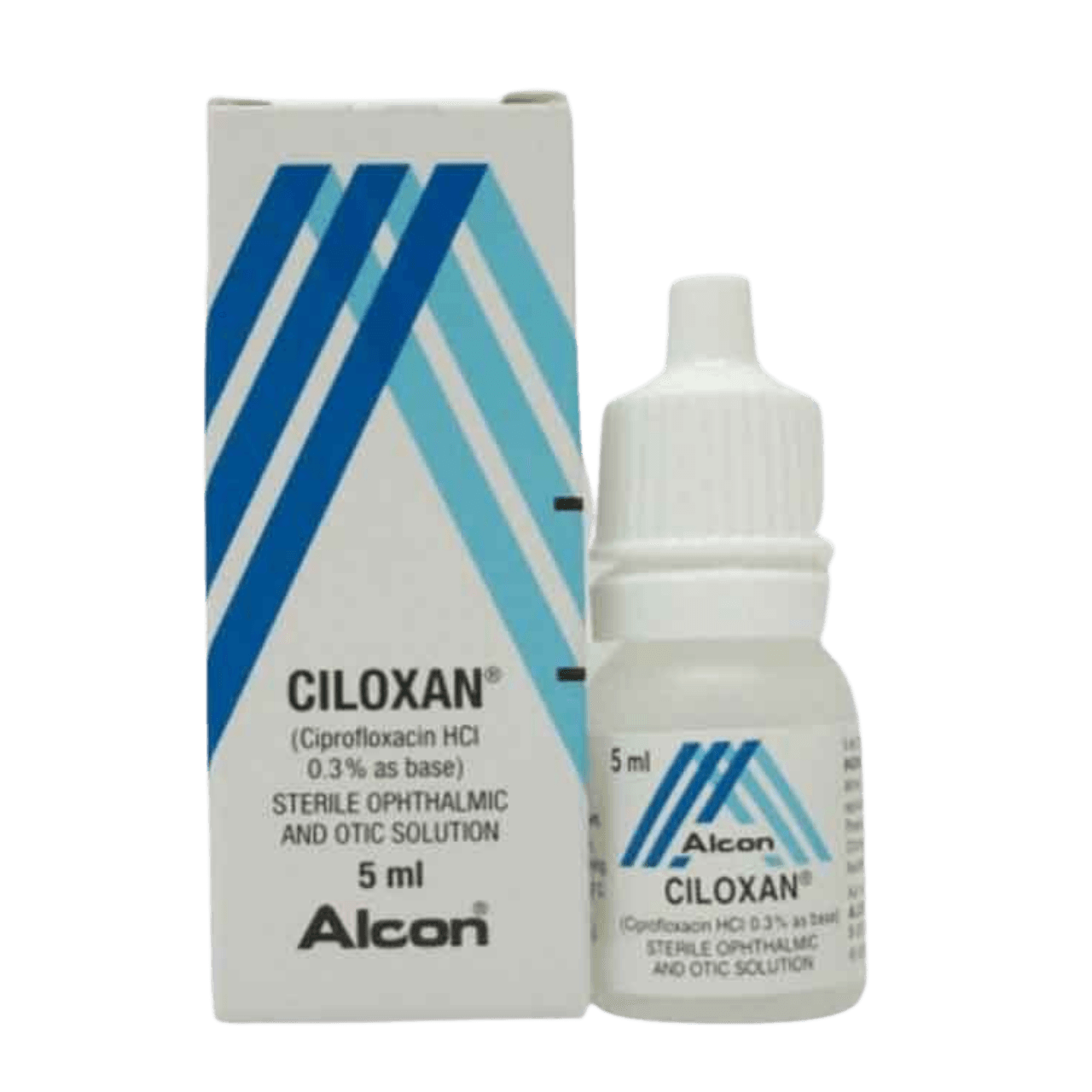
Ciloxan Ophthalmic Solution 3%
Buy Ciloxan Ophthalmic Solution 3% Online
Secure Encrypted Payments
Ciloxan Ophthalmic Solution 3% is an antibiotic eye drop used for certain bacterial eye infections. It can be bought online through BorderFreeHealth, with current price details shown during ordering and strength selection matched to the directions from your eye-care clinician. The solution is intended for eye use only and should be used exactly as directed for the infection being treated.
Ciloxan 3% Price and Ordering Details
When you order Ciloxan Ophthalmic Solution 3% online, the displayed cost may depend on the quantity, brand or related generic selection, and the pharmacy supply route. Viewing the current Ciloxan 3% price before checkout can help you plan if you are paying out of pocket. BorderFreeHealth provides cash-pay access for U.S. patients using licensed Canadian pharmacy channels, and US delivery from Canada may be available through the ordering process.
Choose the strength and quantity shown during ordering only if they match the directions from your clinician. Eye antibiotics are often used on a precise schedule, especially when the cornea is involved, so the bottle selected should support the full course. If your directions mention a different active ingredient, form, or concentration, ask the pharmacy team or clinician to clarify before use.
Some people compare Ciloxan 3% eye drops with generic ciprofloxacin ophthalmic solution because both names may appear in pharmacy discussions. The clinically important details are the active ingredient, eye-only formulation, concentration, and instructions. Browse related eye-care treatments in the Ophthalmology Products category if your clinician has discussed more than one ophthalmic medication.
What This Antibiotic Eye Drop Treats
Ciloxan Ophthalmic Solution 3% contains ciprofloxacin, a quinolone antibiotic used in the eye to target susceptible bacteria. It works by interfering with bacterial DNA processes, which can slow or stop bacterial growth in infected eye tissue. This action does not treat viral conjunctivitis, allergic eye irritation, or dry eye, which can resemble infection at first.
Clinicians may use ciprofloxacin eye drops for bacterial conjunctivitis, often called bacterial pink eye, and for certain corneal infections that need close evaluation. The conjunctiva is the thin membrane over the white of the eye, while the cornea is the clear front surface that helps focus vision. Read more about symptoms and care discussions in the Bacterial Conjunctivitis and Bacterial Keratitis condition sections.
Sticky discharge, eyelid crusting, redness, and a gritty feeling may occur with bacterial conjunctivitis. Corneal infection can be more serious, especially when pain, light sensitivity, a white spot, contact lens use, or blurred vision is present. Those symptoms need prompt clinical assessment rather than casual reuse of leftover drops.
Generic Ciprofloxacin and Brand Ciloxan
Ciloxan is a brand name associated with ciprofloxacin ophthalmic treatment. Generic ciprofloxacin ophthalmic solution uses the same active antibiotic name, but packaging, manufacturer, inactive ingredients, and availability can differ. Your clinician or pharmacist can help ensure the chosen product fits the intended eye indication and directions.
Brand and generic naming can also vary by country. A Canadian-supplied pharmacy product should be assessed by the actual label, active ingredient, strength, form, and directions rather than by U.S. naming habits alone. If substitution is being considered, the safest approach is to make sure the eye-only formulation and concentration match what was intended.
Ciprofloxacin may also appear in other dosage forms, including non-eye products. Do not use ear, skin, or oral antibiotic products in the eye unless a qualified clinician specifically instructs you to do so. Ophthalmic solutions are made to be sterile and suitable for delicate eye tissues.
How to Use the Drops Safely
Dosing depends on the diagnosis, severity, and whether the cornea is affected. Some eye antibiotic schedules are more frequent at the beginning and then reduced, but your own label directions should control how often you use the drops. Finishing the directed course helps reduce the chance that symptoms return before the infection is fully controlled.
Good technique lowers contamination risk. Wash your hands, tilt your head back, pull down the lower eyelid, and place the drop without touching the dropper tip to the eye, eyelid, fingers, or contact lens. Close the eye gently for a short time after dosing, and wipe away extra liquid with clean tissue.
- Remove contact lenses unless your clinician specifically says otherwise.
- Do not share the bottle, even with someone who has similar symptoms.
- Keep the cap clean and close it immediately after each use.
- Separate multiple eye products by several minutes unless directed differently.
- Avoid driving until any temporary blurred vision clears.
Quick tip: Keep a simple dosing log if the schedule is frequent.
Storage, Handling, and Travel
Store Ciloxan Ophthalmic Solution 3% according to the pharmacy label and package instructions. In general, sterile eye solutions should be kept tightly capped, protected from contamination, and stored away from children. Do not use the bottle past its expiration date or if the solution looks discolored or contains visible particles unless a pharmacist confirms the appearance is expected.
During travel, keep the bottle in a clean pouch so the dropper remains protected. Avoid leaving it in a hot car, freezing location, or loose bag pocket where the cap may loosen. If prompt, express shipping is offered during checkout, choose the shipping method that fits your timing needs while still planning ahead for the full course.
People using several eye products may benefit from a written list that includes the name, strength, schedule, and which eye is treated. The broader Ophthalmology Articles collection can help you prepare practical questions about eye medications, aging eyes, and symptom tracking.
Side Effects, Warnings, and Monitoring
Most side effects from antibiotic eye drops are local and temporary. Ciloxan Ophthalmic Solution 3% may cause brief burning, stinging, redness, itching, watery eyes, blurred vision right after dosing, eyelid crusting, or a medicine taste after fluid drains through the tear duct. Mild irritation should be monitored, especially if it becomes stronger after each dose.
Seek urgent care for facial swelling, hives, severe eyelid swelling, wheezing, trouble breathing, or other signs of a serious allergic reaction. New severe light sensitivity, worsening eye pain, a white spot on the cornea, or vision changes that do not clear should also be treated urgently. These symptoms can signal a corneal problem or a diagnosis that needs different treatment.
Tell your clinician about quinolone antibiotic reactions, eye surgery, contact lens use, pregnancy, breastfeeding, and all other eye drops or ointments you use. Systemic drug interactions are less common with ophthalmic ciprofloxacin than with oral antibiotics, but multiple eye products can wash each other out or make irritation harder to interpret. Do not restart an old bottle for a new red eye without a fresh evaluation.
Why it matters: Eye pain with blurred vision can indicate more than routine conjunctivitis.
When Symptoms Should Improve
Many bacterial eye infections begin to feel better after appropriate treatment starts, but timing varies by organism, severity, and where the infection is located. Redness or discharge that does not improve, symptoms that spread, or discomfort that worsens needs follow-up. Corneal infections deserve particular caution because delayed care can threaten vision.
Do not stop early only because the eye looks better unless your clinician changes the plan. Antibiotic courses are designed to control bacteria through the intended treatment window. If you miss doses or cannot tolerate the drops, ask for guidance rather than stretching the schedule on your own.
Contact lens wearers should be especially careful. Lenses can trap organisms against the eye and may worsen irritation during infection. Your clinician may advise when lenses can be worn again and whether the lens case, solution, or lenses should be replaced.
Related Eye-Care Choices
Eye antibiotics are selected based on the suspected bacteria, location of infection, contact lens history, allergies, and local resistance patterns. Ciloxan Ophthalmic Solution 3% is one fluoroquinolone option, while other antibacterial drops or ointments may be chosen when coverage, tolerability, or dosing needs differ. Ointments may stay on the eye longer but can blur vision more than drops.
Anti-inflammatory steroid drops are different from antibiotics. They may reduce inflammation in selected conditions, but they can worsen some untreated infections and should not be used as a substitute for antibacterial therapy. If redness comes with itching, seasonal triggers, dryness, or recurrent one-sided flares, the diagnosis may not be straightforward.
Customers interested in Canadian-supplied products can also view the Canada country-of-origin selection for broader store browsing. Use related categories as a starting point only; the correct eye medication depends on the diagnosis and directions from a qualified clinician.
Authoritative Sources
Authoritative medical sources can help you discuss symptoms and safety concerns more clearly. They should not replace individualized care, especially for severe pain, vision changes, contact lens-related infection, or possible corneal involvement.
General conjunctivitis information is available from the CDC: CDC conjunctivitis information.
Drug safety and use details for ciprofloxacin ophthalmic products are summarized by Mayo Clinic: Mayo Clinic ciprofloxacin ophthalmic route.
This content is for informational purposes only and is not a substitute for professional medical advice.
Express Shipping - from $29.99
Shipping with this method takes 3-5 days
Prices:
- Dry-Packed Products $29.99
- Cold-Packed Products $39.99
Shipping Countries:
- United States (all contiguous states**)
- Worldwide (excludes some countries***)
Standard Shipping - $19.99
Shipping with this method takes 5-10 days
Prices:
- Dry-Packed Products $19.99
- Not available for Cold-Packed products
Shipping Countries:
- United States (all contiguous states**)
- Worldwide (excludes some countries***)
What does Ciloxan do for the eyes?
Ciloxan contains ciprofloxacin, an antibiotic used in the eye to treat certain bacterial infections. It targets susceptible bacteria and is not meant for viral, allergic, or dry-eye causes of redness.
Is generic ciprofloxacin ophthalmic solution the same as Ciloxan?
Generic ciprofloxacin ophthalmic solution uses the same active antibiotic name as Ciloxan. Manufacturer, inactive ingredients, packaging, and supply may differ, so the form, strength, and directions should match the intended eye treatment.
Can Ciloxan eye drops be used for pink eye?
Ciloxan may be used for bacterial conjunctivitis, often called bacterial pink eye, when a clinician determines bacteria are the likely cause. Viral or allergic pink eye usually needs different care.
What side effects can Ciloxan Ophthalmic Solution cause?
Common effects can include brief burning, stinging, redness, itching, watery eyes, blurred vision after dosing, eyelid crusting, or an unpleasant taste. Seek urgent care for swelling, hives, breathing trouble, severe pain, light sensitivity, or vision changes.
How should Ciloxan eye drops be stored?
Follow the pharmacy label and package instructions. Keep the bottle tightly capped, protect the dropper from contamination, store it away from children, and do not use it after the expiration date.
Rewards Program
Earn points on birthdays, product orders, reviews, friend referrals, and more! Enjoy your medication at unparalleled discounts while reaping rewards for every step you take with us.
You can read more about rewards here.
POINT VALUE
How to earn points
- 1Create an account and start earning.
- 2Earn points every time you shop or perform certain actions.
- 3Redeem points for exclusive discounts.
You Might Also Like
Select options
This product has multiple variants. The options may be chosen on the product page
Select options
This product has multiple variants. The options may be chosen on the product page
Select options
This product has multiple variants. The options may be chosen on the product page
Select options
This product has multiple variants. The options may be chosen on the product page